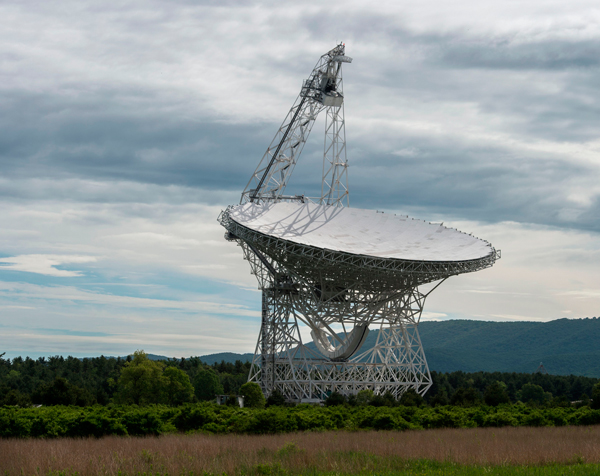
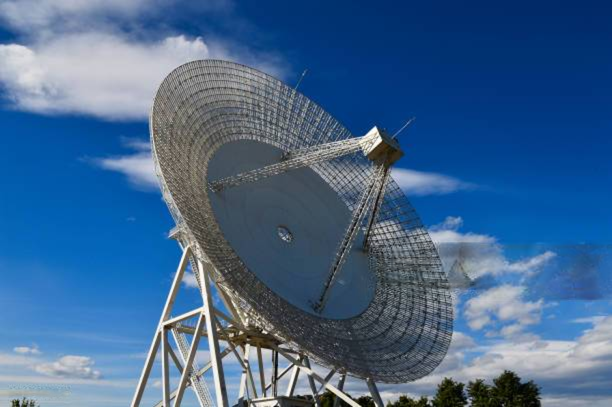
Radio dishes and silent waiting have long been considered the iconic features of SETI in the popular imagination. The same work is still being continued on an unprecedented scale, though the engineering front has been extended.
Concurrent with radio surveys, optical SETI has developed as a field of science based on high-resolution spectroscopy, stringent false-positive rejection and data pipelines that no longer view lasers as a science fiction prop, but as a technosignature.
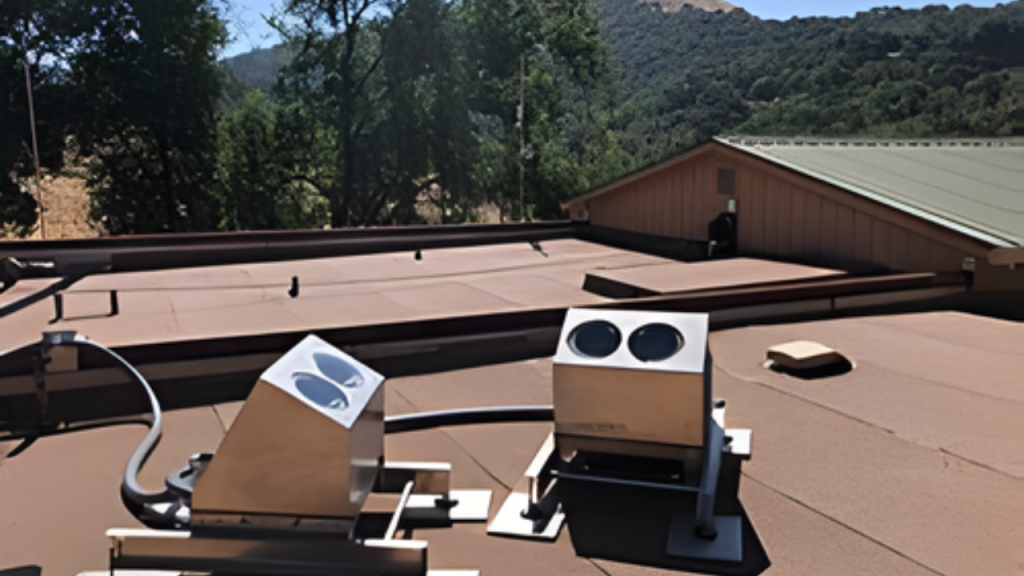
Radio is not substituted by laser-based SETI. It transforms the definition of detectable, where physics is skewed towards narrow beams, narrow wavelength, and techniques of analysis that are closer to precision exoplanet spectroscopy than to the radio tuning of old.
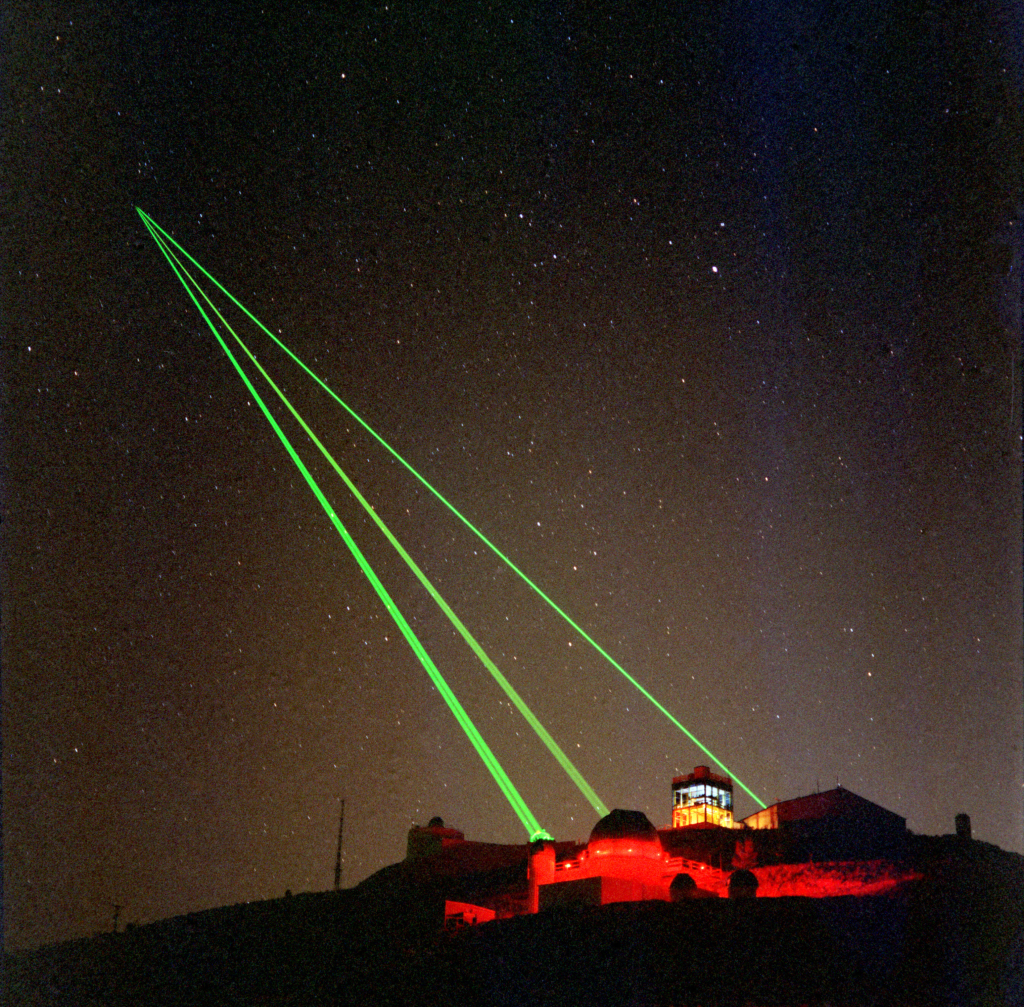
1. Optical lasers can outshine a star if the search is narrow enough
Essentially the basic optical SETI concept is this: a glare-bright laser line can be observed falling out of the glare of a host star when using a high-resolution spectrograph. The case itself has been technically encouraged over decades and even modern tools have made it an achievable task. The optical strategy of Breakthrough listen is planned around spectroscopic searches that are said to be 1000 times more effective than regular survey of the visible light as they are searches that involve spectroscopy which isolates razor cuts of wavelength that a laser can focus energy on. A laser in that respect needs not beat the entire star the light of the star within a single very narrow spectral path.
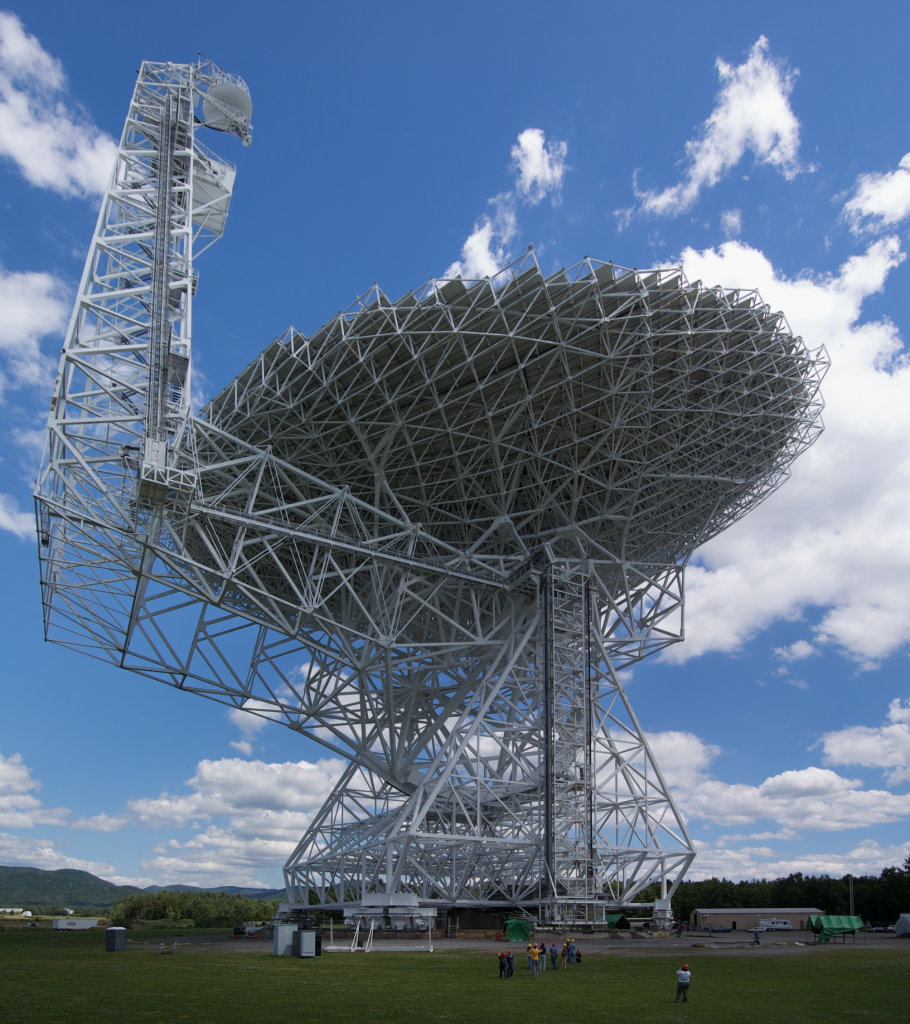
2. Breakthrough Listen is treating optical SETI as a first-class survey, not a side project
The scale of Listen can be described in radio terminology large sky coverage, large bandwidth and sensitivity jumps but the program also has a substantial optical component. Its project identifies itself as the largest scientific research project to date to find evidence of civilizations in other planets and the optical laser work is not in front of the largest ever but is in it. This has one engineering implication: optical SETI is a pipeline problem, repeatable, calibratable and expandable, and not a boutique experiment that would be run on a small set of targets.
3. Spectrographs turn “searching for flashes” into “searching for lines”
Traditional optical SETI tends to give rise to time-domain flash. The more recent technique involves the echelle spectrographs to search after a persistent and ultra narrow features of the emission.
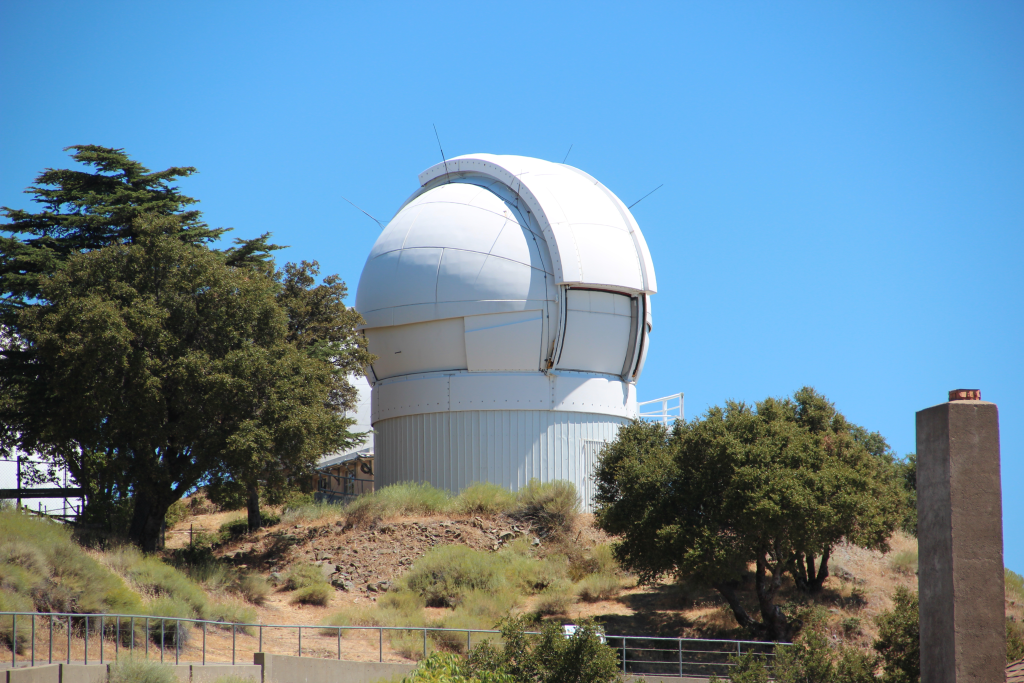
A published Breakthrough Listen pipeline is the more intensive, persistent, narrow-bandwidth optical laser in spectra observed using the Automated Planet Finder (APF) and its Levy Spectrometer. This is important since it brings optical SETI into line with the existing astronomical practices: wavelength calibration, line-spread functions, and per- pixel noise models. It also implies interpretability of the search products, i.e. that candidate features are widths, shapes and wavelengths which can be verified by instrumental behaviour and atmospheric contaminants.
4. The hard part is not detection it is disciplined rejection
False positives increase or decrease laser SETI. Cosmic rays, defects in detectors and airglow of the night sky may appear in high-resolution spectra as false peaks resembling lasers. This is met in the APF pipeline by filtering the responses, which are layered using thresholding, Gaussian profile tests, and persistence checks over repeated exposures. In a single reported run, analysts began with 22,247 threshold crossing events in residual spectra and algorithmically reduced them to 55 before the rest are screened out by hand. What is not learned in the engineering lesson is that optical SETI now has a repeatable methodology to go between too many spikes to a smaller candidate set without searching tens of thousands of features by hand.

5. Subtracting the star (carefully) is a sensitivity upgrade
Numerous stars are the forests of absorption lines and a thin laser line can be concealed within them. The APF pipeline addresses that by modelling each target spectrum with a spectra-matching method (SpecMatch-Emp) and searching the resultant residuals after the most suitable stellar template has been subtracted. The residual search is to minimize the confusion of stellar structure and marginally enhance sensitivity about absorption features. Residual searching in published results gave a enormous multiplicity of events to vet compared to direct searching of the spectra-evidence that the method gives up features, which would be mashed or suppressed by the line pattern of the star itself.
6. Sensitivity claims are becoming concrete, instrument-tied numbers
Arguments based on broad plausibility were used in optical SETI. They have now become habitual to giving detection thresholds based on telescope area, throughput, exposure time, and noise statistics. The sensitivity obtained in the APF-based analysis is said to measure the same as that of detecting a 84 kW laser with a median target distance of 78.5 light-years. Individually, the wider optical framing of Breakthrough Listen says that its searches would be able to detect a laser with 100 watts of power (the power of a standard household bulb) 25 trillion miles away. The individual figures are varied since they represent disparate assumptions, tools and search modes-but combined they signify a discipline that is progressing to transparent, measurable standards of performance.

7. Citizen science infrastructure is ready for the optical era
Scaling SETI does not only concern telescopes, but it is also related to distributing analysis. Berkeley SETI outlines the data outgoing to public-facing systems, such as SETI@home, and stresses that archives behind it are large and challenging to process. The latter fact aligns with the direction of optical SETI: spectroscopy produces dense and unstructured data, whose analysis is amenable to standardized equipment, open libraries, and crowdsourcing. Practically, the laser leap is also a data-engineering narrative: formats, pipelines, calibration artifacts, and the practical reality of enabling advanced analyses to scale beyond the confines of a single research group.
Laser-based SETI has now become an engineering field characterized by spectrographs, pipelines and vetting logic-designed to take the messy data of the real world on the chin.
Radio will always have a role to play, but the next significant methodological breakthrough in SETI is becoming more and more connected to light which is narrow in beam and bandwidth, and to software capable of isolating that light as compared to all of the rest of the universe (or Earth) puts into a spectrum.


