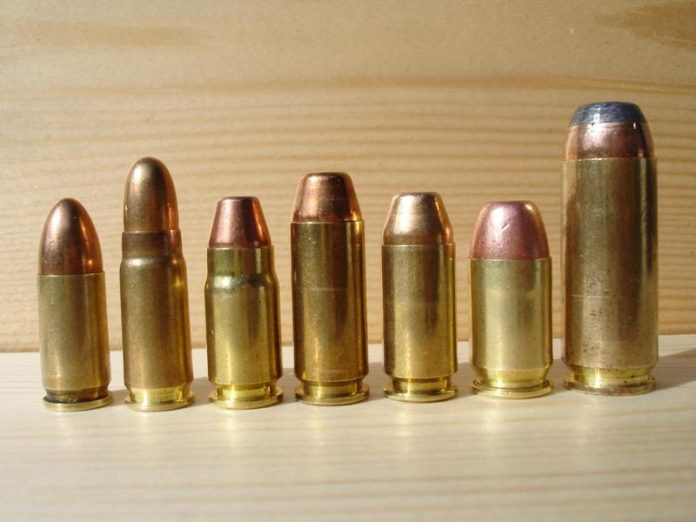
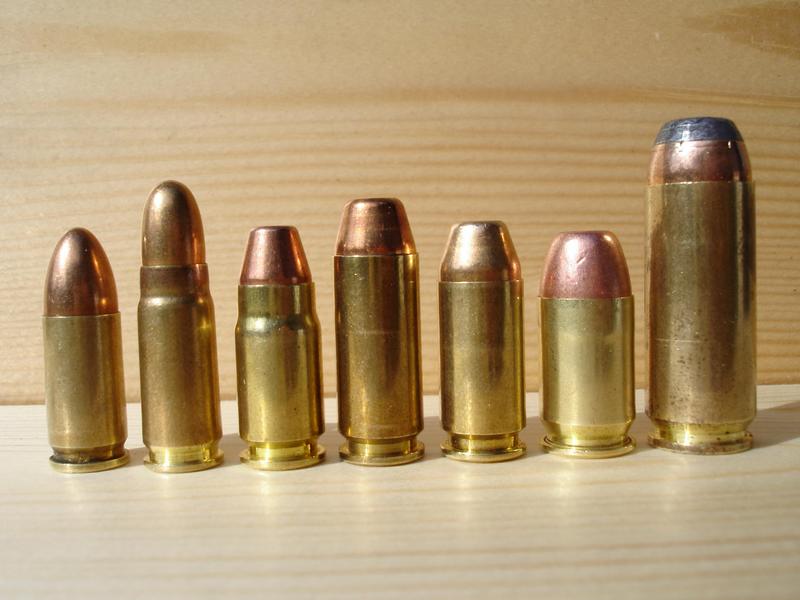
Defensive handguns exist in a compromised world. Each cartridge is a trade-off between reliability, penetration, recoil control and the post-penetration consequences (or lack thereof).
Rounds that are fired with handguns do not provide temporary-cavity shock in a rifle-like manner either. They push with all their might to get at something crucial and cause enough harm there so as to alter the result. That renders poor penetration, loose growth, and recoil that is difficult to contain more than scholarly issues.
The following calibers and types of loads reprise and reprise in the training bay and gel block as underperformers in everyday defensive carrying.
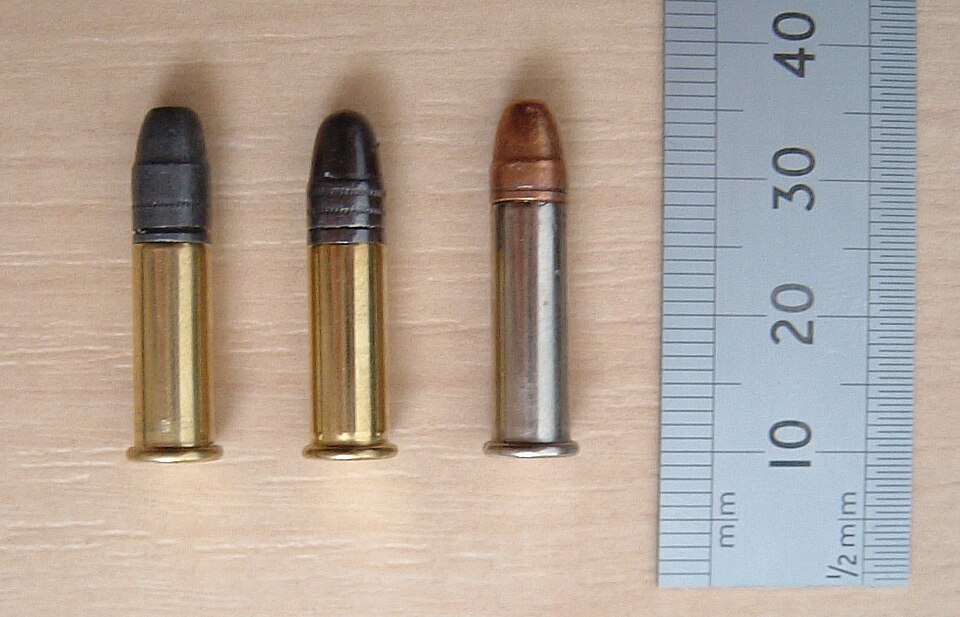
1. .22 Long Rifle (as a carry caliber)
The choice of 22 LR has some reasonably obvious motives: it has low recoil, low noise, and volume of practice. The mechanical problem is that rimfire ignition is never as reliable as centerfire, and hence the possibility of a dud is always part of the bargain. The ballistics problem is even more difficult – lots of the loads are less than 200 ft-lbs on handgun-length barrels, and all-clothing performance may be patchy.
The make-or-break measure of handguns is penetration, with the most commonly quoted yardstick of the FBI at 12 -18 inches of calibrated gel. Under ideal conditions, some modern defensive loads in the .22 can approach that window, however; the rimfire reliability, coupled with insufficient terminal performance, does not leave much room when things all go bad simultaneously.
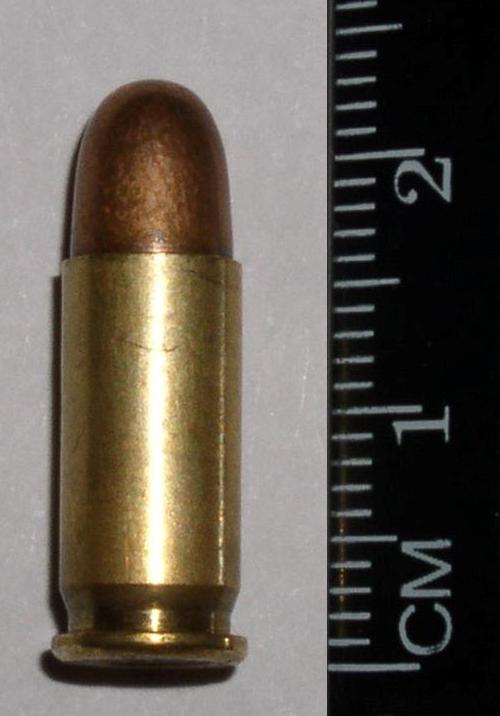
2. .25 ACP
25 ACP was designed to fit into pocket pistols that are small, and not the ability to do the worst-case scenarios such as heavy clothing, steep angles, and missed hits. Although centerfire, it is very low energy generally less than 70 ft-lbs and expansion in tests is usually very slight.
Also realistic is the practical drawback: most .25 ACP pistol out there are older models, with small sights, short grips, and controls that are difficult to operate in a hurry. That puts the odds on the skilled quickened follow-up shot, which in a defensive situation is the last thing that small calibers should have to do.
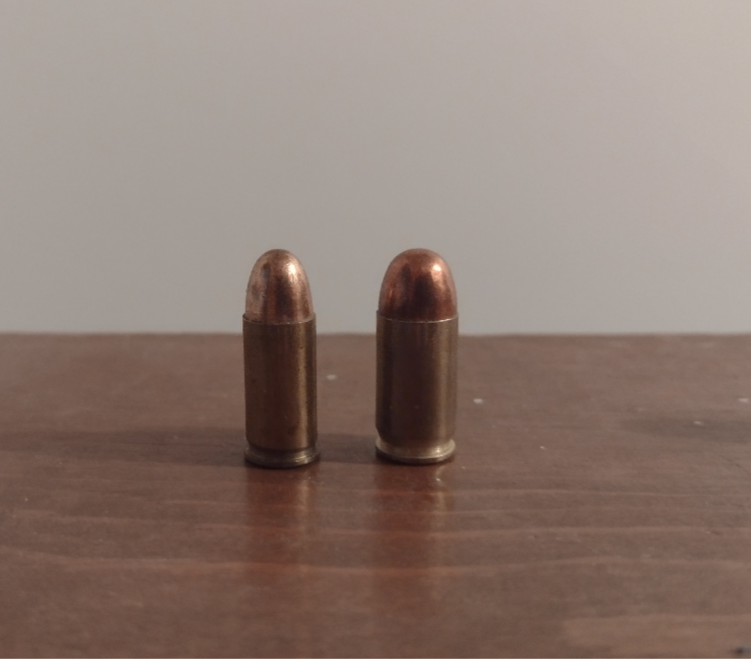
3. .32 ACP
32 ACP occupies an uncomfortable middle ground: it has a lower recoil than .380, but with an energy level often in the 125-170 ft-lbs range, it often performs more like a hot rimfire than a contemporary defensive round. Hollow points may plug under cloths, and may serve as ball. In other instances, the expansion occurs prematurely and penetration halts at an insufficient depth to allow the penetration to breach vital structures.
It still retains a niche in the hands of recoil-sensitive shooters who can not always depend on larger calibers to perform. This is disadvantageous in that the shooter is sacrificing a reduced wound channel and reduced uniform penetration to gain control.
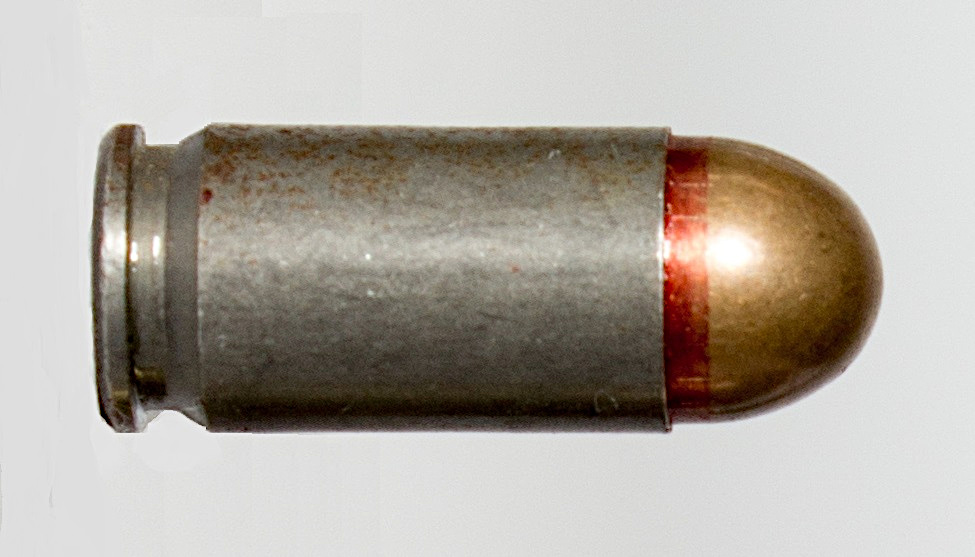
4. 9×18 Makarov
9×18 Makarov will work in the general range of between .380 ACP and 9mm Luger, however, the repeated headache is choice of defensive ammunition. The apparent weakness of the caliber is the small range of diverse and affordable good defensive JHP ammo, and it is important since the design of bullets is what transforms marginal cartridges into something acceptable.
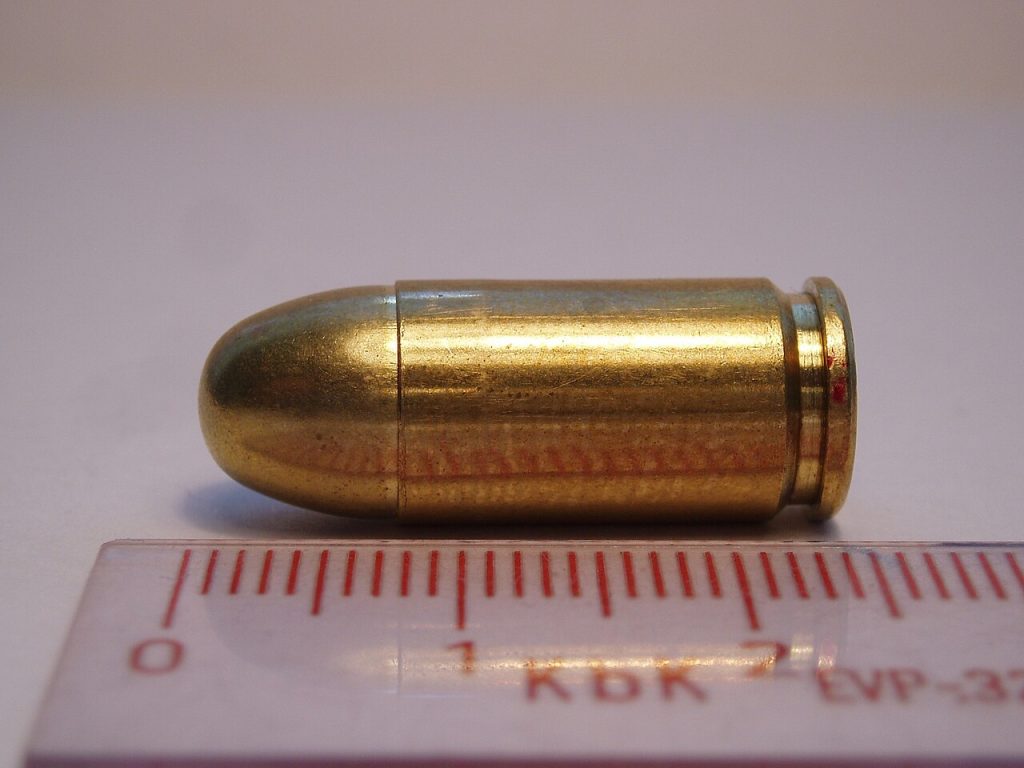
The benefit of the ability to carry 9mm Luger when a shooter is needed is not the mystique: improved modern load development, extended testing history, and easier access to proven defensive designs.
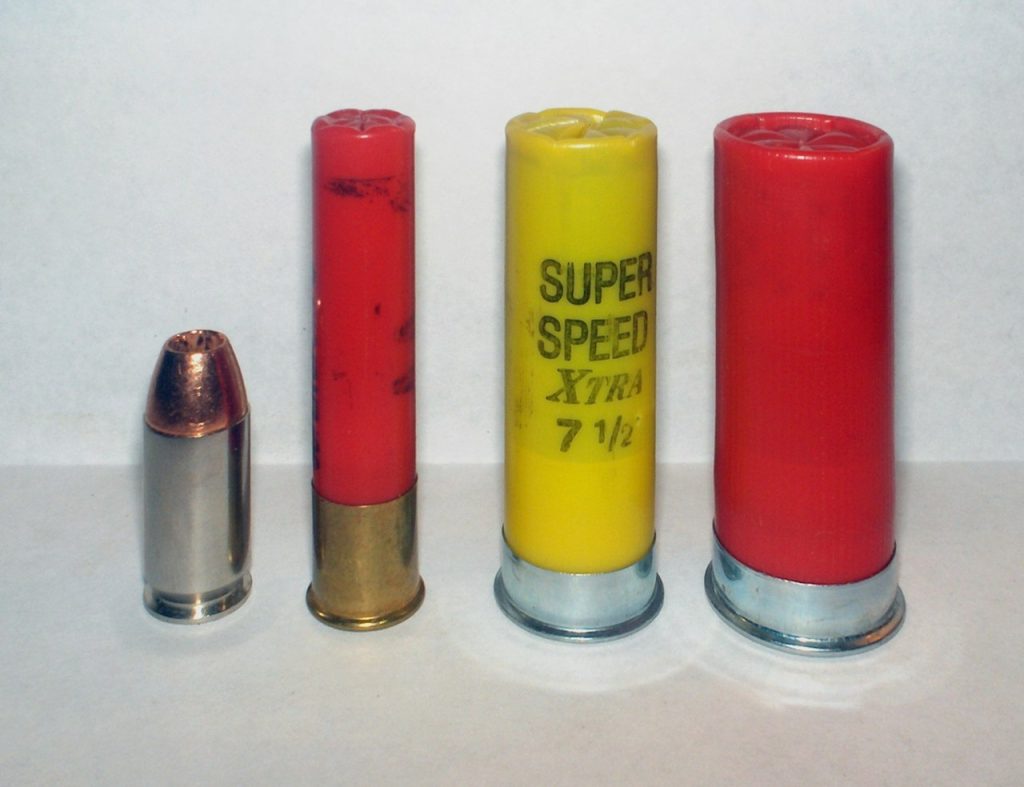
5. .410 shotshell out of revolvers
The revolvers of 410 bore market the concept of the shotguns in a handgun. The physics does not play along. Short barrels slow the velocity and the speed of loading the shot is such that the pattern is liability-size before distance increases significantly at all. The other issue is penetration: light shot is not massy enough to penetrate deep as soon as it encounters obstacles such as clothing and muscle.
At very short distances, some loads of buckshot will pattern more tightly than birdshot but the entire system relies on the distance remaining short and the pattern remaining tight. In defensive work, that can not be called a reliable strategy when compared to an ordinary handgun cartridge that is designed to penetrate and expand in predictable ways.
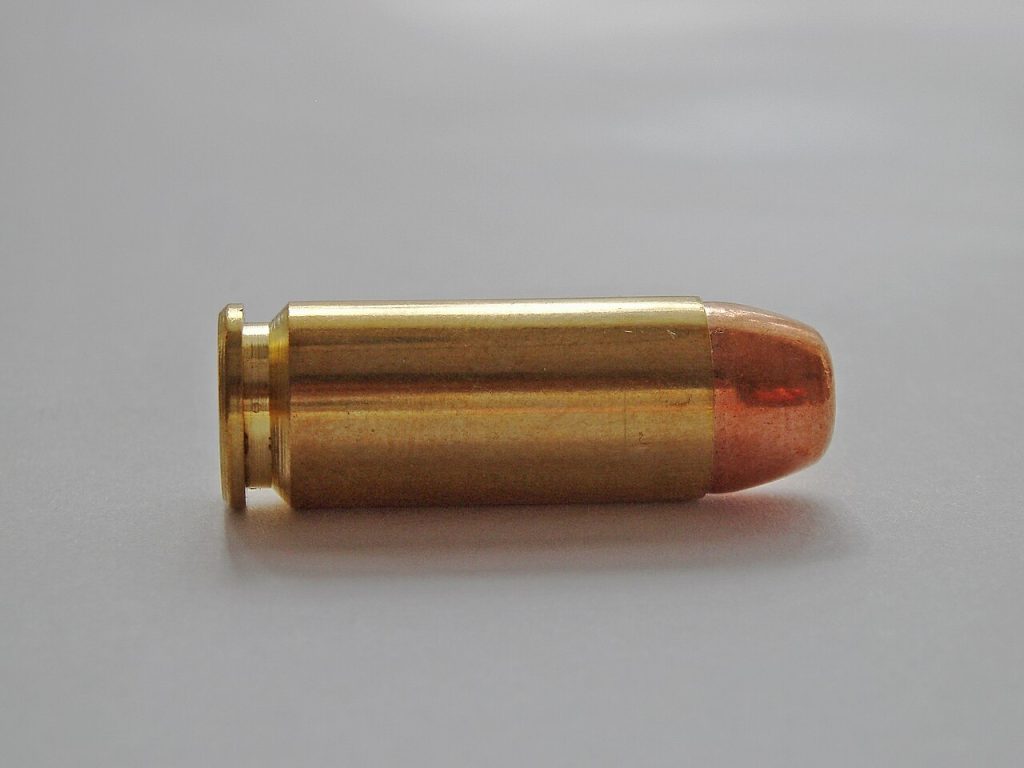
6. 10mm Auto (to fit under clothing to carry)
10mm Auto is not a bad thing, it is probably too much of a good thing. Full-power loads may be over 600 ft-lbs and that means harsh recoil, huge blast, and an increased pressure on grip and trigger manipulation. The shooter who is unable to hold hits close at speed is getting nothing out of energy on paper.
The fact that human-factor punishment is not abstract. A study of the duty-style pistols revealed that grip strength was closely related to qualification performance and that very heavy triggers can cause undesirable muscle action and fiddle with the sights. Big-recoil calibers enhance all those issues.
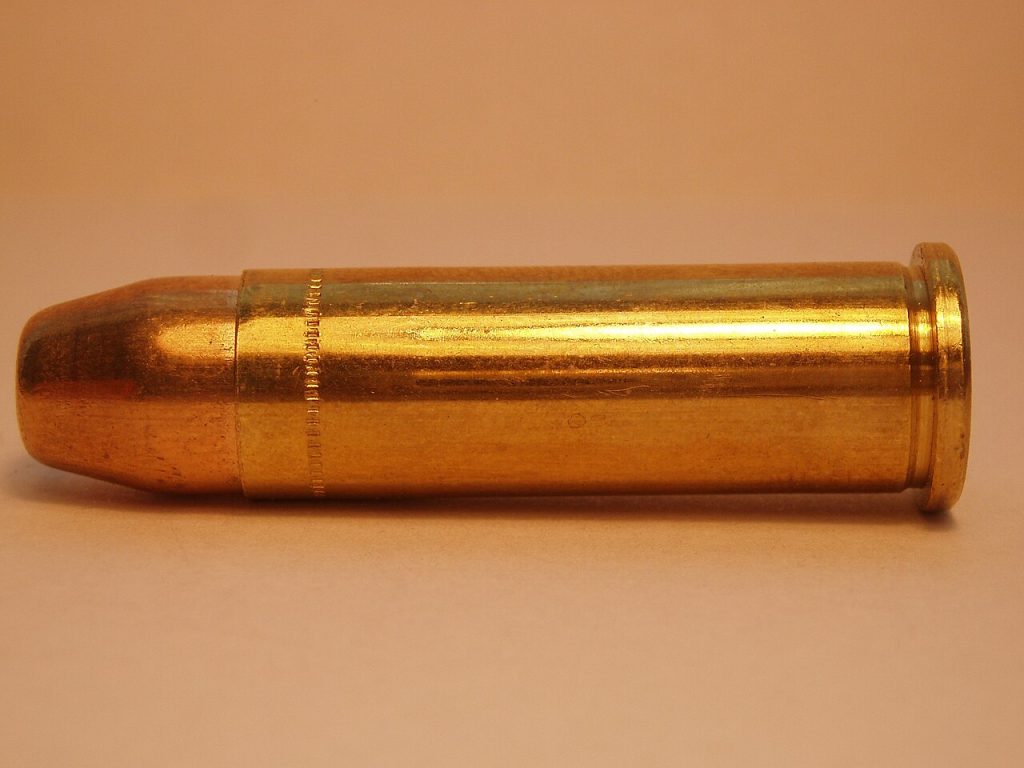
7. .38 Special out of ultra-short barrels
The track record of 38 Special revolver is defensive, yet less than two inch snubs transform it into a new creature. Velocity is lowered, and even in a light frame, hollow-point expansion can be vanquished by the same drop, leaving the recoil sharp. The loads that appear good at service-length barrels cannot be reliably made to reach the 12-inch minimum in short-barrel tests, particularly with clothing in the way of expansion.
The caliber has been shown to work with short-barrel-appropriate loads and realistic practice, but the ultra-short platform has been shown to be much less consistent in performance than many carriers would think.
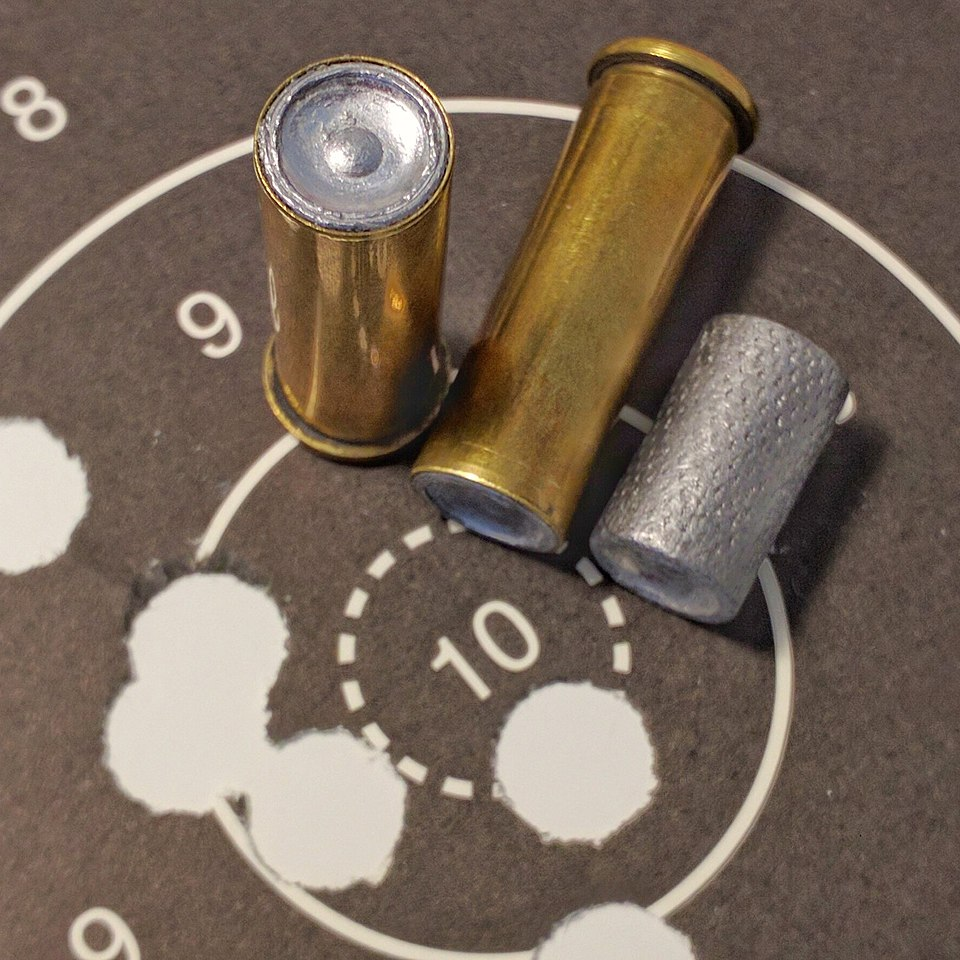
In all these, the modes of failure reoccur: the lack of penetration, the lack of reliability in the ignition, the lack of consistency in the expansion, the excessive recoil, or the inability to acquire defensive ammunition easily. Never mind internet arguments, they are engineering constraints that manifest themselves at worst case.
The lesson of practical application is plain, A defensive caliber must be able to penetrate foreseeably, must be able to be ignited reliably, as well as recoil such that it can deliver repeated hits. The shooter compensates any of those pillars when any of them fails.


