Polymer has had the burden of the duty-pistol talk all these decades, yet it can never remove a more basic fact: some older, heavier handguns continue to appear despite being older because they remain functional. Mass and rigidity and established mechanical layouts can be important in training cycles with large count of rounds and in severe field environments even more than current modularity.
Here is a narrowed-down examination of the traditional metal-frame (and metal-heavy) sidearms which have earned reputations within the serious circles. It is not about nostalgia, and it is not that metal is better. It was the reason why some designs continued to buy the holster space when reliability, shootability, and institutional support were not negotiable.
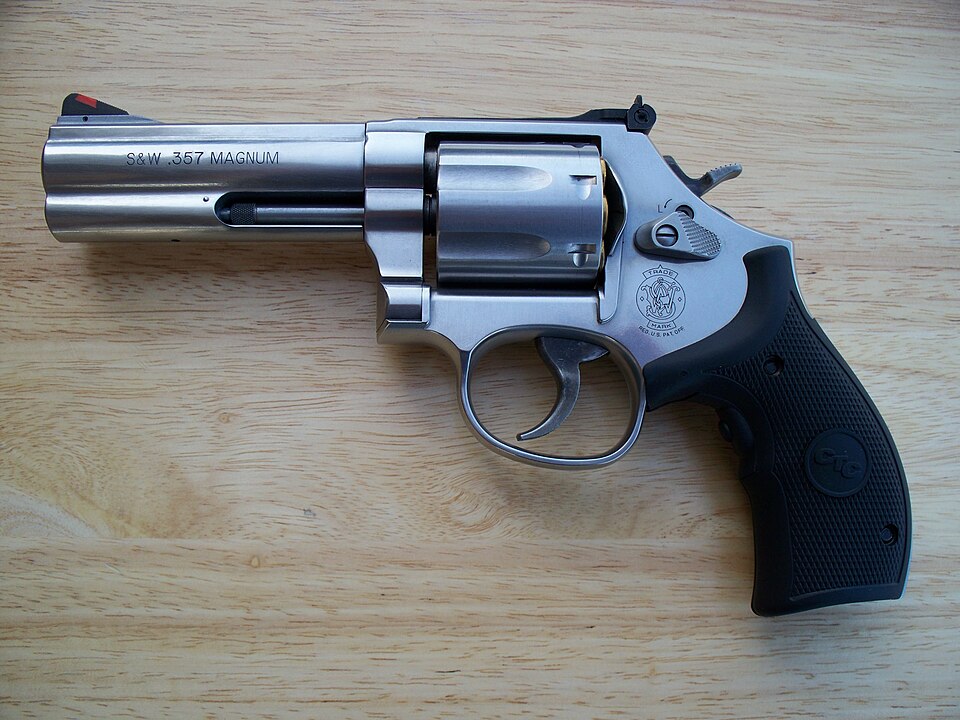
1. Smith & Wesson Model 686
The Model 686 is the late-era duty revolver that is hardest-wearing: a full-stainless construction based on Smith and Wesson L-frame, designed to survive on a diet of.357 Magnum without going wayward. Its mass contributes to recoil being soaked and hence resulting into quicker and more controlled follow-up shots with full-power loads than other lighter wheelguns.
Long lasting lockwork and adjustable sights made the 686 a revolver which could last many decades when in good condition. It also has the advantage in an operational sense that semi-autos cannot duplicate: a simple manual of arms that is independent of magazine operation. Capacity and reload speed is the trade but the 686 has a history of durability and consistency not novelty.
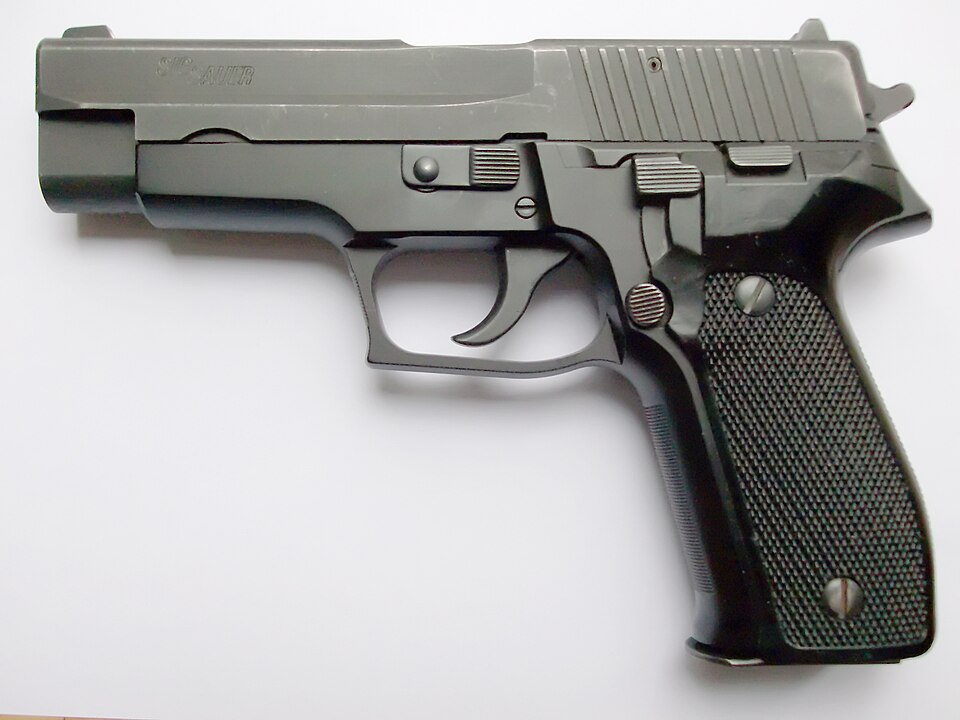
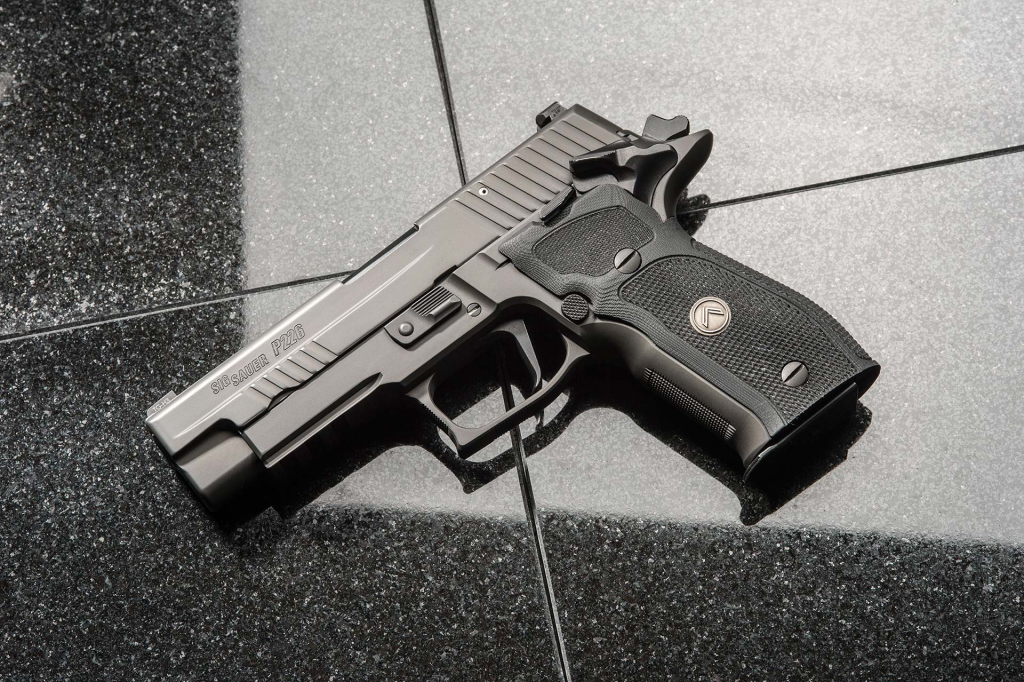
2. SIG Sauer P226
The history of the P226 can be attributed to the XM9-era pushing of the U.S military, in which the P226 was already one of the top contenders despite not having won the final bid. Constructed on a frame made of alloys with DA/SA trigger system and a decocking leaver it was developed into a prototype of a work pistol which is more controllable and safe to handle in stressful situations.
Its weight, usually quoted at about 34 ounces in standard form, helps control the recoil of a full-size 9mm, and its ergonomics made it comfortable to carry by an extensive variety of shooters. It is also directly linked with the use by the U.S. Naval Special Warfare, such as the P226 itself over the years with the U.S. Navy SEALs, which solidified the perception of the gun as an item used to perform, rather than to appear.
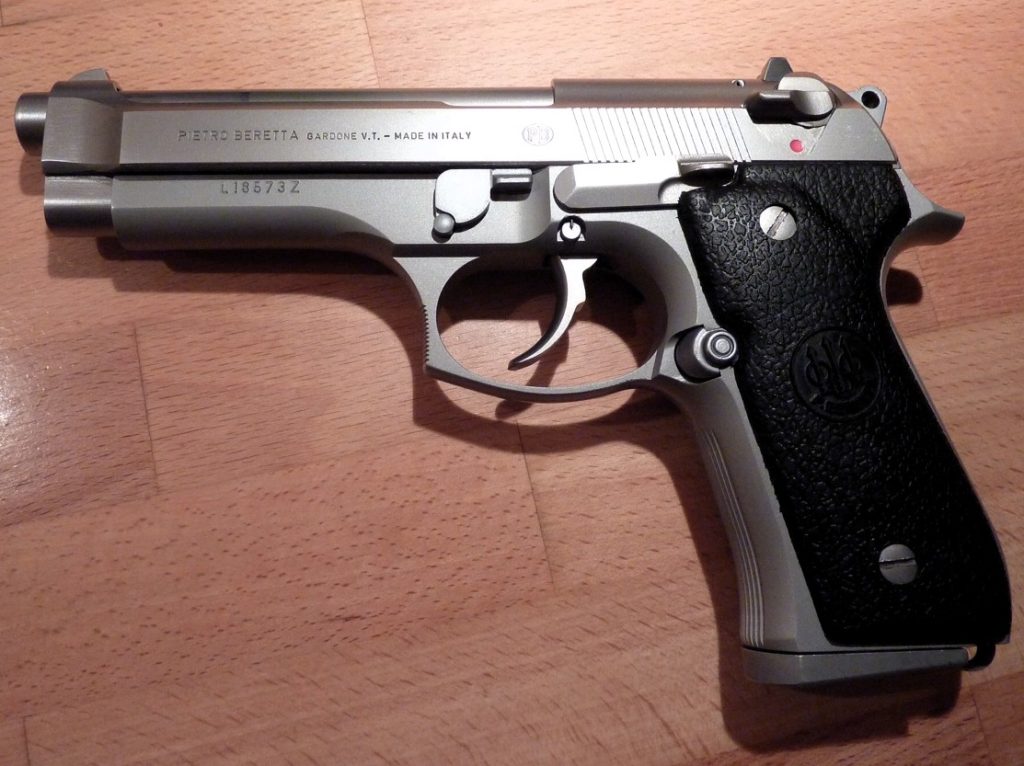
3. Beretta 92 / M9
The Beretta 92 family survived as a mass-issue sidearm since it tended to feed and cycle with reliability that increased with size of institution. The open-slide design and locking mechanism are key to that reputation, especially regarding the reliability of maintaining ejection and minimizing the chance of some types of stoppages that are frequent with other designs of slide enclosure.
The designation M9 is important in U.S. service as it symbolizes the decades-old machine of logistics the pistol is the symbol of: training philosophy, parts pipeline, magazines, and armorer skills. In 1985, the U.S. Army came up with the Beretta 92F which was used as the M9, which has a backstory of how it came to be the 9mm M9. Subsequent revisions incorporated rails and other details, although the meat of the story is the same: an enormous, shootable metal pistol that could be made to run eternally by organizations.
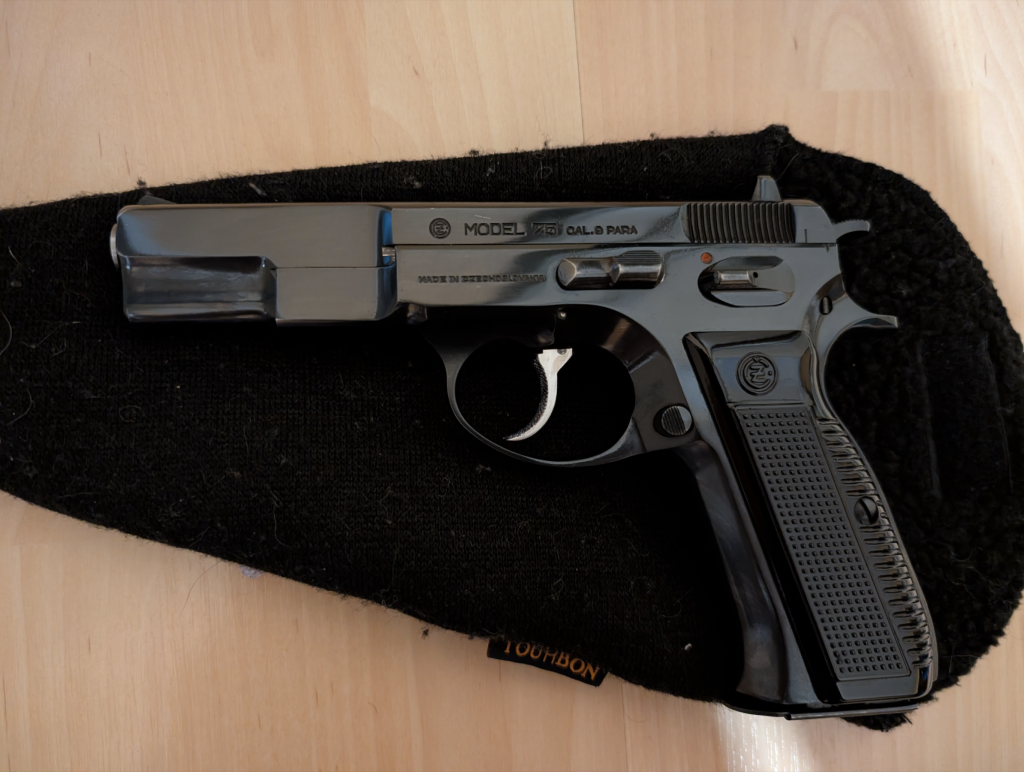
4. CZ 75
The CZ 75 was introduced in 1975 and combining an all-steel frame with internal slide rails, produced a different feel of the slide motion than most external-rail pistols. That rail geometry, a Browning-style linkless cam system, and a DA/SA trigger, would bring the platform a legacy of controllability and accuracy that would long exceed its Cold War roots.
Since the extensive protection of patents internationally could not be achieved by then, the impact of the CZ 75 became extensive because of the proliferation of cloning an engineering compliment that also scrumbled the historical account of who constructed which. Still, the traditional pattern remains as visibly appealing as ever a grip shape that most shooters seem to fit with, and recoil dynamics that are friendly to handing with steel weight and a low, smooth slide action.
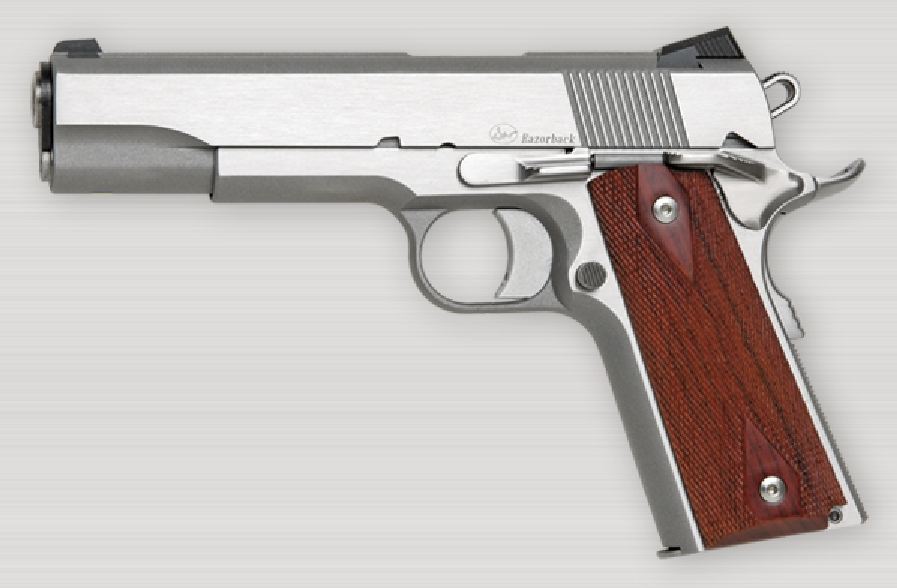
5. M1911 (and the 1911A1 evolution)
The touch of a single-action service pistol in 1911 is the standard against which one can judge what it may be like when the trigger, the angle of the grip, and the recoil impression hit in unison. It was conceived in a time when smokeless powder and autoloaders were reinventing sidearms, and its early institutional credibility was established by punitive standards of evaluation.
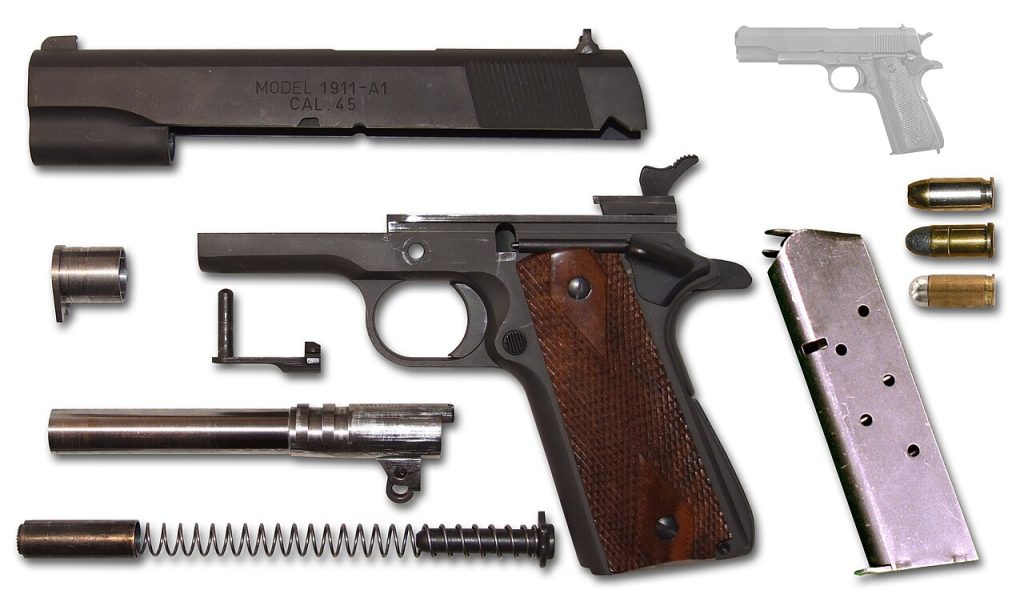
In one of the most-often quoted tests of such robustness, the sample of John Browning supposedly fired 6,000 rounds over 2 days without failures even after it was cooled in water by overheating. Subsequent ergonomic innovations eventually led to the 1911A1 design, although the fundamentally mechanical concept remained the same. The platform has continued to be frequently relied upon in elite use in the modern day, sometimes with the support of armorers, magazines tuned, and disciplined; all of which large conscript forces can deliver far less effectively than a specialized unit.
6. Browning Hi-Power
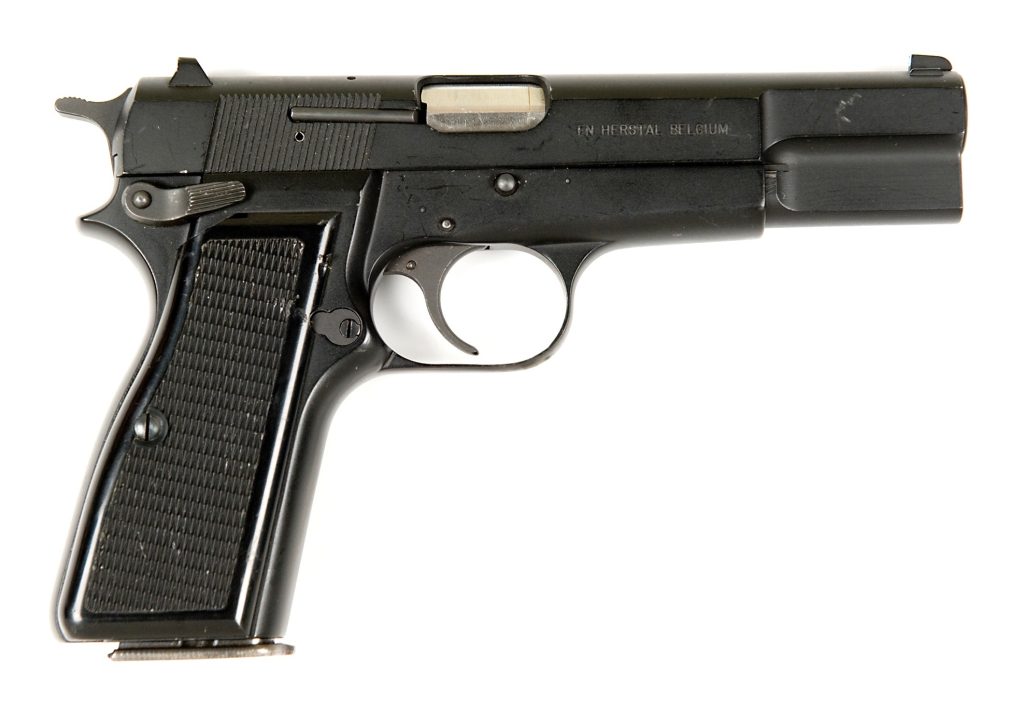
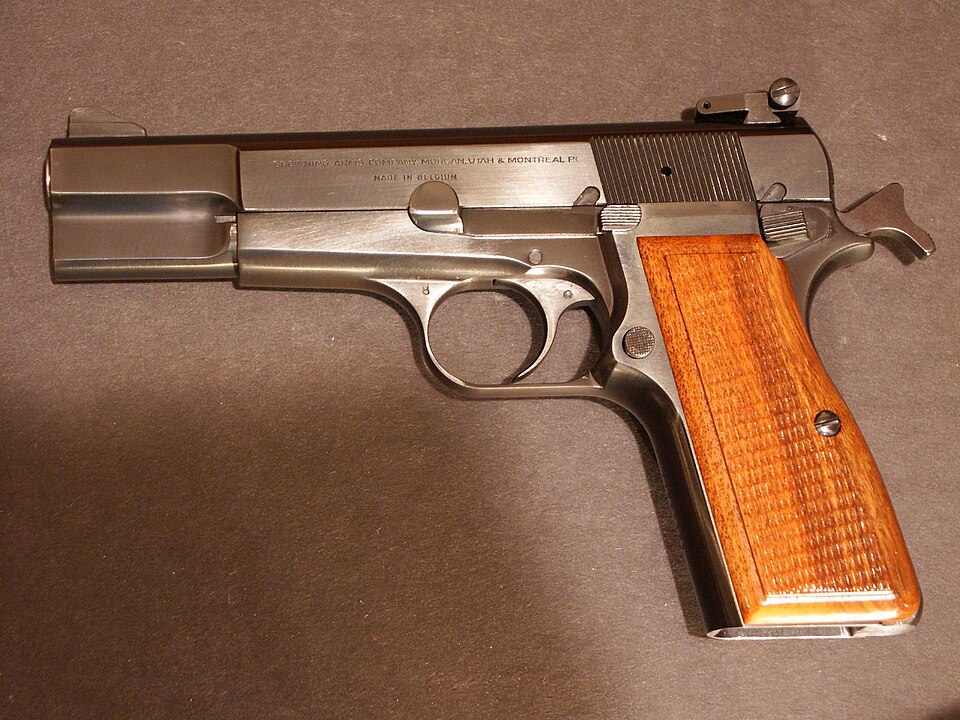
The fame of the Hi-Power is enduring, not merely historical, it is engineering in nature. Its 13-round double-stack magazine was a significant advancement of its time, and it was packaged in a package that remained comparatively slim in the hand. It is also among the brightest instances of how a single-action pistol could be viable in the case of the geometry and balance of the grip promoting speed and accuracy.
It has a long history of service worldwide, with a number of militaries and special users making it their own. As time passed the design had useful refinements like that of 1962 which included the change to an external extractor to enhance stability and lifetime. The manual safety and the cocked-and-locked carry require competence, however the layout behind the scenes is why the Hi-Power became the benchmark of what a high capacity metal service pistol could have been.
In these designs there is one unifying factor: it is not romance with steel and alloy. It is repeatable performance: foreseeable recoil action, frames resistant to flex, and mechanical structures, institutions became familiar with in the stress of things.
These pistols are still useful as the case studies of what occurs when engineering options, such as weight, lockwork, feed geometry, and human factors are proven over decades rather than product cycles even in a polymer-dominant world.


