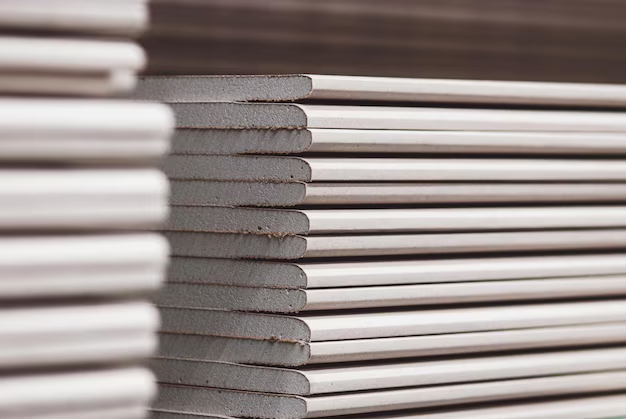
Drywall is hard until it is requested to perform a task which it was not created to perform. The same gypsum panels that allow one to easily remodel a home, also provide a terrible illusion of how the interior wall can become a kind of cover during a handgun crisis.
To the inside building, it is more or less like hiding rather than safeguarding. The point occurs as to why this is important since the common defensive handgun ammunition is designed to penetrate, whether it be through clothing, through intermediate materials or sometimes through multiple rooms.
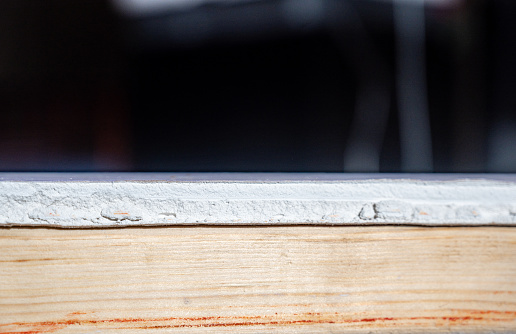
1. Drywall Is Not Protection, It is Concealment
Normal residential walls are usually built on dry walls over a framework with no space in between. Those walls conceal objects and people, but they are not always effective at stopping handgun shots. The moral of the story is straightforward: there is no wall in most residential houses that would be impenetrable to bullets (drywall + studs). Even in cases where a stud is struck, the outcome is not a reliable case of bullet trap, as the hits will depend on the angle, the construction of the bullet and the point where the stud is hit.
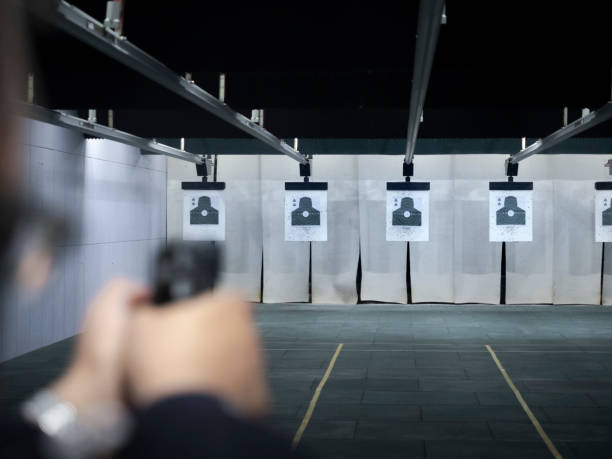
2. The Handgun Advantage indoors is Small-scale and Special
Bullets fired by handguns typically have lower velocity than by rifles, and may have lower wall-to-wall energy than much of the rifles. That does not make a pistol the safe-in-the-house option. It simply means that handguns would not be so susceptible to high-energy, room-spanning penetration like many rifles, but would still have sufficient energy to cut through common interior materials. The risk calculation is still all about what is going to be behind the target and not trusting the drywall.
3. Aimed at prevention, is often aimed at penetration
Defensive ammunition is designed with the approach of achieving critical anatomy at angles that are imperfect and under inadequate circumstances. The most commonly used yardstick is the 12 to 18 inches penetration window in gelatin that is calibrated and is supposed to be sufficient to penetrate vital organs upon real-life complications.
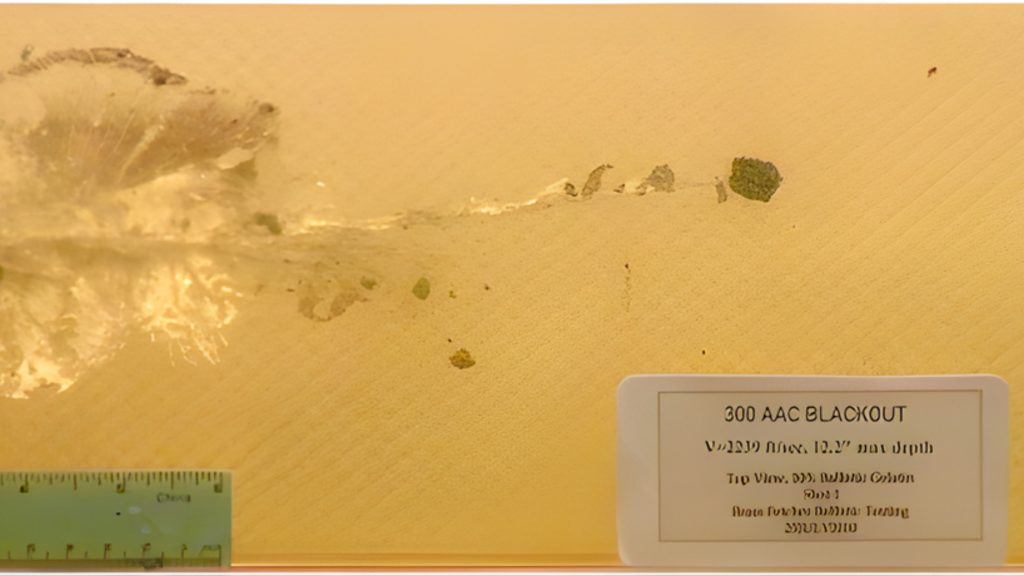
The interior implication of that design logic is that, even those cartridges that can be reliably penetrated in simulated tissue, can penetrate household barriers. The culture of testing modern duty ammunition also considers the performance of barriers normal, such as wallboard. That is, the same reliability which causes a load to act predictably during test can become the predictability to continue on its travel once in contact with drywall, particularly in cases where misses exist.

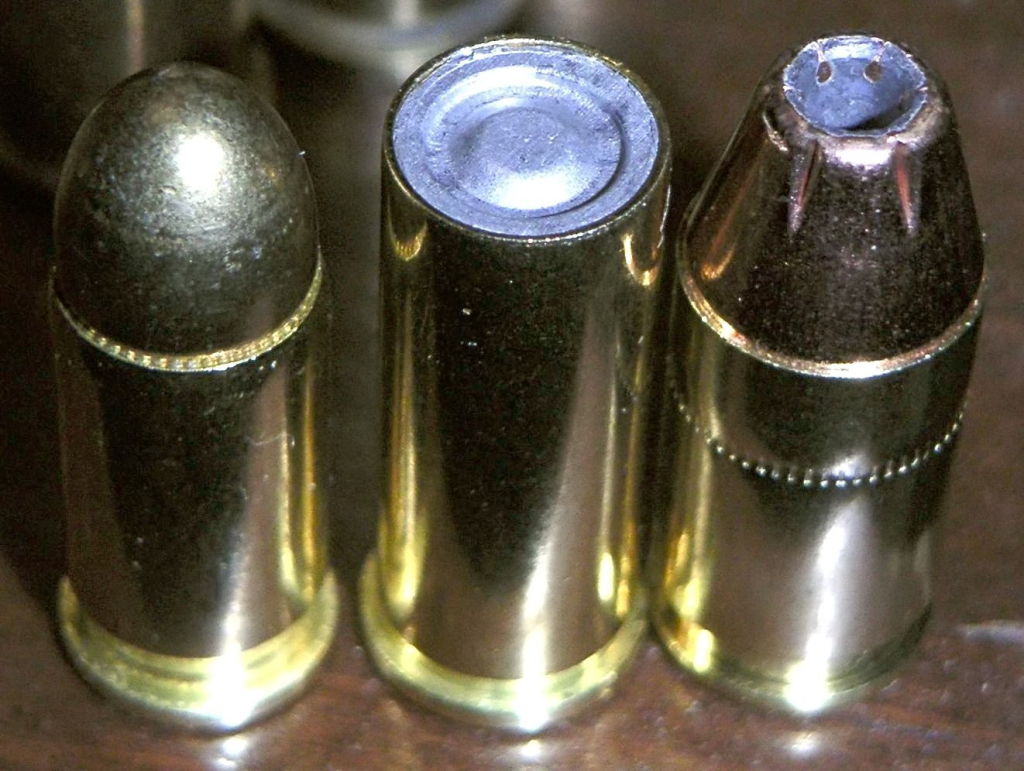
4. Hollow Points Don’t Overpenetration Is Not a Rule
The hollow point is typically used since it can reduce the speed of a bullet in soft tissue, creating more energy transfer and lessening the possibility of exit as opposed to non-expanding designs. However, it is not a surety of growth. The type of clothing used, the intermediate barrier, and the design of the projectile all affect the behavior of the hollow point to either mushroom as intended, or act more like a non-expanding round.
The problem with the wall arises even in case of tissue expansion: drywall is not tissue. It is possible that the bullet deforms, turns sideways, or sheds material, but is likely to remain intact enough to continue moving through interior partitions. The use of a hollow point as a wall-safe solution makes the choice of ammunition a mirage.
5. FMJ and High Velocity Loads tended to persist
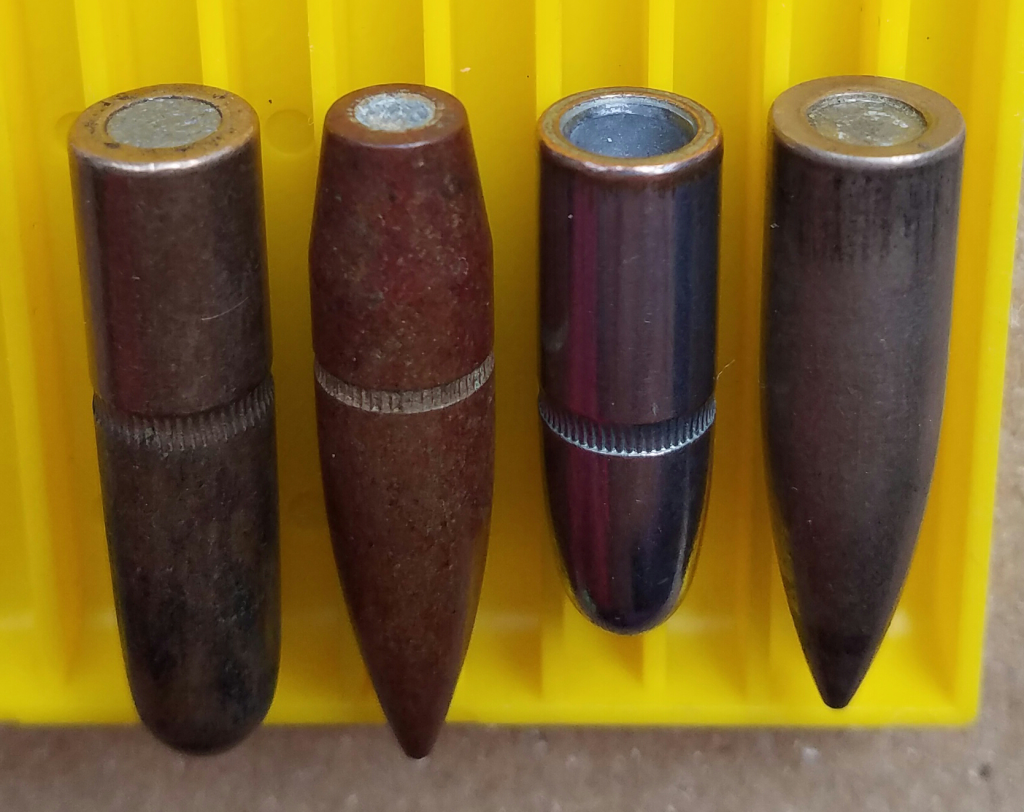
Full metal jacket handgun rounds are not designed to expand, but to feed and penetrate in a straight line. At the inside, that bias may manifest itself as higher pass-throughing behavior, either through softer targets, or through walls or both. Another variable that might be included with specialty handgun loads that are of high velocity is the increased speed: a higher speed might alter the behavior of a projectile on impact, but it will not turn drywall into a fortress.
6. The FBI Barrier Mindset Reason Why Wallboard is on the Menu
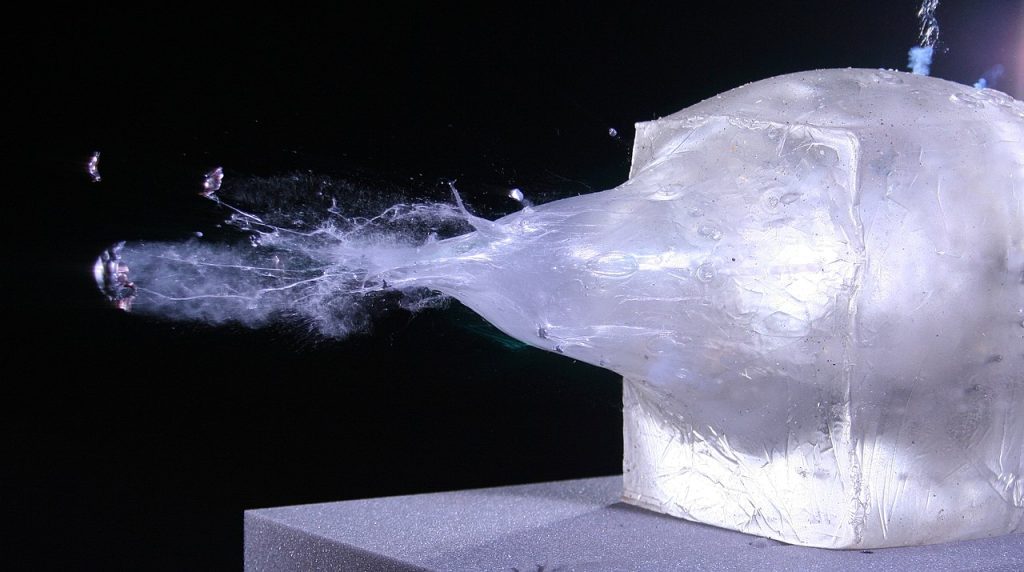
Standard testing of barriers that involve wallboard, plywood, sheet metal and auto glass determines modern development of duty-loads. Under the FBI-type, the ammunition is tested in calibrated 10 percent ordnance gelatin, and the tests are centered on penetration, expansion and weight retained. The wallboard event is due to the fact that real confrontations may include the use of intermediate materials; the protocol requests that the ammunition will not go out of action once such materials are met.
The latter is reasonable in case there is a possible threat that can be partially covered with ordinary buildings. Within a home, however, the same philosophy of keep performing after barriers can have a collision with narrow sightlines, thin walls and immediate neighbors.
7. We Should Reduce Risk, Not Trust Materials
Safety in the indoor environment is best enhanced when the environment is seen as a part of the issue. Store safe routes of fire, allow oneself to know which walls lead back to occupied rooms and know that exterior walls tend to prevent more than interior ones are viable measures that do not rely on a particular caliber or a purported market declaration. The use of light and training to distinguish between targets and backgrounds is important since misses and pass throughs are the foreseeable modes of failure in close quarters.

The essence of drywall is not that it is more strategic, but that it separates spaces; it does not prevent bullets. Handgun bullets are designed to penetrate sufficiently to cause injury in tissue, and home building is too thin to rely on as a protection.
The fact check is that a certain caliber is not the solution to the wall issue. This is because interior walls must be considered, at most, as a means of visual protection and all defensive schemes must take into consideration what a bullet will succeed in reaching once it has left the tip of the barrel.”


