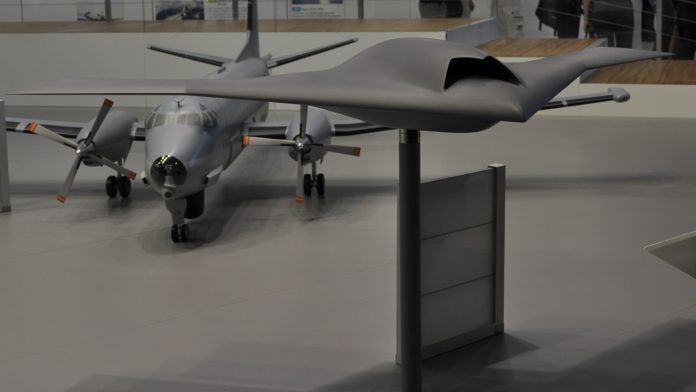
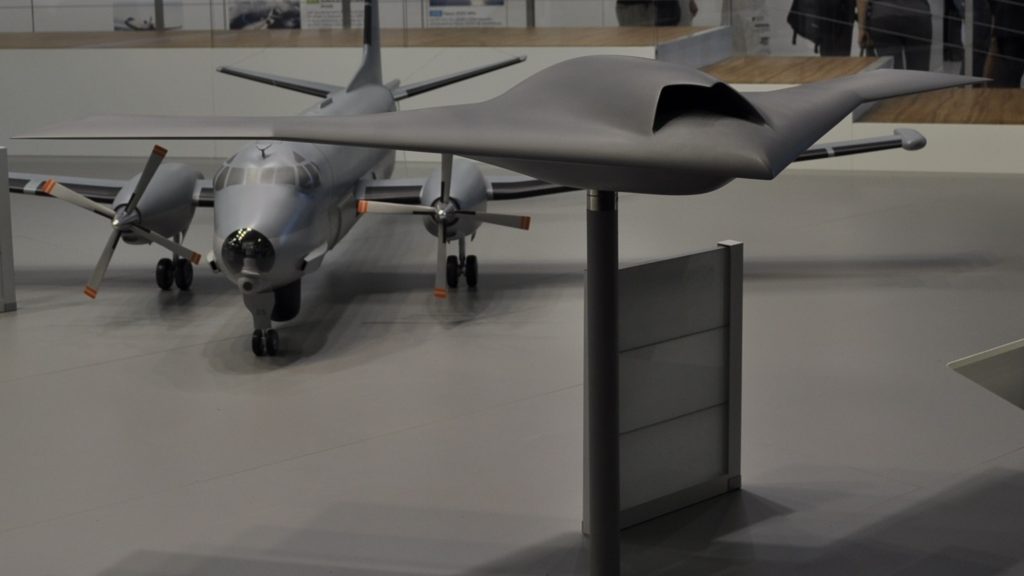
By the mid-2030s, the appearance of airpower will no longer be that of a collection of individual aircraft but instead a controlled web of sensors, decision aids and distributed effects. Collaborative Combat Aircraft (CCA) lie at the heart of that change because uncrewed teammates aim to add all capabilities of crews aircraft, without subjecting all sortsies to exposing a human cockpit to harm.
Airframes and weapon stations are not the only types of changes that have the most significant consequences. The actual turning point is the manner in which planning and command and control and the strike package composition are transformed by autonomy, networking and human-machine interfaces. The next eight points are specific ways that the CCAs are placed to transform the manner in which the present-day air forces contribute to combat power generation.
1. Turning mission packages into “systems of systems” instead of single-platform solutions
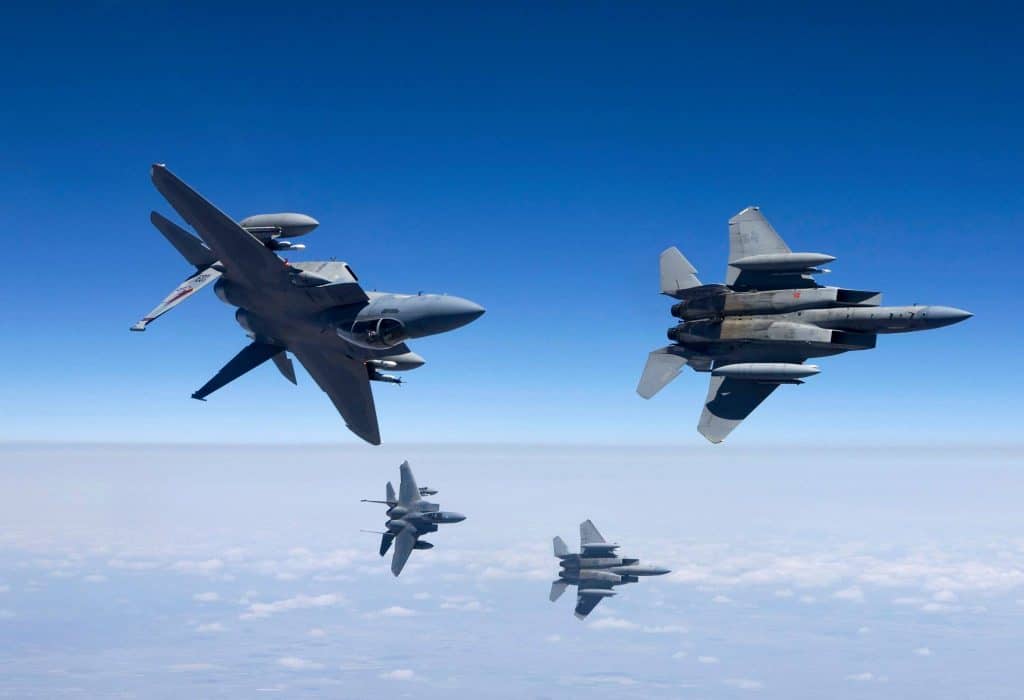
The concepts of CCA have focused on dispersing sensing, jamming, decoying, and strike to a team, as opposed to putting all the functions on a single exquisite jet. According to the Air Force, CCA is a subset of an integrated system-of-systems that produces a network of effects aimed at sensing, striking and shielding in a package. The importance of that change lies in the fact that it reverses the incentives in aircraft design payload bays, modular mission systems, and data links would become as central as raw kinematics. It also redefines the planning incentives, whereby operators are compelled to consider load-sharing, redundancy and graceful degradation of nodes when they are lost or degraded.
2. Compressing battle management timelines with machine-generated courses of action
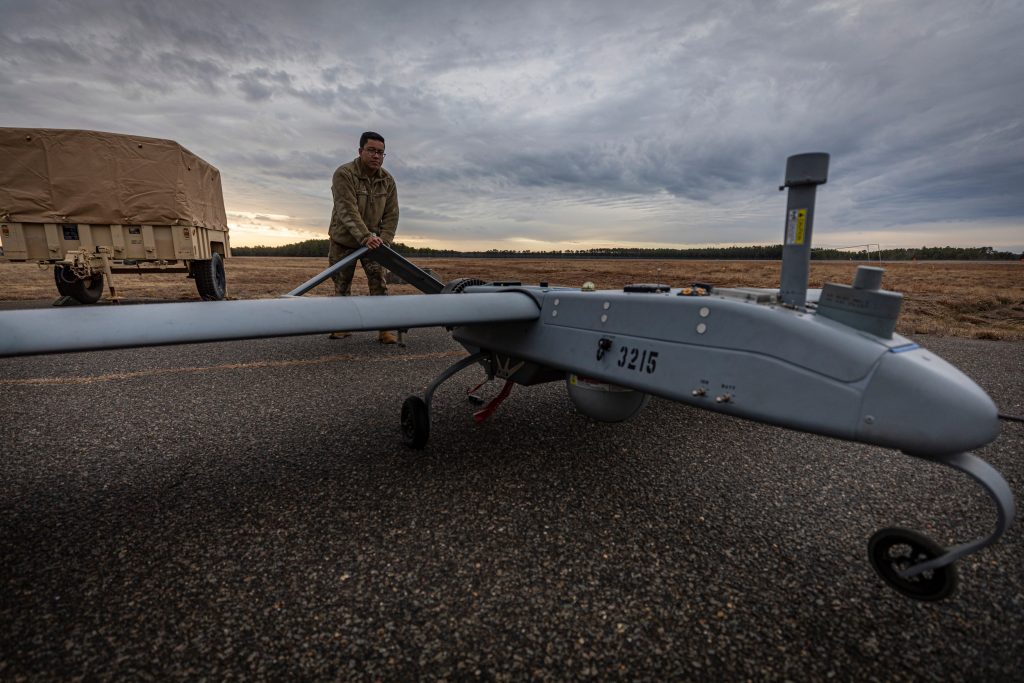
Speed-of-relevance is an already foreign concept in air battle management: too many tracks, too many constraints, too few minutes. In an experimentation related to the Decision Advantage Sprint on Human-Machine Teaming, AI tools created multi-domain courses of action at a significantly higher rate compared to the human workflow. One Air Force leader stated: “AI systems were able to produce multi-domain COAs with regard to risk, fuel, time constraints, force packaging, and geospatial routing in less than one minute and that the best results were 97% viable as well as 97% tactically valid. The need to generate COA faster serves to maintain consistency within the team as the plans have to be rewritten numerous times due to the changing routes, tanking, threat, and emission control criteria.
3. Making “risk-tolerant mass” a design feature, not an emergency measure
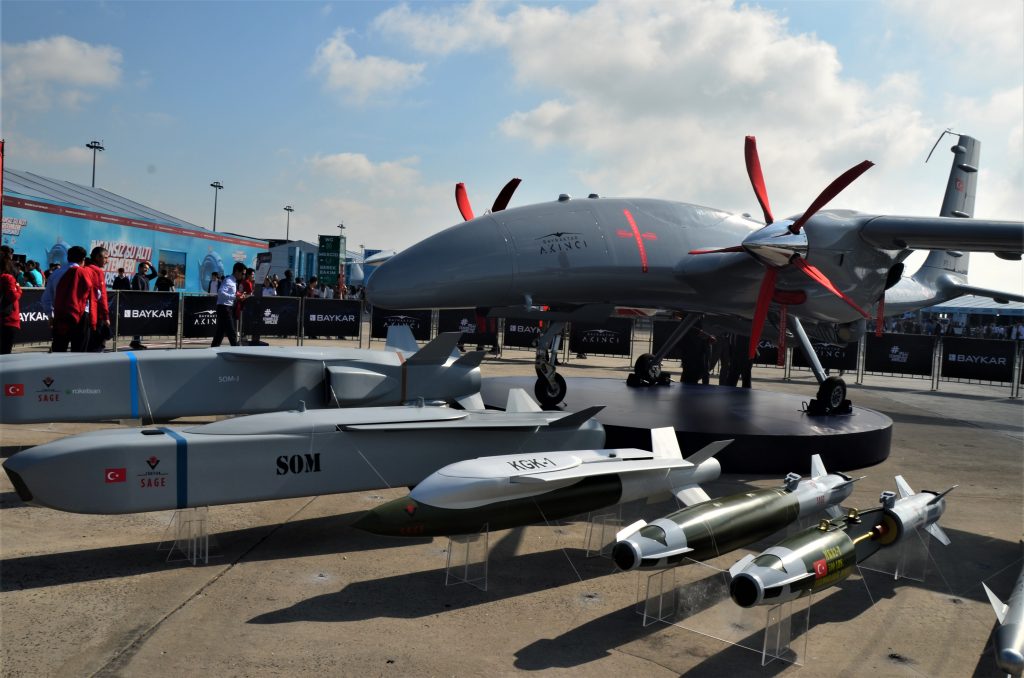
CCA programs are specifically designed around deploying low cost, risk tolerant aircraft that can be handed the higher attrition risk compared to crewed platforms with a still providing significant combat effect. This is not to say that cheap is disposable, but it does change the way commanders can distribute risk in a package: an uncrewed element is able to probe, loiter, or serve as the apparent emitter when an uncrewed jet cannot. Overall, such changes necessitate planning as they enable capacity scaling not just by numbers and specialization of roles but also by increasingly complex crews.
4. Moving weapons integration from concept art to disciplined airworthiness reality
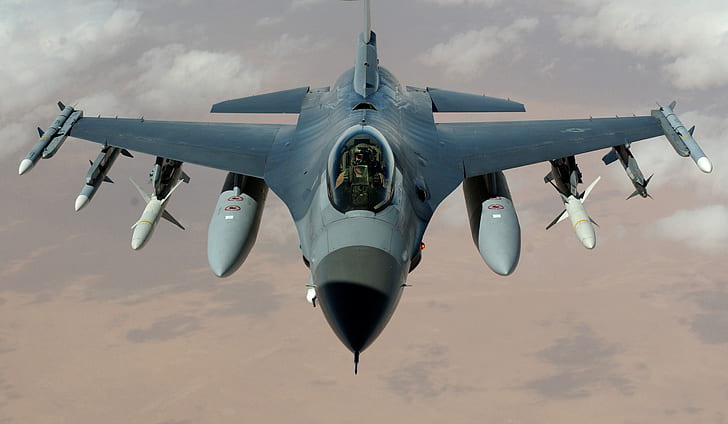
The ugliness of work is one of the most obvious signs of maturity: captive-carry, separation and systems safety. The Air Force has reported that it has begun captive carry testing with inert test munitions to certify airworthiness, structural integrity, aerodynamic performance and aircraft-weapon interoperability. This is important as the transition between the so-called autonomous aircraft and the so-called autonomous aircraft as the element of the tactical weapons employment is the point where the programs traditionally decelerate. Although humans can still exercise the weapons-release authority, the aircraft still needs to safely carry stores, deal with edge-of-envelope situations, and be predictable in a formation.
5. Redefining electronic warfare and deception as scalable “off-board” functions
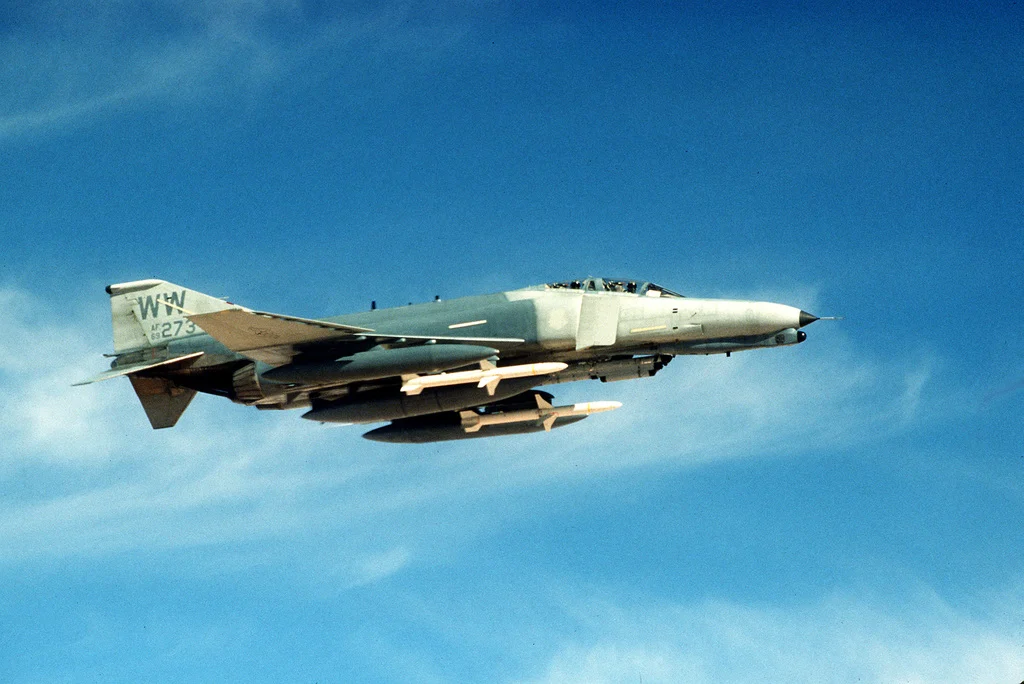
Electronic attack, decoying and signature management are more and more rewarding of distribution. A CCA may be configured to issue jamming payloads, or serve as a stand-in emitter, enabling crewed aircraft to be more silent or further away. More general unmanned airplane designs already consider electronic warfare operations and decoy operations as being well-adapted to uncrewed systems since high power emissions increase detectability and threat. Air packages can spend signatures more mindfully when these functions are off-boarded, showing the platform that the mission can get away with losing, but not the platform it cannot.
6. Forcing cockpit design to evolve around teaming, not just flying and fighting
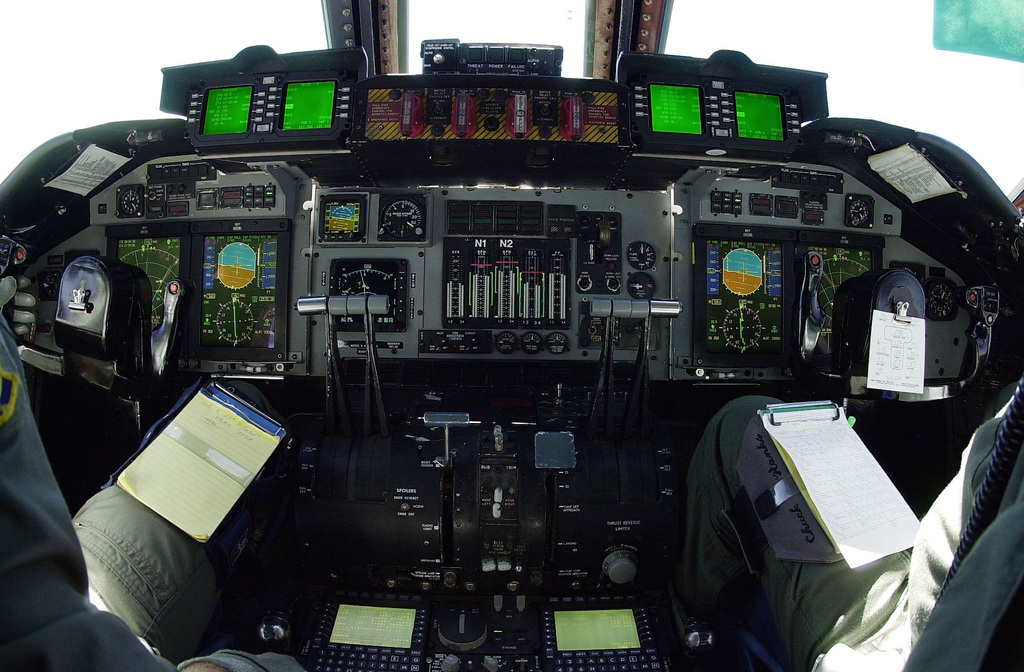
The limitation to the effectiveness of CCA does not lie in the fact that an uncrewed aircraft can fly but in the fact that humans are able to control it in stressful circumstances. The three issues that the team is encountering are workload, trust, and interface design. According to research on autonomy and human teaming, it is claimed that engineering human factors should be viewed as a first principle, and warfighters should influence the way the CCAs convey and communicate intent, recognize constraints, and exchange situational awareness. It also points to the need to dial autonomy up or down that is to switch between directive (tight supervision) and descriptive (goal-based tasking) control as task saturation and trust vary. When the CCA behavior cannot be legible because of the cockpit symbology and workflows, the presence of additional uncrewed aircraft can be an additional detriment rather than an asset.
7. Shifting training from platform proficiency to team proficiency
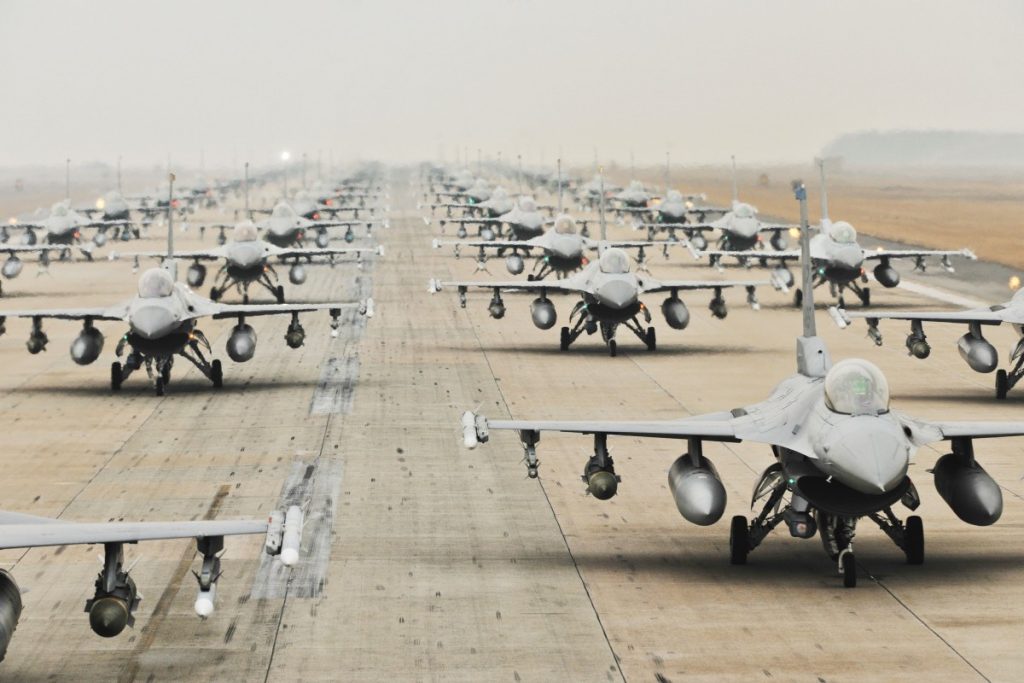
CCA also adds a new level of proficiency, not the level of how a pilot flies, but how consistently a mixed team plans and executes and debriefs with man and machine roles. Experimentation has revealed that trust is enhanced through practical experience; one of the participants said, Since I had doubts regarding the introduction of technology in decision-making, they said, I was skeptical about this concept. Nevertheless, when I worked with the tools, I realized how timesaving and user-friendly they might be. The AI did not displace us: it provided us with a good base on which to develop. With the maturity of these systems, the routine training sorties and mass-force exercises are no longer about envelope practice of a single platform, but instead of information exchange, control modes, lost-link behaviour and division of labour across the formation are rehearsed.
8. Expanding coalition interoperability by standardizing machine teammates
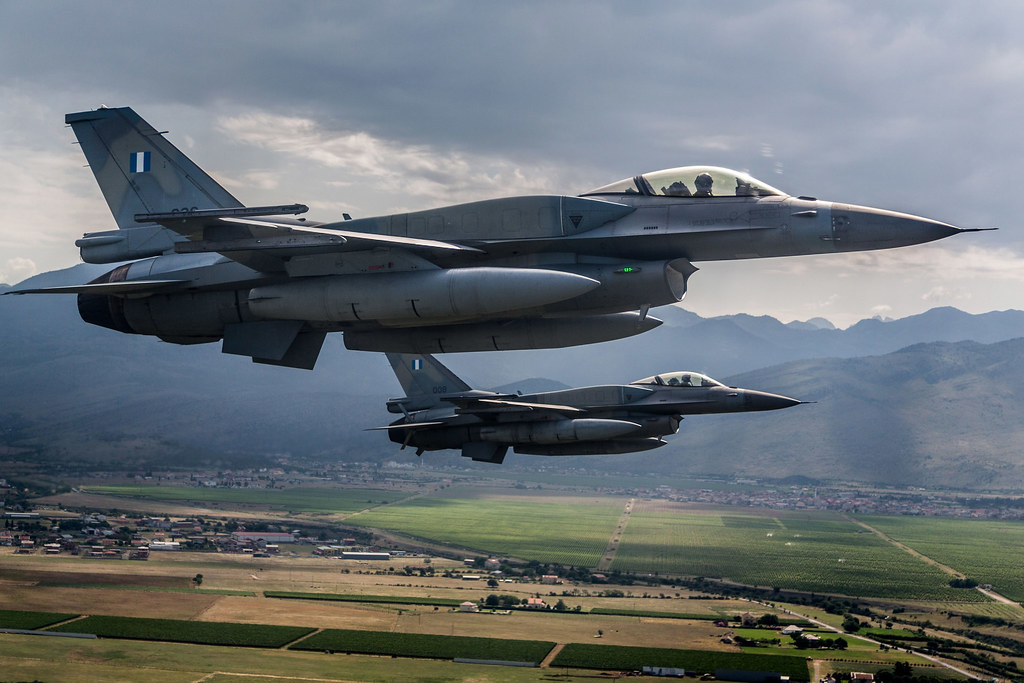
Coalition airpower has always been as much about interoperability as it is about aircraft performance. Human-machine teaming experiments have already included allied operators, with organizers emphasizing the value of low-barrier participation and common decision tools. In the DASH series, multinational teams worked in a coalition-led simulated scenario; a Canadian participant said, “We understand that the next conflict cannot be won alone without the help of machine teammates and supported by our allies.” Shared autonomy standards, data formats, and trust-building training pipelines would make CCAs not just a national capability but a coalition force-multiplier especially when the same mission package may combine sensors, relays, and shooters from multiple air arms.
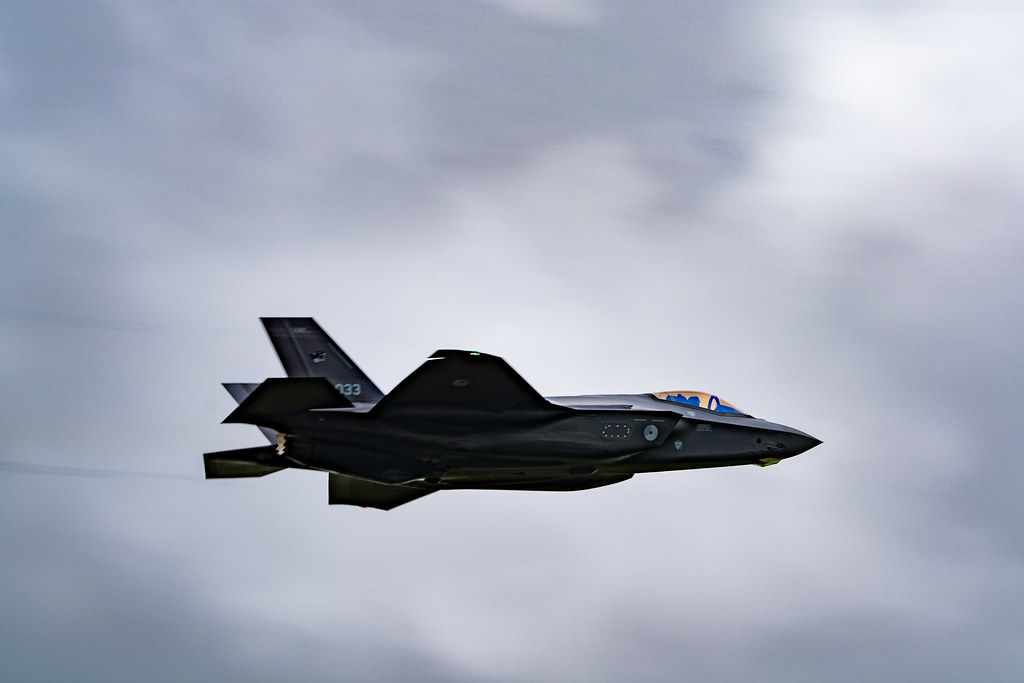
CCA is often discussed as an aircraft program, but the deeper story is organizational and architectural: how air forces plan, allocate risk, and manage time in the air domain. The technologies most likely to matter by 2035 are the ones that make mixed teams understandable, controllable, and interoperable at scale. If those conditions are met, CCAs will not merely add extra tails to the ramp. They will change what a “formation” means turning it into a coordinated, adaptive system where humans set intent and machines expand the option space.


