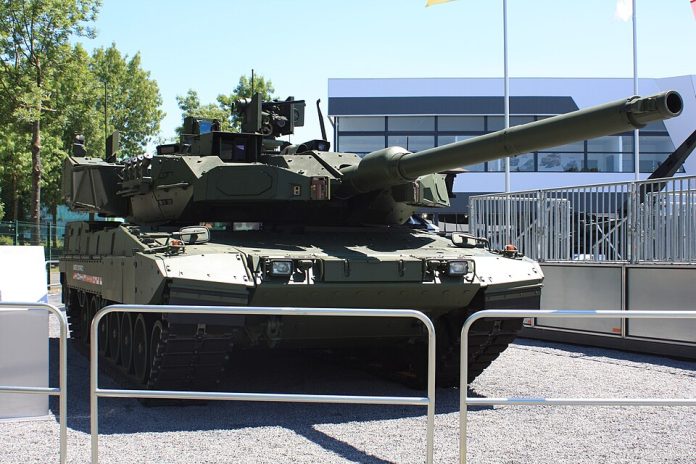
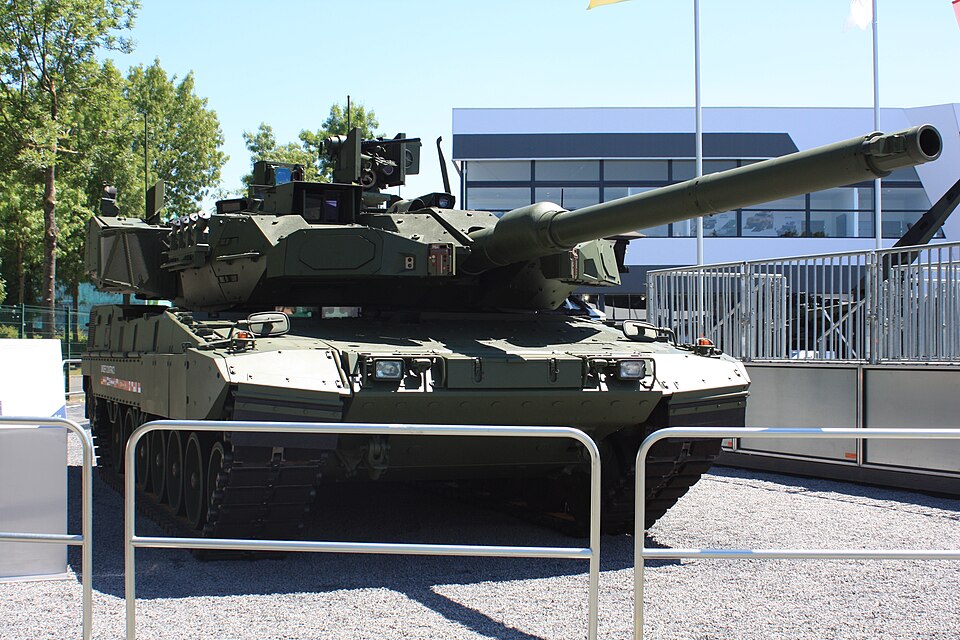
By 2026, the “largest tank” is no longer easily translated to the heaviest gun or the heaviest armour. The platforms that are leading the pack are a combination of protection, firepower, mobility, and more and more, the digital plumbing that allows crews to see first, shoot first, and remain connected when faced with pressure.
The best designs have a common theme across major Western as well as other allied fleets: survivability in layers (including hard-kill active protection), current thermal vision and sensor fusion, and a network that has transformed a tank into a part of a greater combat platform rather than a solitary metallic fist. Five tanks are used to show what that engineering mix will look like on the ground in 2026.
1. Leopard 2A8
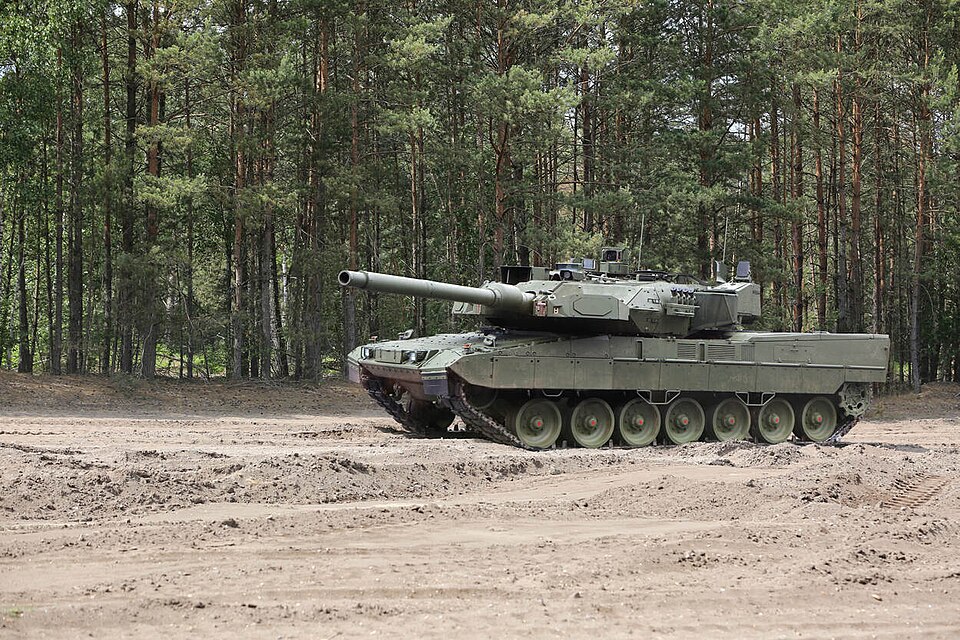
The Leopard 2 line of Germany is still a standard with the European heavy armor, and the recent one takes the lean towards a concept of the digital shield. The Leopard 2A8 is designed upon a re-engineered electronic backbone, and plans to combine modernized optronics with a stratified protection concept, which views incoming missiles, drones and top-attacks threats as a point-zero design driver. The mass of the tank used in German configuration is approximately 68 tonnes of combat mass but again, it still uses a 1,500 hp powerpack to maintain its cross-country capabilities as the armor increases.
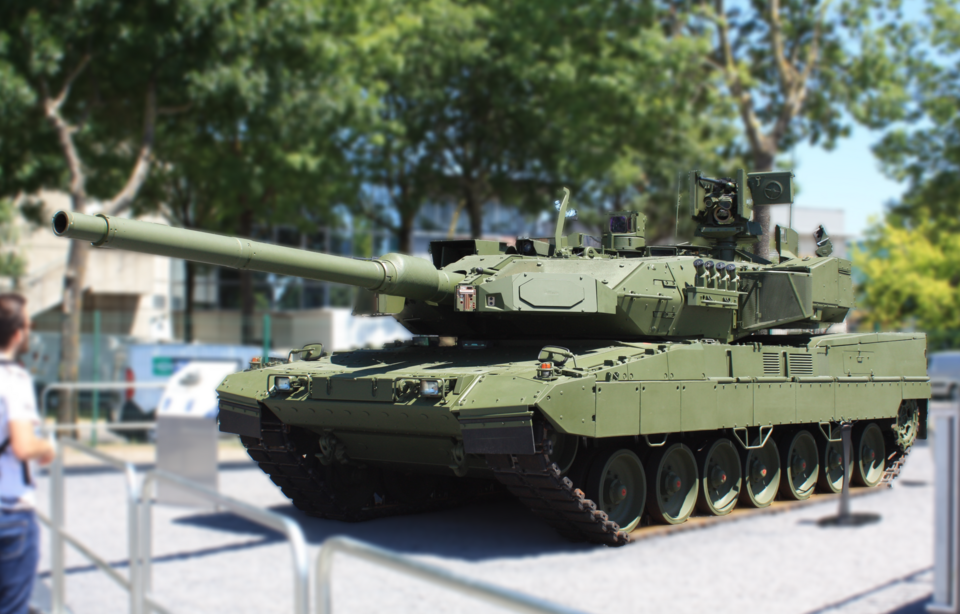
Its highlight is the Rheinmetall L55A1 120 mm smoothbore gun, though the more drastic change is durability: a comprehensive industrial implementation of a hard-kill active defence solution with the support of modern threat-detection and situational awareness instruments. As a matter of fact the Leopard is superior due to its ability to detect, classify, and engage quickly with the crew being kept secure when the battlefield is swamped with precision killers.
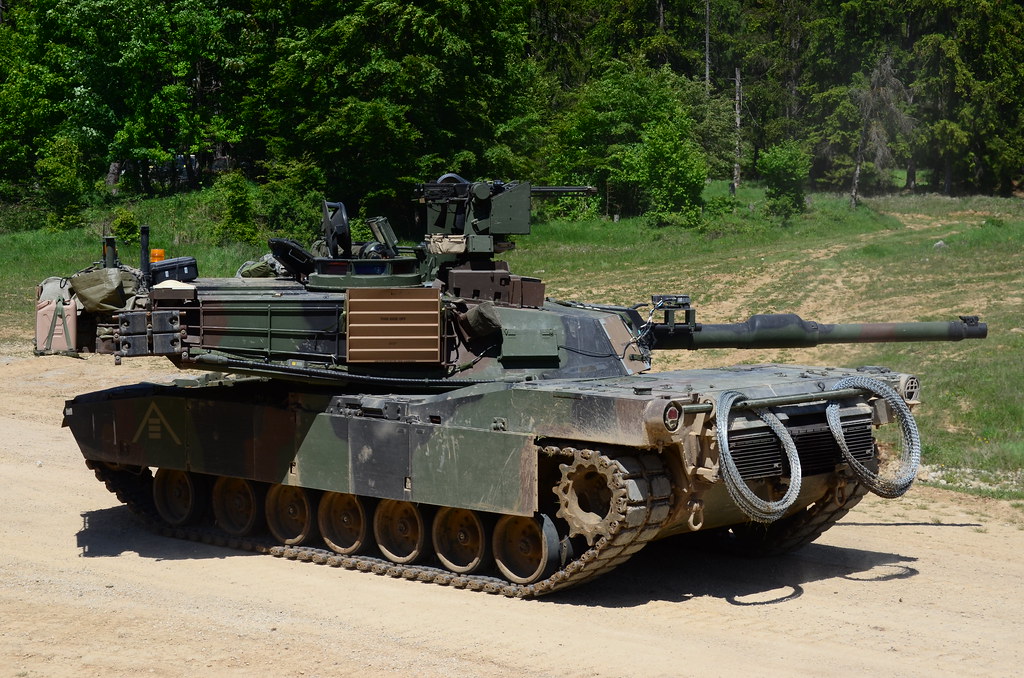
2. M1A2 Abrams (SEPv3)
M1A2 SEPv3 continues to be a prototype of a heavy tank that has continued to incorporate new electronics and survivability systems without having to redesign the base. It has a 120 mm M256 smoothbore that allows modern ammunition types and is designed to add reliability and onboard power distribution to handle a growing sensor-and-network load. The difference between the SEPv3 and its predecessor is that digitization is considered to be a multiplier of combat: improved thermal sight, enhanced displays, and networking that helps to make the tank a part of the modern command-and-control, but not an isolated shooter.
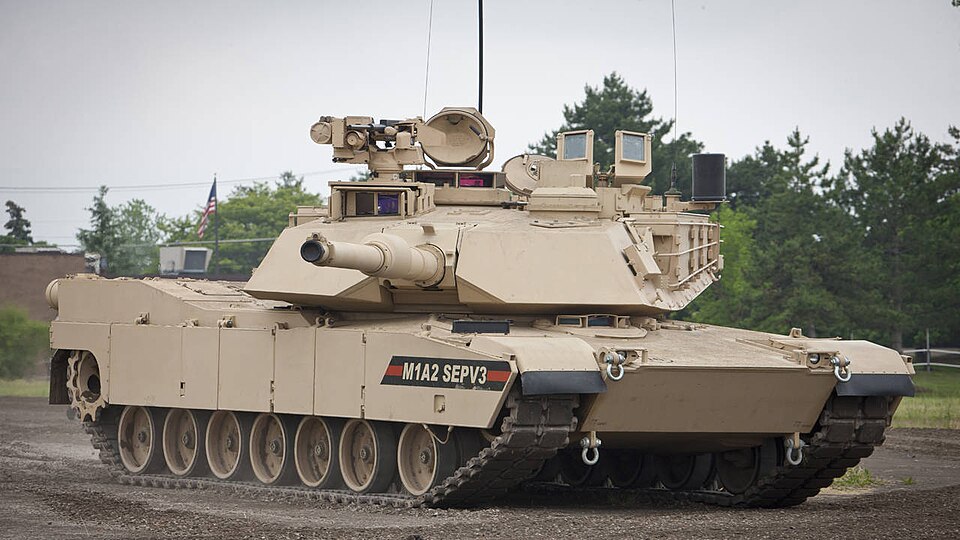
The wider Abrams modernization program has been long concerned with under-armor power, computing and improvement of soldier-machine interface to the point where an architecture that admits of periodic upgrades rather than enforces reinvention is developed. The program background states the SEP approach that incorporates features such as an Under Armor Auxiliary Power Unit (UAAPU) and a more open electronics stack, which is important in silent watch use and in high-performance sensor applications. The similarity with hard-kill APS options is also helpful to Abrams survivability, but the inherent limitation of the system continues to be the weight increase with protection and electronic additions.
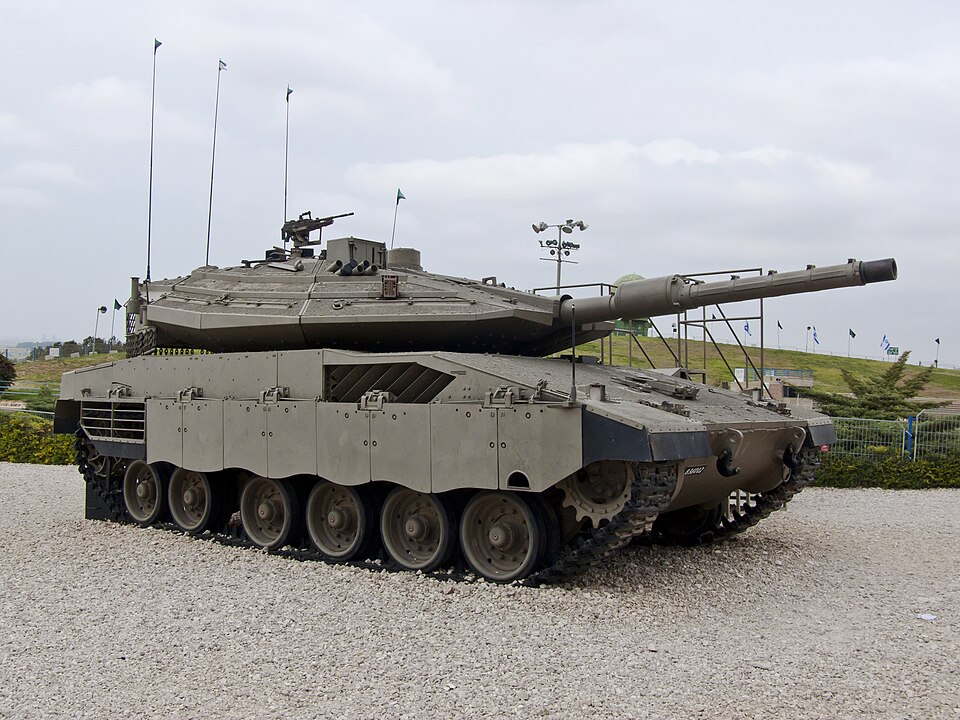
3. Merkava Mk 4 “Barak”
The Merkava Mk 4 Barak of Israel is an expression of a different design philosophy: the human-machine teaming and the core concept of survivability of crew-assist automation, not a bolt-on. The mission computer of the Barak is threat-priority and faster in engagement decision-making, and a helmet-based views system provides the crew with full-surround view that assists their orientation in a crowded terrain. The given strategy addresses a realistic issue of the contemporary armored fighting: despite enormous armor and an effective gun, the crews may be overwhelmed by the volume of potential threats and the rate of their occurrence.
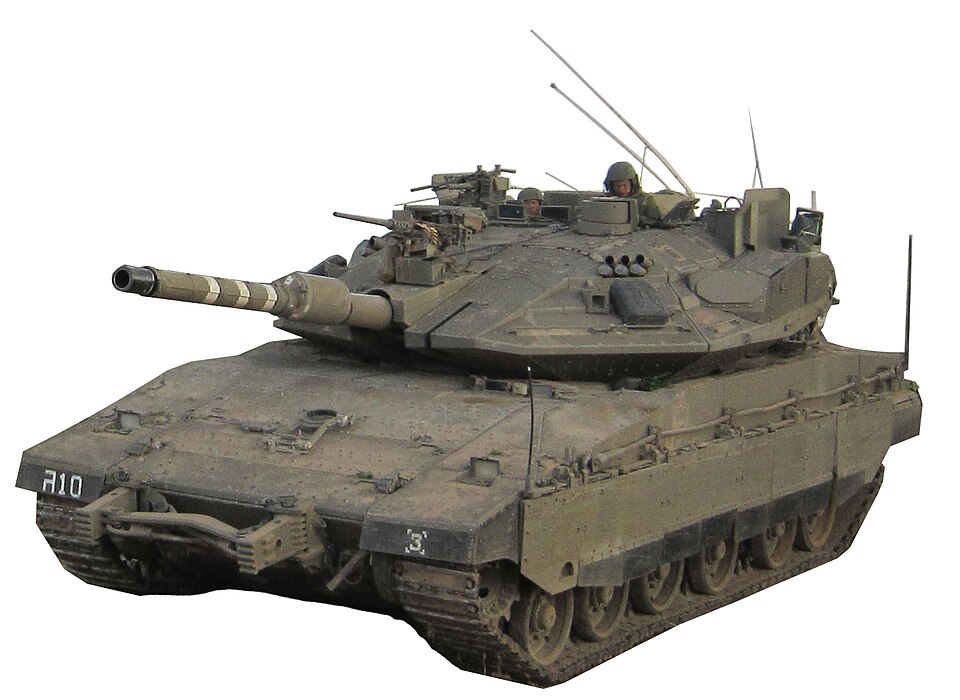
The Trophy hard-kill APS is also part of the Barak arsenal and this system has had considerable exposure to a wide variety of operations, which has influenced the thinking of other tank programs regarding the concept of close-in defense. The engineering implication is that the Barak attributes cognition and visibility to the same level of significance as armor arrays and puts sensors and displays and automated cueing at the same rank of importance.
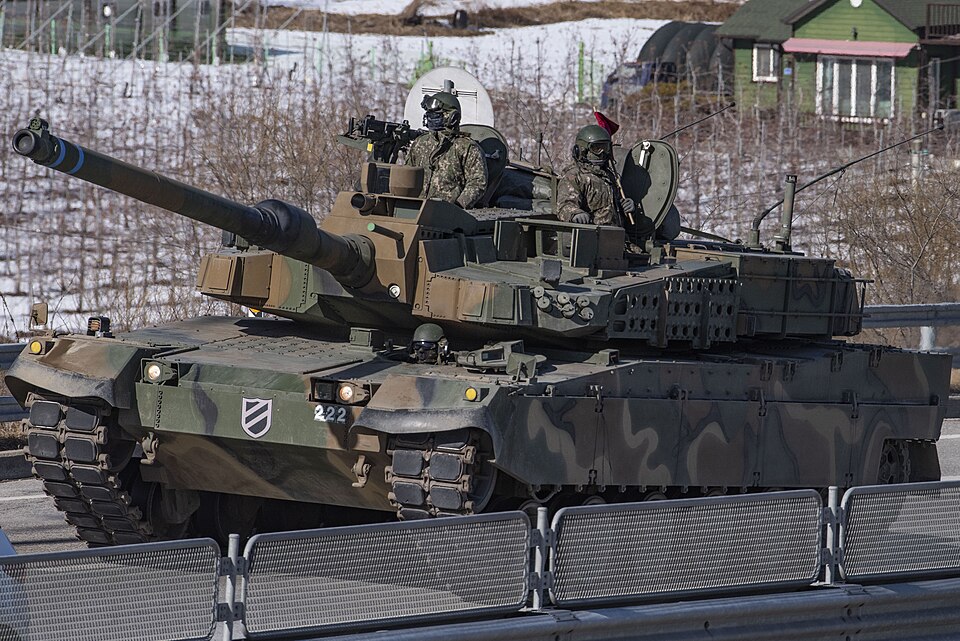
4. K2 Black Panther
The K2 Black Panther of South Korea has been noted as a modern-day mobility-first tank, however, retaining the capability to maintain the finest fire control and lethality. K2 The K2 mounts a 120 mm L/55 gun with an autoloader, which reduces the crew load, and provides a compact turret layout, and its hydropneumatic suspension provides the hull with the ability to raise, lower, or tip, to hull-down positions and difficult terrain. Its weight of approximately 56 tonnes remains significantly lower than most Western heavyweights and enhances tactical and operational flexibility without foregoing the possibility of protection growth with packaged modular armour. The sensor and fire-control package of the K2 also facilitates quick target recognition and first-shot success, which carries another theme in 2026-era best tanks: speed of detection and first-shot likelihood can often win even before raw armour thickness. Export-based evolution is also a factor here; the adjustments needed to fit the European customers have forced an extra evolutionary push, and the K2 family remains on a progressive modernization cycle.
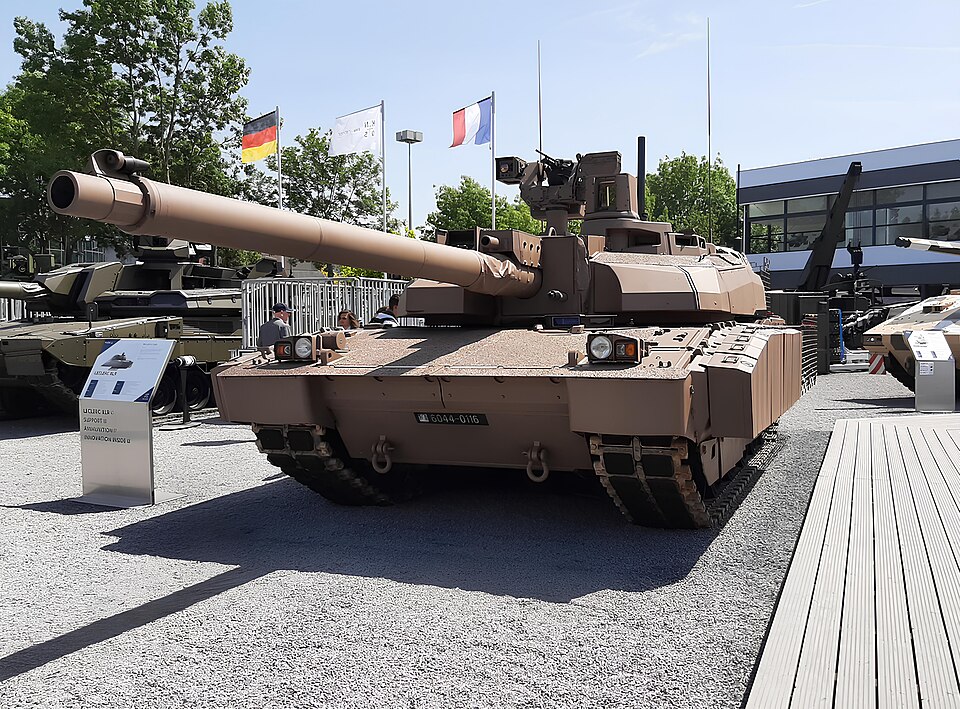
5. Leclerc XLR
The Leclerc XLR modernization of France demonstrates how old hulls can be driven up to networked war without necessarily creating a new hull. The XLR is associated with the SCORPION modernization strategy, which links the tank with a broader ecosystem of French armored vehicles and radios such that targeting information and situational reports can go faster than voice communications. The upgrade provides additional modern protection features, enhanced urban combat capabilities such as a remote weapons station, as well as a modern communications package intended to enable real-time coordination.
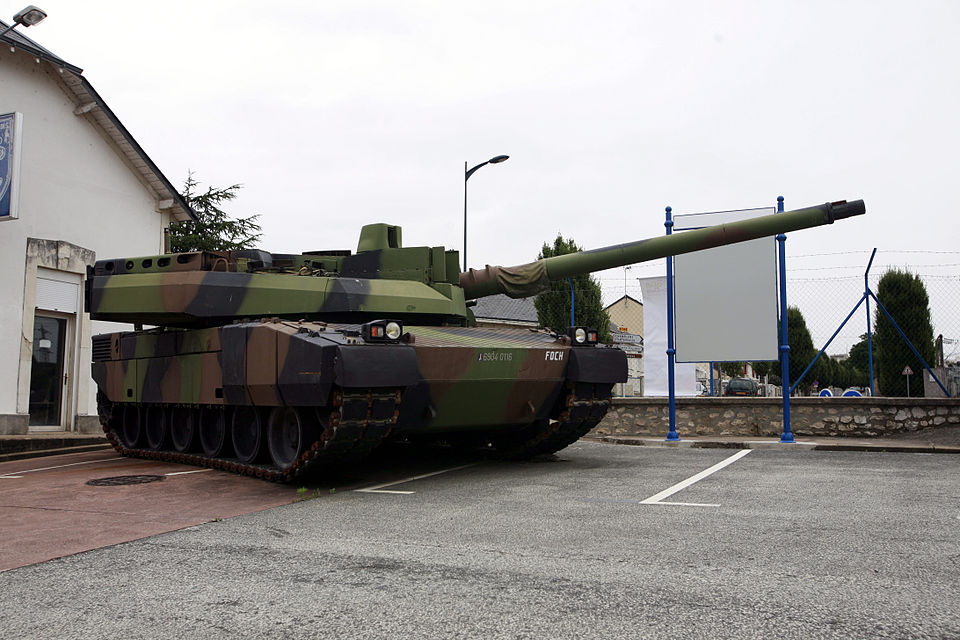
The autoloader in Leclerc is still the focus of its small, agile design, however modernization is now focused on the digital: the tank is no longer platform-centric but is more part of an information loop of combined arms. The plan of France is to modernize about 200 Leclercs by 2030-35 to reinforce a larger trend of 2026: capability is becoming more and more provided by structured upgrades and networking as well as by whole new tank programs.
In these five platforms, there is an underlying uniformity of engineering truth where survivability is stratified, and lethality is based on the speed with which the crew can construct an accurate picture and distribute it. The guns and armor will still be important but the ultimate blow in 2026 will be the sensors, power, software and the protection mechanisms that allow tanks enough time to take advantage of them. By architecture, not slogans, it is the tanks which rise to the top to continue improving them.


