Over the years, pistols with striker firing became the new definition of modern, and those with double-action/single-action (DA/SA) were regarded as a relic of the past. That segment has become inappropriate to what the shooters are actually requesting manufacturers to polish: controllable first-shot performance, quantifiable trigger performance and optics-ready hardware without forfeiting time-tested operating systems.
The silent aspect is that the DA/SA resurgence is not being caused solely by nostalgia. It is being driven by the fact that engineering changes are being made to enable the classic trigger system to be more quick to operate, easier to service, and more compatible with the modern shooting practices.
1. A heavier first pull is being refurred as a control feature.
The distinguishing feature of DA/SA is that the two-stage trigger, a heavier, more lengthy first pull that cocks and releases the hammer, then lighter single-action pulls once the slide has been cycled. The initial draw alters the gun behavior in the situation with the highest error rates, such as presentation, decision to shoot, and reholstering, since it requires intentional pressure, as opposed to a brief and consistent press. There are certain shooters, who especially appreciate first pull as some passive coating of safety. The idea is then put in simple numbers: a double-action pull of 10 to 13-pounds is harder to move accidentally than a lighter press, particularly when it is being handled by the administration. This same way of thinking is found in carry habits: the increase in appendix carry has increased the focus on the so-called layers, which minimizes the impact of a bad reholster. At that, DA/SA is not being considered as an ancient mechanism but being treated like a controllable interface between two human hands and a loaded chamber.
2. The modernization front has turned out to be reset distance
The concept of two trigger modes was not what made some older DA/SA pistols feel slow it was the distance and feel of the reset when rapid strings were required. That particular measure is being more and more the focus of modernization effort, as reset length is one of the simplest performance wins that are measurable and touchable on the range. The direction is depicted by aftermarket engineering. The Grayguns Short Reset Trigger (SRT) Kit is constructed of a re-engineered safety lever and a Bruce Gray designed sear, and attempts to shorten the reset travel by approximately 70 percent (based on initial settings). The detail sheet is as material and process note, a bar-stock steel sear, traditional machining, heat treat, stoning, and a nickel PTFE coating that was supposed to add smoothness and longevity. It is not that DA/SA has to be fixed because it will now be that reset engineering is the key to making the system competitive in terms of speed.
3. DA/SA pistols with competition orientation are revalidating the platform
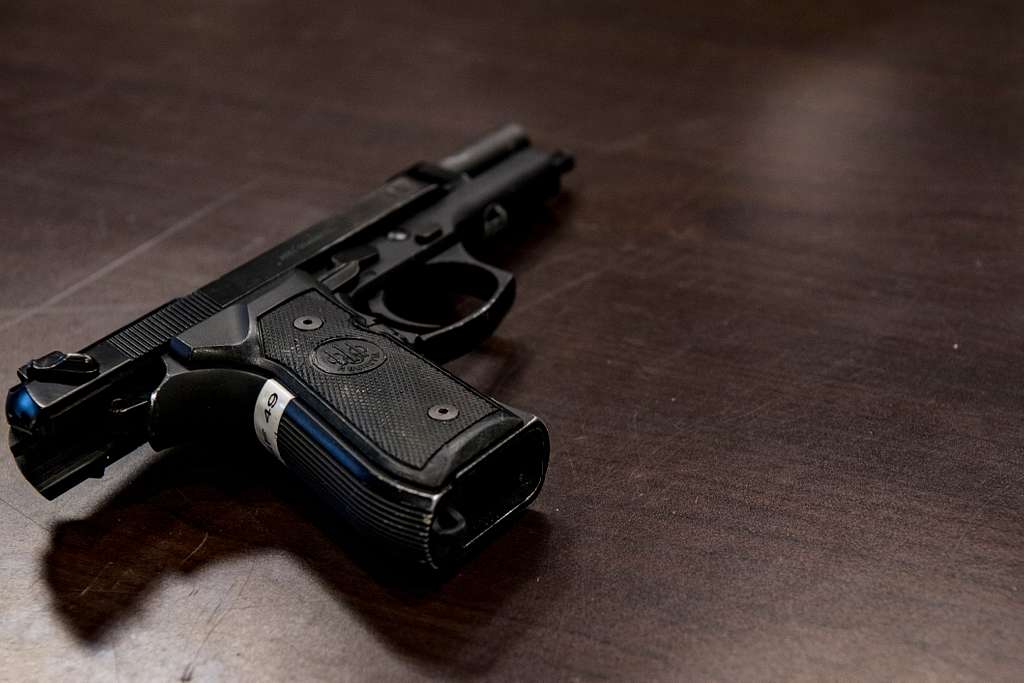
The comeback of DA/SA is also being made normal by the match-oriented models in which the trigger is operated in an adjustable system instead of being a non-functional heritage. That is, DA/SA is progressively being offered as tunable, take-up, break, and overtravel, though retaining the first-shot double-action mode. An example of that design philosophy is the 92X Performance Carry Optic by Beretta: a steel Vertec frame that is tuned to balance, an optic-ready slide, and an Xtreme-S trigger that is adjustable and yet reduces the reset by up to 40 per cent compared to the normal 90-series triggers as per the 92X Performance Carry Optic specifications. The point of that combination is that it correlates DA/SA with two contemporaneous demands simultaneously: readiness to follow things fast and red-dot capabilities.

4. Value training is entering the engineering narrative
DA/SA is not merely the alteration in the pull weight, it is the alteration in skill development. The long first pull pressures are to put the shooters through a regime of constant press and sight discipline, then a clear shift to the lighter single-action mode. That is a mechanical fact of transition, which has to be learnt by the user.
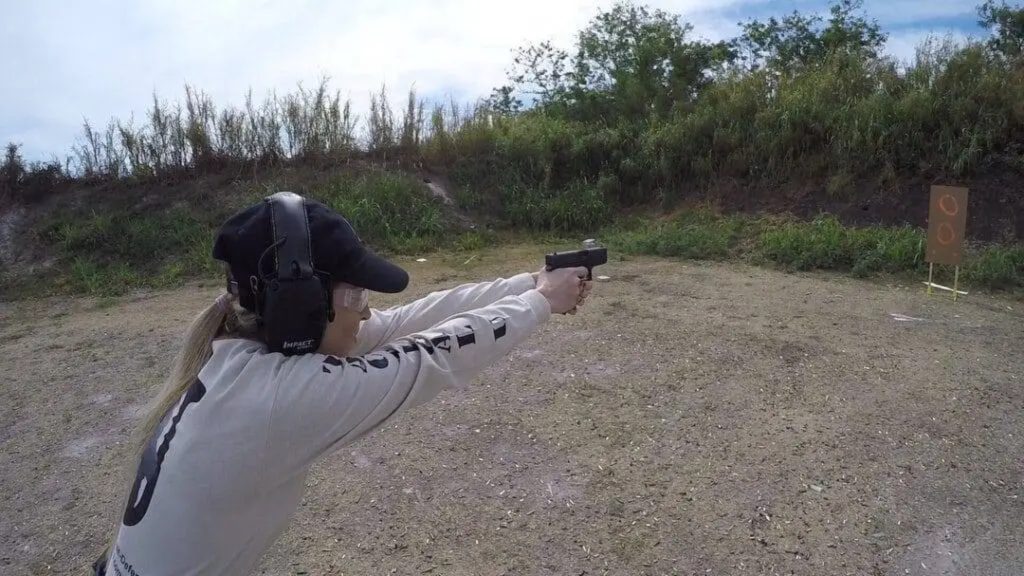
Contemporary discourse is now considering that as a positive instead of a negative outcome of such required learning. The concept of dry-fire convenience does as well: a DA/SA pistol can be fired in double-action repeatedly without having to manipulate the slide between presses, and repetitions are easier to stack during drills. The bottom line is that the complexity of triggers is actually being redefined as structured feedback to formulate control of the building, and not just as an ergonomic punishment.
5. To protect the relevance of metal-frame, materials, coatings, and service life are being utilized
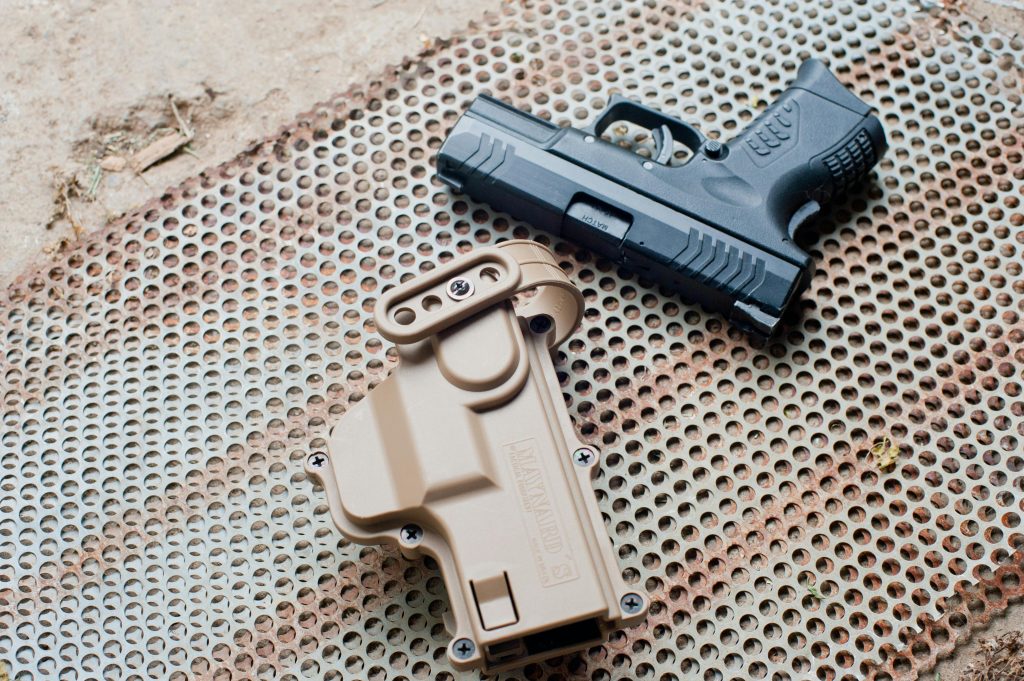
Durability language is another factor that has led to renewed interest -less romance, more engineering. When manufacturers talk of finishes, coating and round-count reliability, DA/SA pistols are often presented as systems that are designed to run hard through time.
The 92X Performance Carry Optic bends in that direction with a high-lubricity Nistan finish and DLC-coated trigger parts that are said to allow smooth operation in tens of thousands of rounds. Aftermarket parts are no exception: heat treatment, consistent angles of engagement and coatings with low friction to maintain the repeatable action of the trigger. In the opinion, the comeback is not a matter of retrogression, it is a matter of providing the existing architectures with contemporary wear surfaces and reproducible feel.
6. DA/SA is being dragged back to reality by carry habits
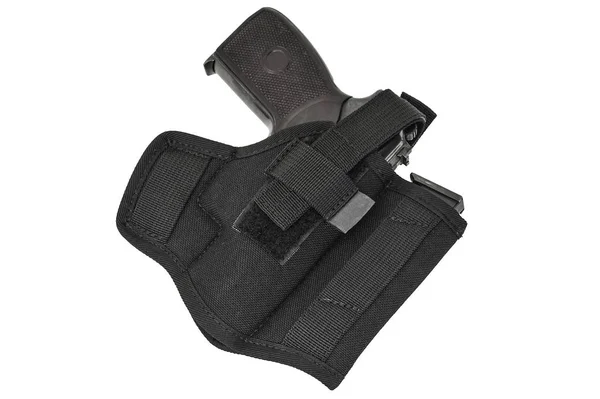
The resurgent presence of DA/SA also follows the way people carry and what they are concerned about. The increase in the use of appendix carry has already caused reholstering behavior and trigger management to be more discussed themes in the training circles, and heavier first pull fits well into that discussion provided by DA/SA. A common example is that appendix carry has increased by several times over 10 per cent of concealed carriers in the early 2010s to the 40 per cent range in more recent times. Simultaneously, the techniques of DA/SA handling like decocking prior to holstering and the tactile feedback in the form of riding the hammer are revived since they correspond to the carry positions and the urge to have a further friction with errors.
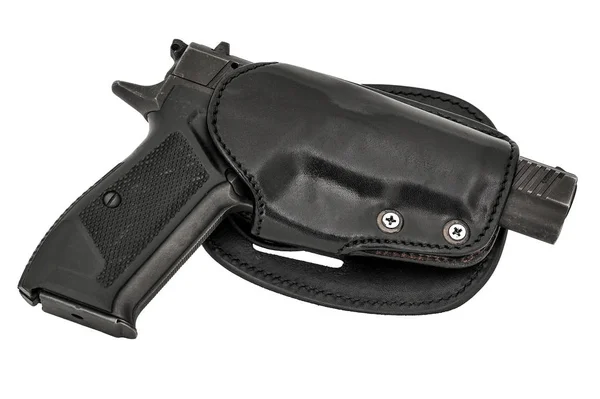
DA/SA does not displace striker-fired pistols; striker guns are still in the lead in terms of manufacturing and use. The difference is that nowadays, DA/SA is being actively re-engineered to be delivered with performance points to measure, reset distance, adjustability, coatings and optics integration and its first-shot properties are being made to correspond with the changing carry habits. The consequence is a current handgun environment in which the terms old steel sidearm and new plastic will no longer be a description of ability. This trigger system in itself has become a design option that manufacturers are keeping up with, rather than abandoning.


