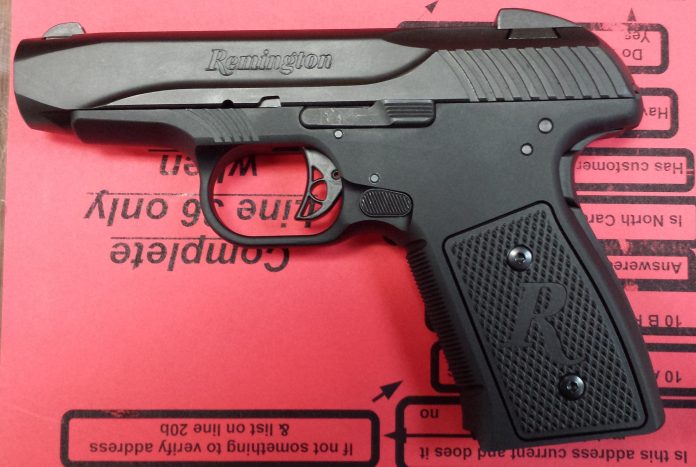
The reliability issues in pistols do not very often manifest themselves in the form of a spectacular Hollywood crash. They come more frequently in the form of repeatable interruptions light strikes, feeding failures and the failure to eject which convert range time into a diagnostic session and leave a defensive role difficult to defend.
Others of the following guns turned out as cautionary stories due to ineffectiveness in design or quality-control oscillations. Other lessons point to the fact that, despite a sound concept behind a pistol, small ammunition tolerance, poorly machined small components, or unreliable magazines can make a platform more of a works sometimes than a works always. There is one brief warning, which stands below each entry: malfunctions have patterns, and patterns have causes.
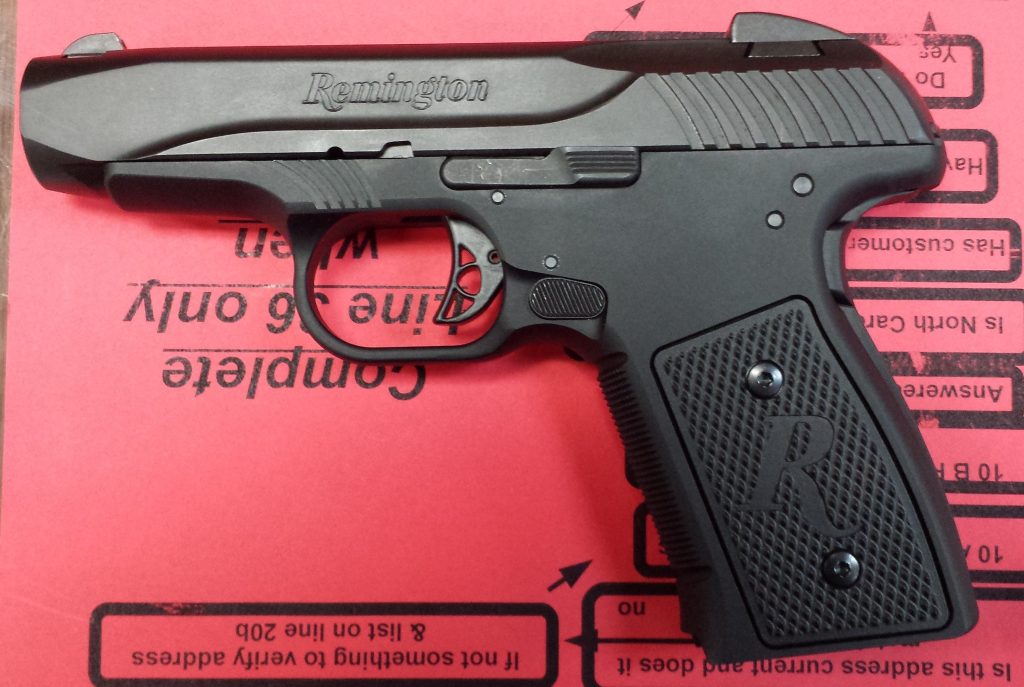
1. Remington R51
The return of the R51 was based on the hesitation-lock design of John Pedersen upscaled to 9mm and crated in a thin pistol with a low bore axis that had appeared ideal on paper. In initial production, the plot was evolving quickly: large-scale breakdowns, partial strikes, and accounts of unsafe conduct were linked to the release. One of the later Gen 2 updates resolved safety issues with the headline, but recurring cycling and magazine related problems continued to hamper the platform to win back the trust. It was not continued, and the R51 was left to remind us that an interesting mechanism is not an excuse to unequal execution.
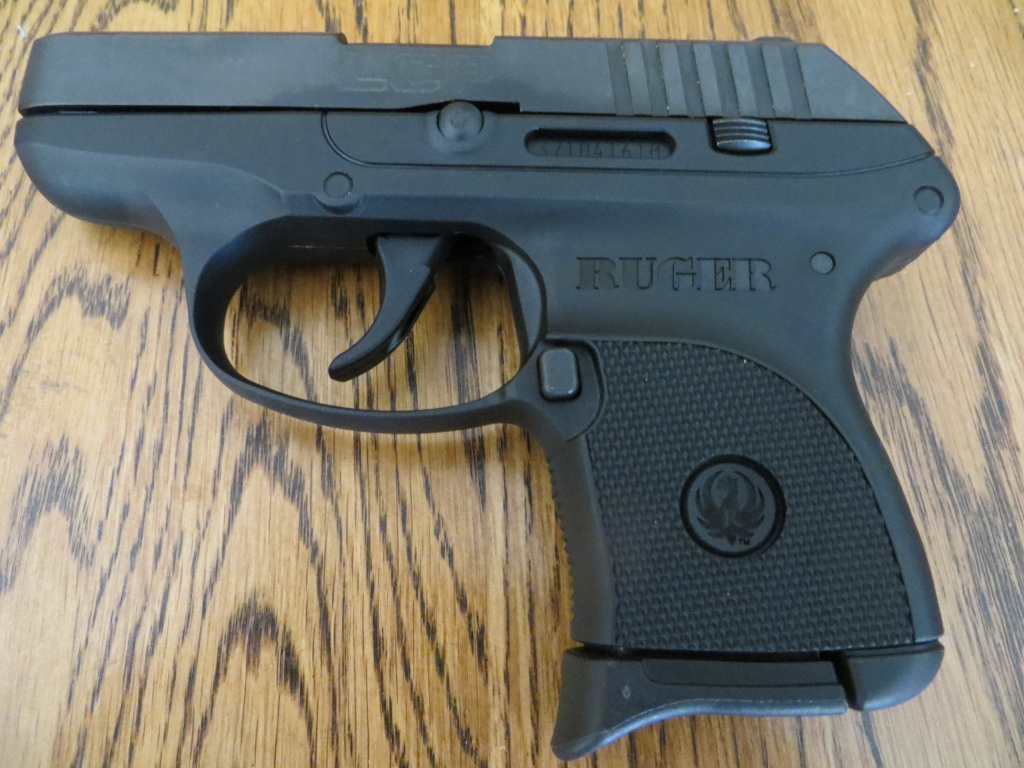
2. Taurus PT738 TCP
.380s ultra compact survive and die on their timing management, extraction and ammo variability. The PT738 TCP was an easy-to-carry TCP that attracted attention only to frustrate their owners with light primer shots and ejection issues, particularly when bargain loads were loaded. It is important because weak ejection is an on-ramp to stovepipe failures that most often occurs, when used spent brass becomes trapped in the ejection port and terminates the cycle. The small size of the platform was still attractive, and the most discussed aspect was reliability because of the frequent jamming.
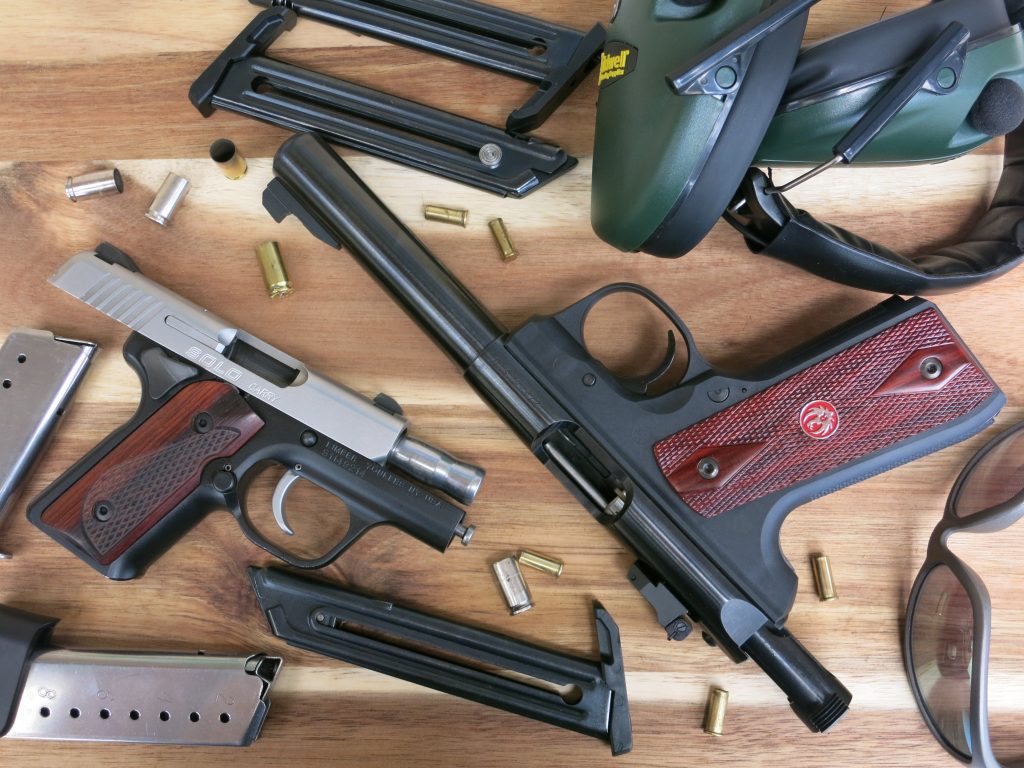
3. Kimber Solo Carry
The Solo Carry launched in the hidden carry category with expectations of high-quality fit and finish of the Kimber brand. Its reputation of reliability, however, became concentrated on the issue of ammunition sensitivity: most of them operated best on hotter, high-grade defensive ammunition, and standard-pressure range ammunition tended to create misfires or cycling failures. The operating window of the pistol, at least in engineering terms, was narrow varying, however, between forgiveness and inexorability, whether it is kept within or go outside that window. The Solo was a widely mentioned example of a gun that was built well but picky, to the user who desired the large spread of loads and carried a carry gun.
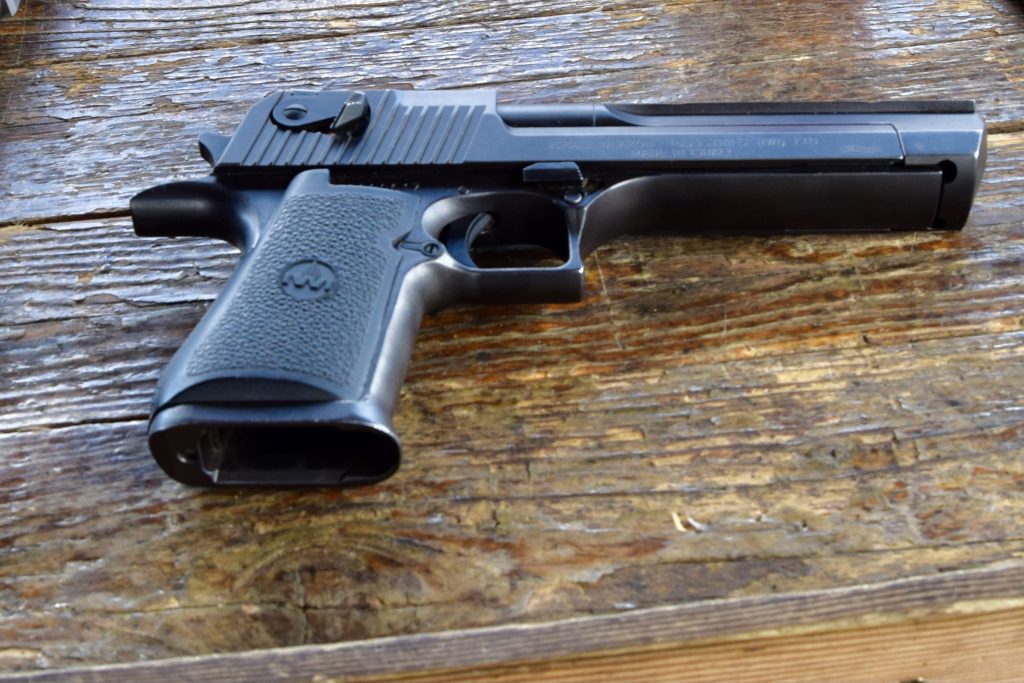
4. Desert Eagle .50 AE
The Desert Eagle is a legend as it introduces rifle-like weight and magnum-with-flair to a semi-autonomous. The tradeoff is that the platform is infamously picky in terms of bullets consistency and method. Underpowered loads, uneven bullet shapes, or intermittent slide movement, timing is missed and the reliability is reduced. The size and operation conditions of the pistol have long made it more convenient to use as a range machine than as a general-purpose sidearm with reliable performance being directly associated with disciplined ammo selection and handling.
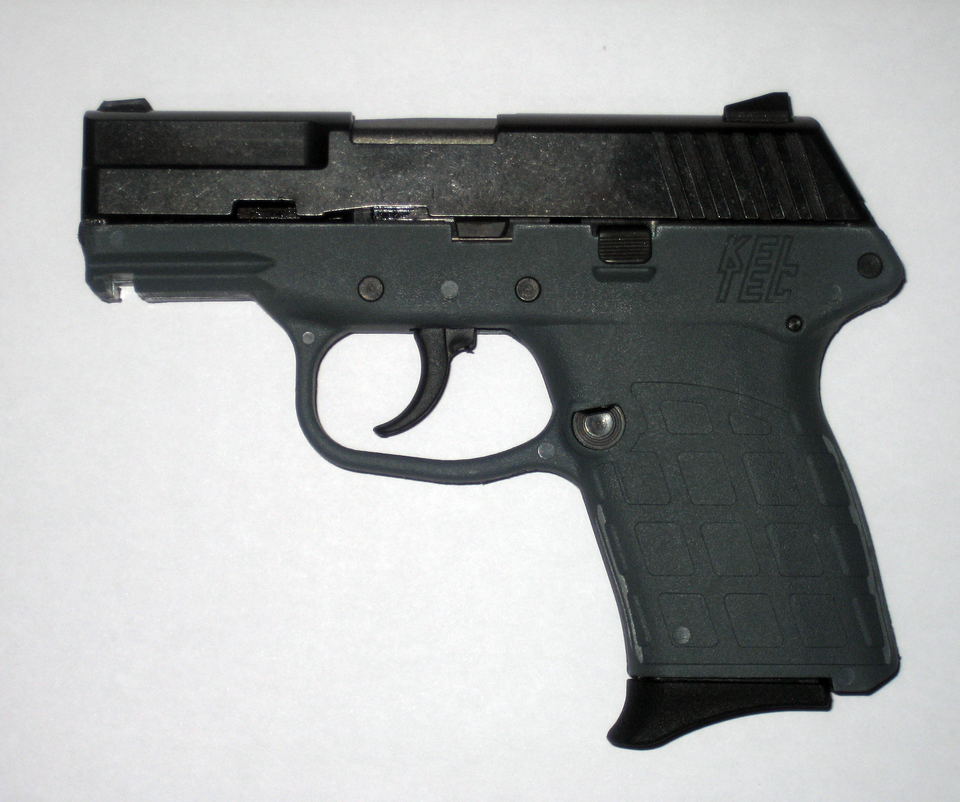
5. Kel-Tec PF-9
The PF-9 made popular a notion that an extremely slim and light 9mm could become real without transitioning to a micro-caliber. It also acquired a reputation of feeding and extraction grievances in sufficient circles of users to remain. With small pistols, minute differences in magazine geometry and recoil spring rate and extractor tension may become apparent in a short time as stoppages, especially failures to eject, leaving the gun out of battery. Sharp recoil was also frequently observed by shooters, and is known to increase problems caused by the shooters such as lack of stability on extremely light frames.
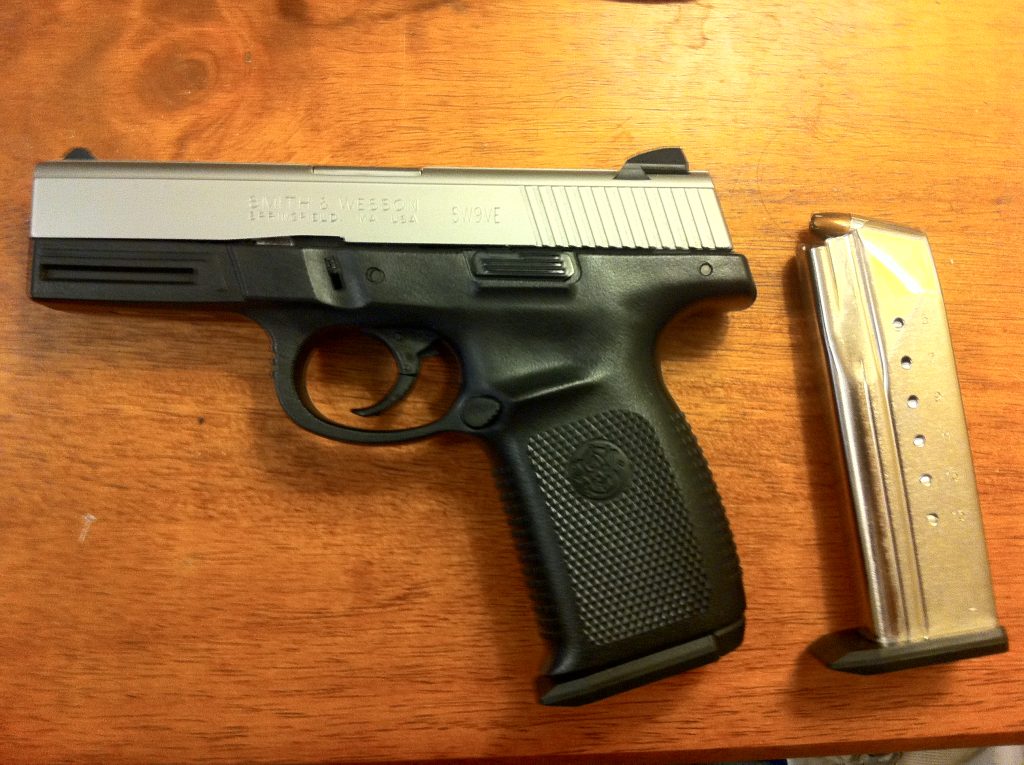
6. Smith & Wesson Sigma Series (early production)
Early Sigma pistols were the first that Smith and Wesson had ventured into the field of polymer service-handguns, and they were not necessarily easy. Misfires and feeding issues were usually accompanied by reports of gritty triggers and unreliable internal tolerances on some of them. Subsequent upgrades made it more functional, but initial impressions remained, and the naming of the Sigma line remained in the realm of the early polymer learning curve. It still serves as a valuable reference source of history of how early consistency in manufacturing can make or break the long term reputation of a model.
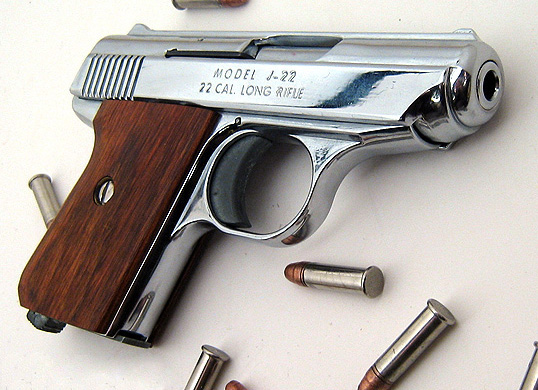
7. Jennings J-22
The Jennings J-22 was a notorious low-cost .22LR pocket pistol that might be unexpectedly recalcitrant to simple cycling. Its small ejection port and marginal extraction equipment was widely blamed as the cause of stovepipes, double-feeds, and erratic ejection. The more serious one was the issue of drop safety, which was expressed in the manual recommendation which suggested an empty chamber. Rimfire pistols already work in a grimmer environment than centerfire, and made with unsatisfactory extraction specification and dubious safety factors, the J-22 name turned into a cautionary note instead of a value game.
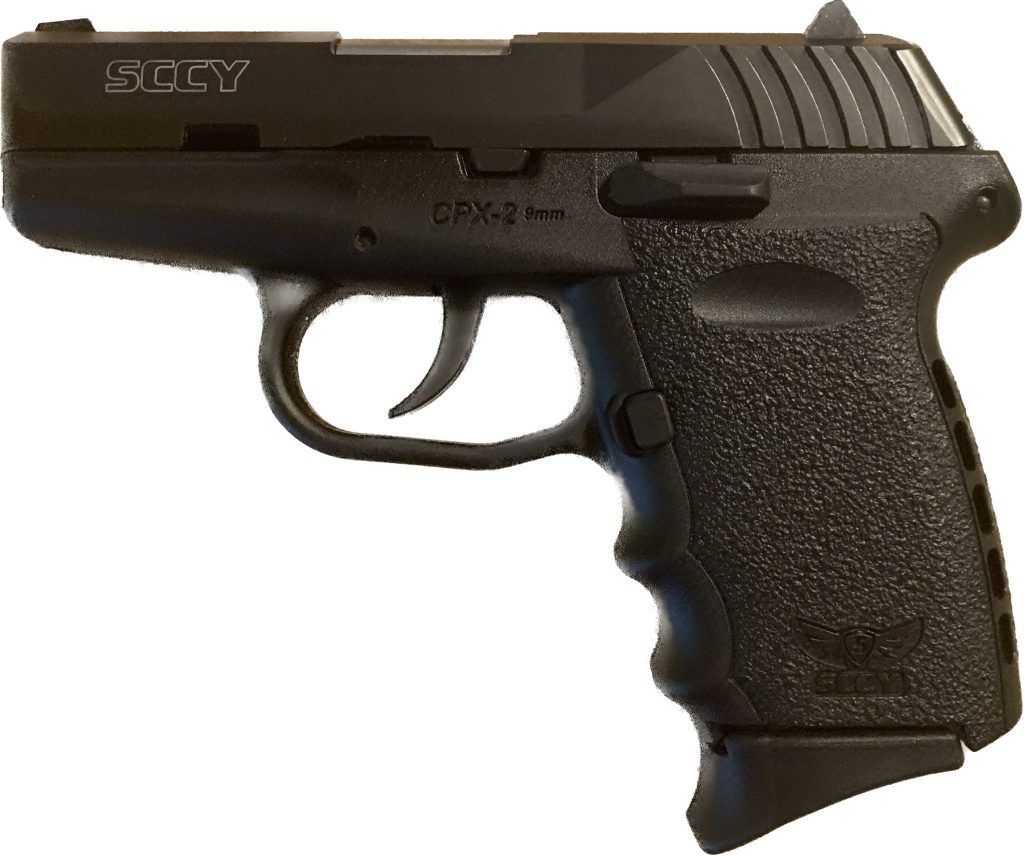
8. SCCY CPX-2
Another product that drew attention is the CPX-2 with its small size and warranty-oriented strategy, although the reliability had mixed reports on a case-by-case basis. Owners have reported feeding problems and light strikes, and in some cases the improvement of the situation after break-in or slight smoothing, and in other cases not. Light strikes usually indicate ammunition variables or firing-pin channel problems; the most commonly recommended of these best practices is to ensure that the striker/firing-pin channel is not contaminated with grease or debris, as this can slow enough to create shallow hits on the primer. In the case of a carry-size pistol, the type of inconsistency is what shooters are attempting to prevent.
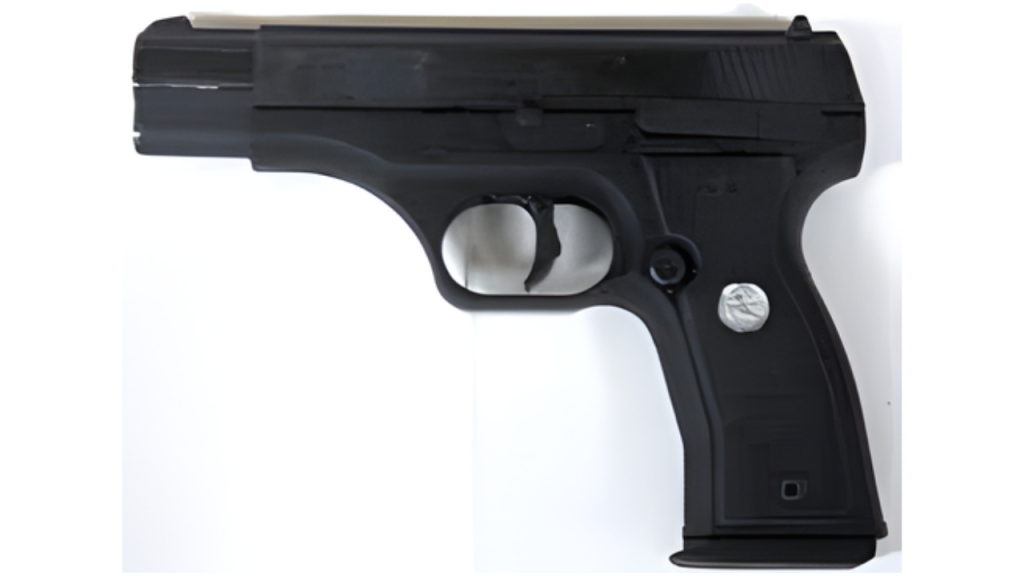
9. Colt All American 2000
By paper, All American 2000 was serious, unconventional rotary barrel and roller bearing trigger system, with the name of some of the most respected engineering brains. Practically, the issues of reliability, accuracy, and a recall associated with drop-fire safety issues prevailed. It is said to have ceased production at approximately 20,000 units and the pistol is a classic study case on how creative mechanisms may be sabotaged by manufacturing processes, clumsy triggers and weak sight mounting options.
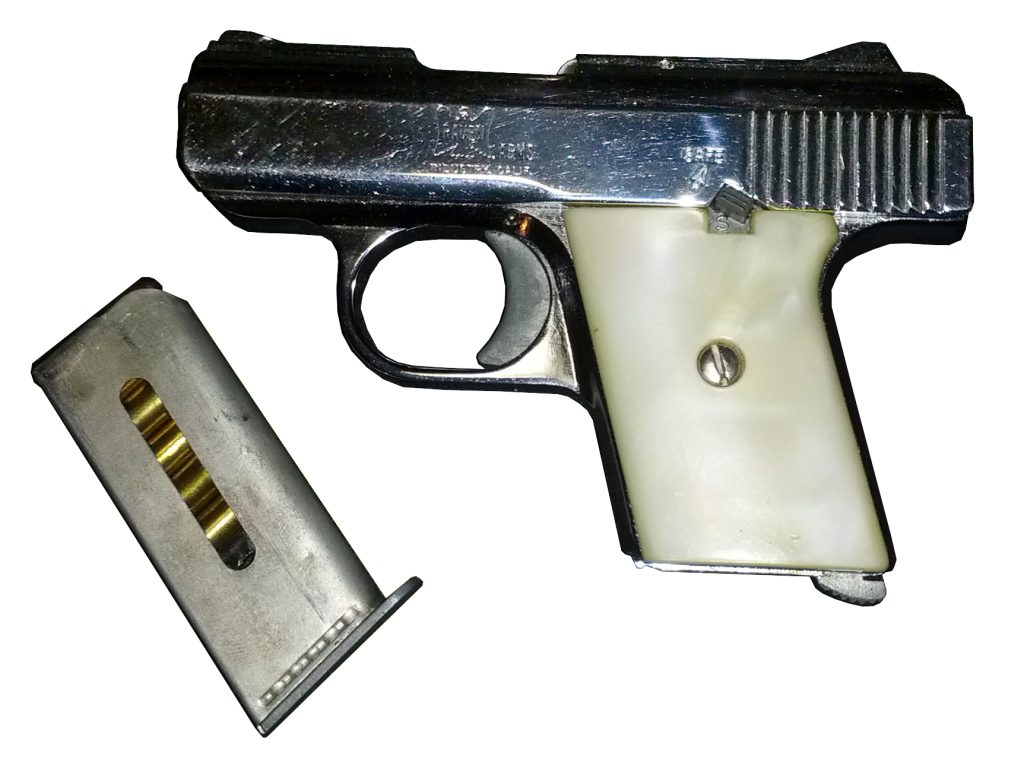
10. Raven MP-25
The Raven MP-25 was made in bulk as a plain blowback .25 ACP pocket pistol made of cost-reduction materials. The frequency of reliability complaints was so prevalent that it became a part of its identity and the platform did not feature any of the features that many shooters anticipate such as a slide lock. The larger engineering lesson is that the smaller the sight, controls, and margins in small components, the more tolerances will pile up against the grain, particularly in small calibers on which the users already begin with limited headroom of performance.
Across these examples, the same mechanical themes keep surfacing: magazines that fail to present cartridges consistently, extraction/ejection systems that lose tension or timing, and ignition parts that turn small amounts of fouling into light strikes. Diagnosing failures to eject often circles back to the extractor’s relationship with the ejector and the slide’s timing, including how extracting, ejecting, and cocking interact in the cycle of operation.
That reality does not excuse a bad design or sloppy quality control. It simply explains why “it jammed” is rarely the full story and why reliability reputation, once earned, is hard for any pistol to outrun.


