The decision to pick a U.S. military sidearm does not involve mystique as much as it involves managing stress, discipline in paperwork and the unpleasant fact that a pistol is frequently given to those who seldom actually use it until the need arises. The secret segment is not a one room gunfight. The combination of the incompleteness of the governmental records, the redacted assessments, and the test procedures that can only be revealed in bits is what makes it.
Over the decades, the choice of handguns has been decided again and again on the same points of pressure: life of parts, reality of maintenance, exposure to the environment, and the way the government rates technically acceptable designs when cost and logistics come into play.
1. The Frame Problem that Compels Replacement Cycles
Barrels, springs, and minor parts can be replaced into service pistols, but the frame is the restricting element sooner or later. The Modular Handgun System program was a direct attempt to have pistols that were deemed old and battered, including those whose frames were near to the end of their lives. Such a relationship is part of the reason why the program scope was broad based to bring about a fleet-level change and not a niche upgrade, and the reason why modularity became an appealing promise: the capability to reconfigure a handgun without having to completely re-procure the inventory.
2. Reliability Is Measured not Presumed
Repeatable measures are the life and blood of handgun trials, and one of the most quoted is that of mean rounds between failure (MRBF). Previously in the situational testing in joint-service, an initial MRBF threshold of 625 was set as a baseline, with a candidate achieving 2,000 MRBF during the test. Subsequent Army XM9 tests conceptualized performance in terms of large numbers of rounds endured and stoppage counted, making performance a math problem which can be compared across designs despite the variation in the number of shooters, magazines, and conditions.
3. The XM9 Trials, 1981, Secret: The Demand of Objective Requirements
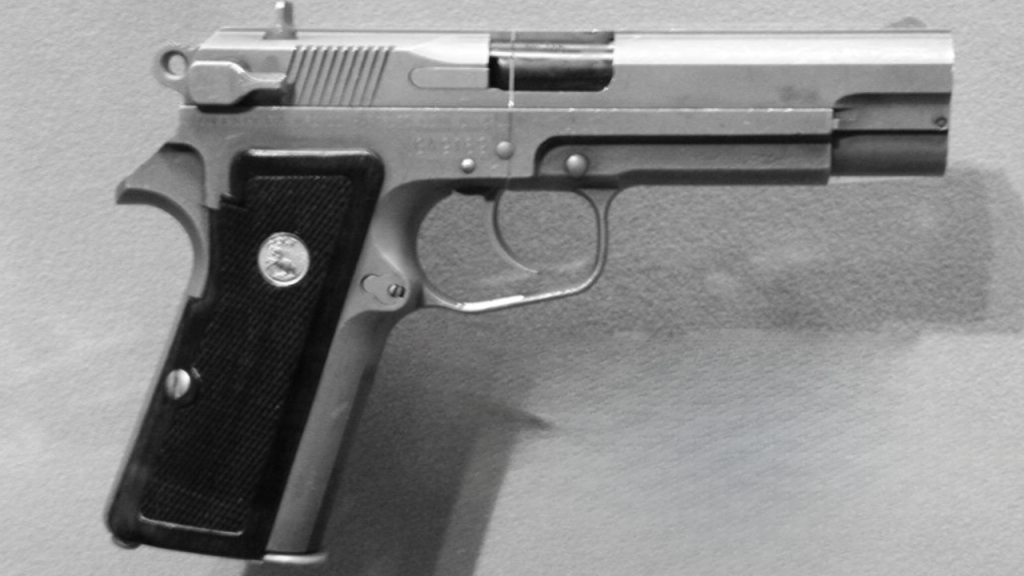
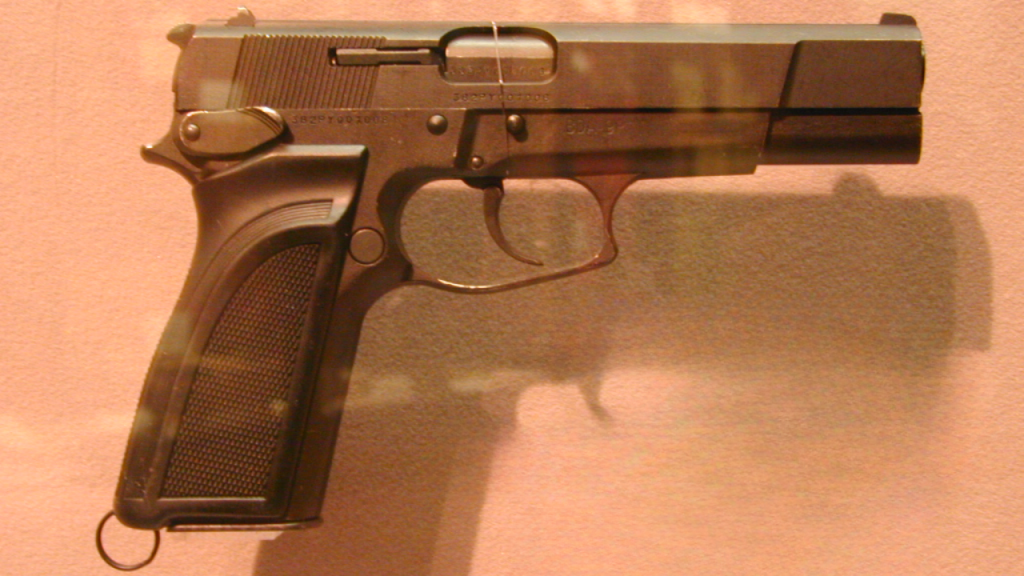
The murkiest handgun testing in the contemporary history of the U.S. procurement took place in the early 1980s when the Army conducted an XM9 test and then canceled it after determining that the pistol did not meet the specifications. There is a paucity of public sources on record concerning it, and that has given rise to persistent charges that the process was not stringent or was rigged. This reaction, practically, was to restart with more express and systematised requirements, such as asking 30 examples per entrant, and even replacement parts, and the test was as auditable as it might be in its time.
4. Destructive Testing: In Which Pistols are Treated Like Consumables
In the event of finalists, the trials usually transition into high-round-count endurance which aims at revealing the breakage patterns and maintenance limits. When the XM9 competition came down to the last two pistols, they were put through 35,000 rounds-per-gun of destructive testing, a test regime designed to reveal the cracking, spring fatigue, and tolerance stacking, as long in advance of a weapon reaching an armory as possible. The morale of subsequent programs is straightforward: when designs are optimized to good enough, long-duration wear will be a discriminator that can be measured, sued, and re-experimented.
5. Sand, Dust and the Magazine as a Failure Mode
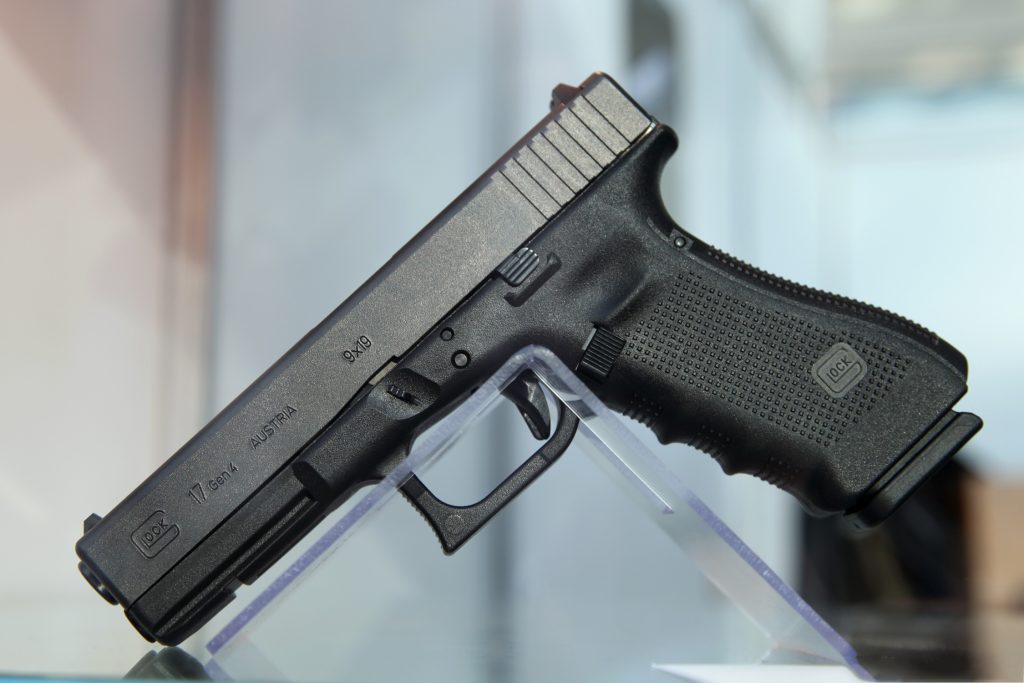
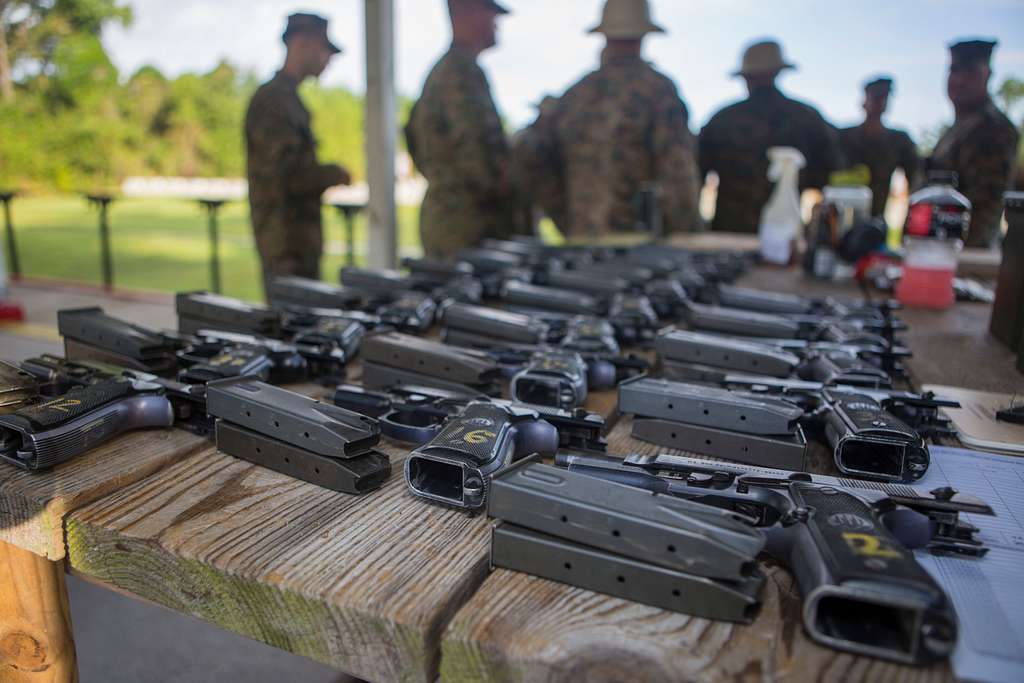
The handgun in the field conditions is a system comprised of magazines, ammunition and maintenance practices. Concerns regarding sandy conditions recurrently feature in the institutional memory and environmental techniques are particularly created with the objective of quantifying how the exposure to particles hinders openings and pollution of moving components. In MIL-STD-810H Test Method 510.7, dust is 150 micrometers or less and sand is 150 to 850 micrometers with testing being conducted in a blowing chamber that regulates air velocity, temperature, humidity and orientation. Even a sturdy pistol may be, the feed system may prove to be the place where sand causes an otherwise impressive reliability number to become a number of stops.
6. Flexibility: Modularity is Not a Sell Word
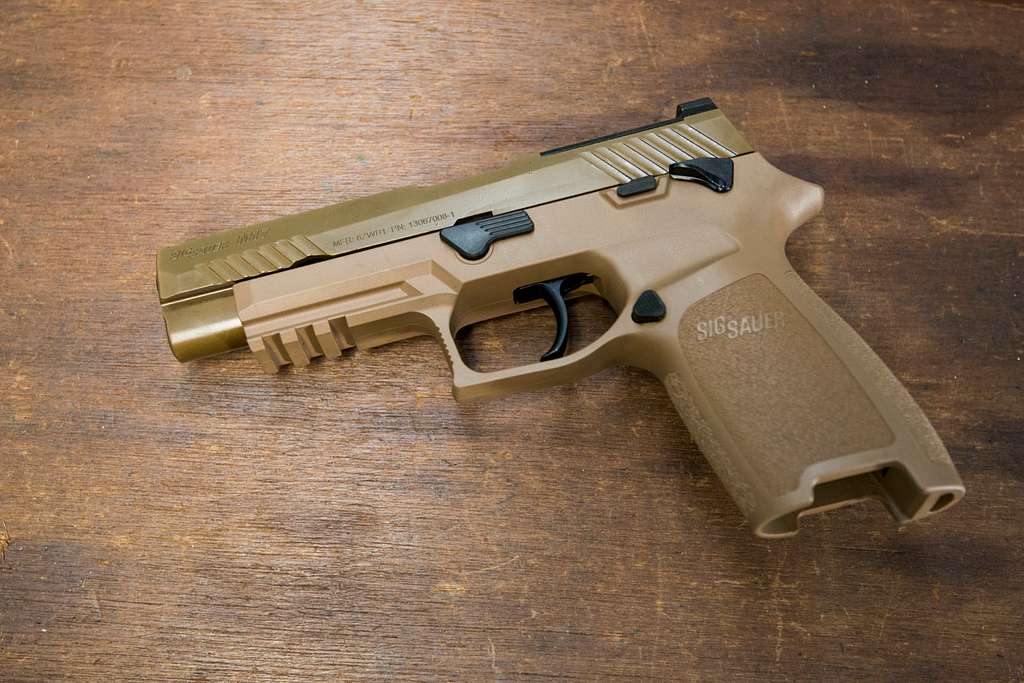
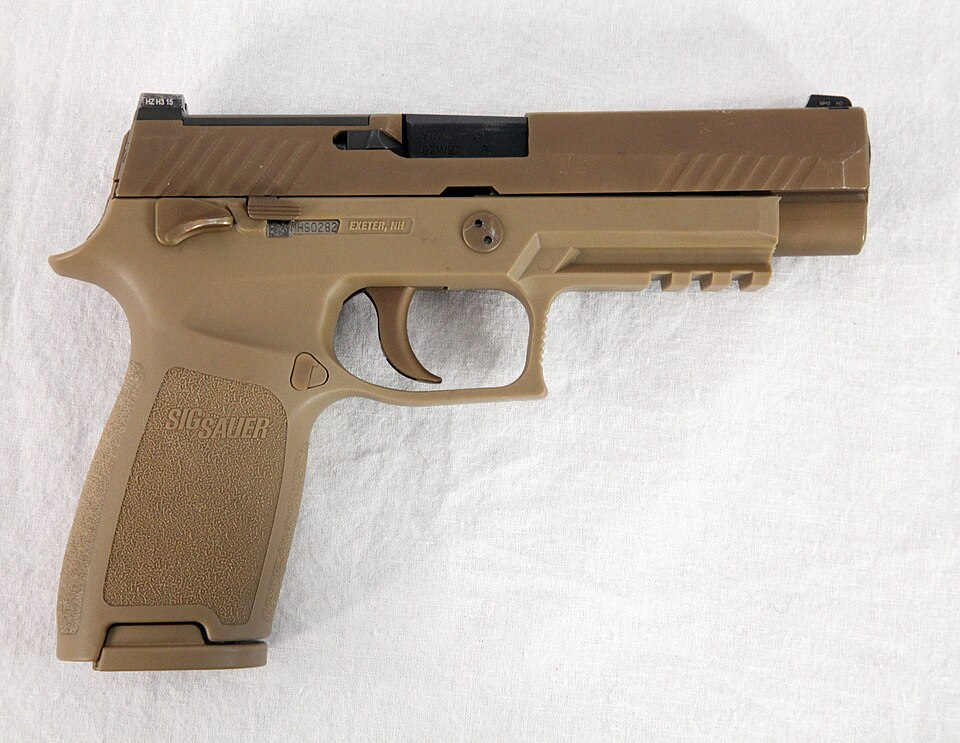
The XM17 Modular handgun System competition was designed to supersede both the M9 and M11, and demanded flexibility of missions and user groups. The strategy of the winning submission was based on the use of various grip sizes and an interchangeable fire-control unit, and the other strategy based on the interchangeable backstraps. The technical aspect is that modularity is amenable to analysis of any other requirement: what counts are the number of components that need to be swapped, what needs to be serialised, what makes interchangeability impossible, and how can armorer task flows be scaled to large amounts of issues.
7. In the case of Early termination of Testing, this is the Battlefield of Paperwork
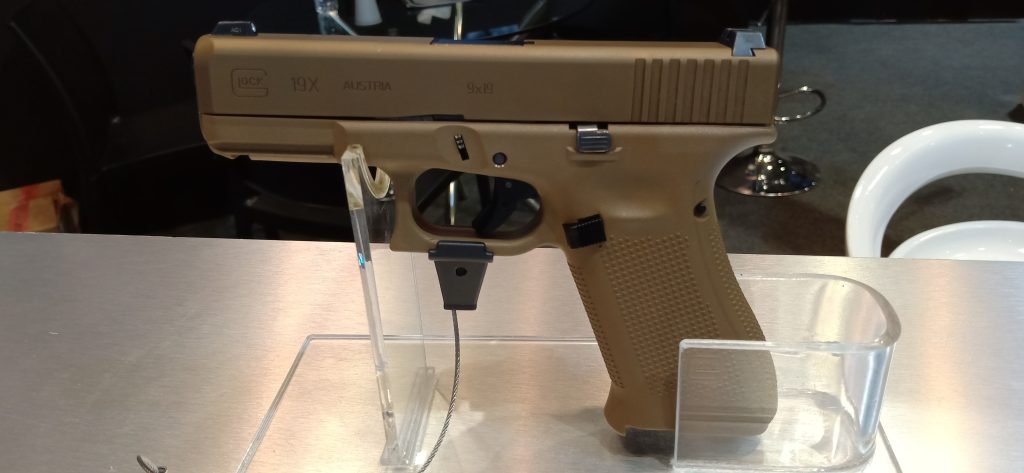
The most controversial feature of XM17 is that the Army made a choice of the winner before the phase-two testing was finished, and the endurance was not 12,500 rounds, but the carry to the full service-life firing program outlined in program commentary. Subsequent review identified the comparative performance information that did not fit well with the narrative behind the decision, such that the full-sized handgun of Sig Sauer had a greater rate of stoppage than the handgun of Glock in the paper. The procurement fact is that when the designs score as acceptable, the procurement can shift to an evaluated price, and the disagreements can be transferred to the bid protest and redacted evaluation records as opposed to the test range.
8. Cost Is not considered as a pistol, but rather as a system
In handgun contests, time and again the final judgment usually takes into consideration overall package construction such as spares and magazines not merely by per-unit cost of weaponry. Both Beretta and SIG passed technical tests in the XM9 period and the choice was made on the package. A government failure to substantiate submission of a 37 percent premium in the case where the performance benefits were not rated as decisive was documented in an XM17 era GAO finding which was quoted in the following text: I cannot justify a premium of 37 percent by which to pay the Glock submission.
9. Where Acceptable Meets Reality Product Verification Testing Product Verification Testing Product Verification testing is where acceptable meets the reality
It is not the end of scrutiny at the selection. Following the XM17, Product Verification Testing, a drop-discharge problem was detected and prompted an engineering change, amid other functional observations in other verification cycles. The larger engineering lesson here is that competitive down-select does not remove the risk of integration, it only moves the risk to configuration control, change proposals, and the logistics of modifying weapons already in units (that are already headed to them).
Across generations of trials, the “secret” is largely procedural: what gets measured, what gets weighted, and how much of the record remains visible outside acquisition channels. The test range matters, but so do magazines, spare parts forecasting, and whether the government treats “best” as a technical crown or as a defensible procurement decision.
In practice, the U.S. Army’s next handgun is chosen by a chain of thresholds and trade-offs that begins with reliability math and ends with documentation sturdy enough to survive protests, audits, and years of real-world wear.


