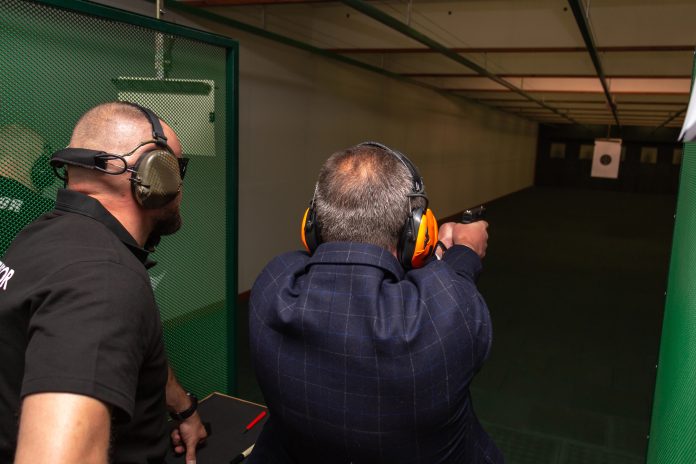
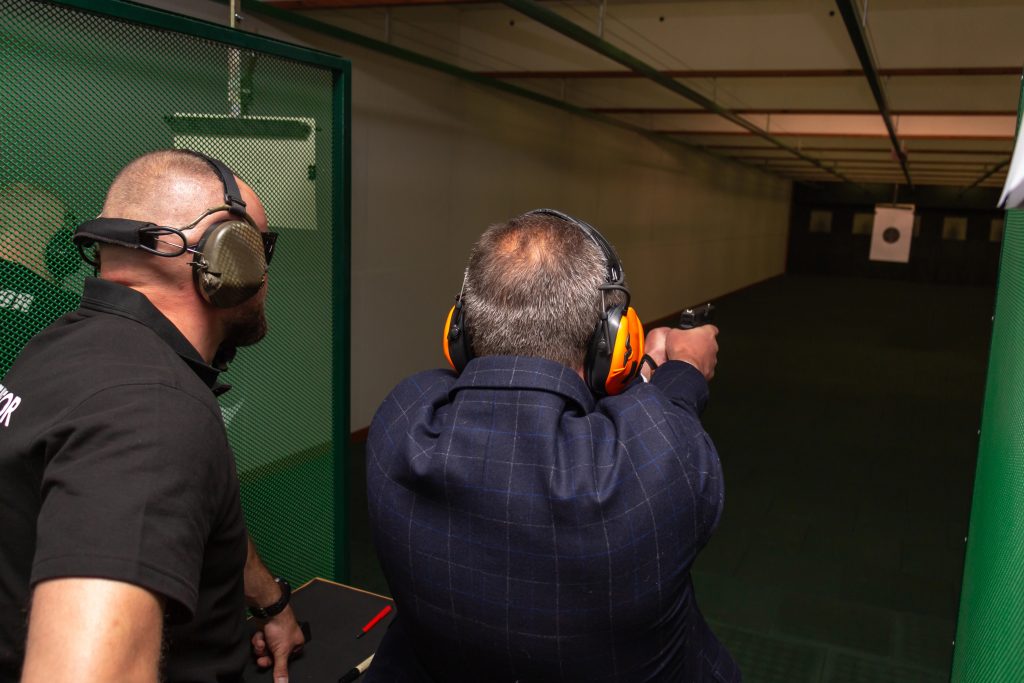
What makes the difference between an indoor range, professionally designed and constructed and a loud and smoky room with targets is not number of lanes or appearance of the facility, but the engineering aspects that govern air, noise and bullet containment even in normal operation.
The best design solutions occur at the very beginning, as layout, mechanical systems, and protective construction are initiated simultaneously. After walls harden and ducts are hung it is hard and costly to make corrections to a bad assumption.
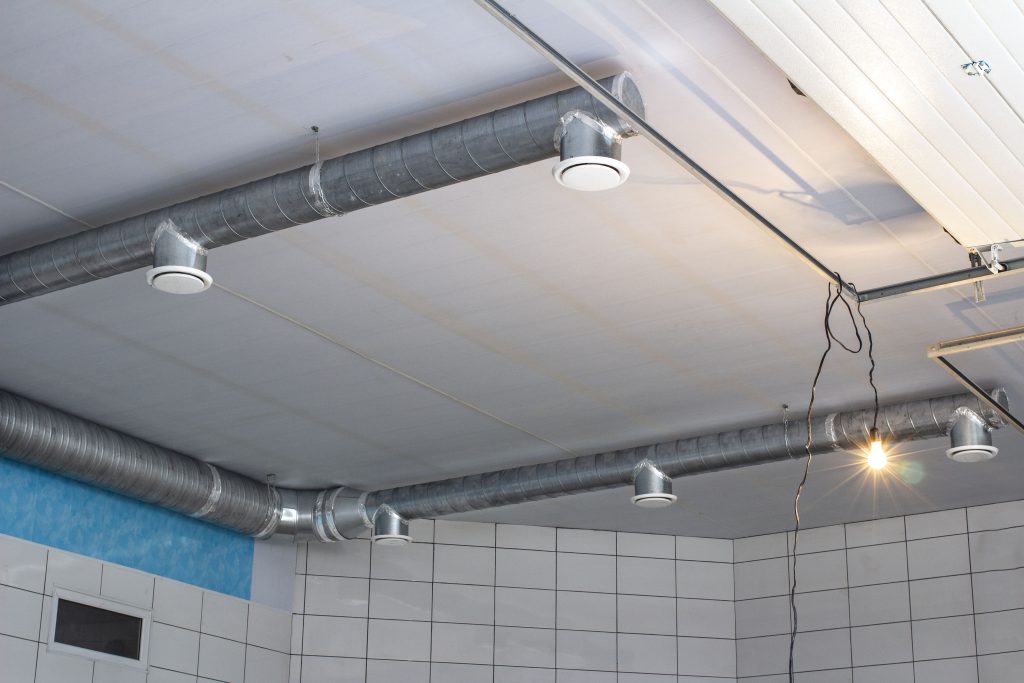
1. Not only a building but also the breathing zone is safeguarded
The indoor ranges produce air pollution at the firing line where the shooters and staffs of the range spend longer periods. Designs constructed around the respiratory zone are centered on stable downrange air movement, consistent pressure relations and stable fan interlocks to ensure the supply and exhaust work in tandem.
Typical engineering goals at the firing line are 75 feet per minute, 50 feet per minute being considered as a minimum required level. A slight negative pressure inside the range usually by exhausting 3 to 7 percent more air than supplied, prevents the movement of contaminants into adjoining spaces, particularly when used in combination with air-locking door schemes.
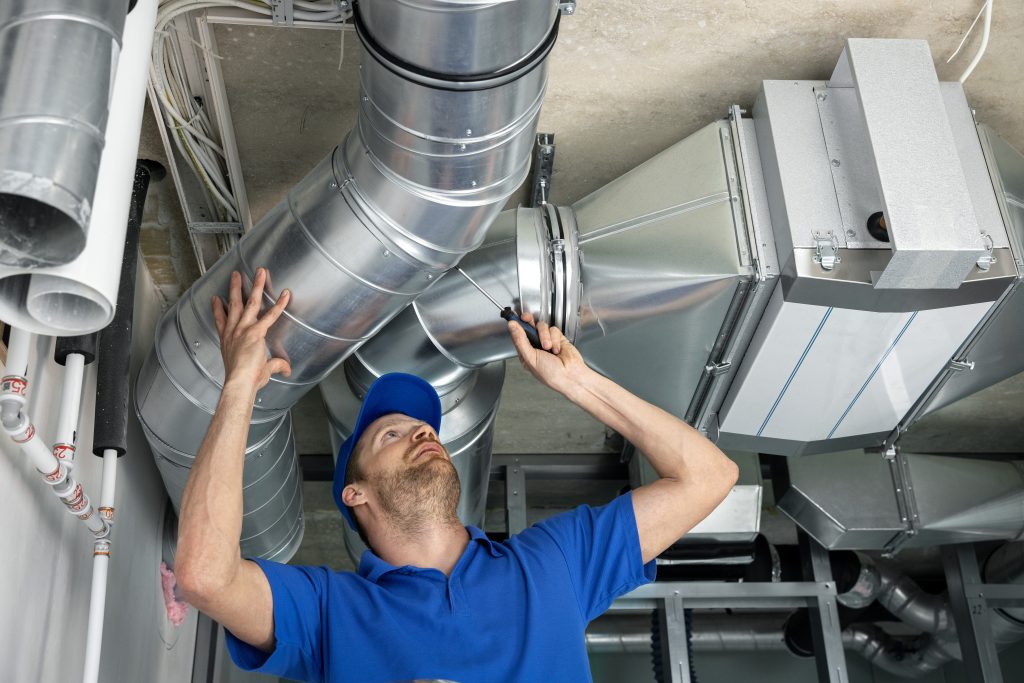
The placement of exhaust and filtration is not limited to the range. HEPA level filtration is commonly chosen to minimize the cumulative lead on roof pad and adjacent surface over the long-term, and to prevent cross-contamination by adjacent outdoor intakes. The engineering goal that motivates numerous specifications is the 99.97 percent collection of 0.3-micron particles that is often linked with HEPA final filters.
2. Lead management as a facility process, not a clean up activity
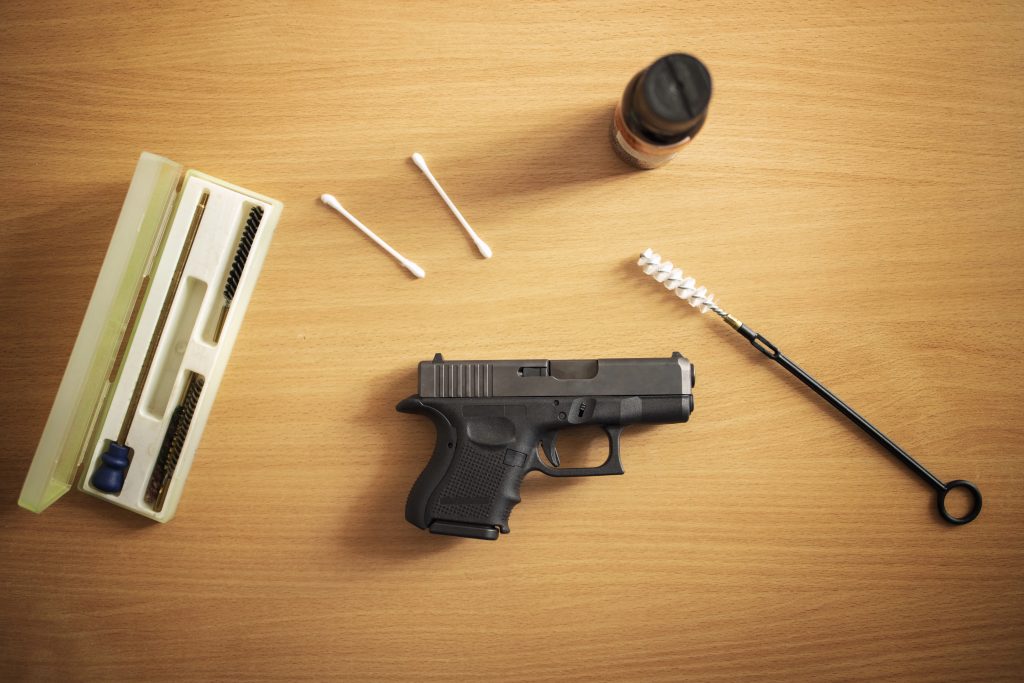
Lead exposure is not an isolated aspect of firing but it is strengthened by normal duties like sweeping, replacing filters, traps upkeep and cleaning up spent fragments. That fact drives lead risk to operational design: cleaning occurs, waste transits, and how employees can prevent the transfer of contamination to offices, retail areas, or cars.
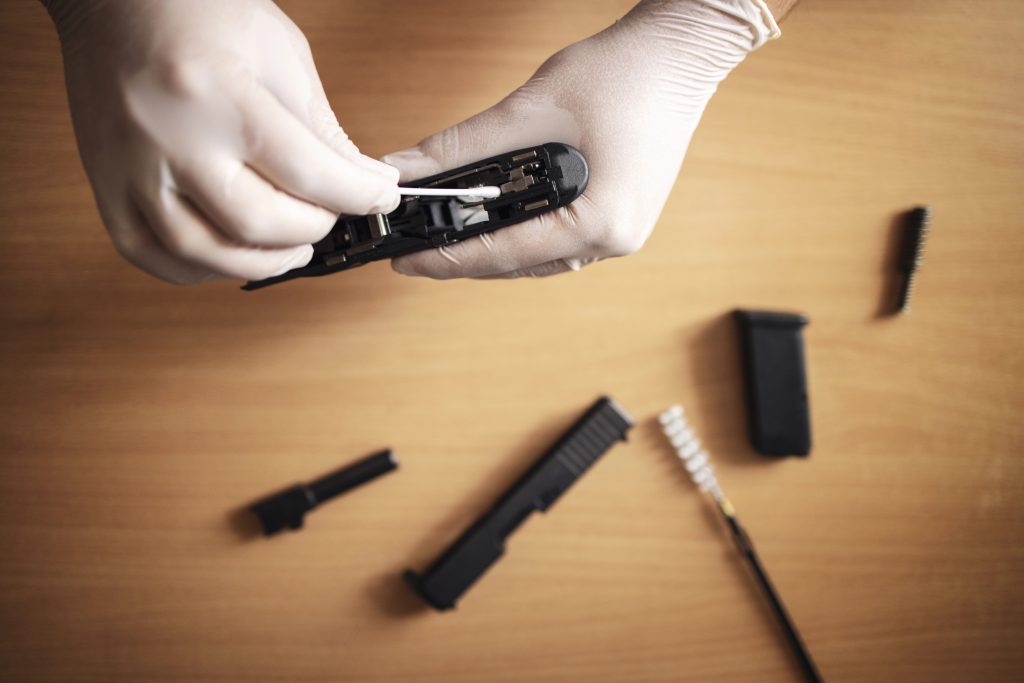
Good planning considers the range, ammunition storage and gun-cleaning areas as other sources of contamination and must be managed effectively with exhaust and procedure. In the indoor ranges, the risk of human exposure is frequently greater than in the outdoor facilities, that is why the ventilation performance and housekeeping are not proposed as a set of independent checklists but as a system.
The standards of regulatory exposure impact the engineering decisions in a manner, which is simple to overlook in the conceptual planning. The lead standard established by OSHA contains both an action level and a permissible exposure level of 30 0g/m 3 and 50 0g/m 3 respectively over a working time period of eight hours; the smallest expression that grounds these values is 30 micrograms per cubic meter.
3. Sound management which separates inside of the range and outside of the range
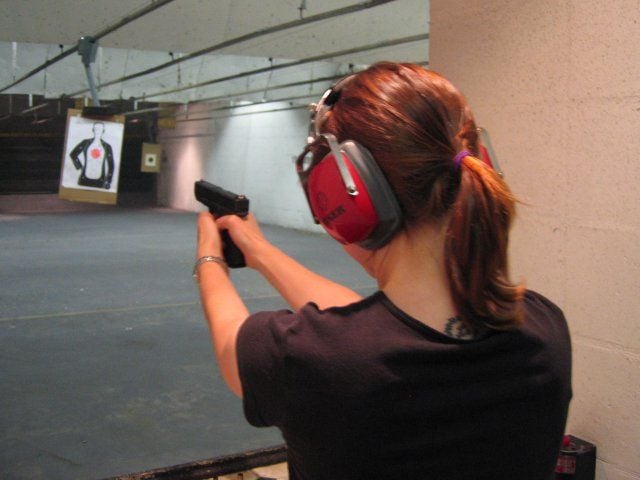
It is a different issue because noise reduction in-lane and noise transmission out of the building are two separate problems with different tools. Absorptive surfacing reduces reverberation and also enhances communication at the firing line but does not necessarily prevent sound transmission through walls, structure and penetrations to adjacent occupancies.
The principles of transmission control are mass and decoupling, where heavy assemblies resist vibration and details block flanking routes. The treatment of the interior is usually aimed at the surfaces behind the firing line that have to be minimized to prevent reflected energy and the remaining part of the envelope and penetrations is left to bear the load of ensuring that noise does not emerge as a neighbor problem.
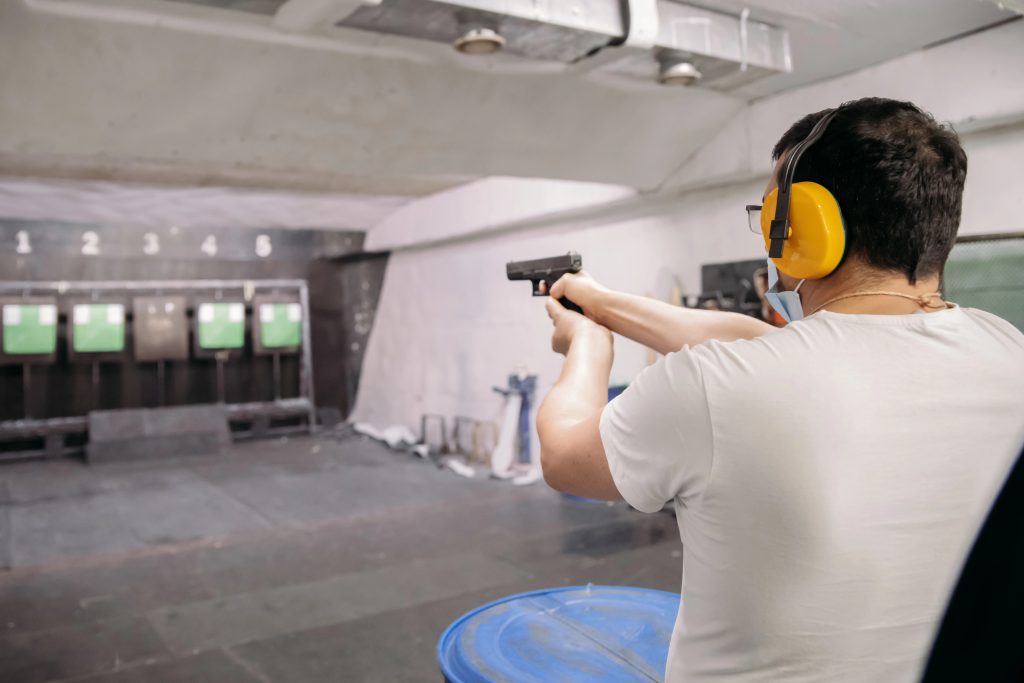
A lot of design guides base the goals of hearing protection based on what is deemed as an in-room threshold of 85 dB or less regarding the issue of occupational exposure; the most important words to say are should not exceed 85 decibels. Practically, it is more common to have clearer voice commands and less fatigue that encourages facilities to seek less than the maximum reverberant levels.
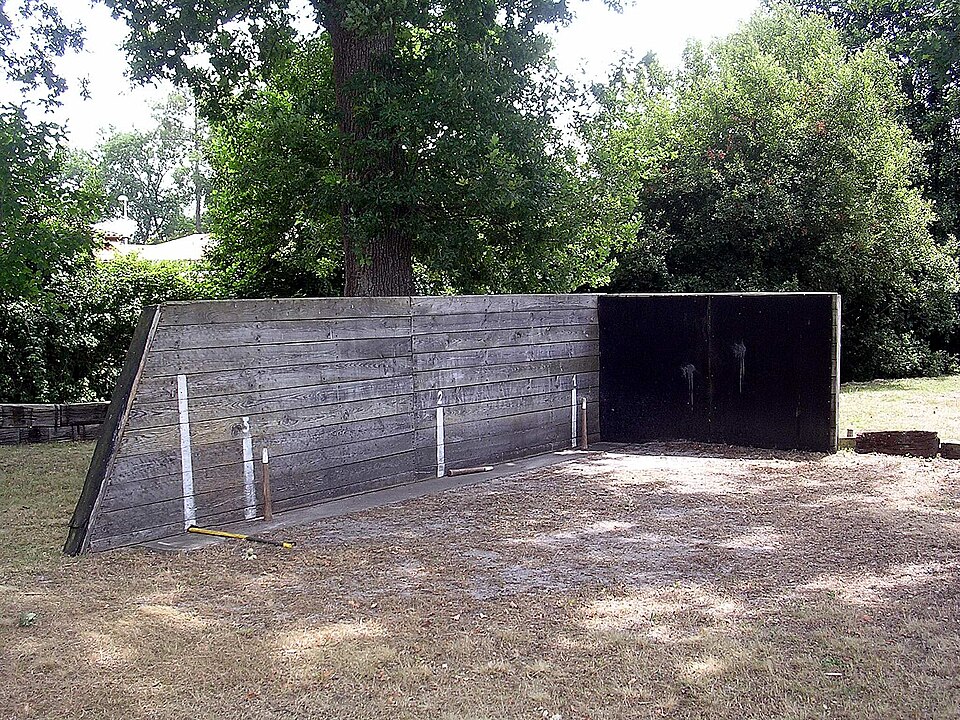
4. Bullet containment constructed out of materials, angles and fastener discipline
The backstop is not confined to containment. Baffles, sidewalls, ceilings and other surfaces that can be hit shall be designed in such a way that projectiles and bits will be thrown off range and not thrown back towards firing line. It is a geometry-and-detailing issue more than it is a materials issue.
Protective construction is often a composite of steel, plywood and concrete, and sacrificial layers, which are designed to be replaced as wear occurs. Even minor decisions, such as the placement of brackets, bolt heads, gaps and joints could cause ricochet hazards, when they introduce unexpected faces of impact.
The system also includes the flooring. Other program requirements include 8-inch reinforced concrete drainage and maintenance patterns supported 8-inch reinforced concrete floor with a slight downgrade slope and isolation where the vibration and sound become issues.
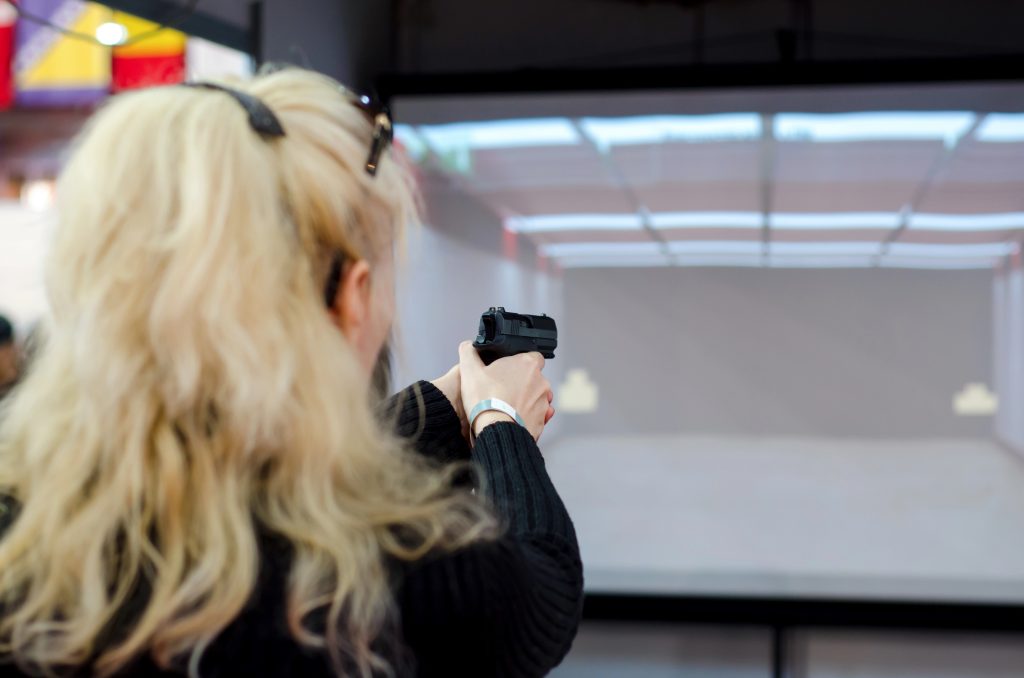
5. Types of ranges that vary the engineering brief: VR, moving targets and static
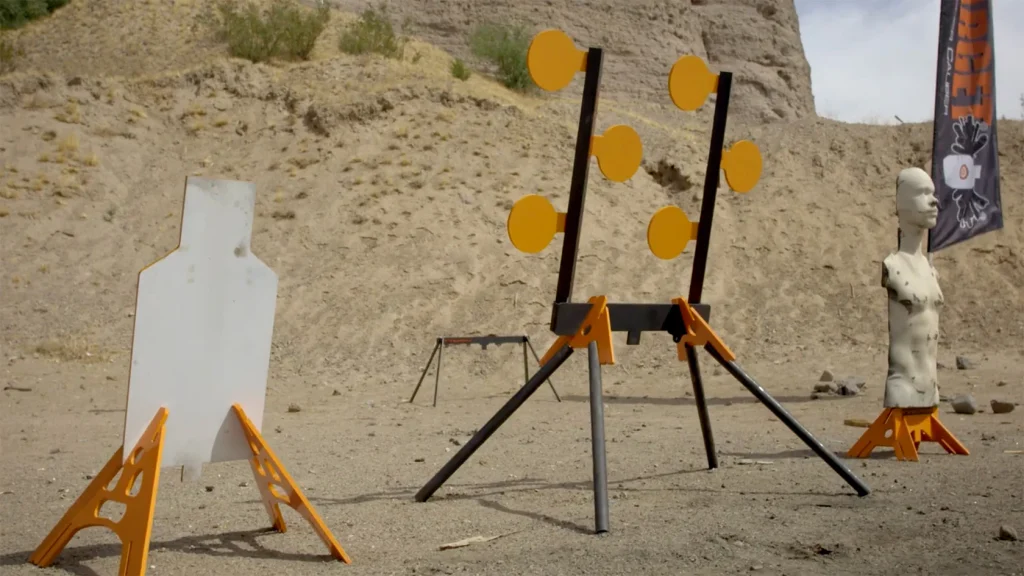
Fixed lanes encourage consistency: constant airflow, constant lighting, downrange maintenance, and setups that have a focus on the basics and qualification requirements. Moving target systems introduce mechanical complexity, control rooms and augment maintenance access requirements, and adjust the manner in which users allocate time and movement at the firing line.
Training using virtual or simulator may reduce the throughput requirements of live-firing and may curtail some sources of contamination, but cannot be used to replace the requirement of disciplined facility planning with live-firing lanes in place. Practical usefulness of VR in a mixed facility is commonly in increasing the range of training, feedback, whereas the most hazardous systems of the building, such as ventilation, containment, and sound transmission, still remain scaled to live-fire realities.
The indoor range projects are successful when the invisible systems (airflow, filtration, acoustic assemblies, and containment details) are not considered as add-ons to design but taken as the first-order design drivers. Such decisions dictate the ability of a facility to accommodate safe daily operation, easy maintenance and reliable operation with a high number of rounds over years.


