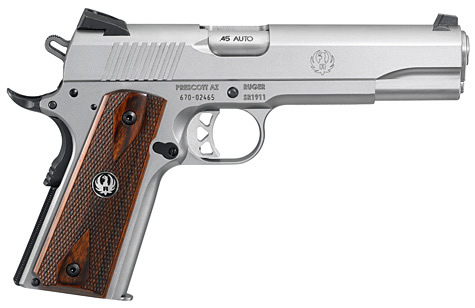
The 1911 with steel frames and the polymer striker-fired pistol are the same problem with different priorities. One relies upon mass and mechanical refinement, and a manual-of-arms that will recompense practice. The other touches upon the lighter carry, more capacities, and environmental tolerance to suit the contemporary duty and defensive purposes.
The debate continues since both systems could perform very well, but each requires a certain tradeoff in everyday carry, practice and maintenance. The substantial variations appear in the less romantic locations: belt sag, exposure to sweat, reload cadence and the way a trigger behaves due to cold or slippery hands. These trade-offs put the decision into a better perspective than brand loyalty or nostalgia.
1. Carry weight that changes what gets worn
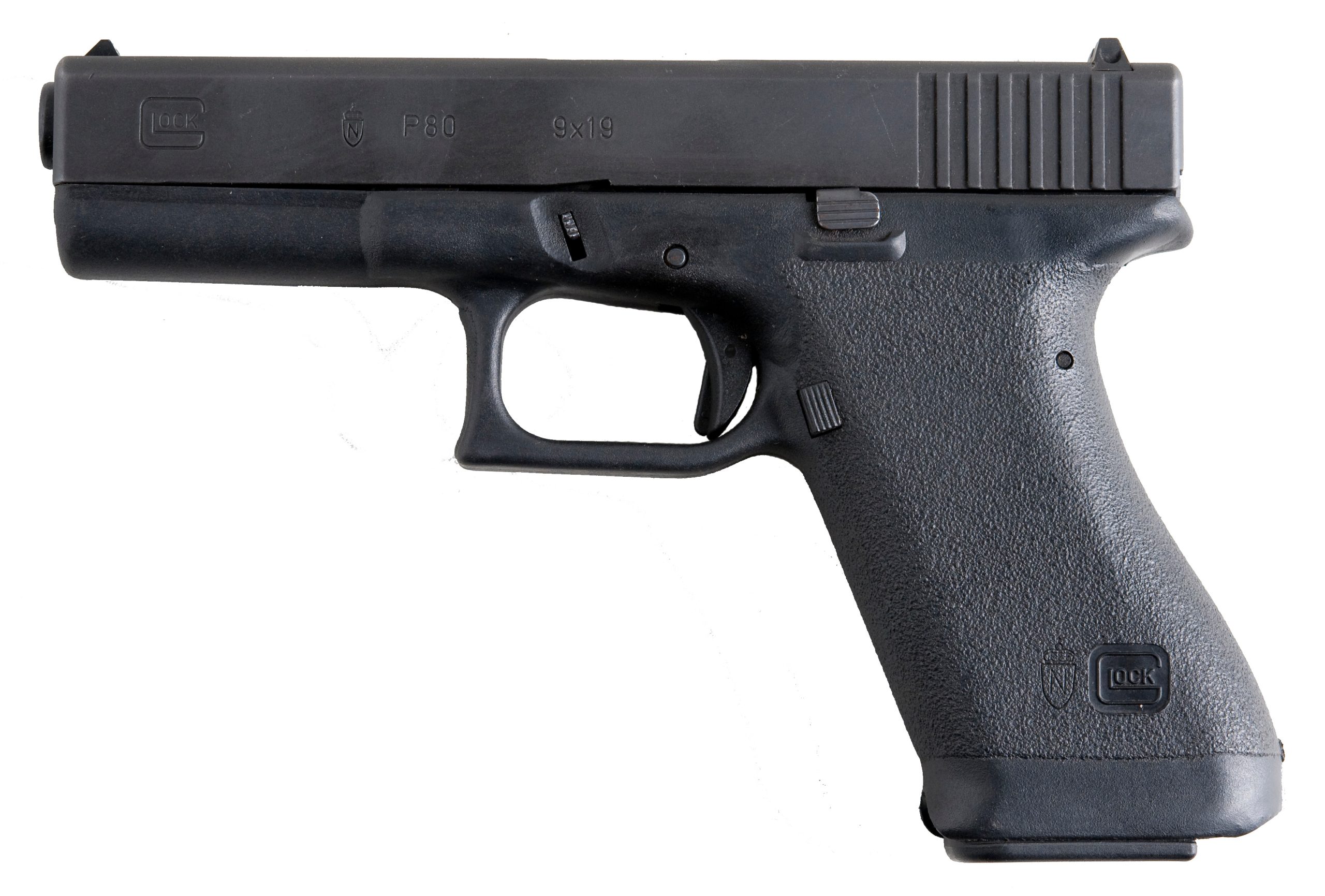
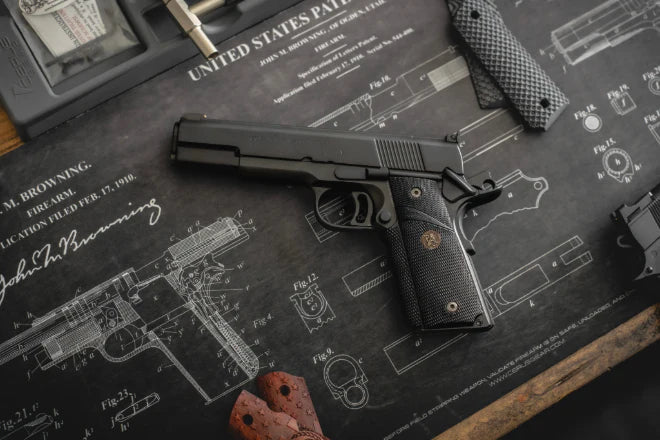
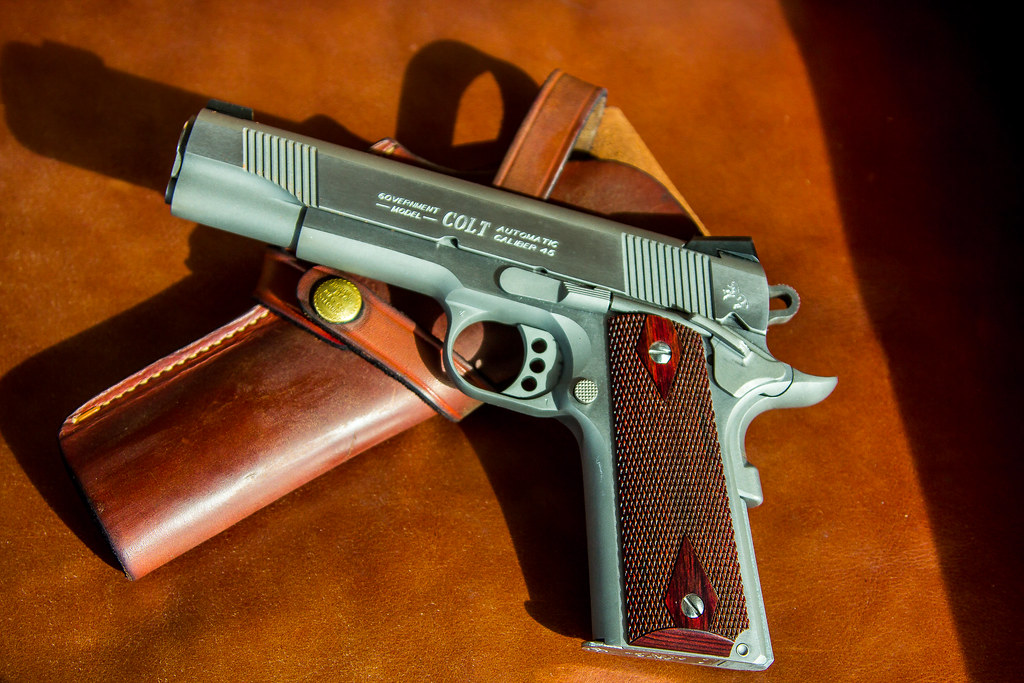
An unloaded 1911 of full-size and made of steel usually weighs more than 40 ounces and its weight usually determines which holster to use, the type of belt to wear and the fashion code. The positive aspect is the planted feel that most shooters follow more in a rapid fire. Polymer pistols will lessen that everyday weight – a Glock 17 is said to weigh 24.87 ounces, and lightweight firearms are easier to carry on the body over extended periods. It is not so much concerned with feelings of comfort but rather with what actually remains to be carried when the weather is hot, active or restrictive.
2. Trigger feel versus trigger consistency
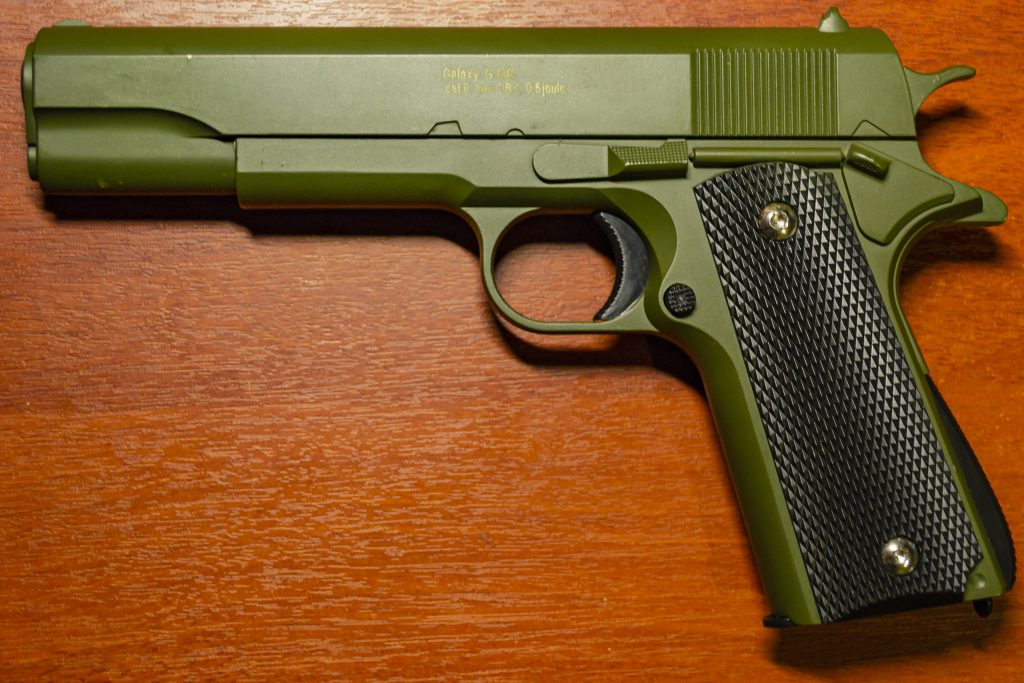
The single action trigger of the 1911 has been used as the standard in short travel, clean break and quick reset especially when accuracy and split times are required. Such accuracy even puts a premium on training of finger placement since the gun is likely to do what is requested precisely with minimal forgiveness. Polymer pistol striker-fired pistols give some of the finesse to repeatability: where every press is likely to feel like the first until the last, and this contributes to the formation of viable habits whether in dry firing or live firing. It is not just a theoretical difference, as trigger behavior determines the way a shooter trains and the rate at which performance can be stabilized.
3. Capacity that changes reload math
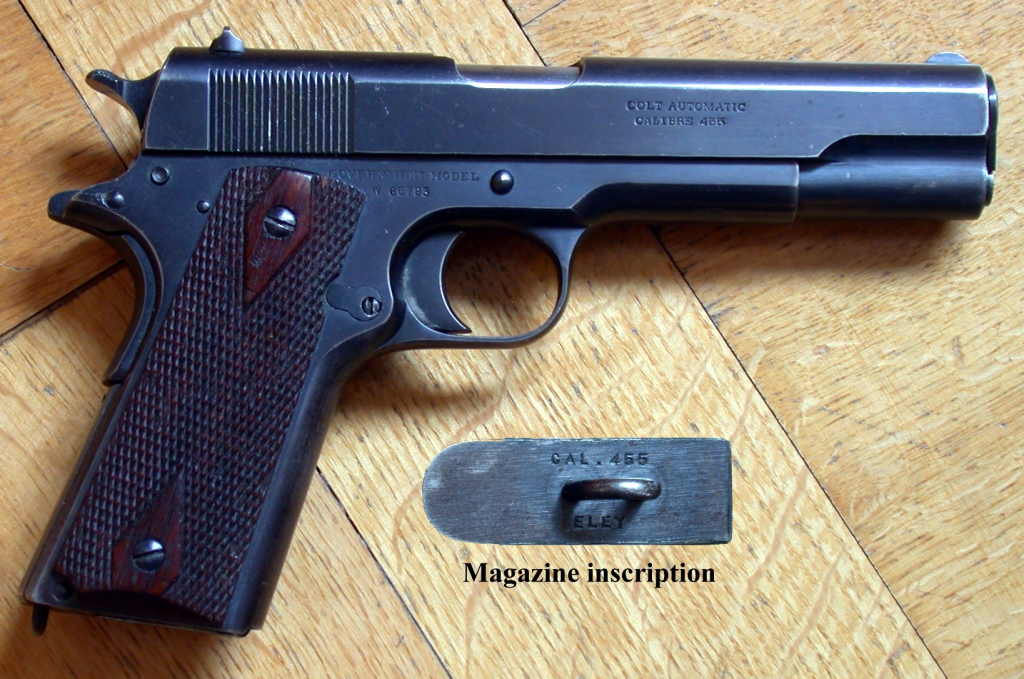
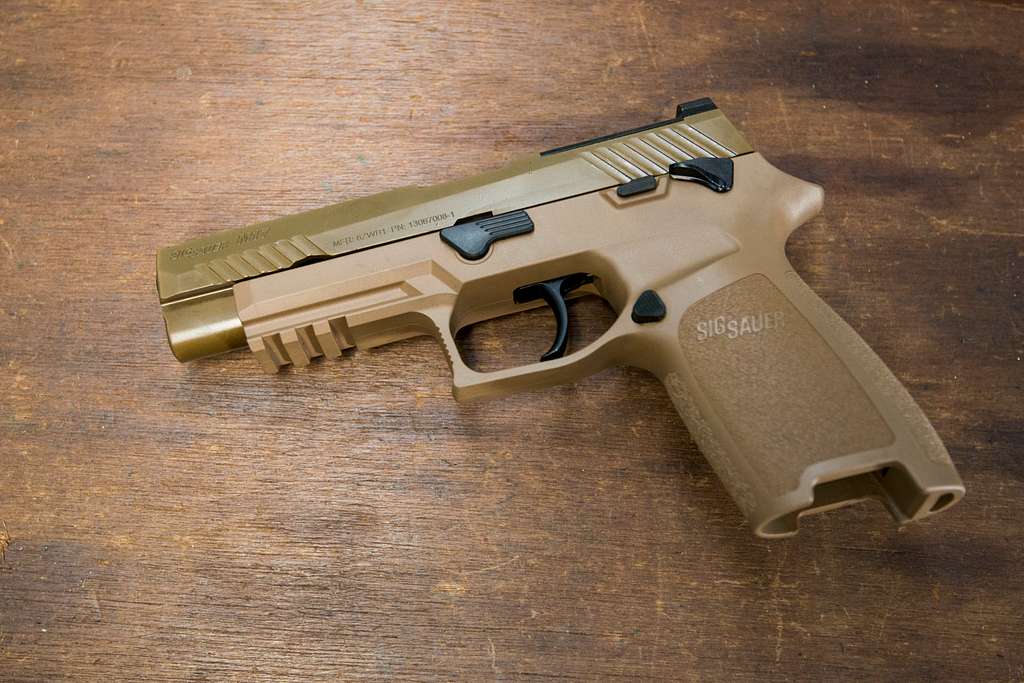
Standard 1911s made in the classic .45 ACP typically hold 7 to 8 rounds in a standard magazine, and even the 9mm models seldom even approach the current capacity of a duty-gun without shifting to a double stack design. Polymer pistols typically fire 1518 rounds in a flush-fit magazine, changing both confidence and realistic reload rate. This additional reduction of the need to carry more magazines can also change concealment and loadout decisions in subtle but real ways.
4. Tolerance for neglect, sweat, and grime
Steel guns may last decades, although they usually respond well to lubrication, cleaning and proper springs and magazines. The sweat and moisture are also to be considered; corrosion control is not the appendix. Polymer frames eliminate a single large parameter since they are corrosion resistant at the frame level, and the wider platform segment is constructed on the service use criterion where dirt and minimal maintenance is anticipated. The design aims at longevity whereby minimal demands will be imposed on the owner.
5. Frame behavior under recoil
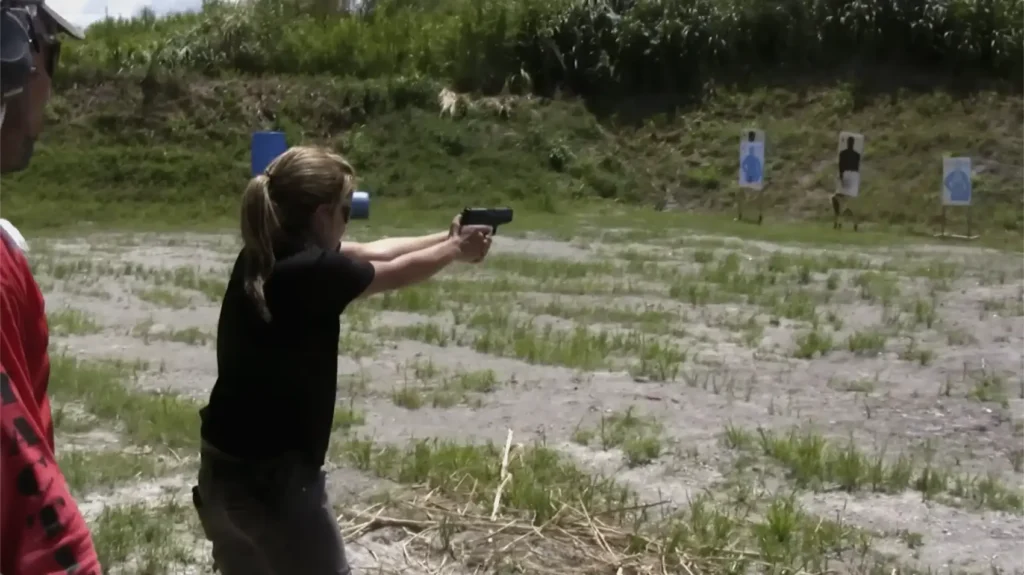
Mass is a tool of recoil-management, and the steel 1911 is good at it, and can have flatter tracking and smoother sight return, at least in the case of .45 ACP. Polymer frames have some flexibility and this alters the recoil sensation although there is no performance difference. When recoil impulse comparison is discussed, one often finds that the same theme is usually opened, that it does not only depend on caliber: it depends on platform. The general implication of the experiment is that training volume, speed work, and the enjoyment of a pistol during long sessions are influenced by recoil feel.
6. Concealability isn’t just thickness
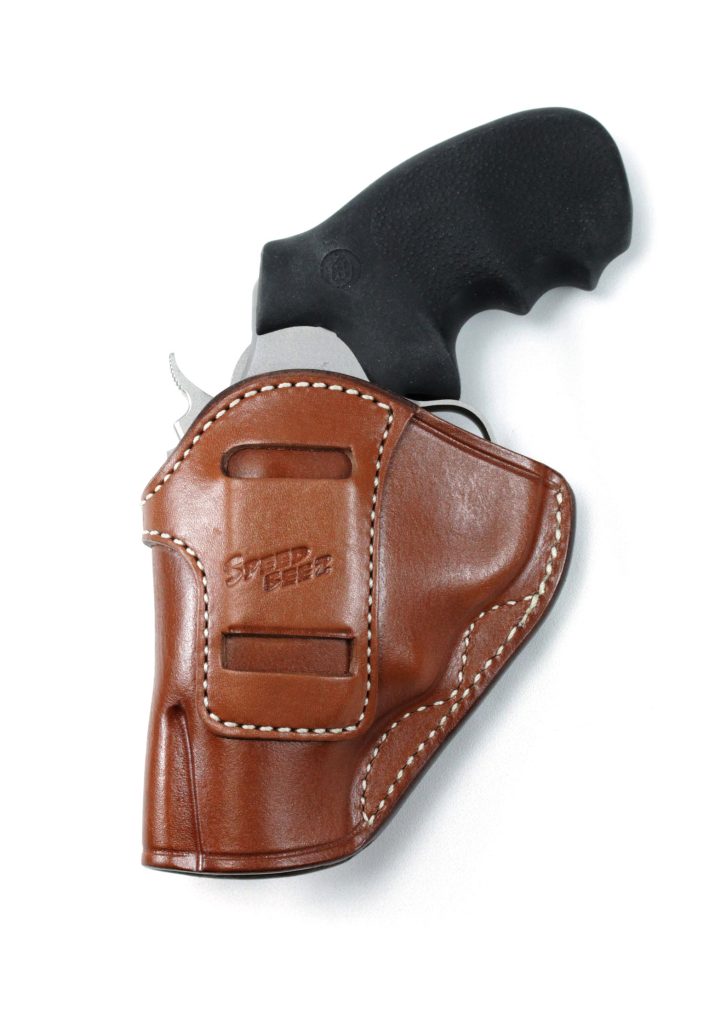
This can be assisted by a single stack profile of 1911, which is a bit difficult to hide during a full day, the weight of steel and length in full size. Belt rigidity, holster geometry and clothing decisions become tougher as the firearm becomes heavier. Polymer pistols have an advantage in this as they provide a compact and subcompact design that minimizes the length and weight also; this makes printing simpler and allows deeper concealment in a variety of body types and climates.
7. Controls and safeties that force different habits
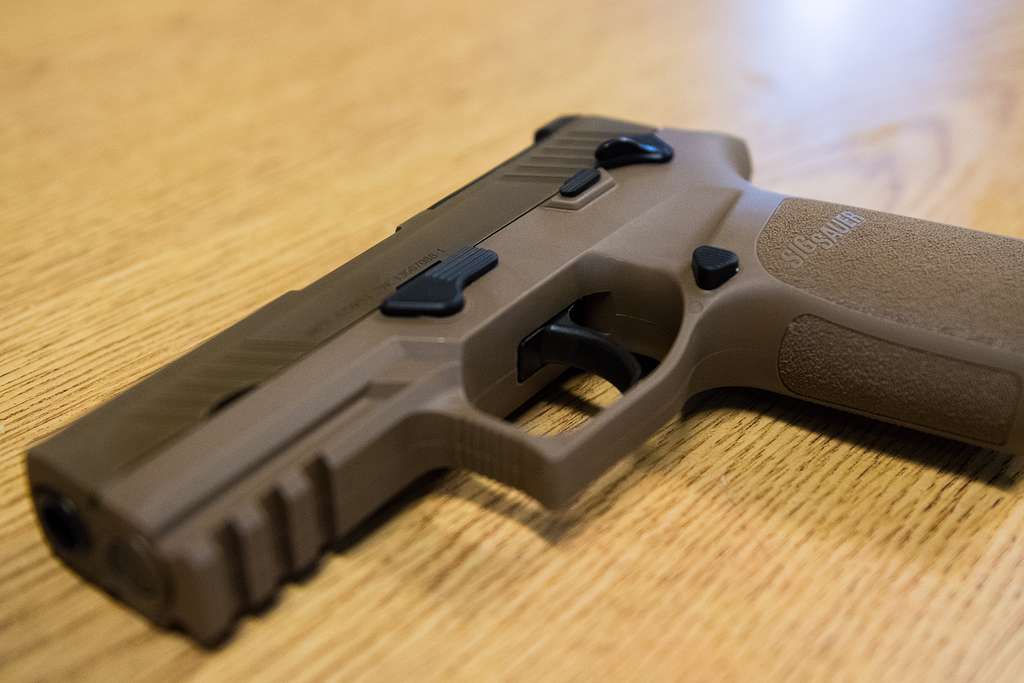
The thumb safety and grip safety of 1911 makes a manual-of-arms that can be very safe and very fast when trained but it is a system which must be practised. The platform is more likely to leave the user psychologically stimulated by the example of on safe/off safe choice and quality of grip. Polymer striker-fired pistols tend to be dependent on in-gun safeties and on external controls that are less stringent, shifting the responsibility of safety to holster quality and extreme trigger discipline. It is not about which one is safer, but what line of conduct each design needs to maintain to remain safe.
8. Tolerances: smooth when clean, stubborn when contaminated
The 1911 can be a little like mechanical clockwork when tightly fitted and this tightness can match with the precision-oriented shooting. Constriction also causes less room of grit, dried lubricant or marginal magazines hence the importance of upkeep and quality of parts. Polymer duty pistols are usually more tolerant to debris due to the operating envelope that presupposes the field of operation and large numbers of rounds in mixed maintenance regims. This is the silent motivation why most organizations standardize on polymer service pistols.
9. Emotional value and “character” versus pure utility
The 1911 makes a craftsmanship statement: metal finishes, traditional ergonomics, and a platform personality many of its owners make personal. Emotional attachment can be converted into practice, maintenance and familiarity. Polymer pistols have generally been considered as instruments, functional, interchangeable, and useful, without the same collector or heirloom attraction. Both attitudes may result in competence; it merely determines the way owners approach the gun through years of use.
The decision, seen in engineering terms, remains the same: the 1911 puts all the effort on a single feature, shooting feel and refinement, whereas polymer striker-fired pistols focus on only one feature, which is carry efficiency and harsh-handling tolerance.
The greater suitability is ascertained by the requirements of the pistol, day after day, in regard to its bearing, the frequency with which it is trained, and the amount of maintenance actually extended to it.


