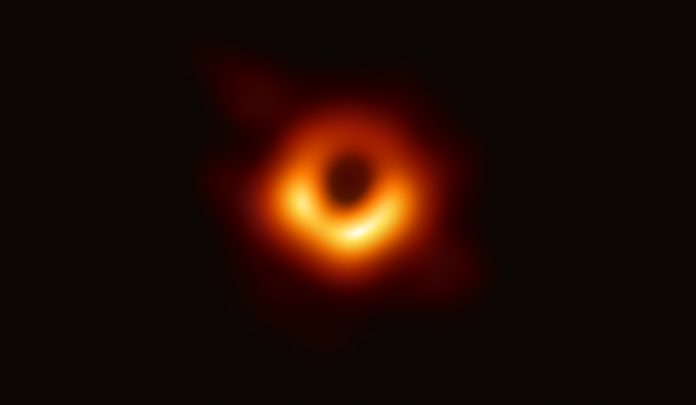
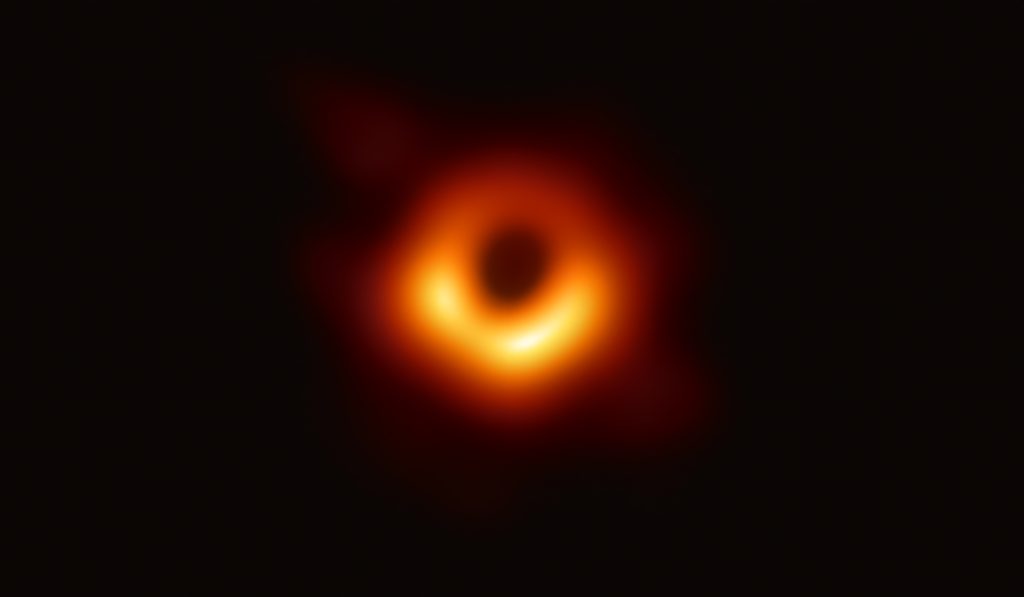
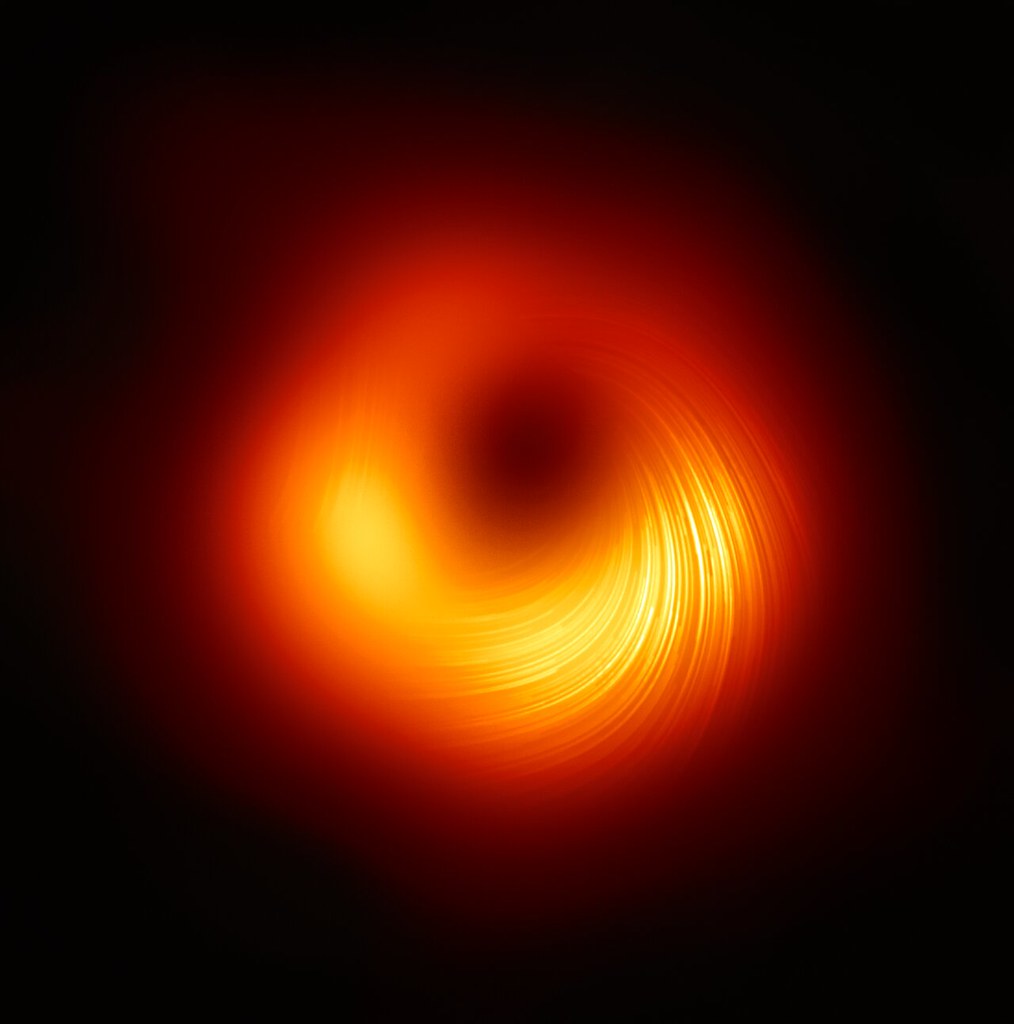
Shadow has become a household word ever since the first image of a black hole was produced. The more difficult part has been in transforming that figure into an operating map–the connection of the hot plasma ring of brightness to the great jets reaching out thousands of light-years.
In the case of M87 the supermassive black hole of Messier 87, that link has already begun to emerge. It is moving towards time conscious multi-instrument measurements of the field that can distinguish between the immediate environment of a black hole and the larger structures it drives.
1. A jet “base” can be inferred from what the EHT sees on intermediate scales
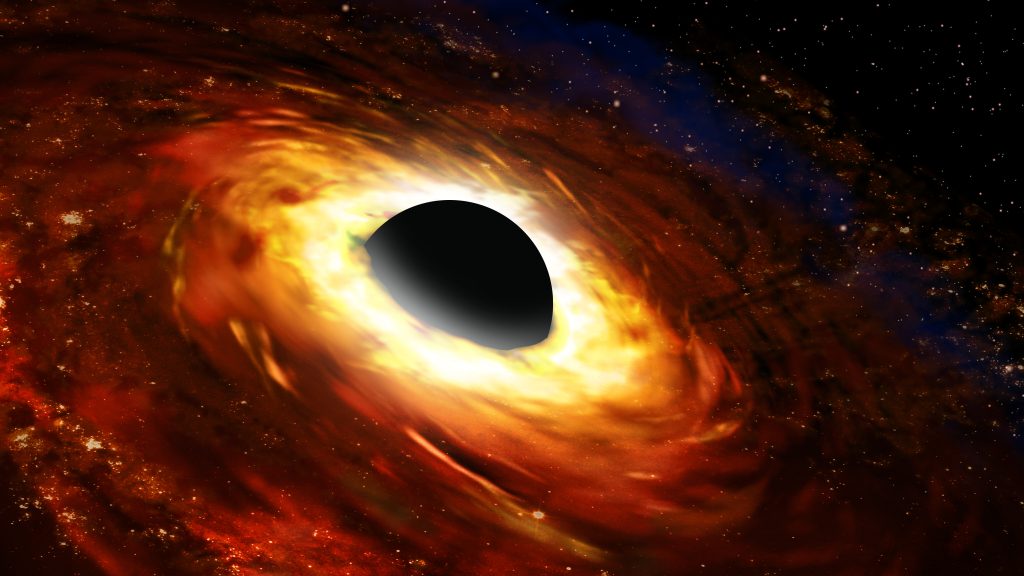
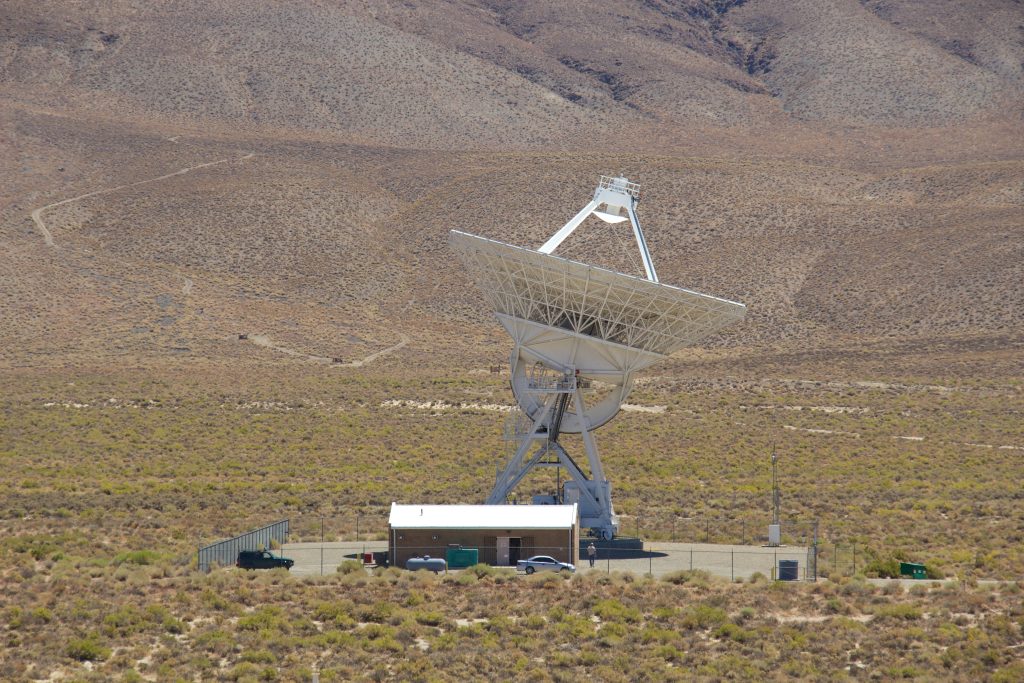
Photos of M87* are based on the variety of radio dishes which are widely separated and then connected into a single virtual instrument by the use of Very Long Baseline Interferometry. The crucial engineering fact is that the separation of telescopes is sensitive to the various physical scales: the short baselines record the broader emission that is nearer to the event horizon (long baselines) and shorter baselines record the compact ring (long baselines). Using more recent data, scientists contrasted the variation in radio intensity over those scales and discovered that the emitted light of the bright ring is not sufficient to explain all the detected light. There is also a model of another small part which is in line with a likely jet-launching region approximately 0.09 light-years away of M87*. What comes out is not a complete view of the shape of the jet, but it provides a physical address of where the outflow can lead to a point of connection with the shadow.
2. The ring is persistent, but its brightness shifts with turbulence
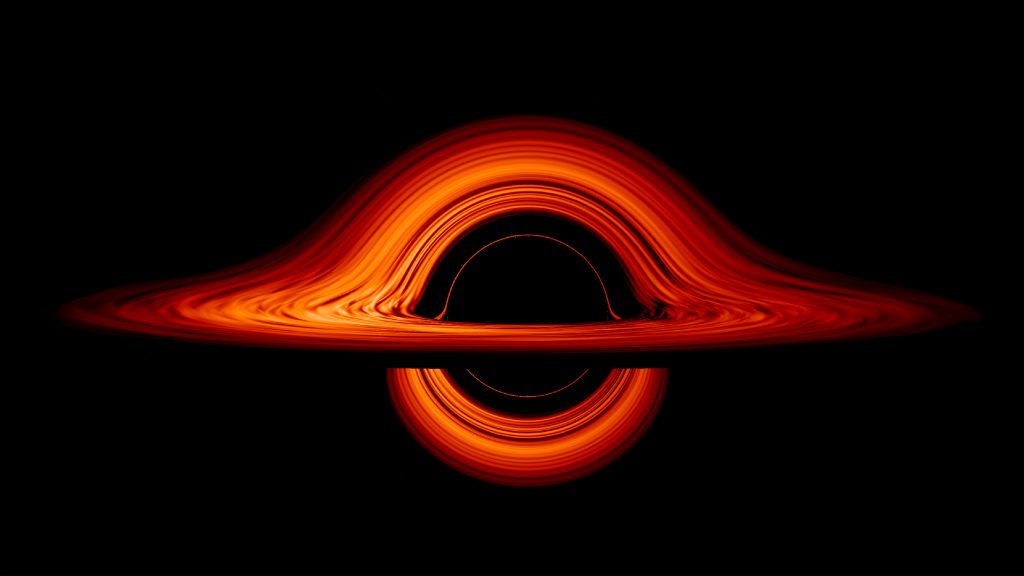
The reason why jets are hard to trace backwards is that the accretion flow is not a passive background. Multi-year EHT studies indicate that the ring structure repeats itself on a year by year basis, but the brightest part is not fixed. As compared to 20172018, the diameter of the ring was near 43 microarcseconds, and the brightest part was offset by about 30 degrees, a phenomenon indicative of a turbulent, changing plasma environment instead of a strictly repeating one. That ambiguity is important in that jet-launch models usually take a structured magnetic geometry, anchored in the inner flow. Measurements in time separated give information about the features that are persistent enough to seed a long-lived jet and those that are only temporary variations that only decorate the ring.
3. Higher-frequency, multi-band VLBI is turning “one image” into a layered system map
The jet of M87 is observable across the electromagnetic spectrum with the launch region having millimeter and submillimeter VLBI needs requiring the inner plasma to become optically thin to be probed nearly to the event horizon. An empirical constraint has been coverage in the lower distances in the length of the baseline the spatial in-between of the ring and larger jet structure. The more stations on arrays and better baseline distribution the better is that bridge. The same technical reasoning is applicable at different frequencies: the fact that structures can be seen at 230 GHz and are also seen at other frequencies helps to isolate the part of the emission that is centrally contained in the ring, part of which is contained in the inner jet and part of which can be found on larger scales. This multi-layered method minimizes the chance that an image using a single frequency will assign characteristics to the eventuality of the black hole.
4. The next EHT era targets movies, not snapshots
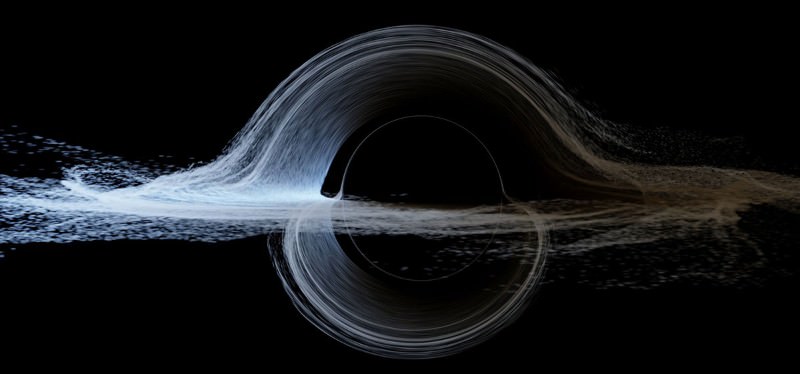
One ring image condenses a dynamical system into a single averaged moment. The next-generation Event Horizon Telescope is a significant advancement toward the next generation that will help make black holes and their movies in real-time, with the array footprint and observing capacity expanded. Time-resolved imaging is an alternate variant which alters the question to scientific question into one that is based on how structures move, brighten, and shear, and whether the changes happen before activity in the jet.
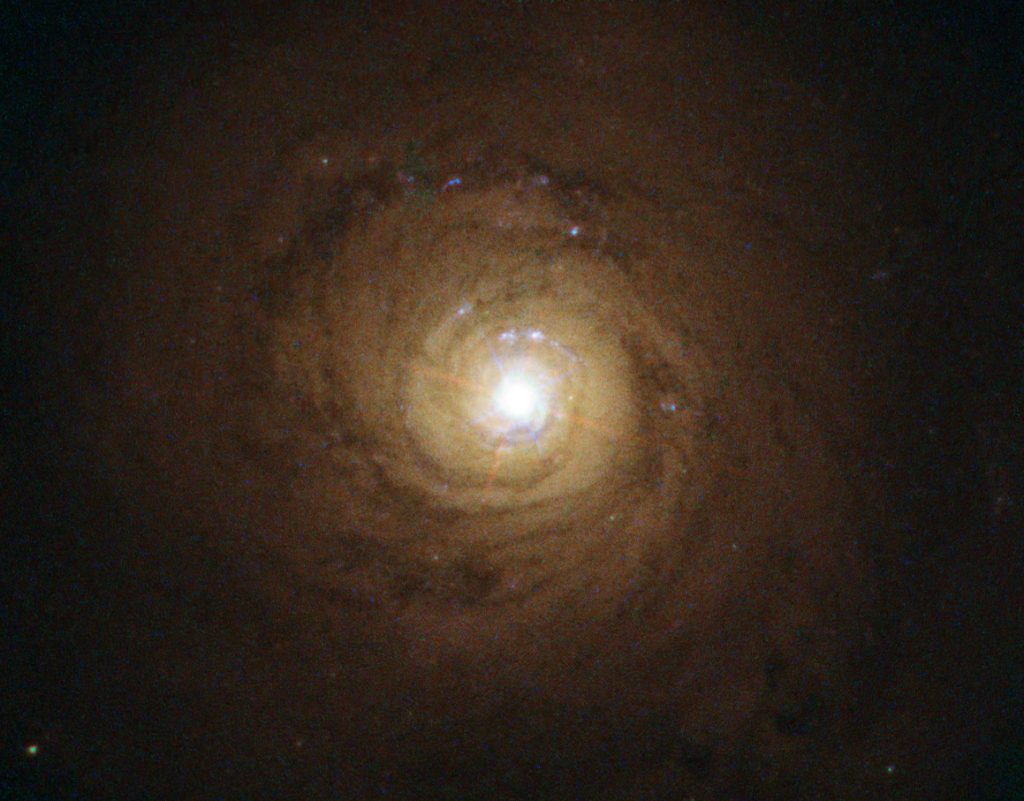
In the case of M87, where the jet has a length of approximately 3,000 light-years the promise is not an aesthetic juxtaposition of a ring and a distant beam but a chain of causal relationship in which measurably evolved closer to the shadow can be compared with cognizant behavior downstream.
5. Artificial intelligence is being used to reconstruct richer structure from limited data
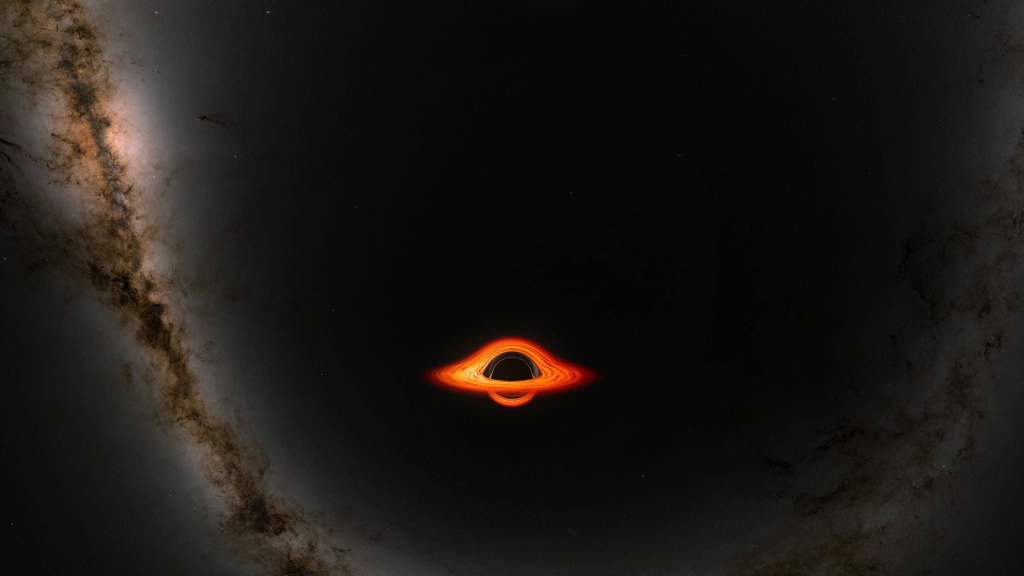
VLBI does not store an image as such, but it stores sparse samples of spatial information that need to be reconstructed. With scientists moving to time-resolved and even volumetric imaging, the volumetric imaging becomes the center of attention just as a telescope hardware.
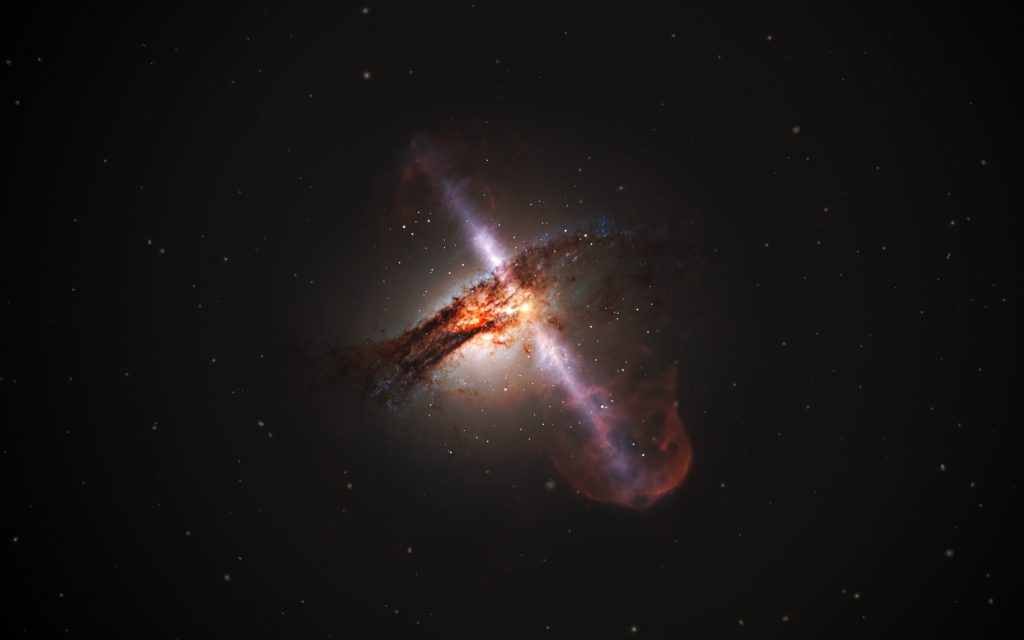
An example is the TomoGrav project, which seeks to do 3D movies of plasma flows around black holes using incomplete measurements based on the more sophisticated algorithms, called dynamic gravitational tomography. The technical reason is easy to state: elevated inference on the basis of constrained sampling results in more precise restrictions on how the magnetic fields and hot gas structure around the event horizon- the precise components involved in jet launching.
6. Gravitational-wave observatories will supply the missing “soundtrack” for black hole growth
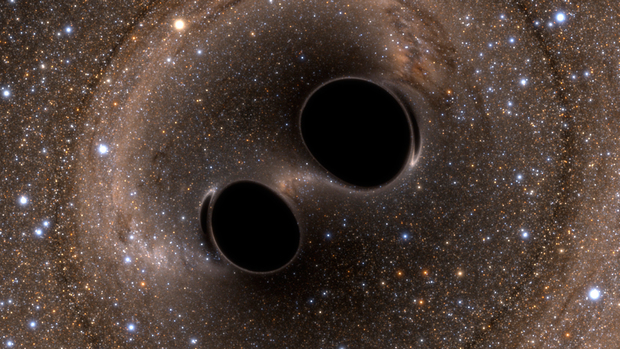
The imaging is at best at the immediate surroundings of a bright nearby object like M87(asteroid). However, most of the most impactful black hole phenomena, in particular mergers, are most effectively announced as spacetime ripples other than as light. The Laser Interferometer Space Antenna scheduled is set to resolve very low-frequency signals compared to ground-based devices which are expected to be sources of merging massive black holes. LISA will do so with an interferometer covering several millions of kilometers; to reach its science band LISA will have to go to space, and probe down to approximately 0.1 mHz, which will allow it to observe systems that cannot be tracked by a ground detector.
All these developments put together a new concept of the famous shadow which is seen as a starting point rather than an end point. Intermediate baselines start to provide an attachment between the ring and the inner jet; multi-epoch analysis considers the accretion flow a living system; and new reconstruction methods seek to provide motion and depth, not merely outline. The prize is not only a clearer view of M87, but a more universal map of engineering of how jets are attached to black holes, constructed out of coordinated measurements of structure, variability, and gravity itself.


