There is plenty of guns that appear timeless. Far fewer work timelessly. The designs continuing to appear on ranges, in training, and on the field simply have the quieter aspect, their mechanics continue to handle risk. They feed when the gun is dirty and lock when the press trigger is in a hurry and continue to handle as the roles and accessories change. The manufacturing and materials have advanced, however, the issues at the bottom have not.
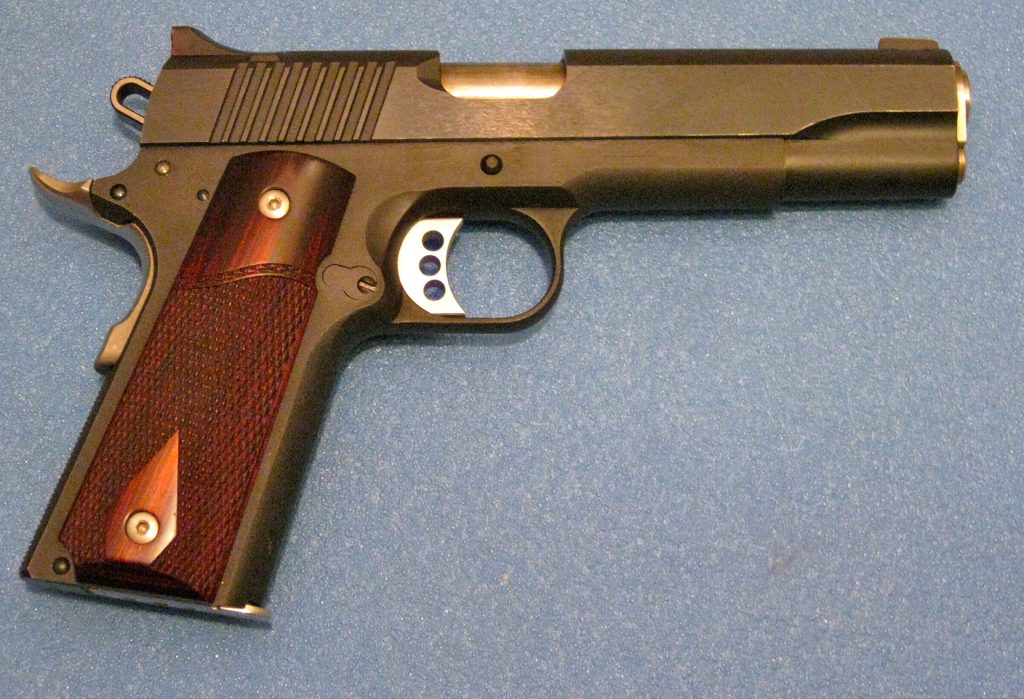
1. The 1911’s straight-pull trigger
It is possible to turn many pistols into accurate ones; it is hard to find pistols where a repeatability of accuracy can be experienced under recoil. The trigger of the 1911 is free of swinging on an arc it moves direct back, minimizing the sideways contributions which creep into a press when the shooter begins to pursue speed. Such geometry, combined with a one-action system that does not switch modes between shots, had established a template of predictable feel. Traditional factory examples are supplied with triggers of the order of 4 to 5 pounds and the internal configuration of the platform is designed to allow tuning pre-travel, over-travel and reset without having to rewrite the entire pistol. Practically, however, the mechanism continues to impart the same lesson it had taught a century ago: a uniform interface may serve as a stability attribute in its own right.
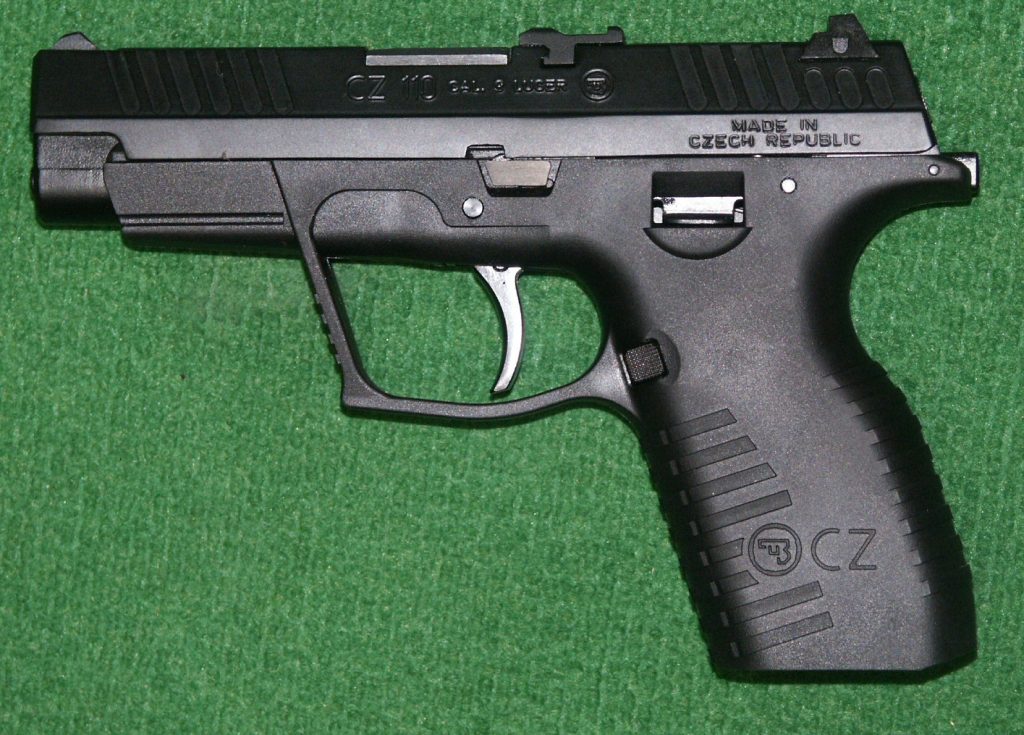
2. Polymer-framed striker pistols built around parts commonality
It is not that the modern striker-fired service pistol became dominant due to novelty but rather because of a maintenance logic that expanded. The most widely known is the pattern of Glock because it is frequently said that it involves only 34 component parts. The reduced parts are not necessarily better, but the failure tree is reduced: there will be fewer distinct springs, pins, and interfaces which can drift out of band or make troubleshooting more challenging. The flipside to consistency is consistency, however, the same takedown, similar underlying geometry, similar controls in a family of pistols, which is why institutional training and armorer effort is more predictable. It is that industrial discipline, like any other feature, which gives the mechanism its staying power.
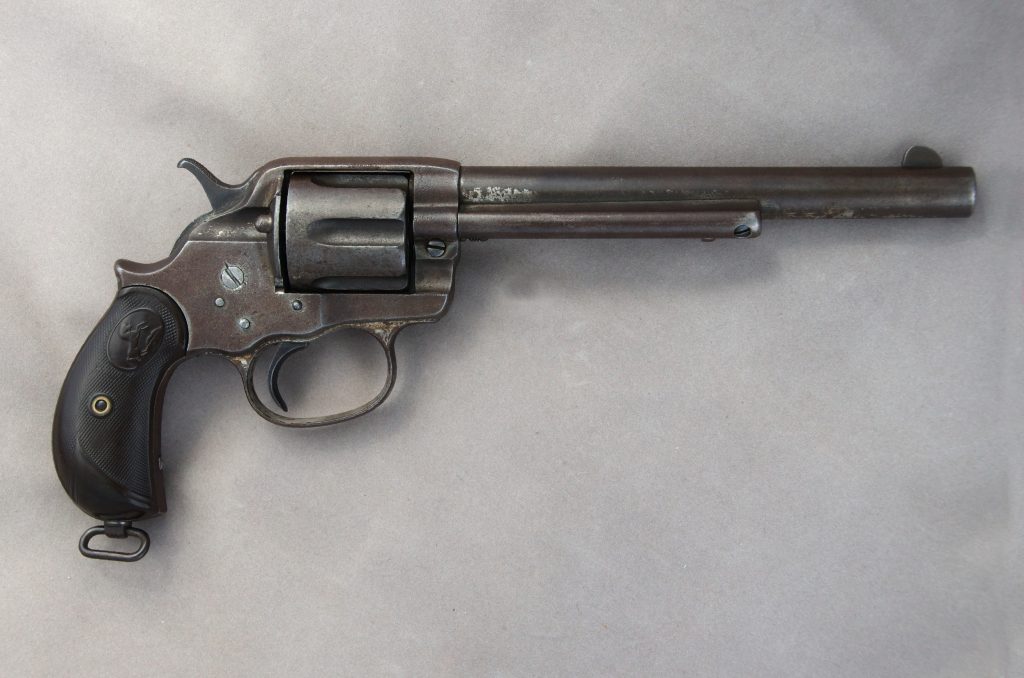
3. Double-action revolver timing as a mechanical truth serum
This is what makes revolvers survive they are violently straightforward in the promise of their operation: with every press of the trigger, another chamber gets loaded and there are no magazine presentation angles and slide velocity. The punishment is a complexity concealment. The synchronized motion which gets the cylinder stop withdrawn and the cylinder moved by the hand and ratchet and the next chamber locked before the hammer falls is called the timing of revolver. The S&W K frame is a general S&W K-frame that consists of about 58 parts to bring the machine to life, and of which approximately 20 are directly related to the alignment and lock-up of the cylinder. Wear will frequently be telling on itself when the gun is worn, such as late lockup, unreliable carry-up or the second click, which is always late. The double-action revolver, as an artifact of engineering, has been used as a prototype of how closely choreographed mechanical systems can tell the user condition.
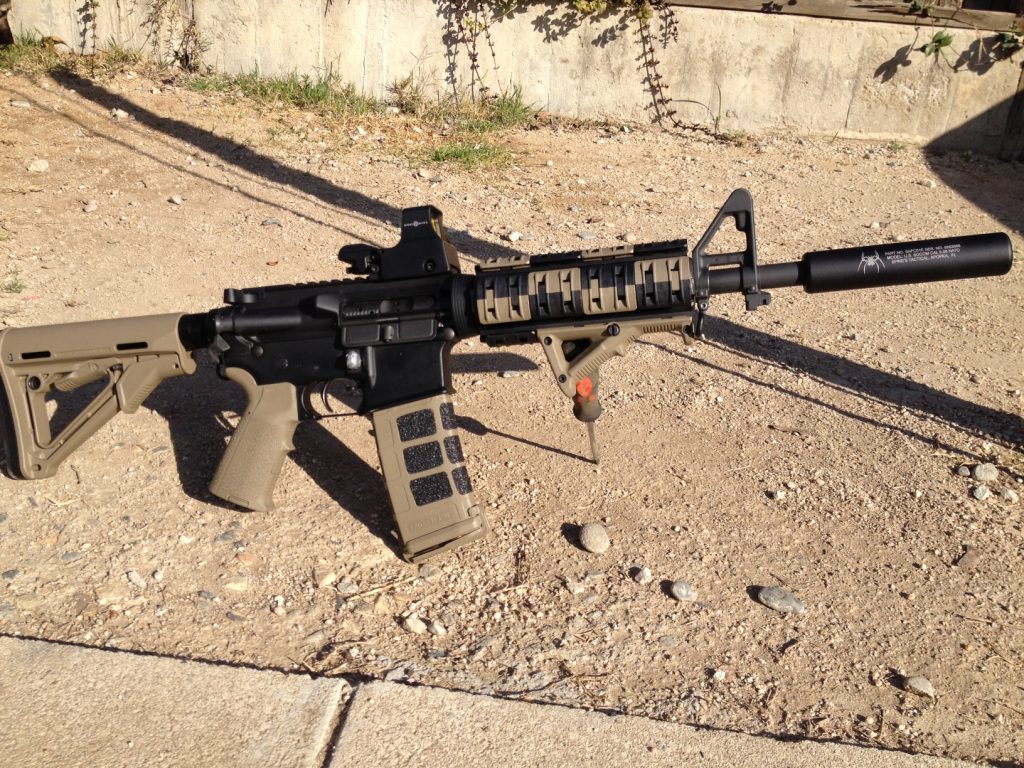
4. The AR-15’s split-receiver modularity
The durability of the AR-15 pattern is based on design. Distributed upper and lower receivers and standardized barrels, bolts, and furniture interface allow the platform to be configured through a parts swap instead of redesign. It was that design choice, over any individual caliber or appendix, that made the rifle a real system, capable of accepting barrel lengths, optics and purposes yet retained the same manual of arms. Modularity has been considered to be more of a lifestyle feature, the fact is that it is a sustainment feature. A reconfigurable/repairable rifle does not need specific fitting hence it can stay in service longer at a slower friction rate than other rifles.
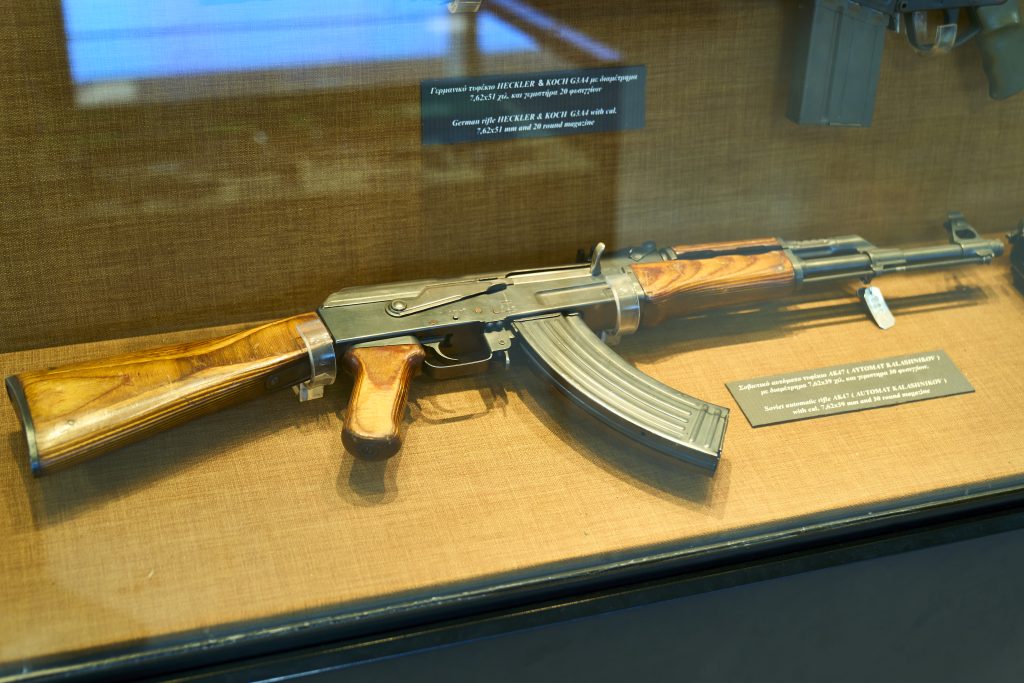
5. The AK’s tolerance-driven reliability approach
Whereas, the AR-15 rewards tight standardization, the AK pattern rewards tolerance management and functional simplicity. It is not a reputation of grace, but that of a contrivance which will continue running when dirting, heat, and grubbing begin to accumulate. Control is simple, field operations are simple and the operating cycle designed to be more tolerant to variations without being fussy. Being a design language, it demonstrated durability could be a designed floor, and not a fringe package or a doctrine of maintenance.
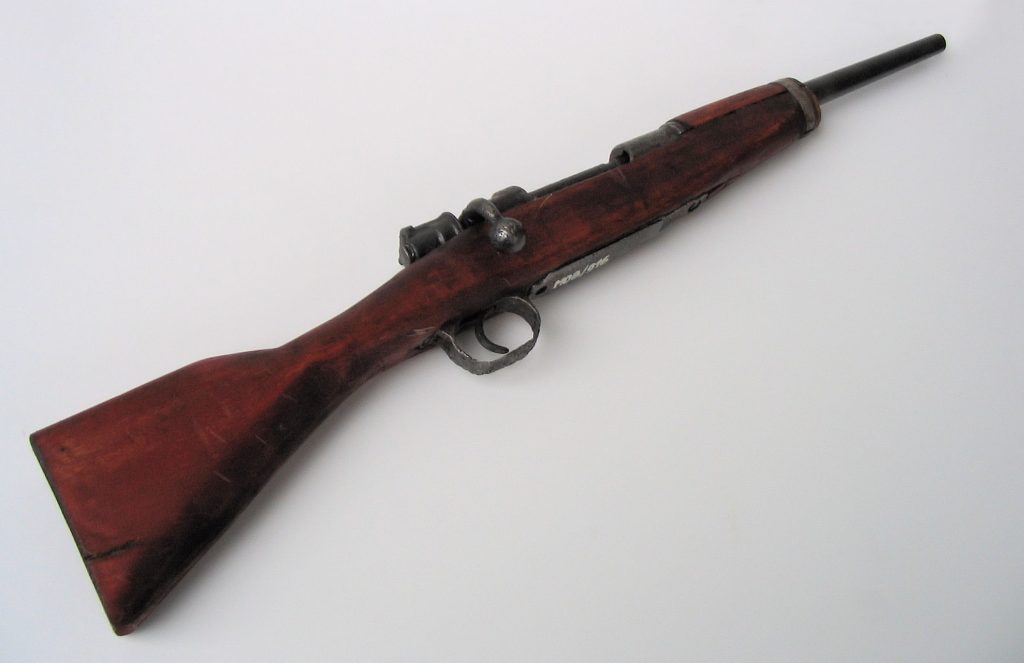
6. Mauser 98 controlled-round feed as a feeding philosophy
Controlled-round feed is not a sales term on the Mauser 98 it is a machine entry. To prevent the potential of misalignment during the rush cycling, the extractor holds the rim and the cartridge is stripped off the magazine and the process is maintained through chambering and extraction.
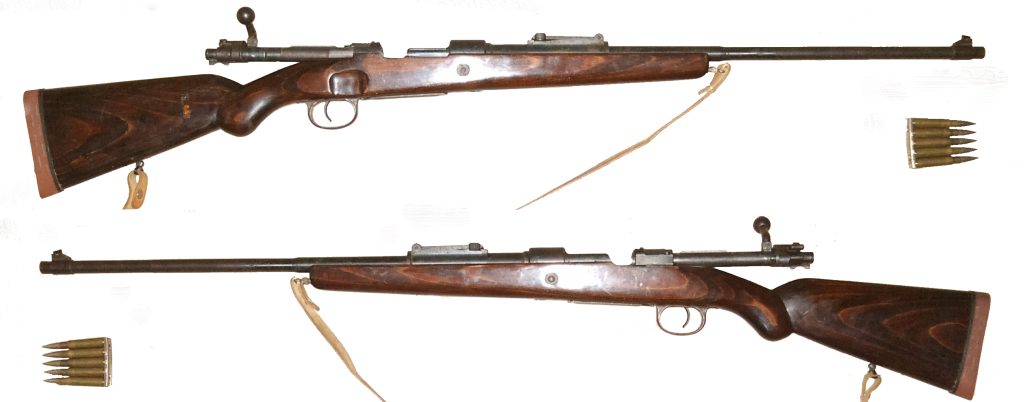
This is why the Mauser 98 became the prototype of the must work bolt guns, having such characteristics as two locking lugs, non-rotating claw extractor, fixed blade ejector, and 3-position safety. The effect of the mechanism is seen in later sporting and military rifles, and its fame continues since its feeding cycle is easy to explain and difficult to discontinue.
7. The Winchester 1894’s lever action built around practical packaging
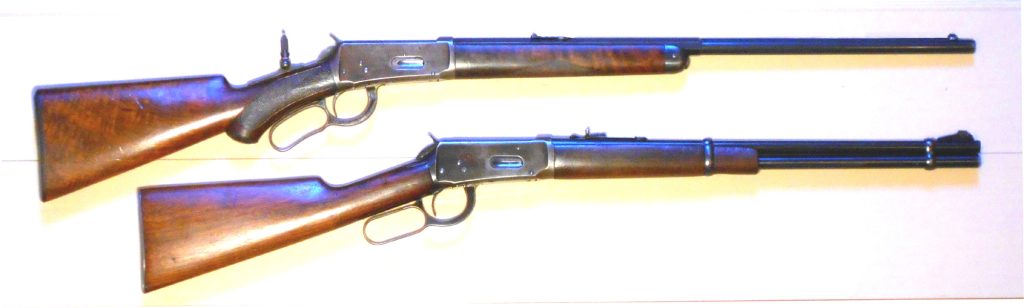
The staying power in the Winchester 1894 lies in the carrying capacity of the gun and in the speed at which it can be worked, and not the nostalgia. It is also closely linked to the .30-30 since it was the earliest commercial American repeating rifle designed using smokeless powder and the design later on became a benchmark in terms of volume too with over 7,000,000 copies being sold. Its lever mechanism, under the hood, provided room to swap longer cartridges without straining the receiver, but made the rifle compact and easy to shoulder.
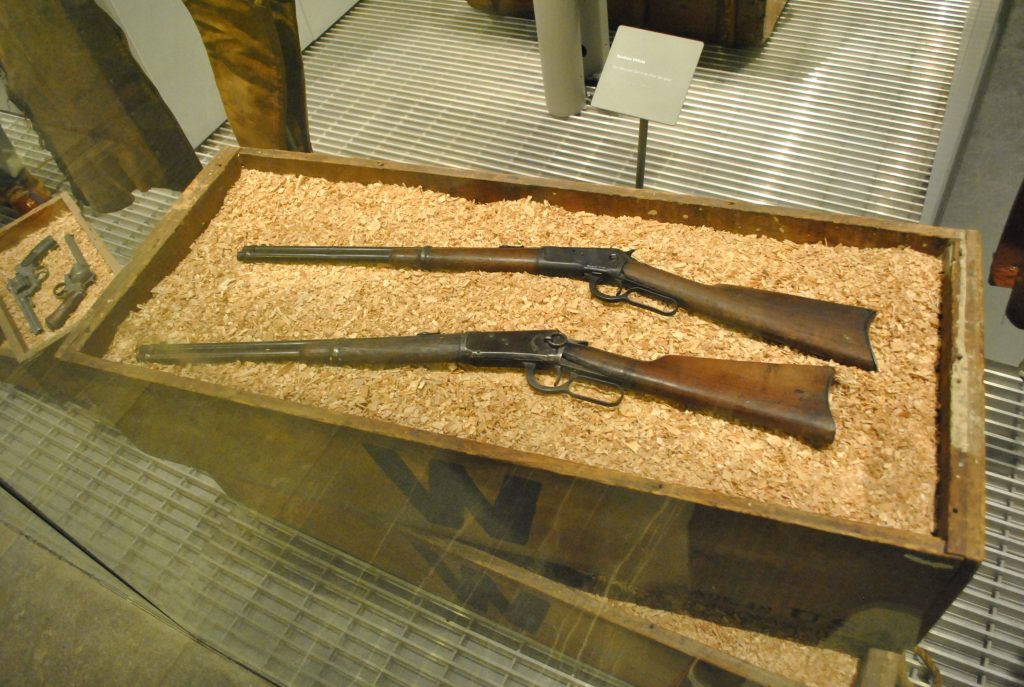
Subsequent modifications, like the introduction of angled ejection to fit receiver-mounted optics, point to a bigger picture: even old mechanisms can live long enough to compromise around the behavior of their users, rather than insist on it. Through pistols, revolvers, bolt guns, repeaters, what is shared is not time or style. It is how some processes make the number of things that could be wrong smaller when the inputs of the shooter are not ideal and the circumstances are not favorable. This is what makes such designs continue to be reference points: not due to their age, but due to the fact that the results they yield are repeatable due to their engineering.


