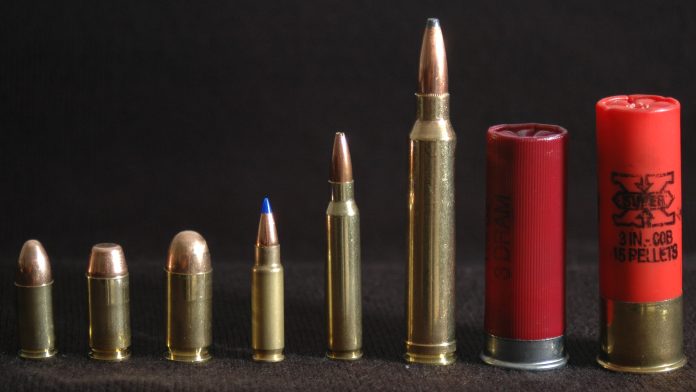
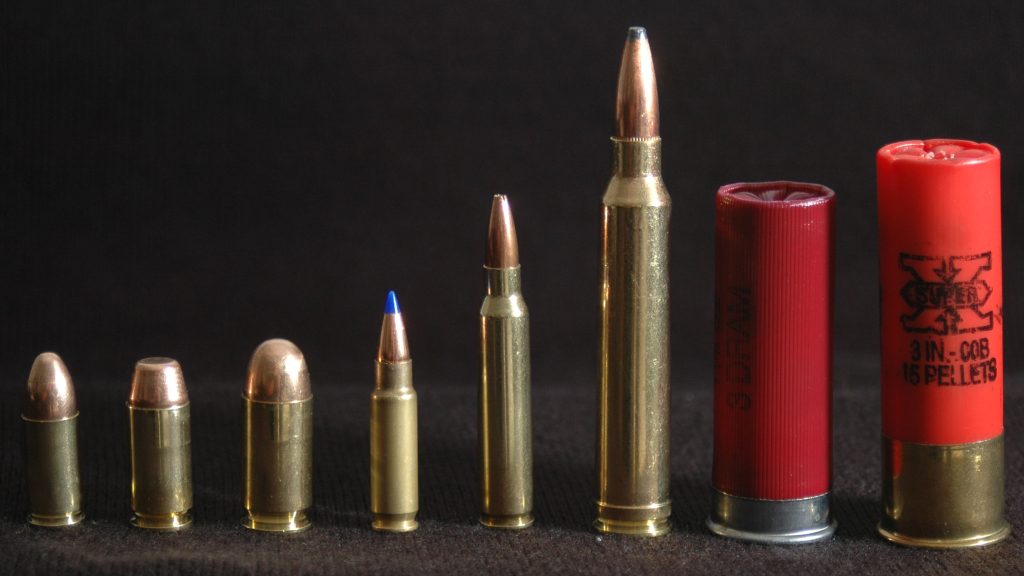
Selling handgun ammunition is done on numbers of energy, expansion photos and huge boasts regarding stopping power. In times of stress it is all about the simplest things: the gun must run, the shooter must hit, and the bullet must strike something significant.
It is at that point that most of the more popular (or undervalued) handgun choices fail. In standardized testing, the yardstick that has often been quoted is that of the FBI, 12-18 inches penetration range, constructed on the advice that actual persons are angled, moving, and sometimes partially covered by arms and clothes. The same round may be a fine shooting one in a perfect situation and may disintegrate when the shot is less than perfect.
These seven calibers and applications continue to exhibit the same type of issues such as low dependability, shallow penetration, inconsistent expansion, or recoil which decelerates the usefulness of follow-ups.
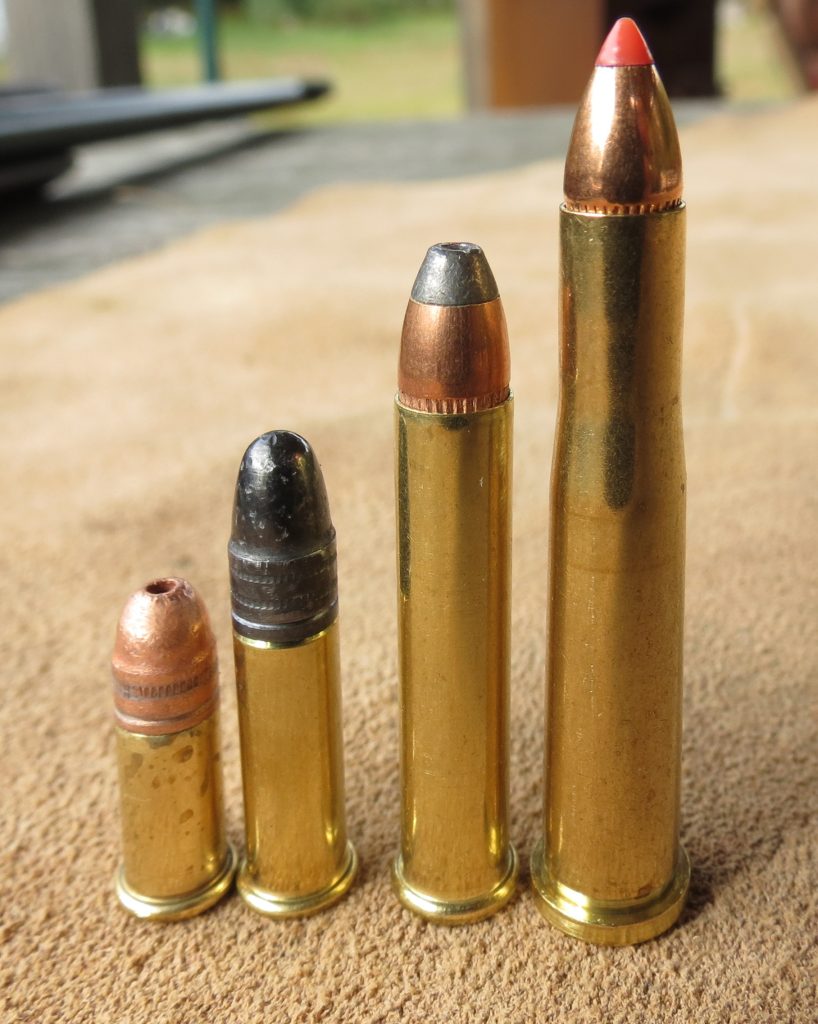
1. .22 Long Rifle (as a primary defensive choice)
The reason why 22 LR is still popular is that it can be shot quite well particularly in small guns. The tradeoff is inherent in the design: rimfire priming is typically less reliable than centerfire and small rimfire cartridges are more likely to experience a failure due to irregular ignition or unstable handling. Contemporary defensive .22 loads attempt to counter by focusing on straight-line penetration with short barrels; Federal has designed the Punch load with 12-inch penetration in mind and factory test results claim 13.75 inches of gel. Even in this case, the.22 LR is still a thin margin choice: the functionality in a particular handgun and repeatability of the shot placement are crucial to its performance.
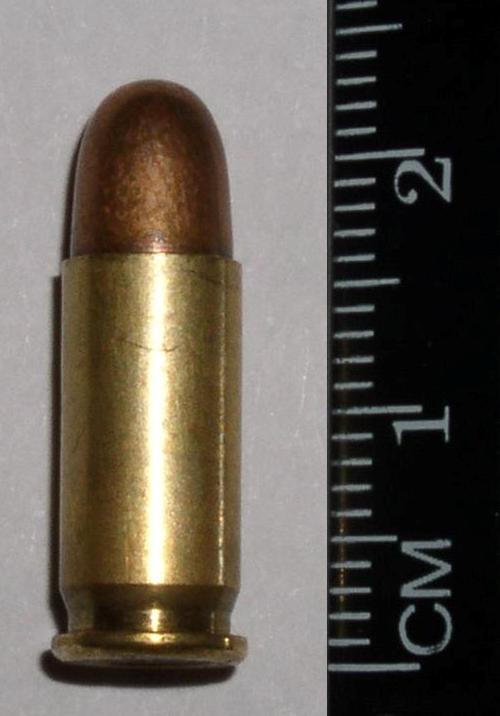
2. .25 ACP
The reason why 25 ACP exists is largely due to the early pocket pistol always requiring a centerfire cartridge to act more or less like.22 LR. Practically, it provides extremely low energy e.g. it is frequently mentioned that the energy is below 70 ft-lbs and gel tests often indicate that there is minimal penetration and that little or no significant expansion exists. What is more problematic is that the central feature of the cartridge (centerfire ignition) does not compensate all the other factors very often: small sights, small grips, and the outdated model of pistol that makes such shooting impossible as fast and accurate as it should be.
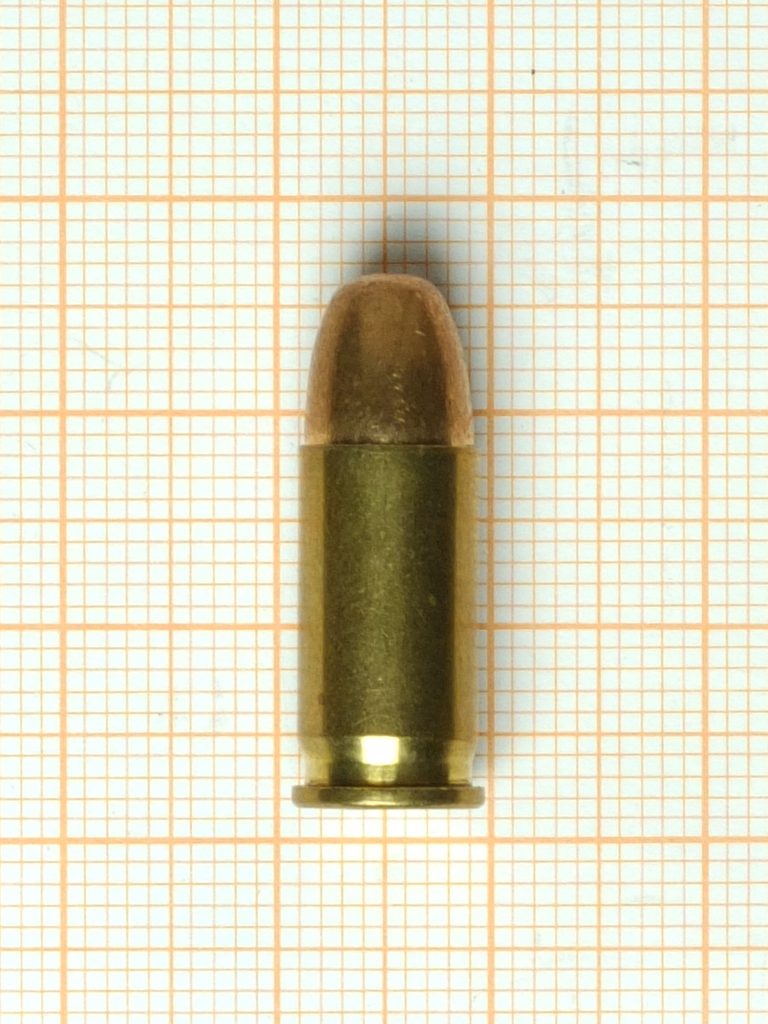
3. .32 ACP
The service history of 32 ACP is long and due to its light recoil, the shooters are able to hold on the rounds on target. The disadvantage is that normal defensive loads are just as close to rimfire power as they are to modern service calibers and clothing penetration with hollow points is unpredictable- particularly when the hollow points plug and act like FMJ. Inconsistent expansion is often the failure mode that the FBI protocol attempts to test when starting with a cartridge already having a modest momentum and thus inconsistent expansion.
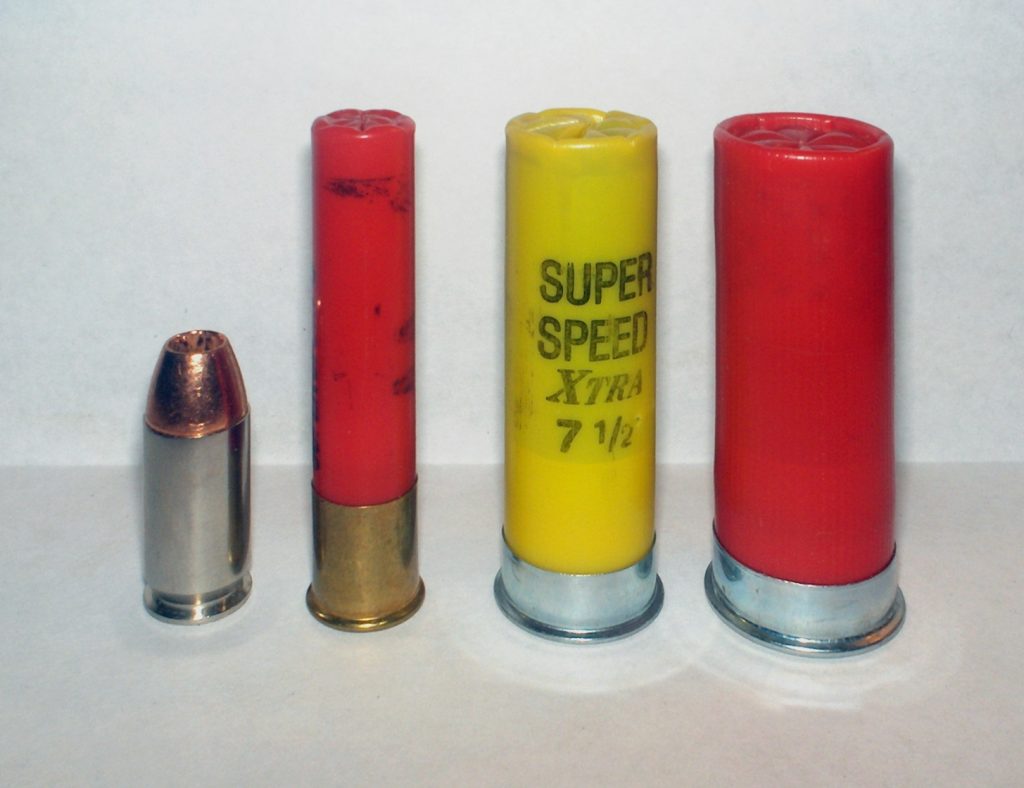
4. .410 shotshells fired from revolvers
The selling point is called shotgun effect, but short revolver barrels and rifling oppose the shotshell loads. The patterns can be opened faster and the spray that appears to be pardoning on paper becomes a burden as the pellets fall outside the target area. Individual testing of.410 defensive loads demonstrates the degree to which the platform is significant: buckshots may remain tight and penetrate deeply when fired through a shotgun at indoor range, whereas mixed-projectile loads may drift off target as the range increases. Another point of variability is that the revolver format is also a shotshell design, but now the shotshell design is expected to work within a very different launching environment.
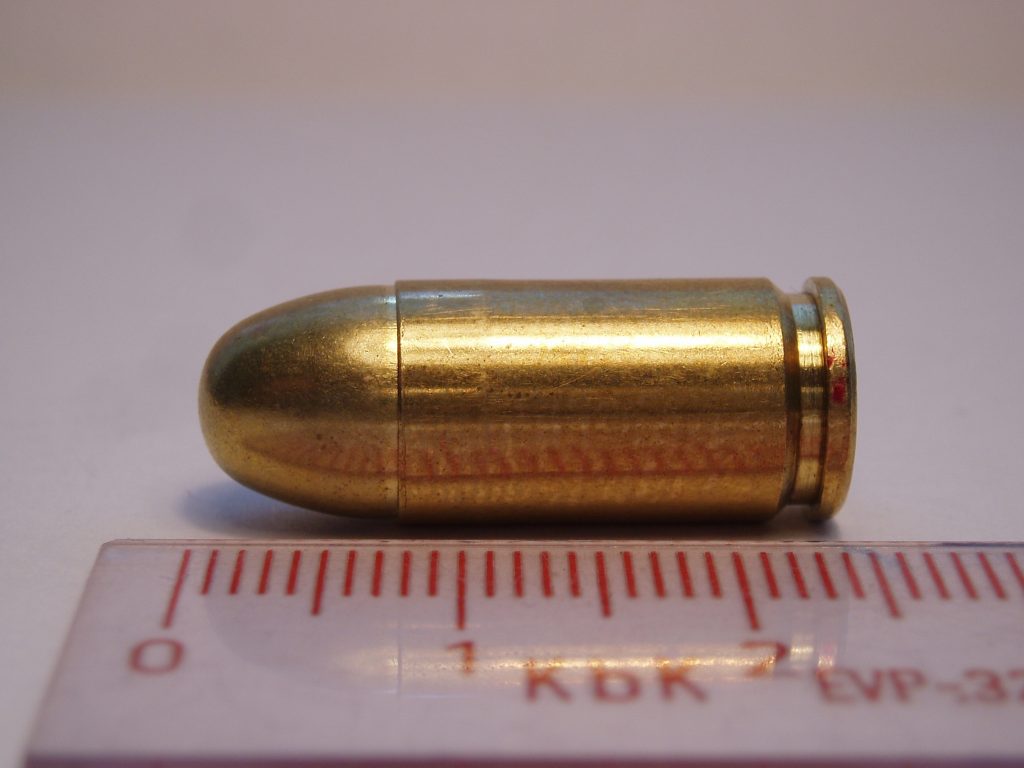
5. .380 ACP (with underpenetrating hollow points)
380 ACP is capable of working but it is the caliber where choice of ammunition counts more than most individuals would consider. In short barrels, there are hollow points which swell prematurely, and do not reach 12 inches; there are others which swell more satisfactorily, and never swell at all. The heavy-clothing testing of Lucky Gunner showed that.380 had the least results generally across all the common carry calibers, with very few loads showing a good trade-off between penetration and expansion. Small, light pistols are also in the cartridge. When the ballistic figures are acceptable, that combination can be snappy enough to stretch split times and loss practical accuracy.
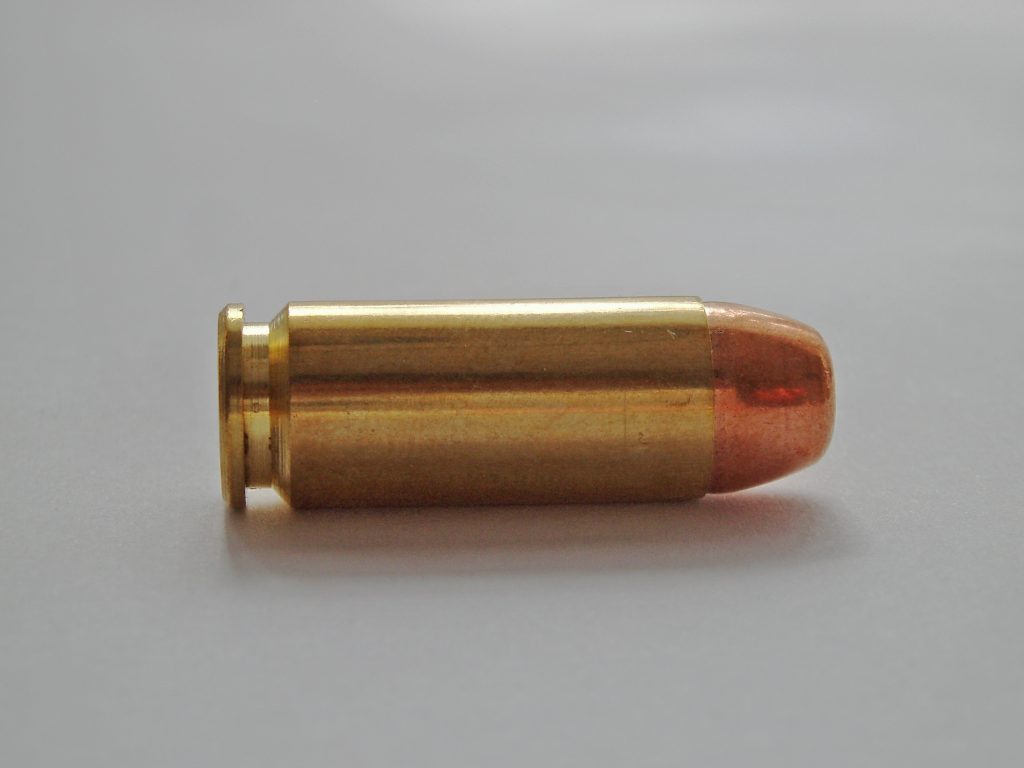
6. 10mm Auto (as a general-purpose concealed-carry answer)
10mm Auto can easily achieve the standard of penetration, but can be prone to recoil and muzzle blast making it difficult to shoot fast enough to deal with regular carry scenarios. In the 10mm gel work of Lucky Gunner, only 5 out of 11 test pieces passed the FBI penetration window and also expanded well; several pieces either over-penetrated or could not penetrate heavy clothes at all.
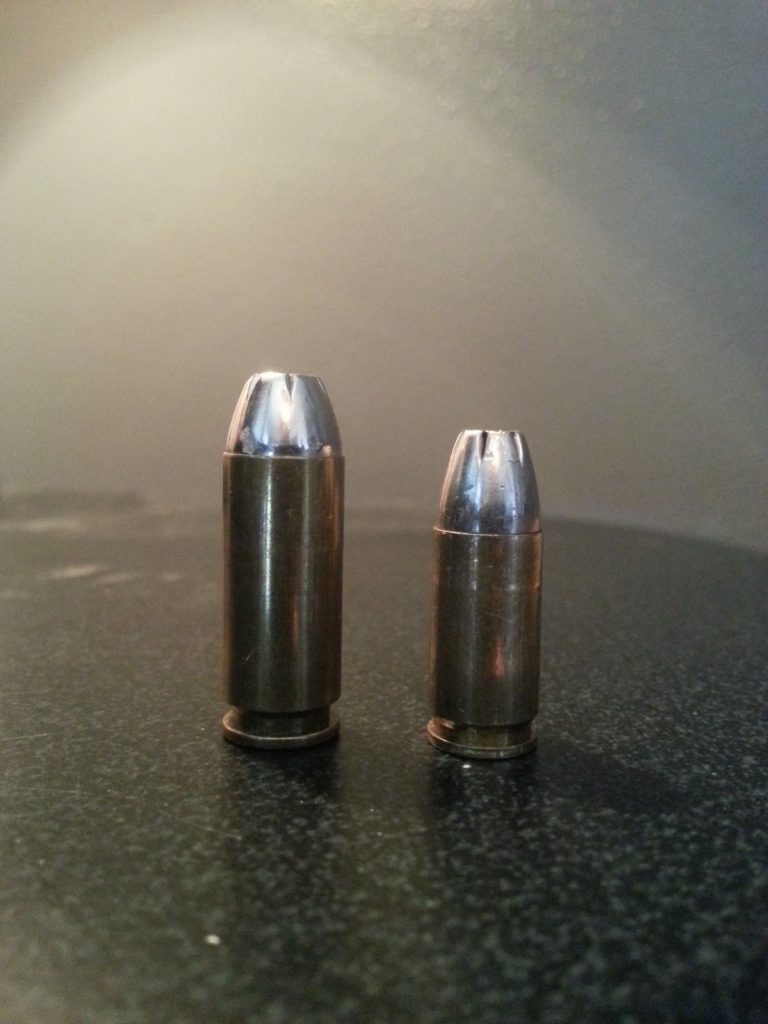
Bullet mismatch is another common issue: lots of 10mm hollow points are really .40 S&W bullets that have been launched outside the window of their intended velocity and when the design-speed correlation is violated, conformity is violated too.
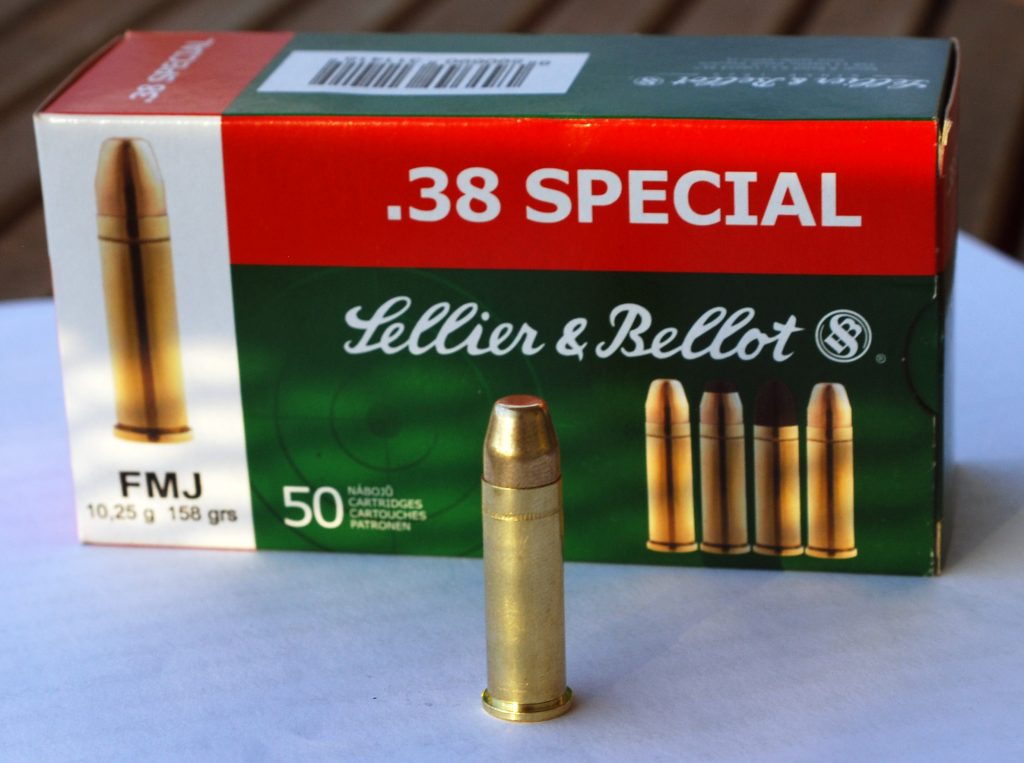
7. .38 Special fired from ultra-short barrels
The 38 Special is a respected service-length revolver in service length, although barrels less than two inches may bleed away the velocity many hollow points require to be upset. Testing of the revolver used by Lucky Gunner ignited that most of the.38 loads fell in the 1218 inch range, but the expansion was uneven and fabric jamming and complete failure were prevalent across loads. In this arrangement, the problem is not necessarily solved by +P pressure. What the shooter will find is that they may finish up paying more on recoil without the same behavioral consistency in the terminal that makes the cartridge attractive in the first place.
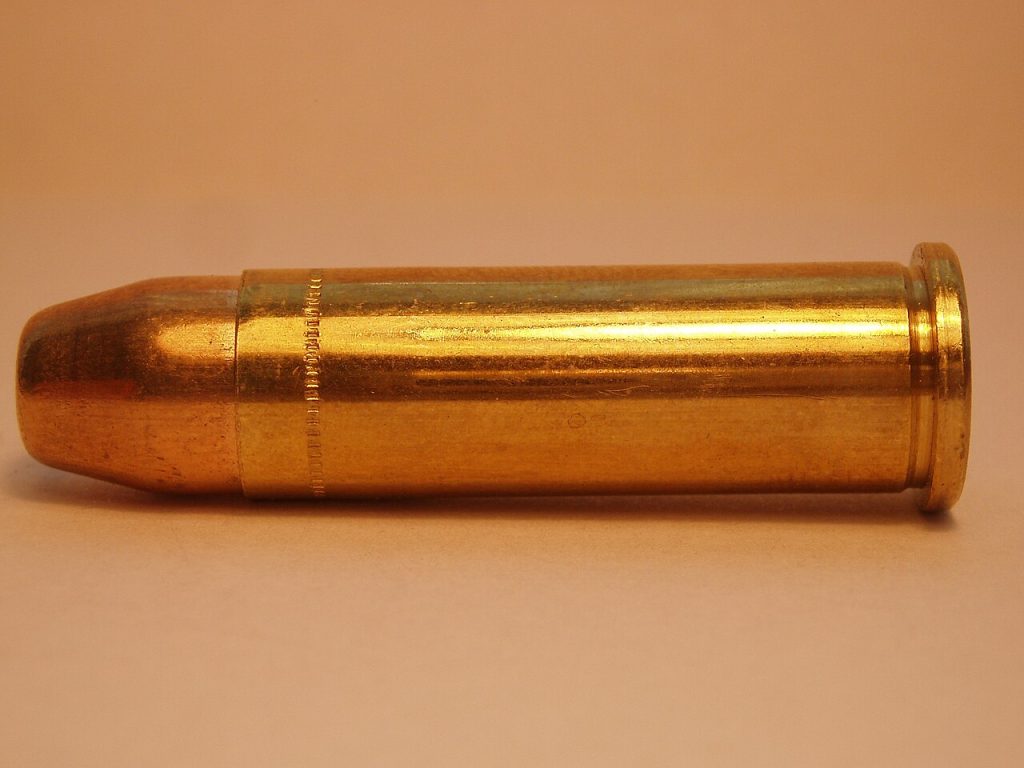
In all the seven, what it does not convey is that any of these cartridges are useless. The reason is that their failure modes manifest themselves quickly when a shot must penetrate clothing, non-perfect angles, and reality. Gel tests and the FBI protocol do not anticipate results shot-to-shot, but they do indicate trends: reliability, consistency in penetration, and controllability are more important than headline energy measurements where one is trying to achieve repeat performance under stress.


