The world of handguns is where ‘it should work’ cartridges reside cartridges with storied histories, low recoil, and clever design that make them sound like viable defensive options. The problem is, it’s a mechanical issue, not a poetic one: in a short-barreled handgun, small cartridges simply can’t penetrate deeply enough to reach vital organs, let alone after accounting for clothing and bone.
This is why the oft-quoted requirement of 12-18 inches in gel testing exists. Gel test results also illustrate another hard truth about pocket cartridges: in small cartridges, penetration and expansion are wildly variable based on barrel length, bullet design, and whether the hollowpoint actually expands or simply plugs with fabric.
1. .22 Short
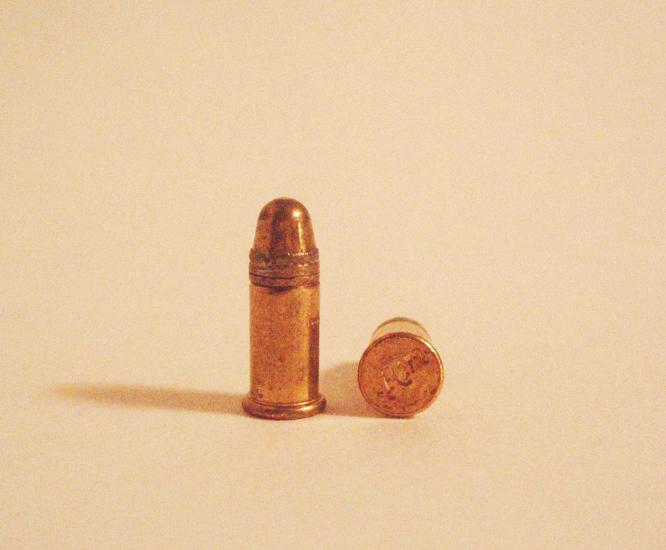
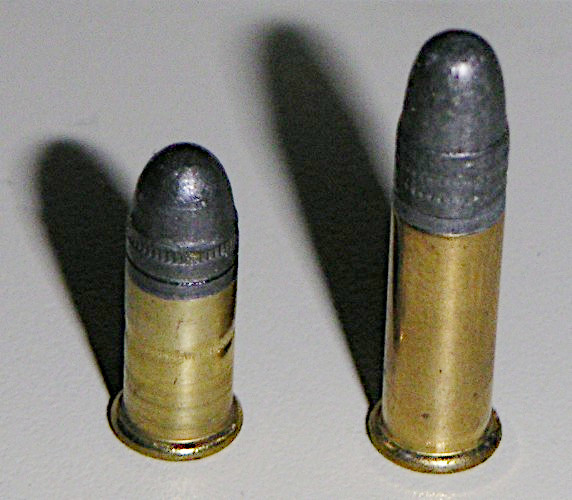
.22 Short is an antique that still shows up in old drawers and tackle boxes from time to time, and it’s still a blast to shoot. In handguns, it’s also a low-velocity, light-bullet combination that has a tendency to fall apart quickly in soft tissue. The cartridge’s advantages low recoil and report are also derived from the same source as its weakness: there simply isn’t enough oomph to get the job done when the bullet encounters resistance. In a defensive capacity, this translates to shallow penetration and little margin for error when accounting for clothing, angles, and bone. It’s still sufficient for small game at close range, but it doesn’t cut it in a modern defensive capacity for penetration.
2. .25 ACP
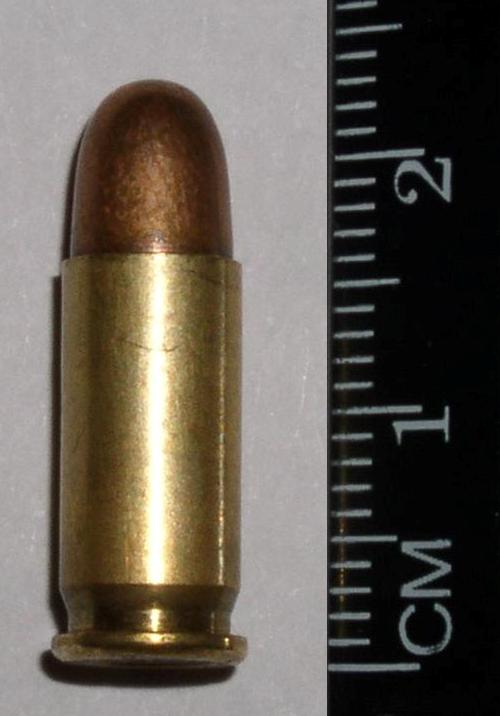
.25 ACP gets credit for being centerfire, which is always a benefit for ignition over rimfire designs. However, the terminal ballistics are still languishing in the “barely enough on a good day” category. In a series of pocket gun tests with a heavy clothing barrier, the penetration of .25 ACP ammunition was merely average and irregular, including FMJ bullets that didn’t automatically adjust for the problem. This is important because the cartridge has very little extra performance to fall back on. When expansion happens, penetration suffers; when it doesn’t, the hole is small either way. There’s no wiggle room.
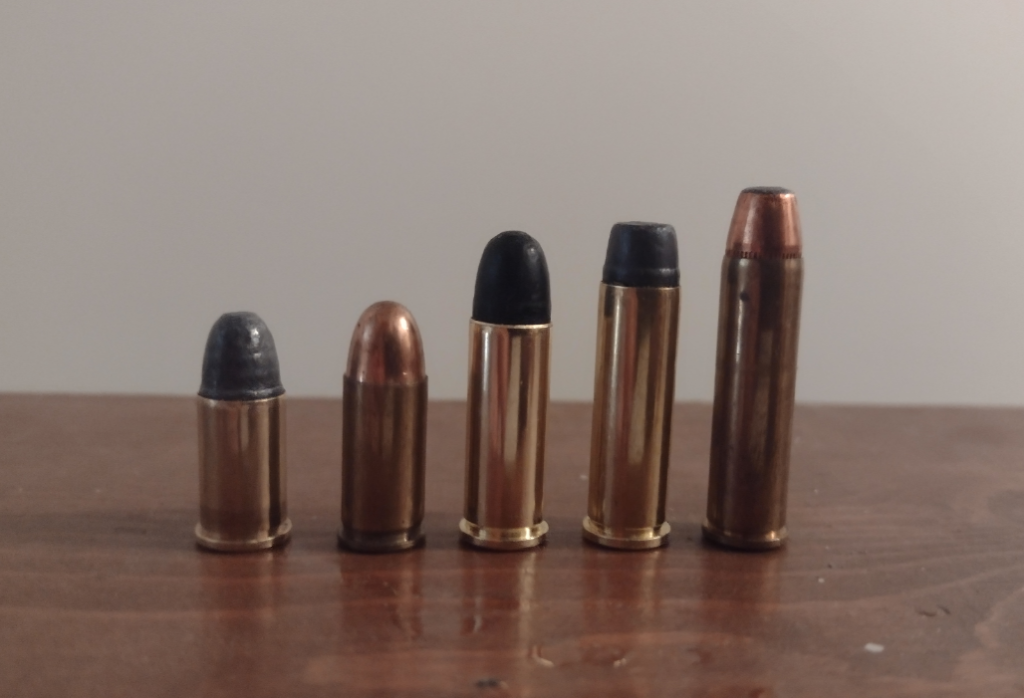
3. Original .32 S&W
The original .32 S&W revolver cartridge is from a bygone era when handgun performance standards were different and threats were often measured in terms of “deterrence” rather than immediate physical incapacitation. Its mild recoil and soft report were well-suited to small revolvers, but its lack of velocity and punch isn’t. Even in the larger .32 caliber family, follow-on cartridges were designed with the specific intention of adding useful velocity to the mix. Compared to more modern .32 caliber cartridges, the original .32 S&W is simply outgunned for any defensive shooting situation where barriers and angles enter into the equation.
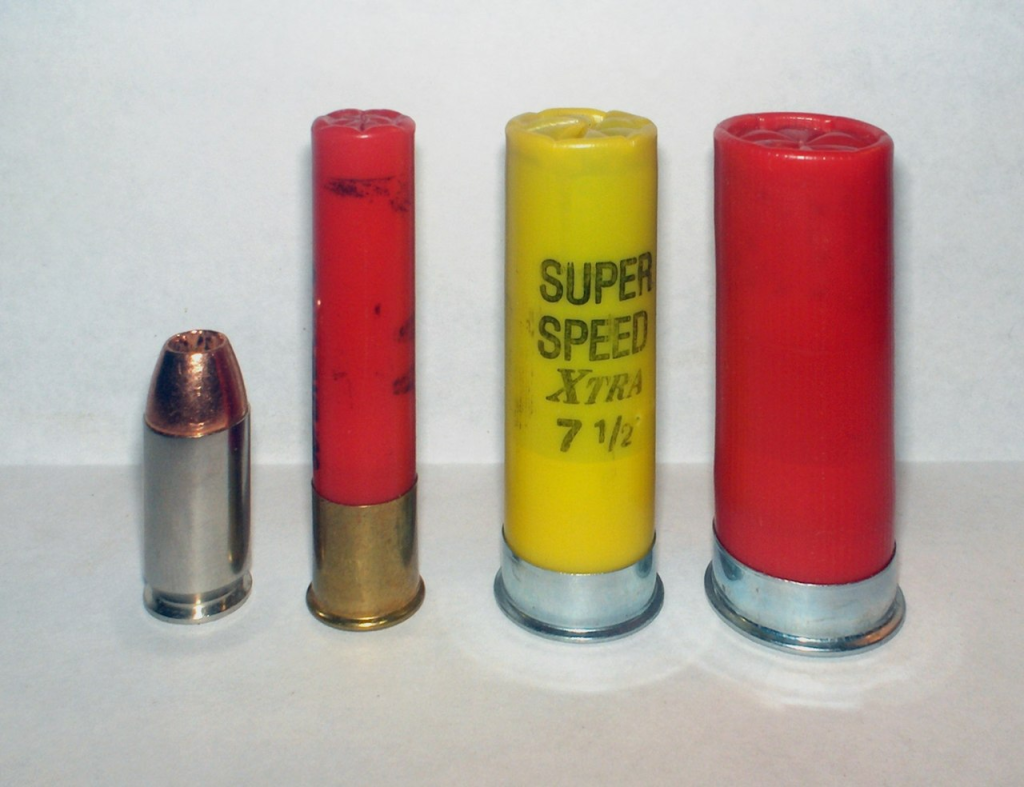
4. .410 Bore Fired from a Handgun
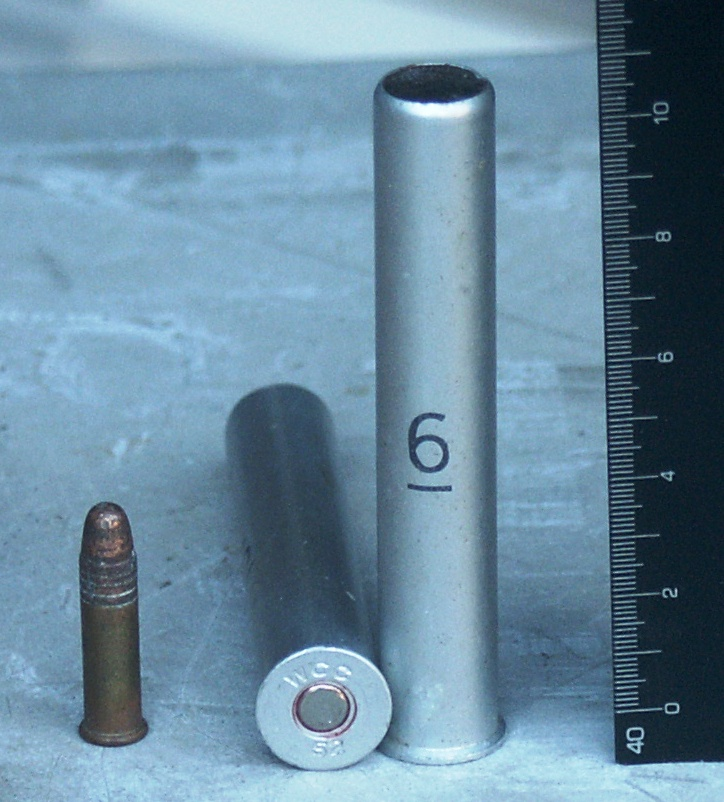
Handgun-sized .410 platforms are intimidating, but the laws of physics aren’t. Short barrels mean lower velocity, and many .410 cartridges are designed around shotgun concepts that don’t carry over well to a revolver-sized barrel. The testing of defensive .410s shows how the results can go. In gel, a single 3-inch 000 buck load will make 18-20 inches of penetration, while other concepts, such as mixed loads, may pattern erratically, with smaller pellets going shallow. The engineering principle is simple: “.410” is not one behavior. In a handgun, the pattern may be good while individual pellets behave like smaller pistol bullets with limited crush and limited consistency.
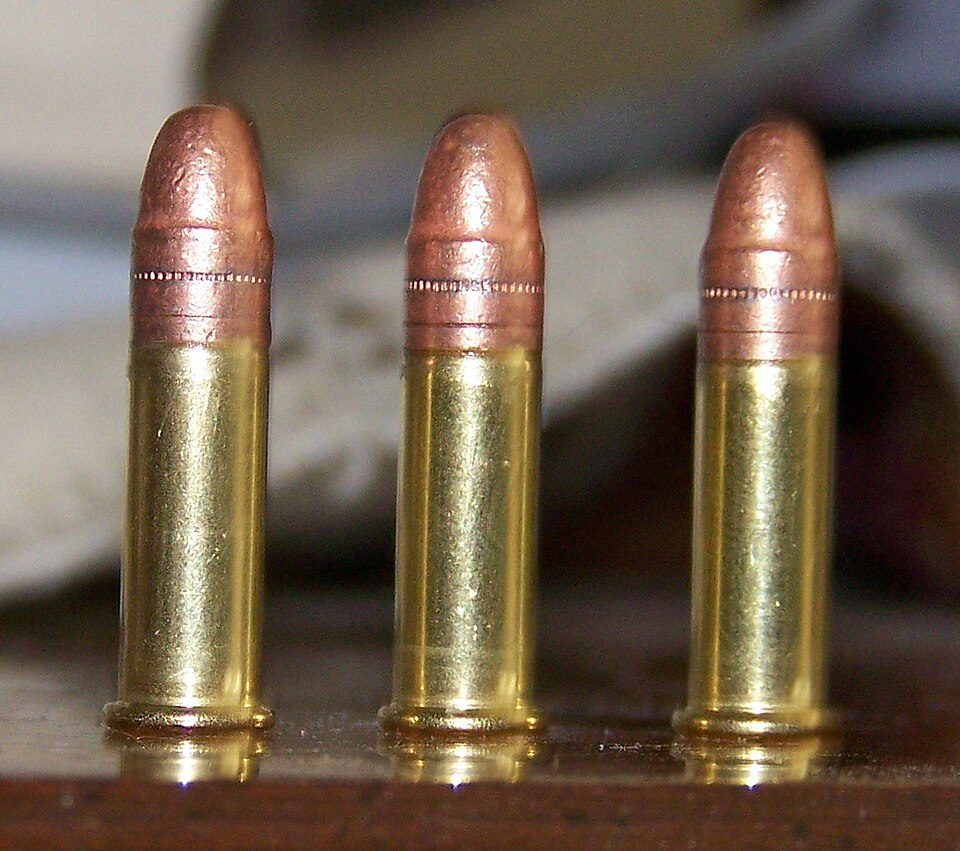
5. .22 LR (in Handguns)
.22 LR is everywhere for good reasons low recoil, low noise, high volume of practice. But in handguns, two characteristics place it in the backup role for serious defensive shooting: the variability of terminal ballistics and the issues with rimfire reliability. Rimfire ignition systems are, by their nature, different, and trouble can be caused by both misfires and failure to feed. These can be overcome by proper gun maintenance, proper ammunition, and designs that make feeding easier. A practical reliability assessment will often point out that a revolver eliminates the problem of failure to feed because a misfire can be cured by a second trigger pull. However, reliability is often compromised by short barrels, which are common and often cut velocities, and penetration/expansion pairs are less reliable than most centerfire rounds.
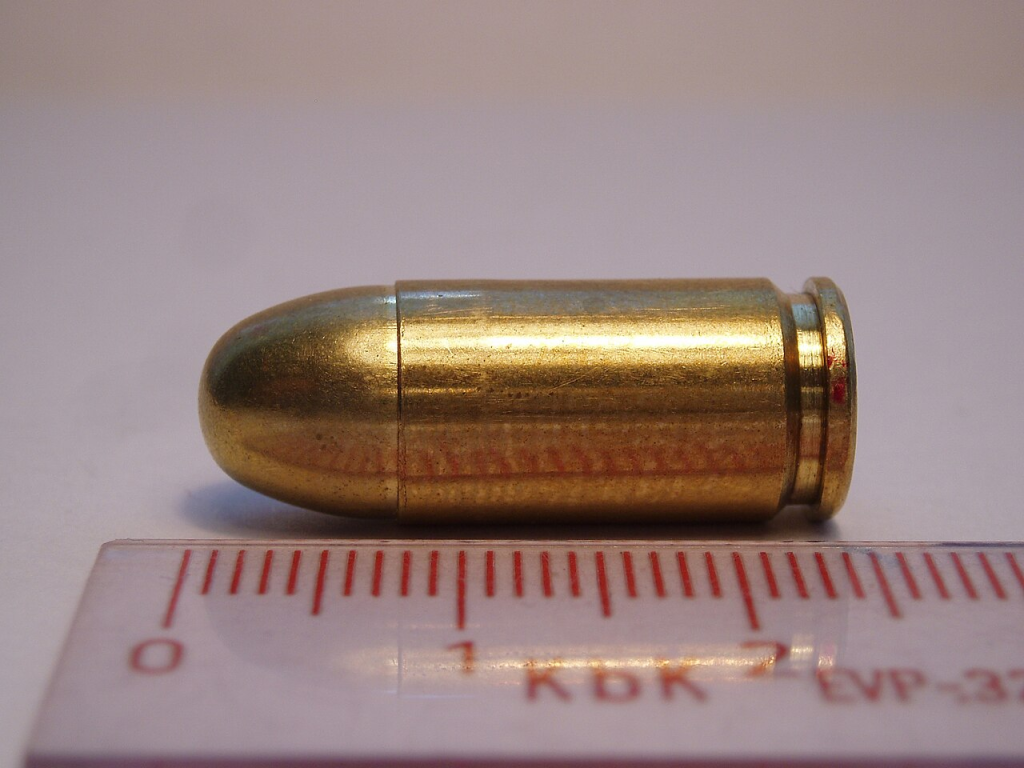
6. .380 ACP
.380 ACP is on the edge of the standards of modern defensive capability, and the performance is highly variable depending on the particular cartridge and the particular handgun. Gelatin tests behind a four-layer heavy clothing barrier have consistently shown the same problem: many cartridges either penetrate sufficiently but fail to expand or expand but fail to penetrate to sufficient depth. Micro pistols further shrink the performance box. Short barrels can reduce velocity sufficiently that a hollow point’s expansion threshold may be hard to reach, but choosing FMJ in hopes of maximizing depth can leave a shallow wound track. The cartridge can be used for defensive shooting with careful cartridge selection and proper understanding, but it is a “borderline” caliber where the biggest issue is maintaining consistency.
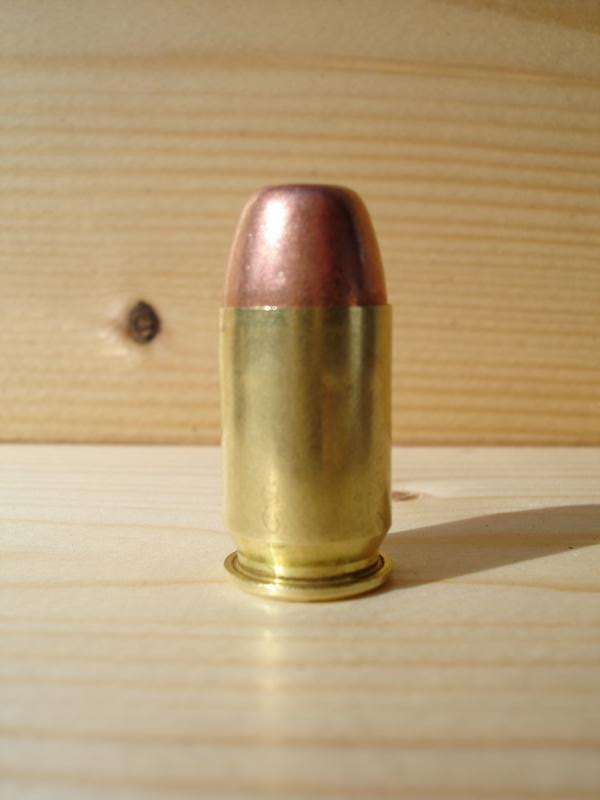
7. .45 GAP
The .45 GAP is an engineering solution to the packaging problem: to deliver .45 levels of performance in a shorter package for smaller grip frames. From a size perspective, it’s a success it has a 0.755-inch case, which is shorter than the .45 ACP’s 0.898-inch case, and it runs at a higher maximum pressure (23,000 psi compared to 21,000 psi) to deliver equivalent performance. The performance problem isn’t so much the size as the ecosystem. It never really caught on in the shooting sports, so there’s less platform availability and long-term support compared to the .45 ACP. From a defensive standpoint, “on paper performance” isn’t the same as “easy to keep running for decades,” and that’s where the .45 GAP tends to fall down.

With all these cartridges, the point isn’t about caliber elitism it’s about consistency. The smaller and more esoteric the cartridge, the less performance margin there is once clothing, angles, and short barrels start to nibble away at penetration and expansion. From a defensive standpoint, the engineering question is simple: does the cartridge deliver effectively to vital ranges from a carry gun, behind realistic barriers? If the answer is anything less than solid, the threat becomes personal.


