“Some cartridges develop a reputation on the range, in varmint towns, or in dense timber then are called upon to perform tasks they were never designed to complete. This disconnect manifests in the same areas each year: shallow penetration on heavy bone, inconsistent expansion at reduced velocities, and long tracking shots that should never have been attempted.
Modern bullets have absolutely raised the floor on performance. But the hard limiter is still physics: bullet mass, impact velocity, and design have to match the animal’s anatomy. One useful way to think about that match is sectional density a simple measure that helps predict whether a bullet keeps driving when it meets tough tissue and shoulder.
1. .223 Remington
The .223’s calling card is controllability low recoil, easy practice, and excellent accuracy from common rifles. With a typical 55-grain load at roughly 3,200 fps, it carries about 1,280 ft-lbs at the muzzle, which explains why it shines on varmints and small predators
As body size and bone thickness increase, the margin will disappear quickly. Deer can be harvested with the .223 within reasonable distances when bullet design is created for weight retention and penetration, such as monolithic copper bullets and similar designs. The cartridge is still not suited for elk and moose-sized game, where depth penetration is the entire game.
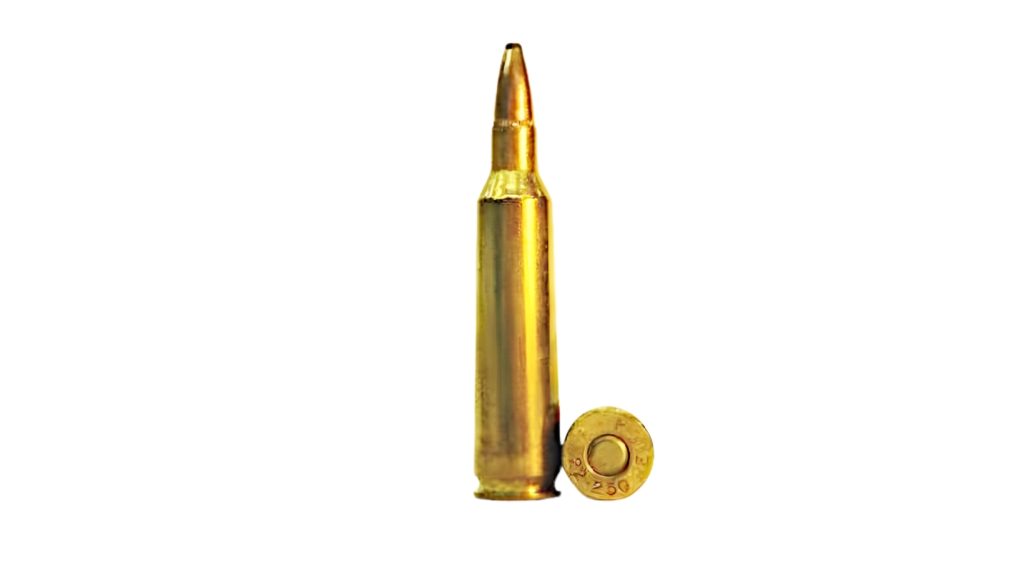
2. .22-250 Remington
The .22-250 is pure speed. With light bullets in excess of 3,800 fps, it shoots flat and strikes hard right up until penetration becomes the goal rather than impact splash.
On larger game, light-for-caliber bullets are likely to expand too quickly and burn their momentum too soon, especially after striking bone. Even so, it is still best used on predators and smaller game, where deep penetration is not the primary factor.
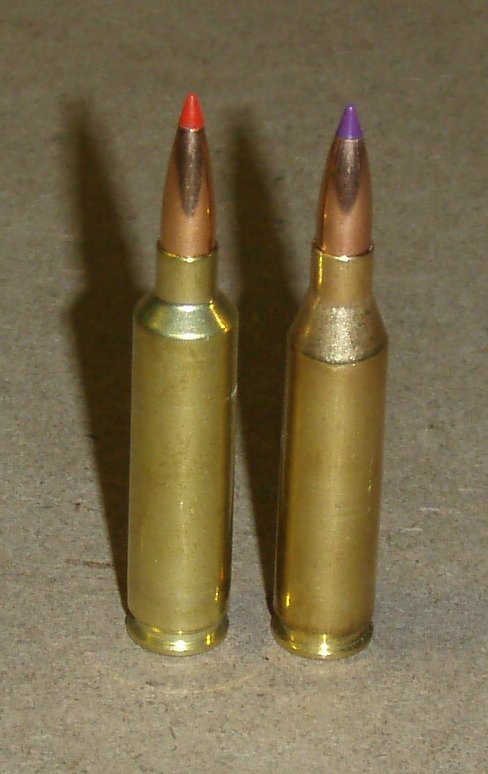
3. .243 Winchester
The .243 earned its niche because it was pleasant to shoot and had a flat trajectory, light recoil, and sufficient bullet weight usually 90 to 100 grains to take down deer-sized game.
It approaches the limits when the shoulder configuration and muscle mass of the target require additional momentum and additional bullet shank behind the expansion. That’s where the increased sectional density becomes more than a piece of paper data. The .243 can handle excellent angles and select bullet options, but it’s less forgiving than the larger calibers when the shot isn’t perfect or the game is just heavier.
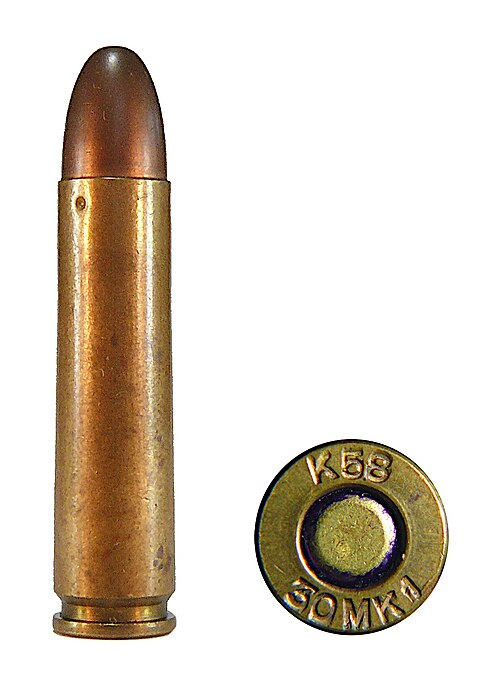
4. .30 Carbine
The .30 Carbine was based on a concept of a light military carbine, and not a general-purpose hunting rifle cartridge. With a 110-grain bullet at 1,990 fps, its performance is much closer to hot handgun rounds than modern big-game rifle cartridges.
At very close ranges, it has enough power to take down small to medium game with precise aim. Beyond that, it simply doesn’t have the speed, penetration, or bullet integrity to make it reliable for larger game, particularly when bone is a factor.
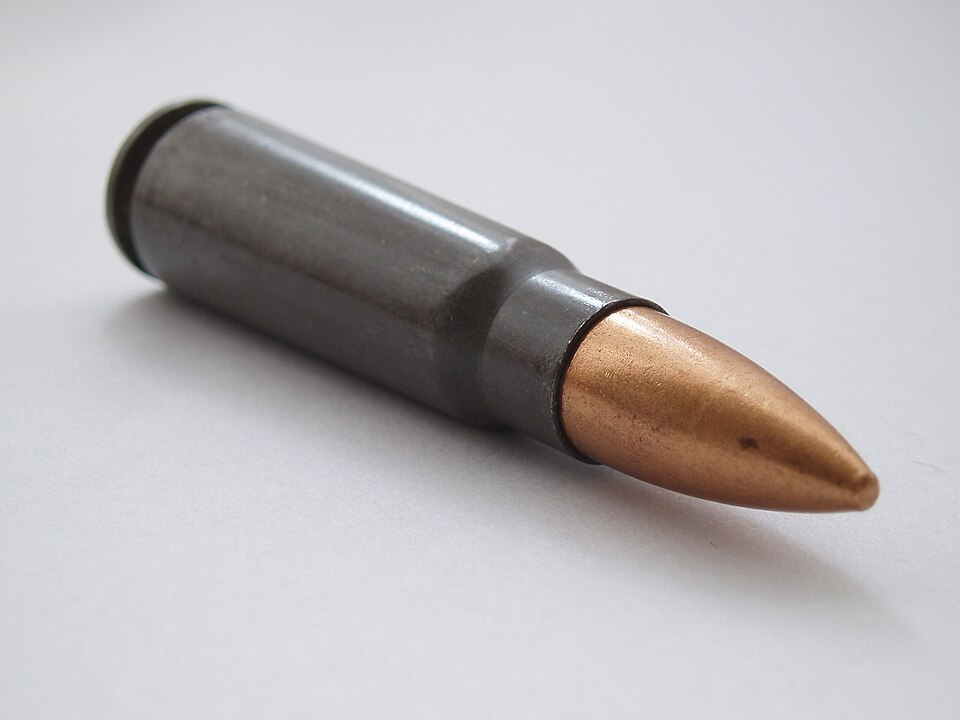
5. 7.62×39mm
Most familiar from hardy semi-autos, the 7.62×39mm cartridge offers controllable recoil and manageable field characteristics. Standard ammunition propels a 123-grain projectile at 2,350 fps, with about 1,500 ft-lbs of muzzle energy, which can be sufficient for deer at close range.
The issue is what occurs as the distance increases: the speed decreases rapidly, and so does the cartridge’s effectiveness at penetrating thick muscle and bone at less-than-perfect angles. It is a short to mid-range cartridge that gets hyped as a solution for all-around big game when it is not.
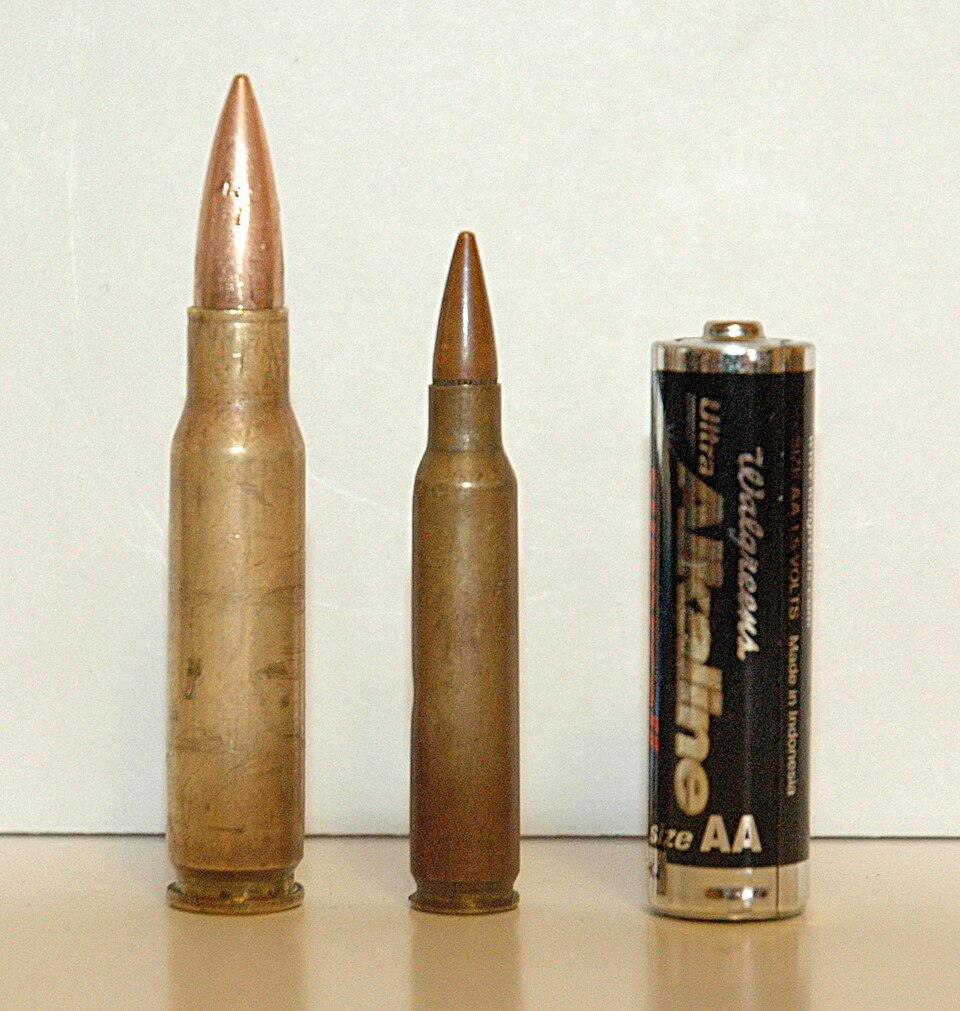
6. 5.56 NATO
Though it has the same bullet diameter as .223, 5.56 NATO has a higher pressure level, pushing the velocity higher in semiautomatic rifles designed for it. As a defensive cartridge, its low recoil and shootability are its greatest strengths.
In hunting, the same ceiling applies: the penetration difficulties associated with light bullets and small frontal area simply don’t lend themselves well to large-bodied game. Even match-style heavier bullets won’t magically impart the depth and destruction required when the quarry weighs several hundred pounds.
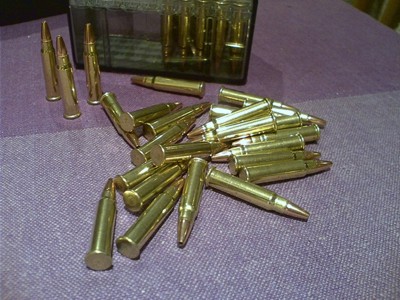
7. .17 HMR
The .17 HMR is a precision rimfire cartridge designed for small game. The 17-grain projectile at 2,550 fps gives only slightly over 250 ft-lbs of energy, which accounts for its effectiveness on pests and small varmints.
This energy and weight of bullet are not suited for penetration of vital organs in larger game. It is a specialized cartridge, and its abilities remain firmly in the small game category. None of these cartridges is “bad.” Each has a place where its recoil, accuracy, and trajectory are sensible. The problems begin when a flat-shooting favorite or a handy carbine cartridge is called upon to perform a task that demands deep penetration into heavy bone and dense muscle.
For hunters seeking to stack the odds in favor of rapid recovery, the more durable answer is rarely a single magic number. “It is matching bullet construction and penetration potential to the animal and the angles likely in the field then leaving the marginal setups for the roles they actually perform best.”


