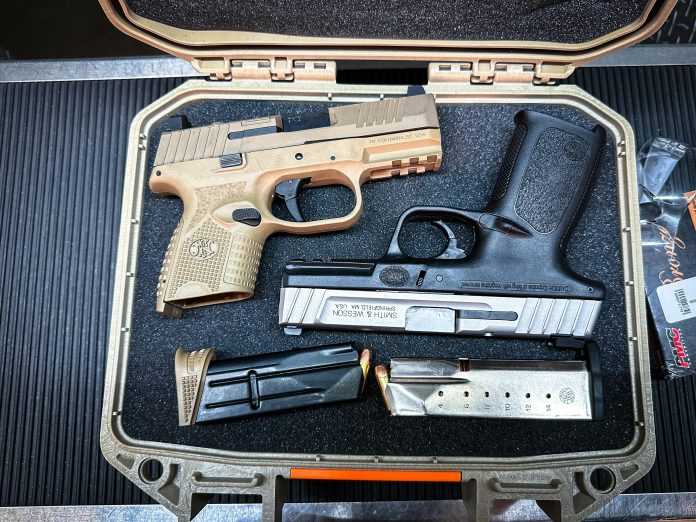
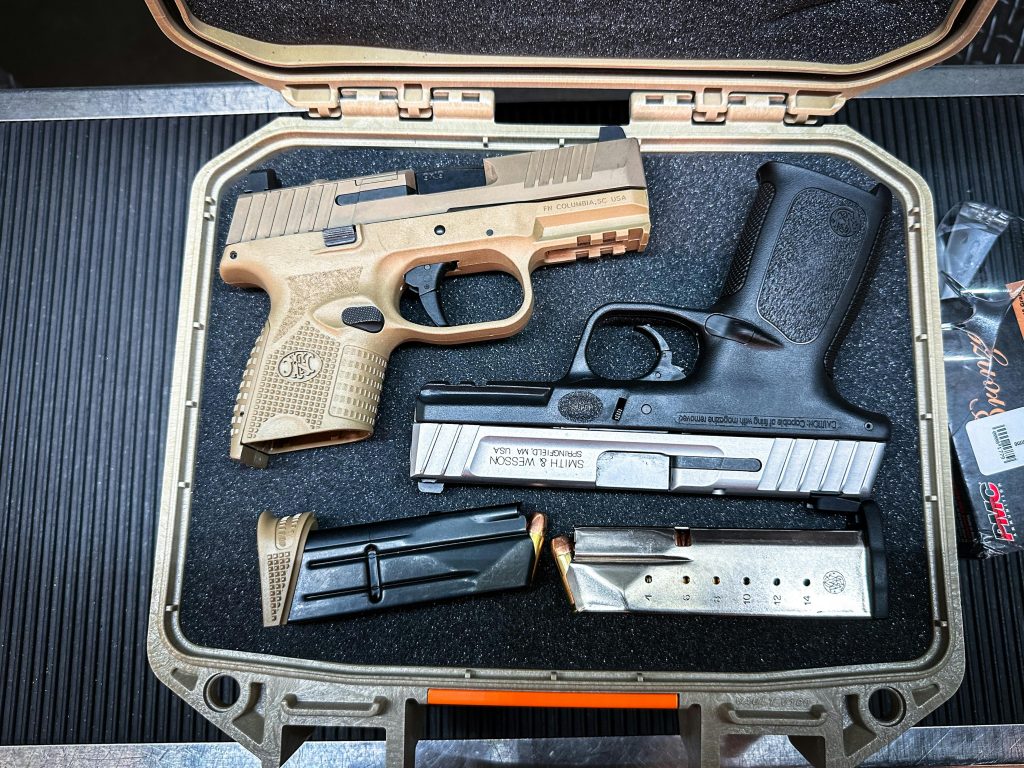
“In home defense, the ‘wrong’ caliber seldom goes wrong in a dramatic, movie-style way. It goes wrong in the quiet ways that count: a misfire that steals a second, a bullet that can’t reach what it needs to reach, or recoil that turns careful shooting into rushed shooting.”
However, modern gelatin testing and years of training doctrine just keep coming back to the same unpleasant fact: handgun bullets simply do not have much leeway. The standard of comparison for many testers is still the 12-18 inches in ballistic gelatin guideline, because sometimes what looks like an easy shot can be a tough go. These calibers continue to appear with regularity as “problem solvers” who fail to solve the right problems.
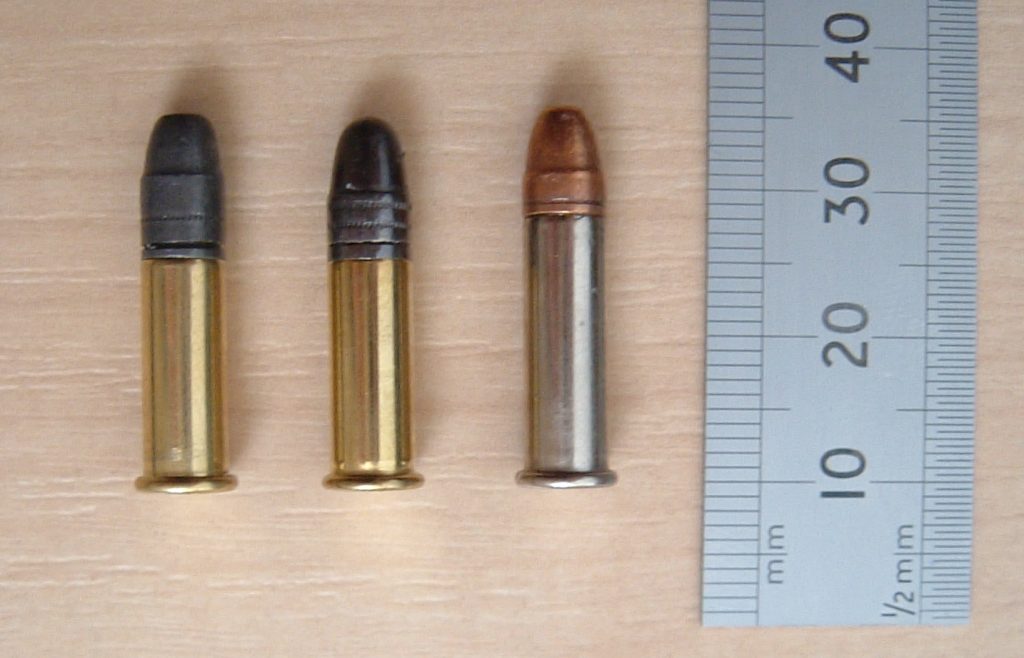
1. .22 Long Rifle
.22 LR earns its reputation as a trainer because of the low recoil and ease of practice. As a defensive cartridge, its two weakest points are consistency and penetration. The rimfire priming system makes the ignition system less reliable than a centerfire system, and the lower energy of the cartridge can sometimes have trouble propelling a bullet to the penetration velocities necessary to reach vital organs, much less through clothing. Even if .22 is running well, it is running on a very narrow margin of performance. This is the same gun that will shoot effortlessly at the range, but will be prone to stoppages when it is dirty, under-lubed, or when it doesn’t like the ammunition it is shooting, conditions that are all too common for small pistols.
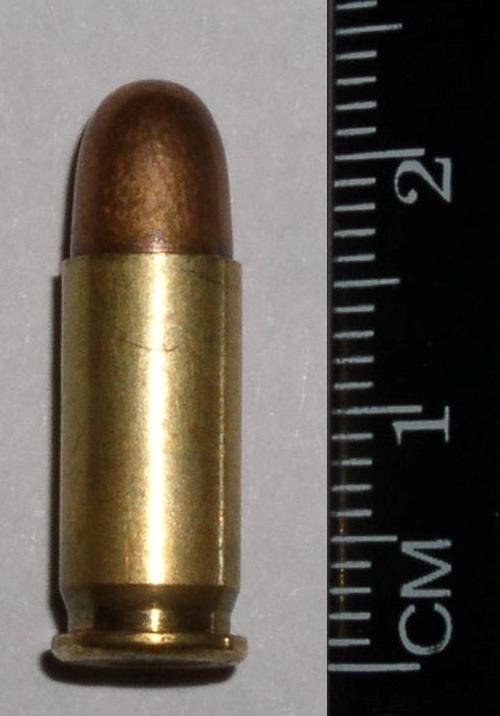
2. .25 ACP
.25 ACP was designed for early pocket pistols and it still retains that heritage: small guns, small sights, and small ballistic performance. The cartridge is centerfire, but the usual energy level is still very low, leaving very little leeway for effective penetration and terminal performance. It is a cartridge that demands impeccable shot placement with the least assistance in achieving it.
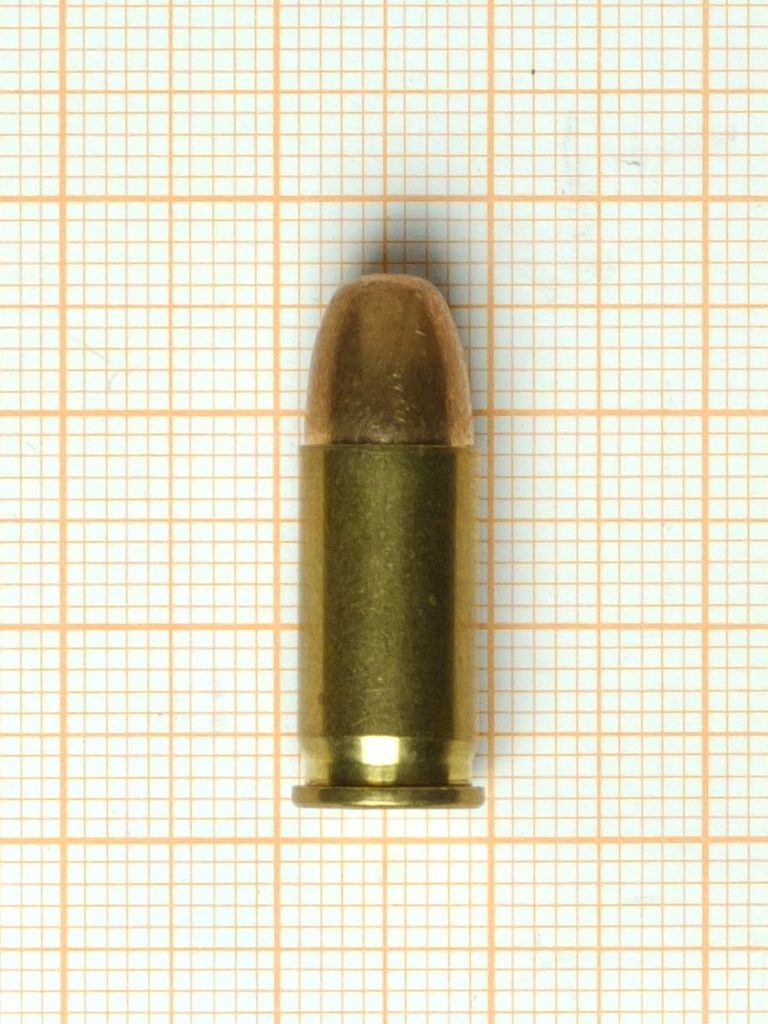
3. .32 ACP
.32 ACP is a strange middle-of-the-road caliber easy to recoil against, small enough to conceal, and a long history but contemporary standards for defensive shooting reveal its weaknesses. Penetration and expansion may vary, especially when heavy fabric is present. Essentially, it may function like “better than .22” but without the consistency most shooters demand from a serious defensive sidearm.
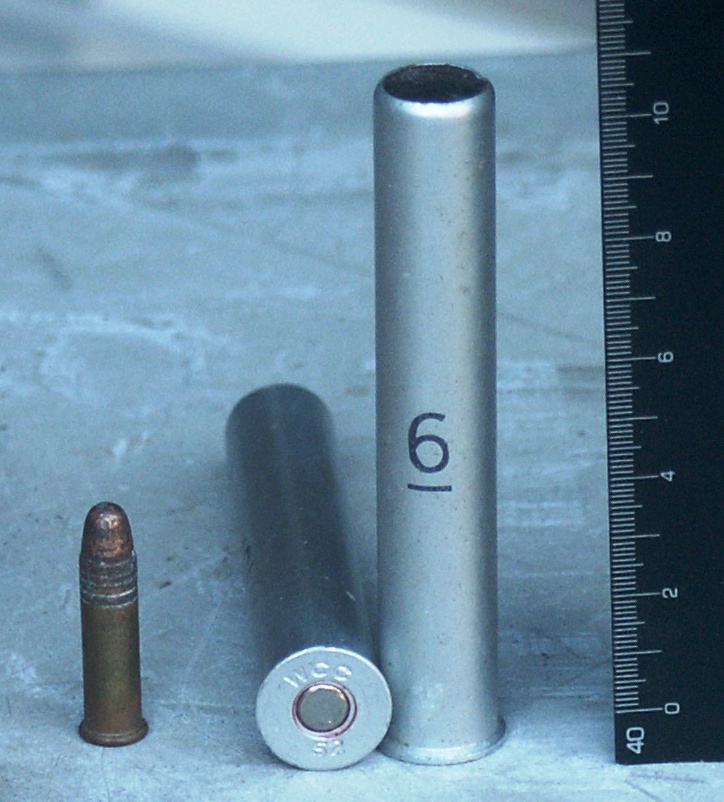
4. .410 Shotshell from Revolvers
.410 revolvers market the concept of shotgun power in one package. The engineering truth is that short barrels and shallow payloads reduce speed and the effectiveness of many cartridges to penetrate to sufficient depths. Birdshot often penetrates to insignificant depths, while buckshot patterns can spread and lose their effectiveness rapidly. As a system, it sacrifices the consistency of a dedicated handgun cartridge for the sake of novelty exactly the wrong impulse when the aim is predictability.
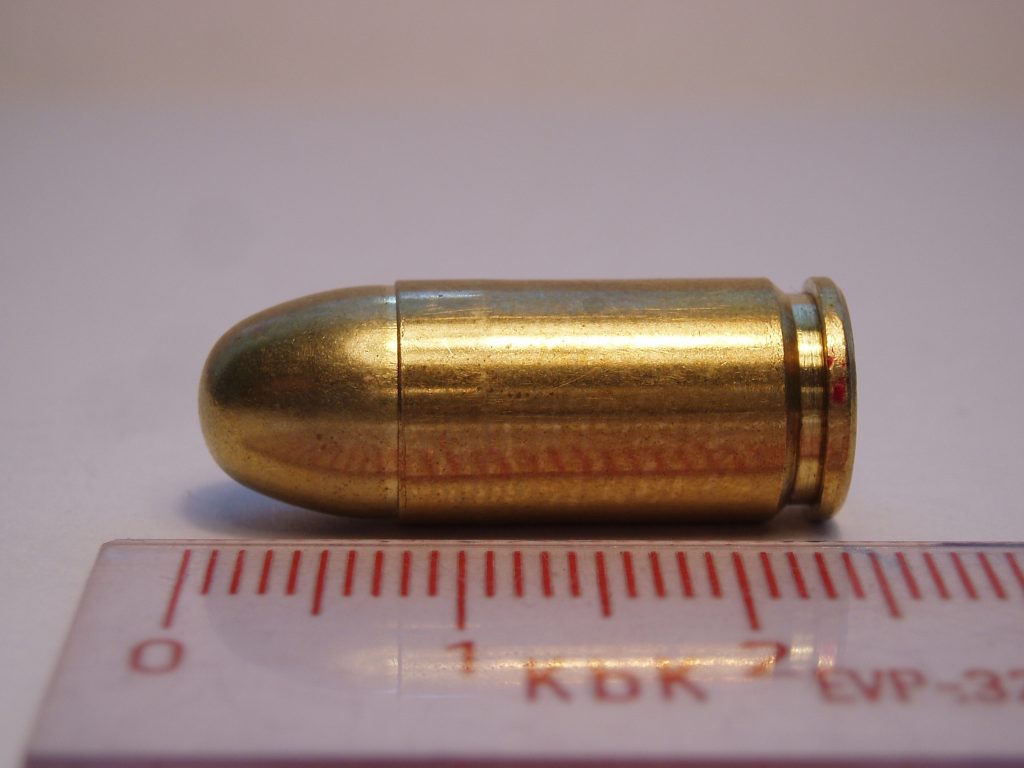
5. .380 ACP with Low-Performance Loads
.380 ACP will certainly work, but the load is more important in this regard than in many other larger service calibers. In shorter-barreled pistols, sub-optimal velocity can cause some hollow points to expand prematurely and penetrate to depths shorter than those desired by most testers. This rounds out a cartridge that can be good if handled well, but dangerous if loaded with ammunition that values softness over penetration.
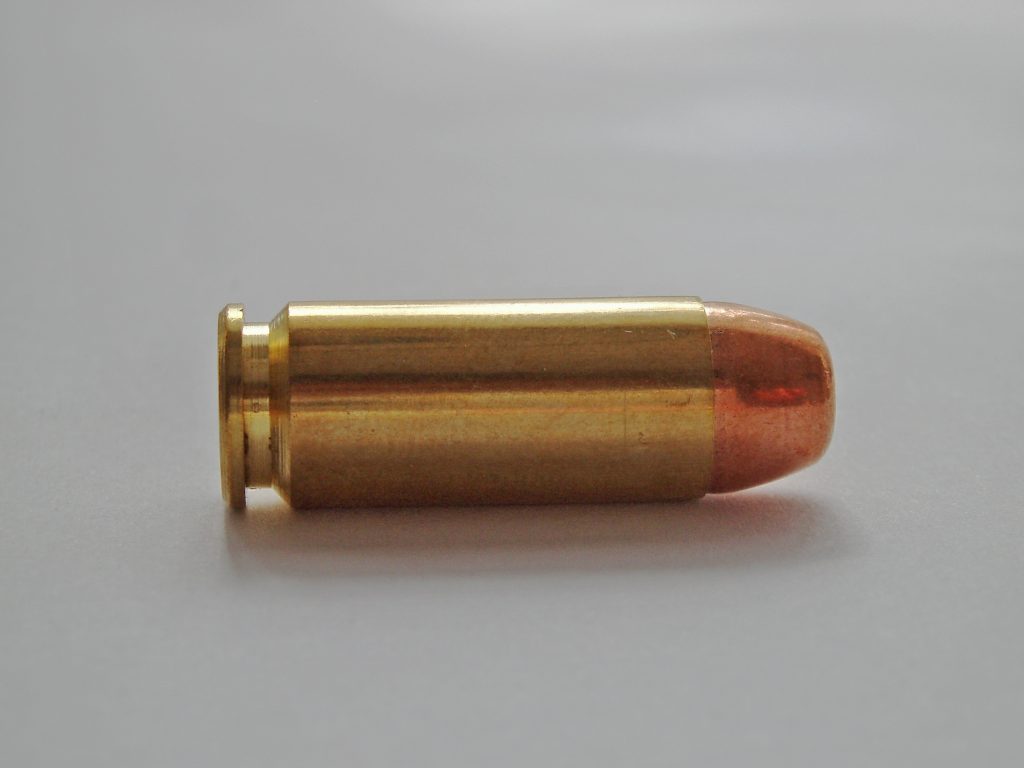
6. 10mm Auto (for most families)
10mm Auto delivers real horsepower, sometimes well beyond what is expected of typical home defense guns. But this same power can also exaggerate the price tag: steeper recoil, slower follow-up shots for most shooters, and a greater likelihood of a non-expanding or barrier-defeated bullet continuing on. The most valuable lesson from gelatin testing is that it’s not about the numbers, it’s about the repeatability. Testing protocols that fire five rounds per load will show that consistency is its own reward, and that the broad range of “personalities” in 10mm loads makes it less necessary to match them for controllability and terminal performance than most people need.
7. .38 Special from Ultra-Short Barrels
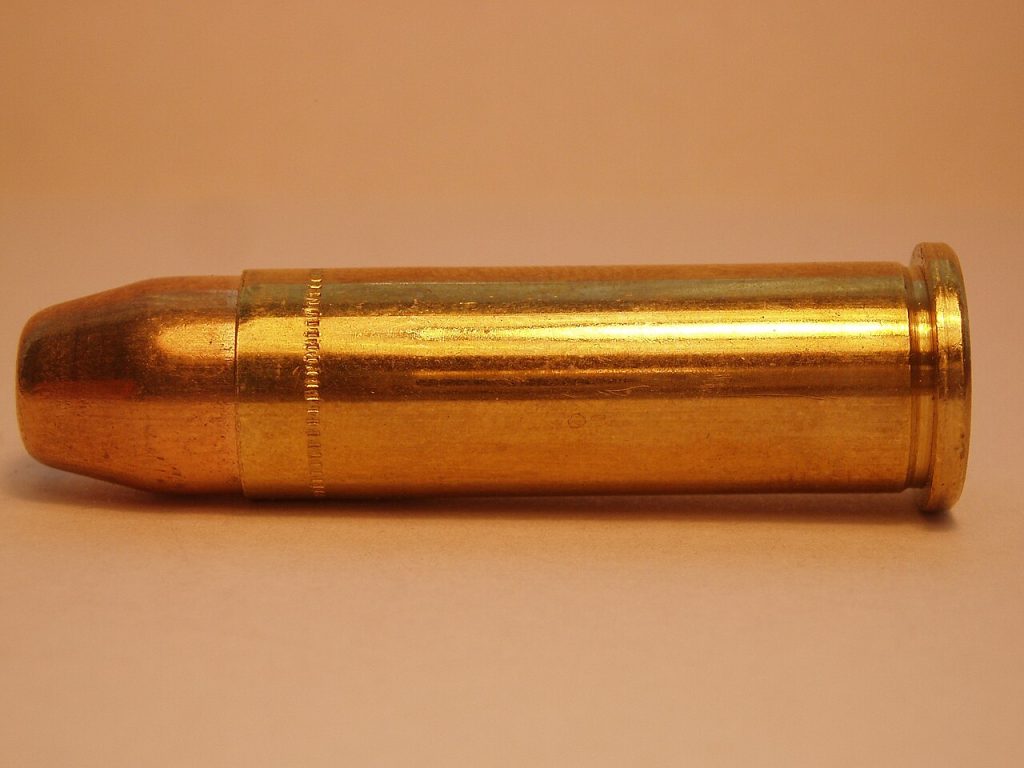
.38 Special has a well-deserved reputation, but barrel length affects the result. In short revolvers, the velocity will decrease sufficiently so that expansion may become unreliable, and “upgrade” pressure levels may be penalizing without corresponding improvement. Gel tests that pit 2-inch versus 4-inch revolver barrels illustrate just how much this cartridge relies upon velocity to ensure proper bullet performance.
8. .44 Magnum
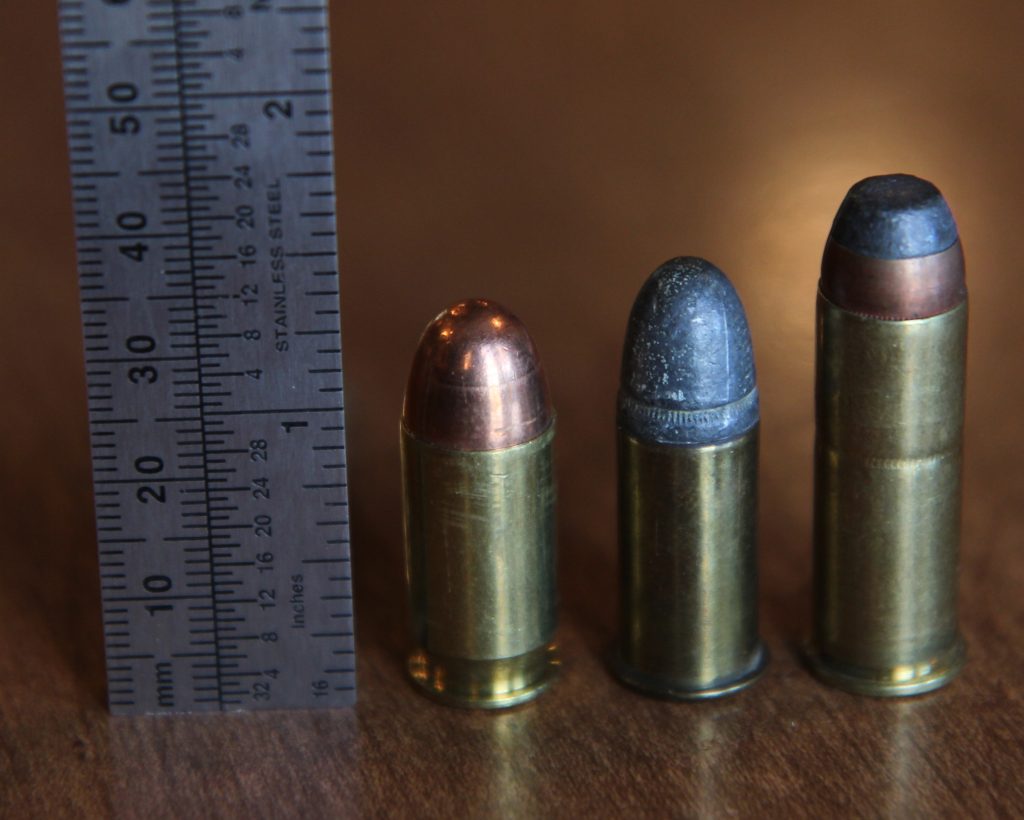
.44 Magnum has a reputation for a reason: it packs a punch and penetrates deeply. In a dwelling, these are actually negative qualities. The recoil may impede quick follow-up shots, the report is extreme, and the trajectory of deep penetration can be problematic when the bullet exits typical interior materials.
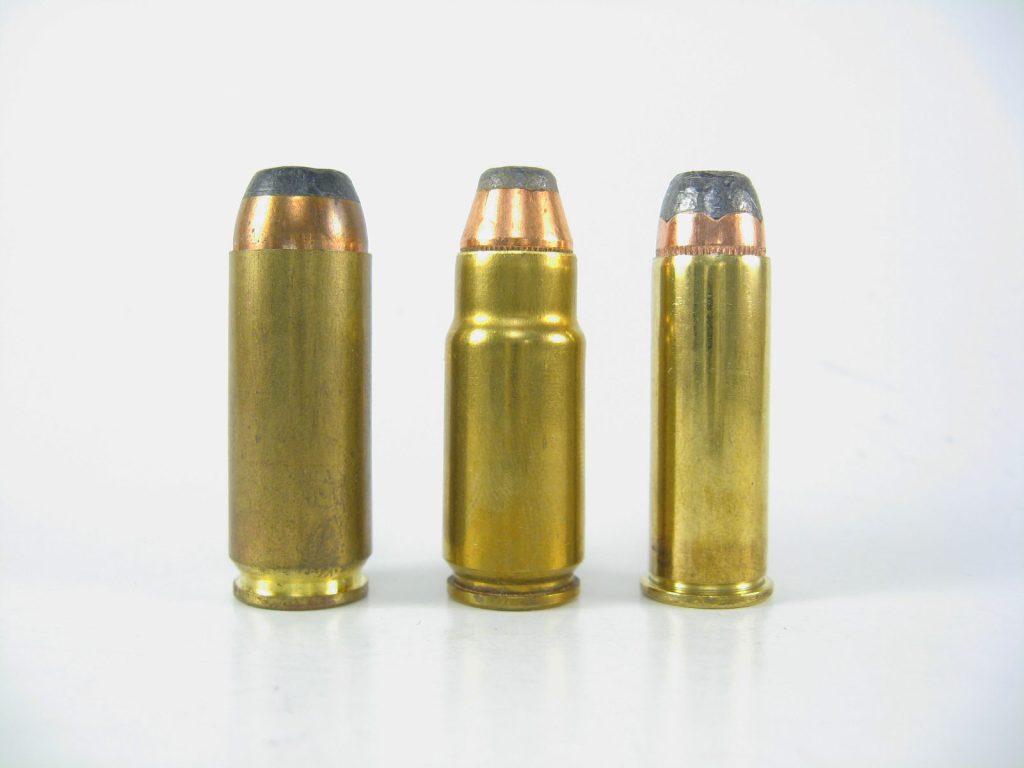
It is a superb specialized device in the right environment. It is not a forgiving general-purpose solution indoors. In all eight, the common theme is not that any of these cartridges are incapable of being lethal. It is that they require extra luck, extra precision, or extra shooter capability at the very moment when neither time nor conditions cooperate. The best home defense configurations lean towards reliability, controllability, and consistent penetration because “the fight is never guaranteed to present a clean angle, a clear line, or a perfectly calm trigger press.”


