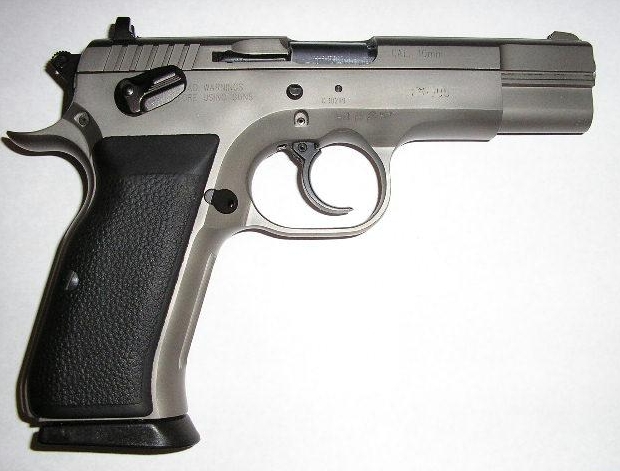
Polymer frames are dominant because of practical reasons in carry counters and in duty racks: they are light, corrosion free and even similar to produce. But steel-framed pistols continue to be seen everywhere where good shooting is involved, and in long-range practice and in safes where handed down still has some meaning.
It is not nostalgia in engineering. Steel modulates recoil, heat management, wear patterns over time and even what a shooter is capable of servicing, tuning, and maintaining decades.
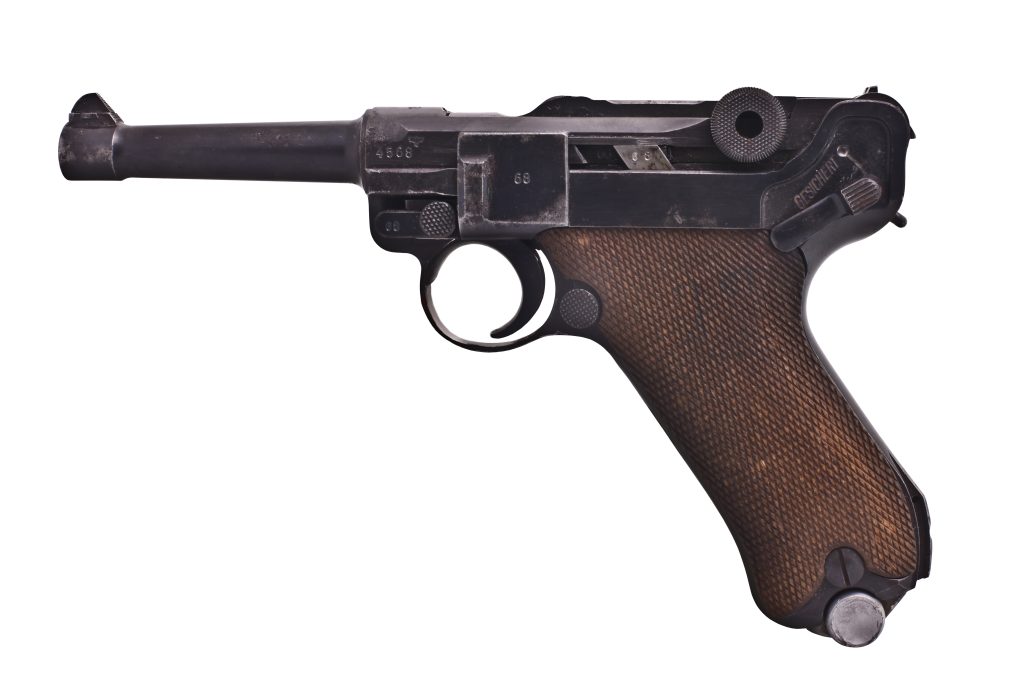
1. Weight that turns recoil into timing
An added steel frame gives mass to areas where it is most needed: beneath the slide and near the hands of a shooter. That additional inertia reduces the quickness of the recoil acceleration of the pistol, benefiting faster recuperation of sight in a pistol whose cartridges are characterized by a response to impact. In the case of shooters with loads of greater pressure, the practical advantage is straightforward: a reduction in interference per shot, and a greater follow-through repeatability in rapid strings.
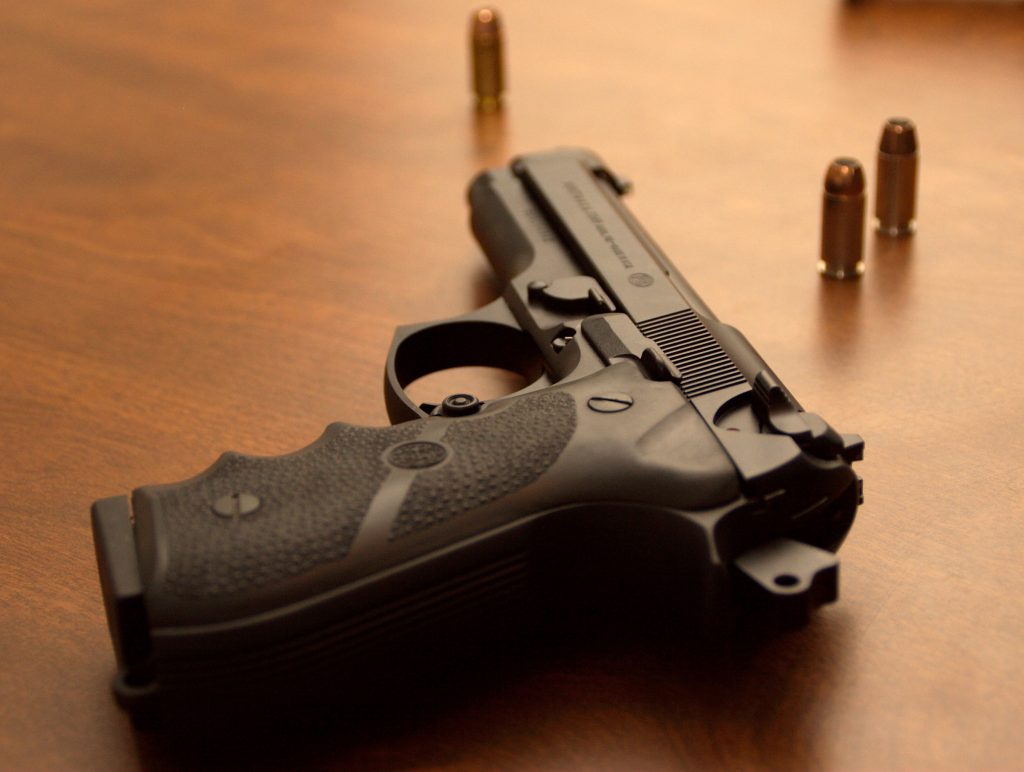
2. Balance that locks the gun into the hands
Pistols with a steel frame are also apt to feel settled as the weight is spread evenly by the frame and not concentrated up high on the slide. This leads to a more consistent delivery and less meandering over in transitions. This is among the reasons why full-size steel 9mms are still used as training pistols despite the use of lighter guns on a daily basis.
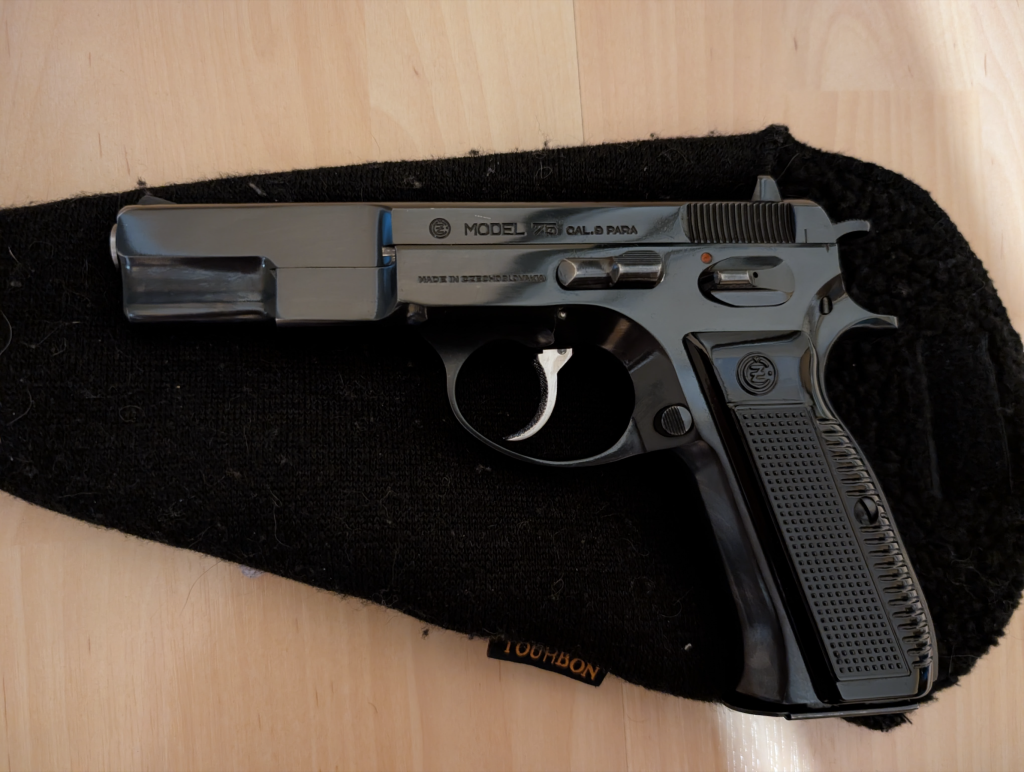
3. A proven blueprint: the CZ-75’s slide-in-frame advantage
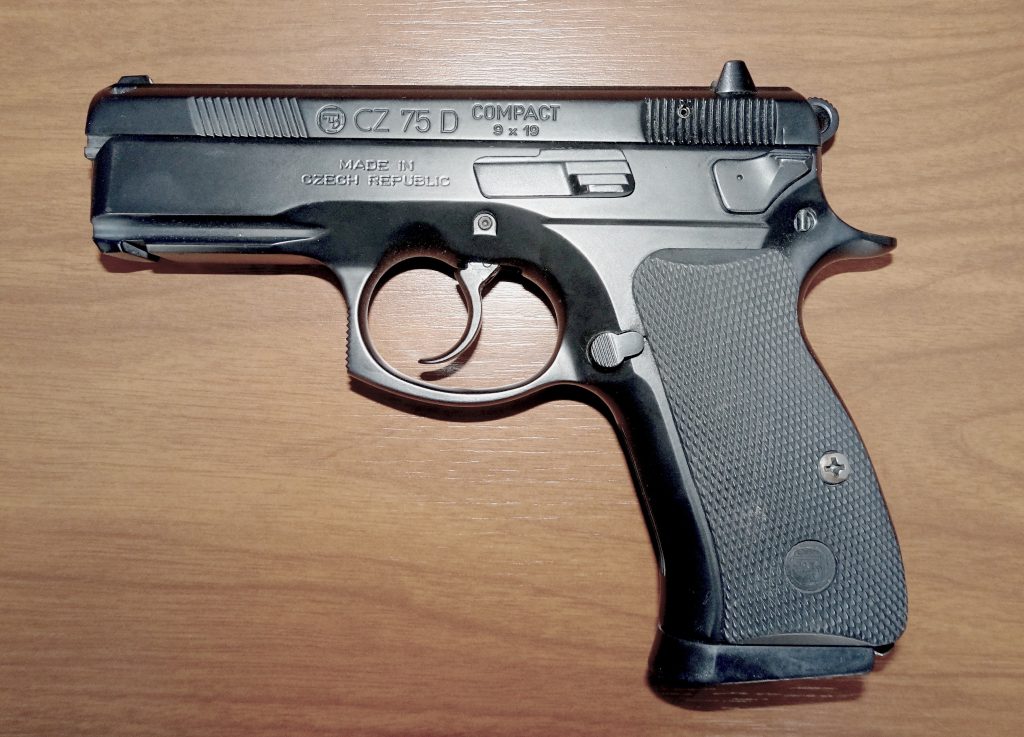
Other designs are not supported on steel in the traditional sense but rather as an enabling media. A CZ-75, originally finished in 1975 by Josef and František Koucky, and designed around a slide-in-frame rail design that reduces bore axis and assists in controlling muzzle rise, is a classic example. This is one of the reasons why the platform gained an extended reputation of controlability and practical accuracy.
4. Durability measured in decades, not seasons
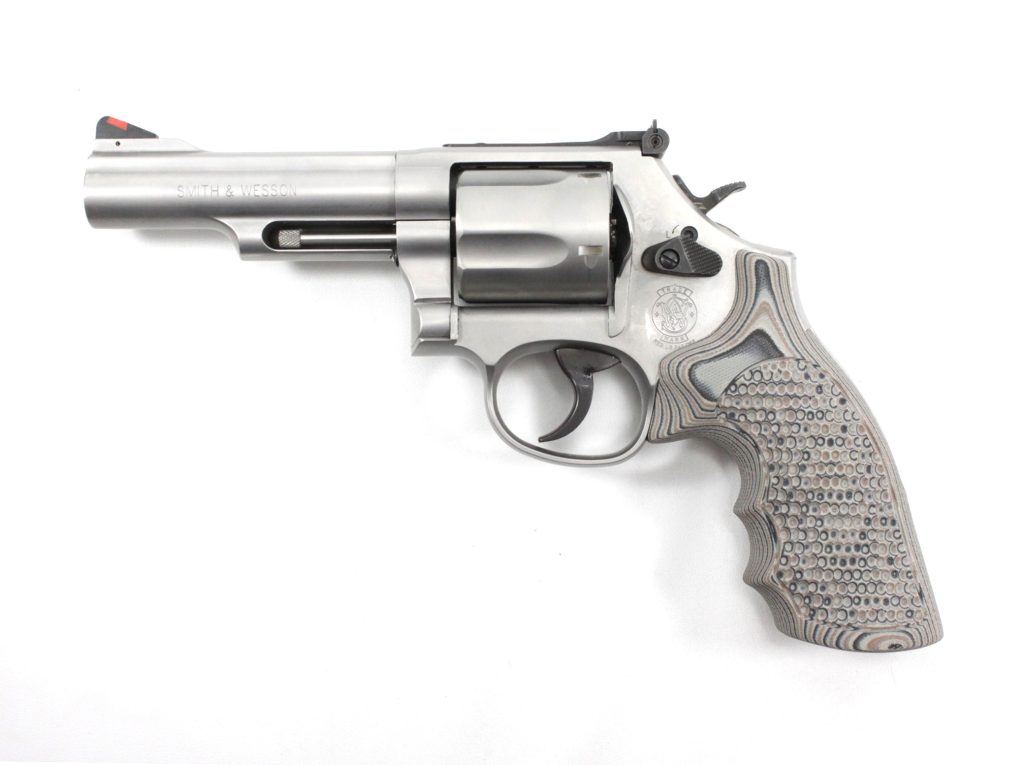
Steel frames have a long service life with wear patterns that are predictable. Older all-steel pistols often continue to run without much ado, using only springs and minor components, and cosmetic wear does not often pose a structural issue. Steel frames are compatible with owners who buy one pistol in their lifetime and believe that it will last the entire time.
5. Heat management during high-volume shooting
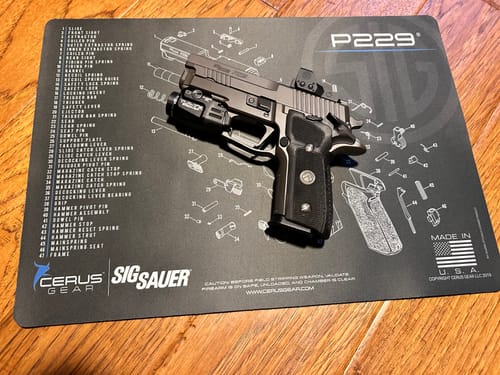
Prolonged use of strings makes a pistol a heat issue: the slide and chamber and rails absorb energy, lubricant gets up, tolerances count. Steel is repeat Heats and cools with no material issues that may plague some designs of lightweight frames. In the real world, steel guns are expected to remain constant in situations whereby the number of rounds is increasing and the rate is rather fast.
6. Accuracy benefits that come from consistent alignment
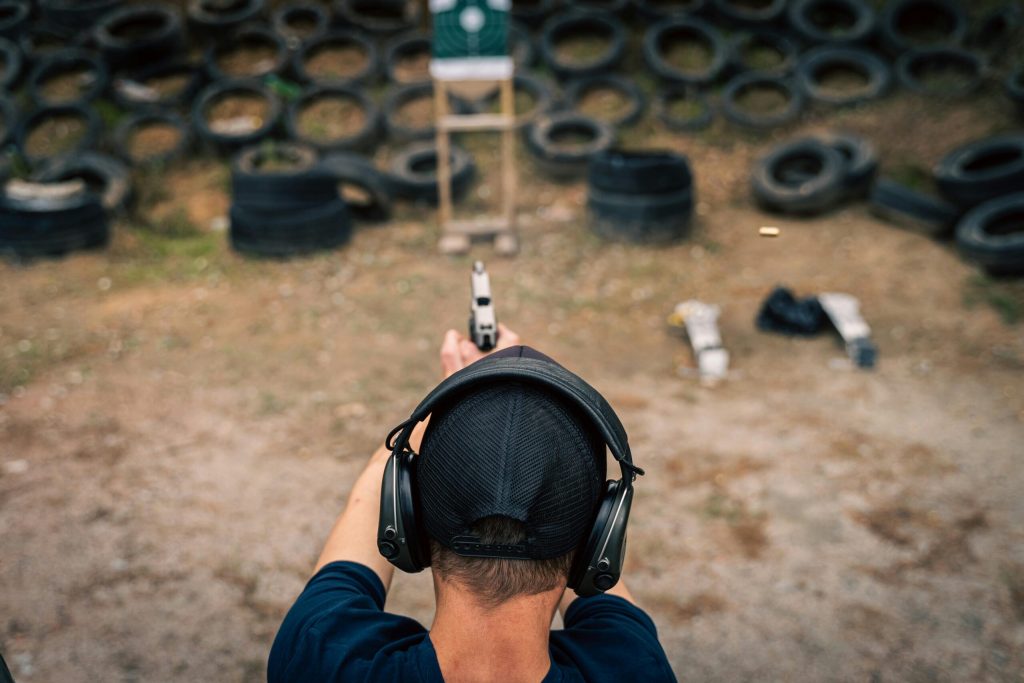
The barrel and slide re-entering the relationship on every shot is inherently accurate. Slide-to-frame fit does make a contribution, though not all the story; Slide-to-frame fit contributes to accuracy approximately 15 percent, according to Jerry Kuhnhausen, a gunsmith. The repeatable mechanical alignment over time is easier to achieve with steel frames since they are simple to construct, measure, and maintain.
7. Gunsmith-friendly material for real tuning
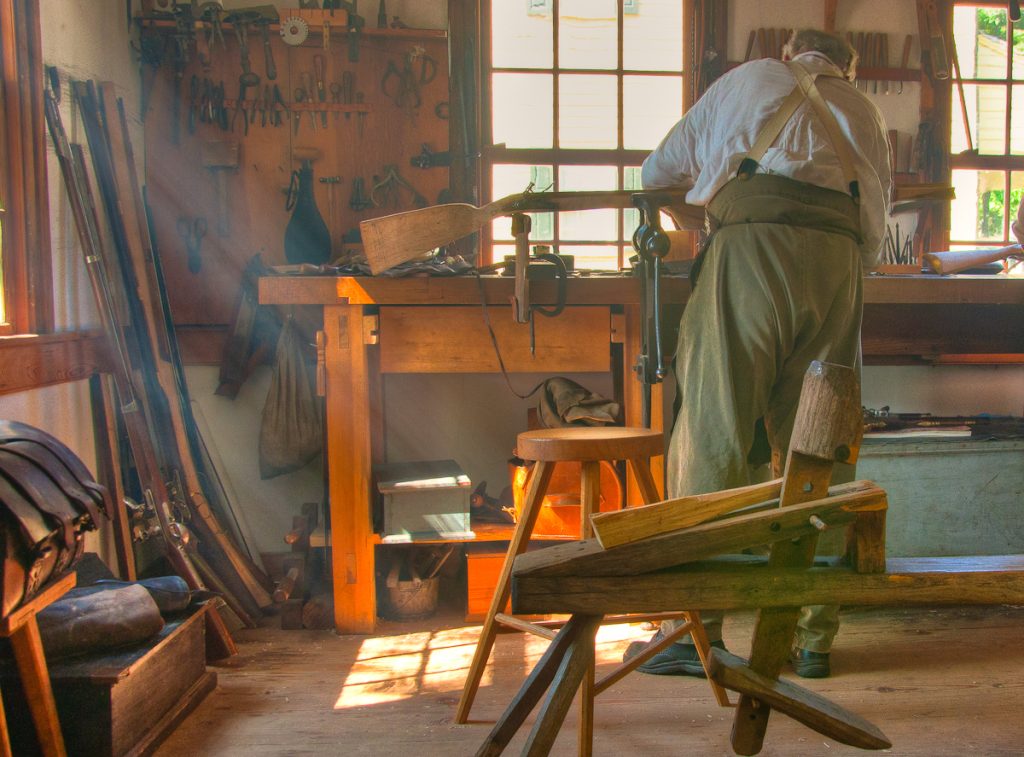
Steel is a reward to fitting. Most of the common work such as trigger work, sight cuts, refinish work, and frame/slide work is not only perfectly familiar on steel platforms, but also can be performed without considering the frame as a part that should not be touched. This is important to those who are interested in competitive shooting and those long time owners who desire to have a pistol that will upgrade with their abilities.
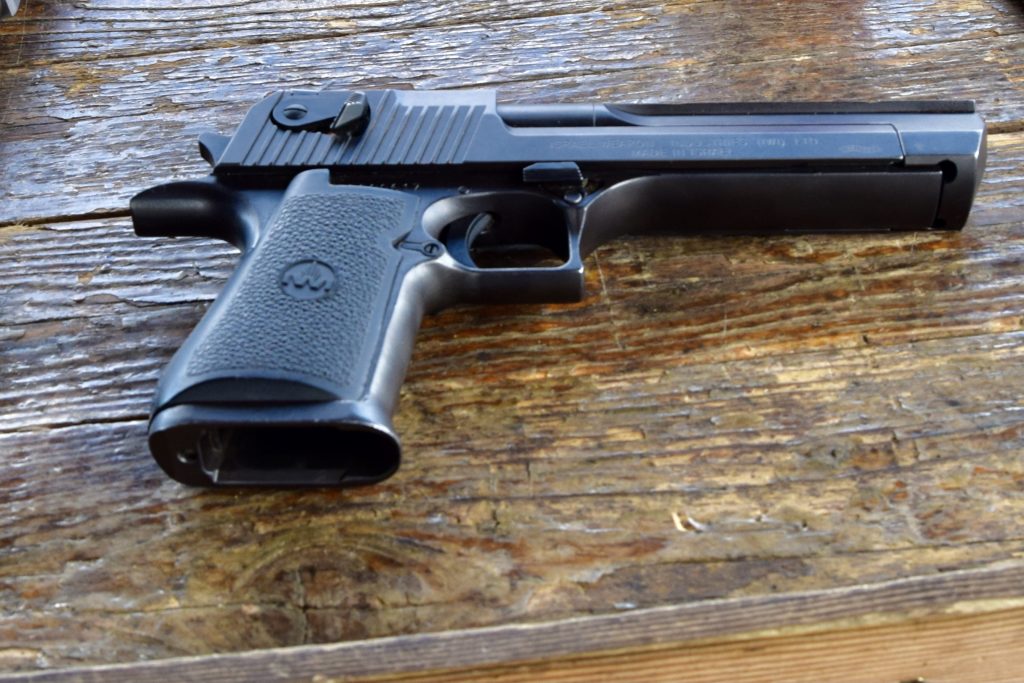
8. Confidence with heavier-pressure cartridges
Steel frames tend to offer the firmness and durability of fatigue resistance when loaded in the stout range, and this feature is favored by the shooters. The benefits of the practice to the good are less apparent cruelty and more assurance that the gun will not be out of spec after thousands of rounds. Although modern polymers can fully accomplish it, the mechanical feel of steel enables the system to be simpler to control by some shooters.
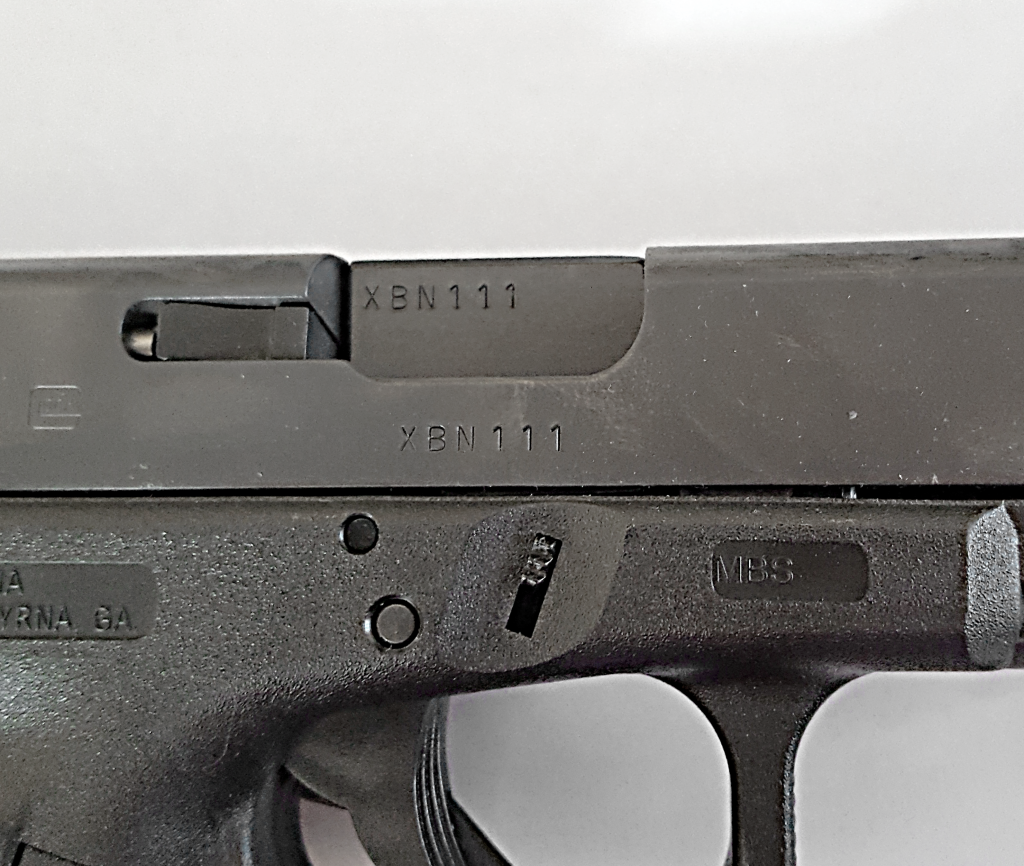
9. Wear that tells a readable maintenance story
Steel exhibits honesty of contact points, such as polishing of rails, blueing of edges, and the appearance of rub marks, which provide the owner with visual information about the location of a gun running and the point of lubrication doing its job. The same patina overlaps with stewardship: preservation advice on heirlooms focuses on gentle cleaning, protective oils, and stable temperature, such as approximately half the relative humidity of mixed wood-and-metal collections.
10. Heritage that still tracks to performance
Icons were steel-frame and thus they performed. The Browning Hi Power contributed to the creation of high capacity 9mm service pistols and the CZ-75 advanced the idea with the addition of the DA/SA versatility and internal rails. Their attractiveness has been maintained in that they can still be shot using the standards of the day without any serious issues such as recoil, holding, or mechanical reliability. The use of steel frames does not reject the use of modern materials. They are another group of tradeoffs, optimized to control, lifetime, and mechanical consistency-attributes that become apparent after the number of rounds increases. To shooters whose chief consideration is the ability of a pistol to follow, to heat, to wear, and to be maintained over the decades, steel still has its place on the range and in the safe.


