A comet going through the solar system seldom alters the general thinking of scientists in regard to comets. However, one interstellar object has followed through on it: 3I/ATLAS was the third object on record to have behaved as both a well-known icy object and a little-known experiment in chemistry simultaneously.
Due to its early discovery in its inbound orbit, a very wide observing campaign was compiled by researchers. The end product is an image constructed out of a large number of instruments, a large number of wavelengths and a large number of viewing geometries- not as a snapshot image, but as a chemical and physical story being told with the heat of the sun.
1. A natural comet, not a technological mystery
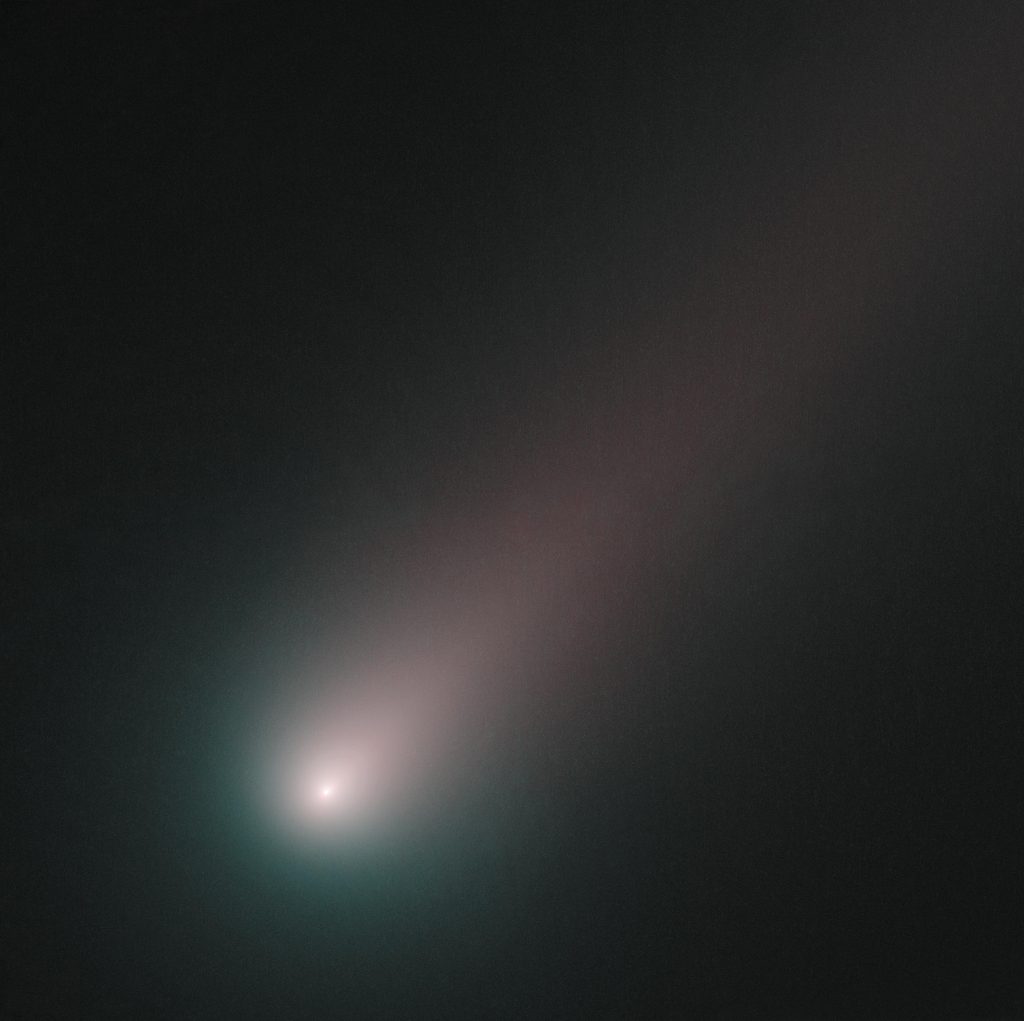
The general interest soon invited unsubstantiated theories of artificial origin. The measurements rather are typical of a traditional comet: a coma and a tail generated by the release of volatiles, and a path determined by gravitational effect and no sign of accelerated behavior. The basic classification was summed up in one sentence by NASA Associate Administrator Amit Kshatriya: This object is a comet.
2. A multi-vantage observing campaign spanning the solar system
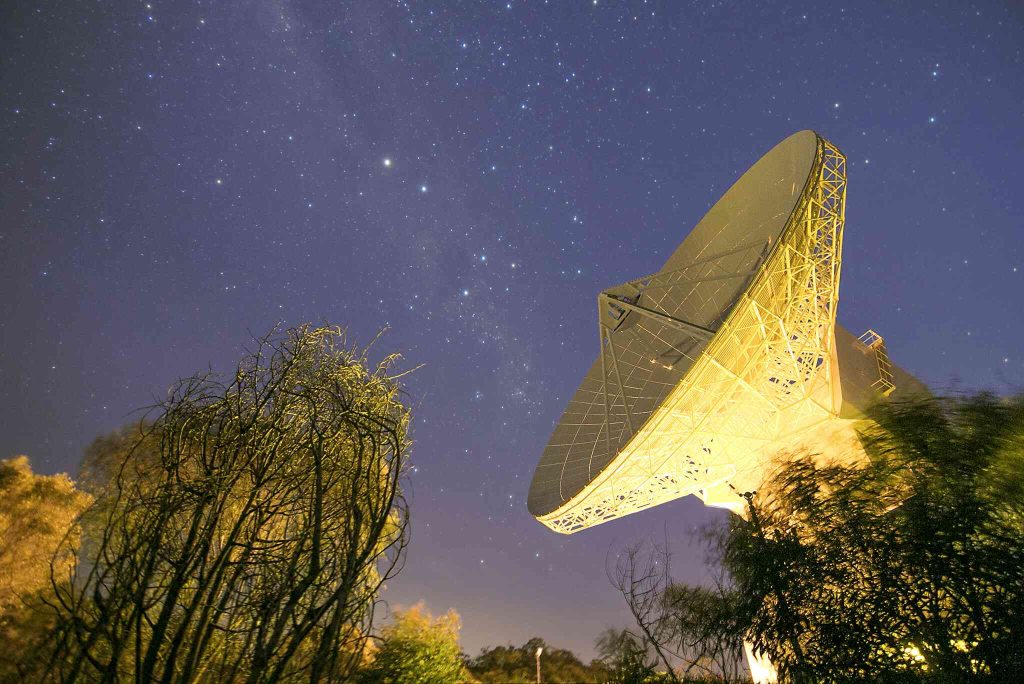
3I/ATLAS grew to be a coordinating issue rather than an object in science with observations compiled using space telescopes and planetary missions. This is important as the most visible stage of an interstellar object may occur when it is not visible to the earth. One such gap was filled by NASA Parker Solar Probe following the comet with WISPR between 18 October and 5 November 2025, at which time it was too near the Sun to look like a comet in the sky of the Earth.
3. A plausible origin in the Milky Way’s older stellar populations
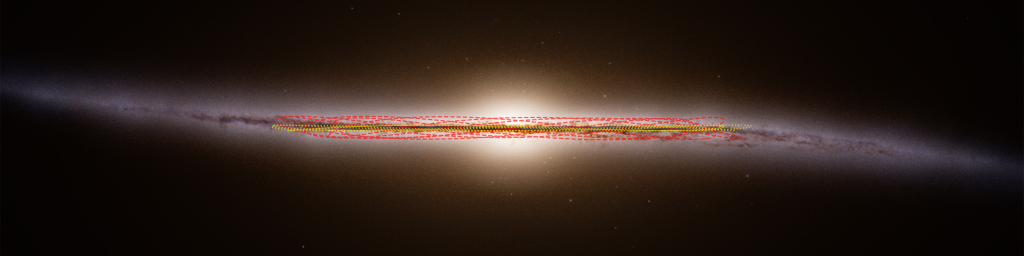
The high speed of incoming and the hyperbolic path of the comet denote that it does not belong to the Sun, but the explanation of the comet is more profound as the comet was reconstructed into its orbit. A modeling that based on ESA Gaia Data Release 3 astrometry linked 3I/ATLAS to a dynamical history which was in agreement with old stars in the thick disk of the galaxy. The latter is consistent with the notion that the comet is a very old material, which has remained free of any particular planetary system over long periods of time.
4. Water-ice activity confirmed by radio fingerprints
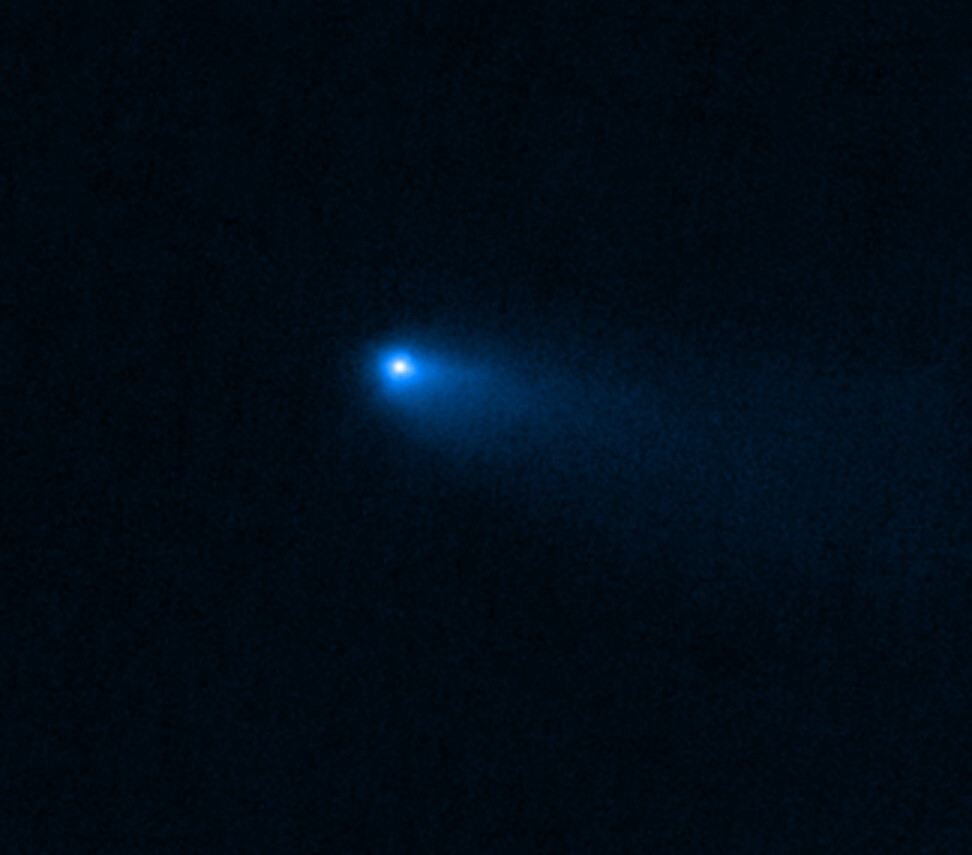
The 3I/ATLAS revealed the characteristic features of an active comet, even at a great distance of the Sun. One of the clearest indications was the radio observation of hydroxyl (OH) a typical product when water was disintegrated using sunlight after sublimation into ice. MeerKAT observed OH absorption peaks at 1665 and 1667 MHz, an effect of geometry that is a geometry-dependent signature that has since been observed to shift in the expected manner as changing the observing angle..
5. Carbon dioxide that overwhelms water in the coma
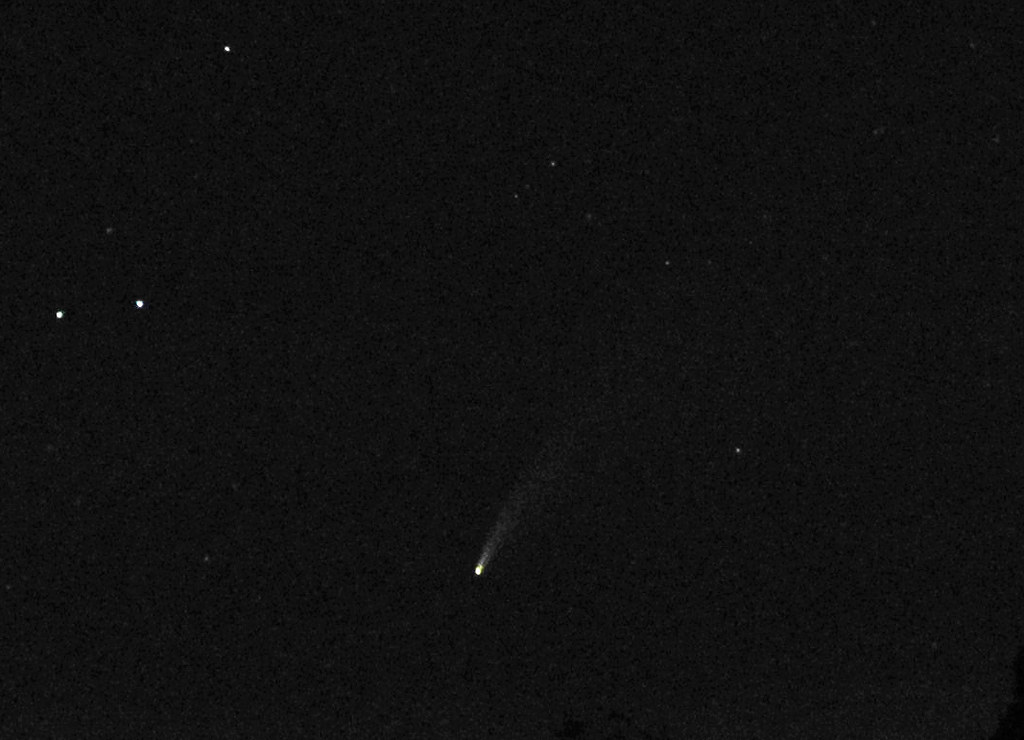
One of the most dramatic surprises came with the use of the IR data which showed that carbon dioxide was the most dominant volatile in the inventory in a manner that is unusual to the normal solar system comets. The results of JWST and other datasets had measurements that concurred on an unprecedentedly high ratio of CO2 to water with a value of 7.6 +0.3 in one of the measurements. The suggestion here is not simply of more CO2, but of a formation and processing history that supported CO2 conservation or CO2 production in the surface layers.
6. Nickel vapor appearing where metals should stay frozen
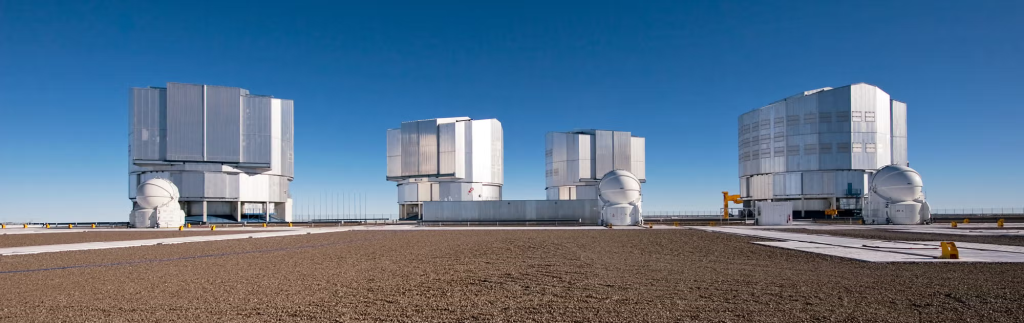
Even in distances where the temperature was too low to a point where metals could vaporize directly, Very Large Telescope spectra still revealed atomic nickel. The discovery that it is at 3.88 AU away was the Sun further propelled researchers to another theory: nickel that was transported as delicate compounds that dissolve under sunlight, releasing metal atoms without having the presence of hot sublimation conditions. The dilemma became even sharper since iron which is generally observed in the presence of nickel was not detected beyond the instrumentation level.
7. Cryovolcanic-style jets and a surface that behaves like an icy outer-world
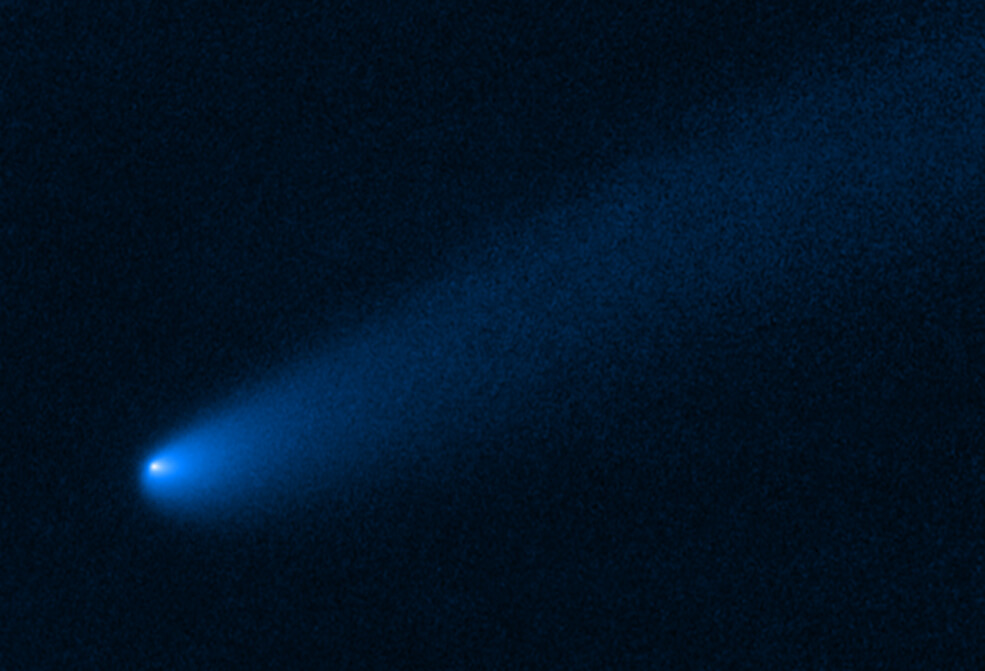
The Joan Oro Telescope provided high-resolution images, which were taken to see jets of gas and dust as a possible sign of the potential cryovolcanism, timed as the comet brightened, as it was drawn in. There has been a preprint study where it was described that there is a threshold like a change in activity that occurs within approximately 378 million kilometers of the Sun which makes sense since there is the existence of CO2 ice that causes the intensive outflow. The behaviour was associated with processes observed in trans-Neptunian objects, which implied that the surface mixture of the comet can resemble icy bodies formed at long ranges away around the Sun- although the comet might have been formed elsewhere.
8. A dust geometry that briefly points the “wrong” way
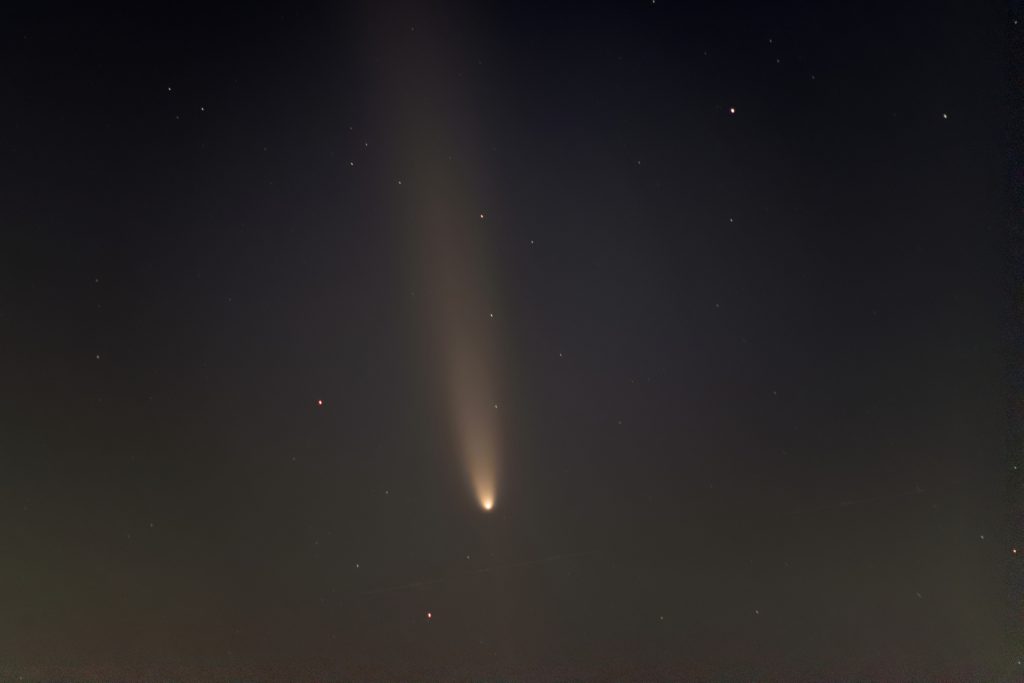
Photographs have revealed a coma, tail and an anti-tail that seems to point toward the sun-a structure that might seem alien, but can be formed through the process of dust interaction. Bigger particles may be left in their tracks against the solar radiation pressure, and create a Sun-facing feature at some angles. In the case of 3I/ATLAS, the dust activity has turned into a diagnostic instrument: it limits the size of grains and their release time, rather than the visual effect.
9. A test case for comparing planet-building ingredients across the galaxy
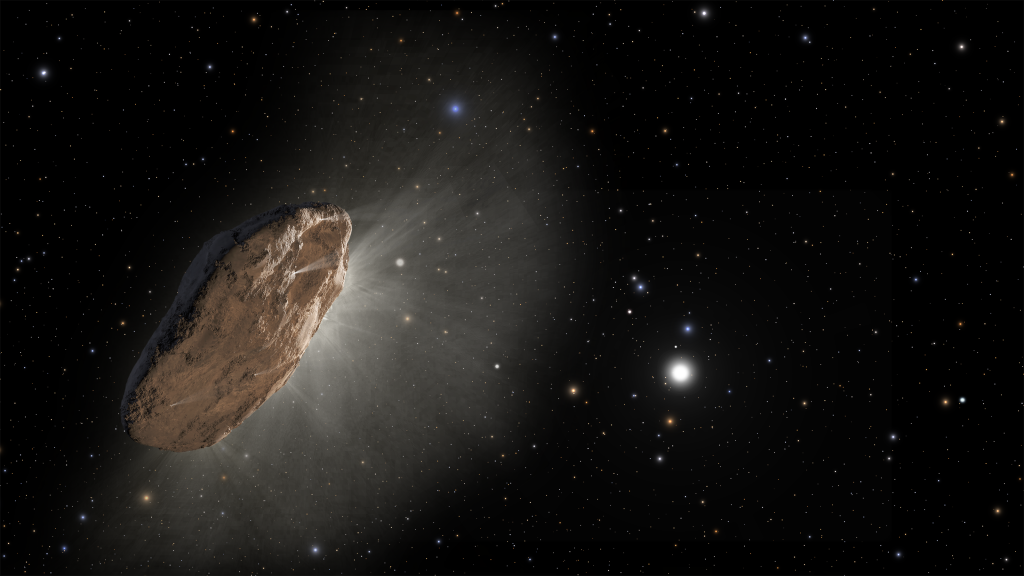
The Interstellar comets provide the one thing that a telescope cannot otherwise achieve, and that is, the physical samples of other planets systems brought to the doorstep of the solar system. Under 3I/ATLAS, no individual molecule is the most valuable comparison, but rather the interaction of chemistry/activation sequence of CO2-rich layers, water-ice products and unexpected metal carriers triggering on with the strength of sunlight. The combination aids in refining models of the mechanisms of the icy body formation, its development under the influence of the cosmic rays, and its expulsion into the space of the interstellar.
3I/ATLAS has been used as a kind of controlled experiment, carried out by the Sun: warm up, see what it is made of, and measure what flies. The information, particularly the coma-CO2 and low-temperature nickel, has broadened the definition of comet-like chemistry to the familiar template of the solar system. With more interstellar objects coming in the years ahead, 3I/ATLAS is a useful roadmap: capture it early, see it through many different angles, and use its peculiarities as evidence of the environments in which it was formed that have never been explored by any space probe.


