“‘Roughly 82 percent of the ships under construction are behind schedule. This one number encapsulates why the U.S. Navy’s shipbuilding problem is no longer simply about new ships, but whether force structure plans can survive contact with industrial reality.’”
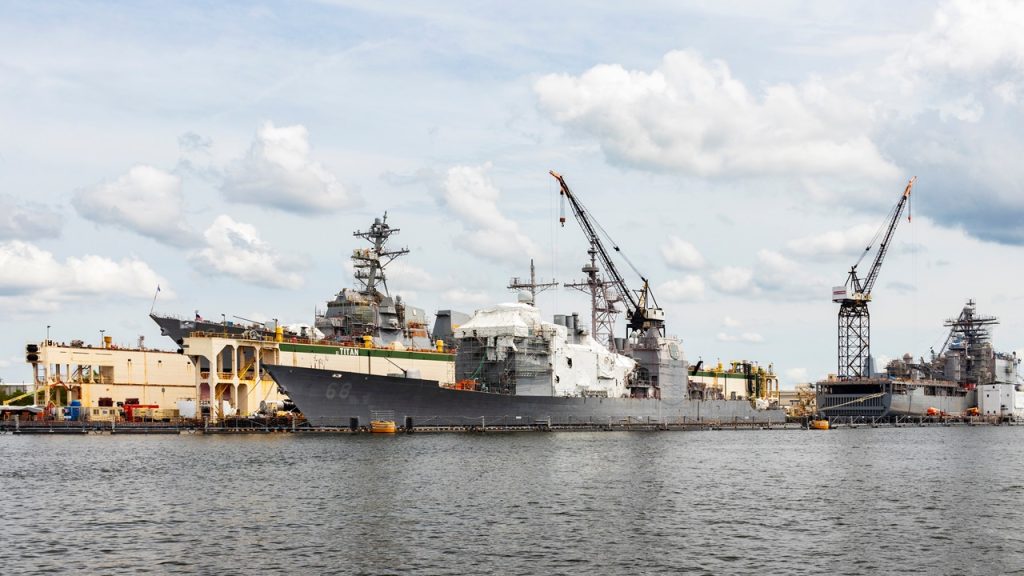
In the largest surface and submarine construction projects, the same thing happens: schedules are extended, costs increase, and demands shift after the start of construction. Even if Congress and the Pentagon offer more funds, the absence of capacity in a small number of congested shipyards remains the cause of ambition turning to delay.
The net result is a Navy that is trying to modernize while at the same time digging out from under its maintenance backlog, personnel, and acquisition processes that are biased in favor of speed over maturity.
1. A fleet plan that outpaces yard capacity
The Navy shipbuilding programs still reflect production capacity that has not been demonstrated to be able to be produced by the shipbuilders on a regular basis. The Government Accountability Office has indicated that the shipbuilders are limited by a lack of physical capacity and outdated infrastructure, as well as difficulties in retaining qualified personnel; in the GAO assessment, the delays for some of the ships are estimated to be as much as 3 years. The Navy and DoD have spent billions of dollars on industrial base modernization and personnel, but the GAO also indicated that the Navy has not determined whether these efforts are effective.
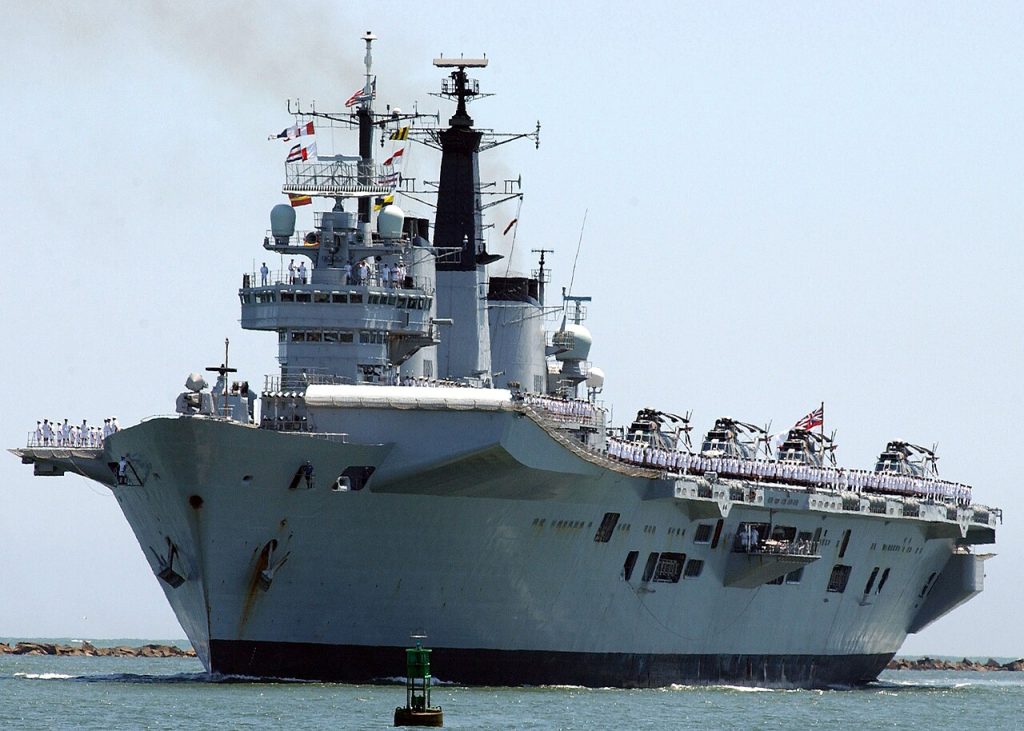
2. Design changes that convert “proven” hulls into custom designs
The Constellation-class frigate program was touted as a lower-risk, ‘modified’ version of an existing European design, but it has become a case study of what can happen when requirements creep after contracts are awarded. GAO found that the Navy’s design changes had played a major role in the program’s weight growth and schedule problems, noting in one report that the program was still only 70 percent complete and three years behind schedule despite several years of development activity. The problem was aptly described by a former senior acquisition official: “Sometimes, you are just better off designing a new ship. It turns out that modifying someone else’s design is a lot harder than it seems.”
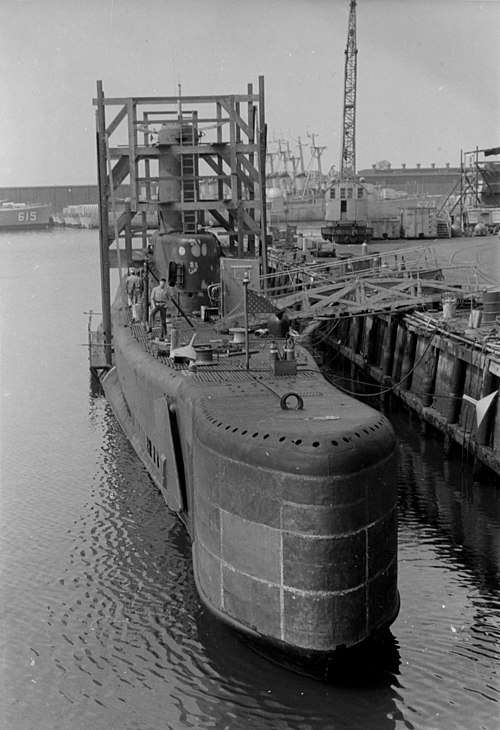
3. Modernization dollars that fail to return ships to service
Shipbuilding is only one part of fleet development, and life extension and modernization are only intended to extend the timeline. The cruiser modernization program is the reverse. An investigation led by the Senate found that the Navy squandered $1.84 billion on cruiser modernizations that were later divested and that the means of oversight and planning available in major acquisition programs were not used because the program was something different. In one instance, GAO wrote about repairs where a contractor was forced to use unauthorized materials such as “plastic wrap, tape with common store-bought super glue” to solve a sonar problem, a story that shows how poor controls can make technical problems worse. When major availabilities do not provide capable ships, the Navy loses capacity twice: once in the yard and again at the end of life.
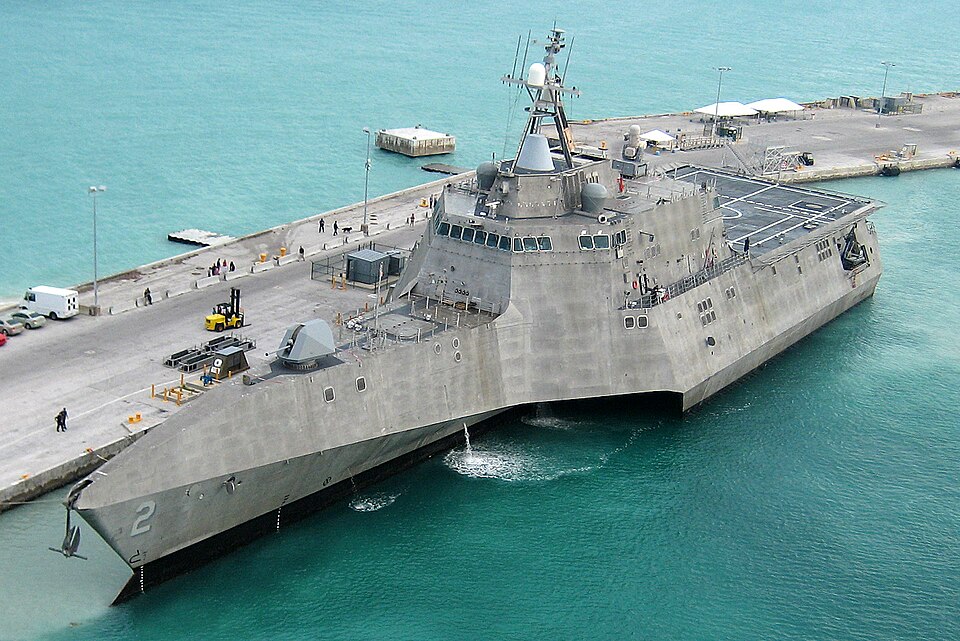
4. The cautionary cycle of the Littoral Combat Ship: momentum over evidence
The Littoral Combat Ship represented the challenge of scaling up without proving concepts at sea first. Later evidence showed problems of mechanical failures, mission modules that were late-arriving, and a ship that could not keep up with the evolving needs of survivability. ProPublica described the command influence on high-profile events, such as the “no appetite” for a failure to deploy, which encouraged short-term demonstration rather than long-term functionality. The Navy began decommissioning ships well before their expected lifetimes, leaving behind a smaller functional fleet and a trained personnel base on platforms that did not offer the needed operational value.
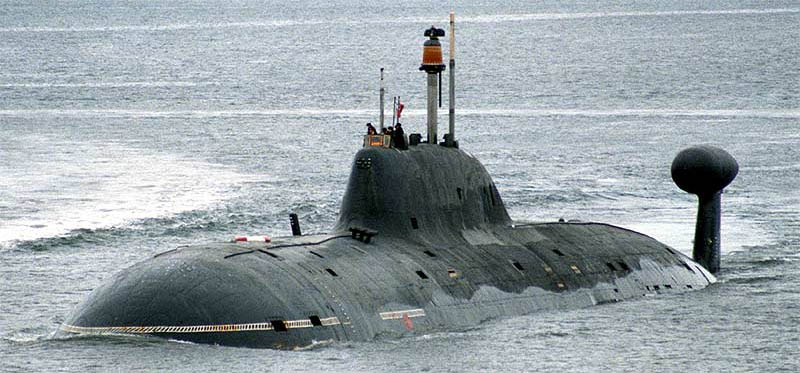
5. Undersea programs strained by the same workforce and supplier limits
Submarines are among the most difficult efforts the Navy is involved in, and GAO reporting has found that delays due to manpower and capacity shortages are not only seen in the lead yards but also in the supply base. In one of the GAO reviews, it was seen that the Virginia-class Block V submarines were producing at 60 percent of an annual rate, while the Columbia-class program was facing schedule pressure due to construction shortfalls against plan. These programs cannot be “surged” like smaller surface ships because the highly qualified personnel, certified facilities, and long-lead materials fix the problem created by a manpower shortage.

6. A workforce cliff that dwarfs incremental hiring plans
The ultimate question of shipyard revival is a question of people, and the recent commentary from the Navy has brought the scope of the problem into clear focus. The Maritime Industrial Base discussions at NAVSEA highlighted the need for 250,000 new shipyard workers, in addition to the fact that some 25 percent of the current shipbuilding workforce will be eligible for retirement in the next five years. The problem of recruitment is therefore only half the problem; the problem of training capacity and retention is the other half.
7. Partner capacity abroad and the legal friction at home
Among the very few levers that have been mentioned in the professional circles and can be acted upon in the short term, one of them is structured collaboration with the allied shipbuilding powerhouses. A proposal for trilateral collaboration between the United States, Japan, and South Korea suggested that by combining their industrial might, the trio could hasten the production of smaller warships while U.S. shipyards focus on the most complex ones. However, the same proposal also mentioned the limitations, which are the “longstanding requirements related to domestic construction and content requirements that could limit foreign production even if allied capacity is available.”
The Navy’s shipbuilding problem is often described as a budget problem, but the data indicates a more resilient problem: the ability to deliver, especially when designs change in mid-course and modernization projects fail to return ships to the fight. The Navy’s fleet shrinks not only when new ships are delivered late, but also when old ships stay in the yard longer than expected. “If the Navy’s future force requirements are to mean anything on the water, ship design discipline, shipyard volume, and personnel regeneration must be managed as a single system because the shipbuilding industrial base already does just that.”


