“Handgun caliber arguments always seem to begin with a cliché: ‘Shot placement wins.’ Well, until the bullet doesn’t reach anything vital, anyway. That’s why the latest standards of defensive shooting continue to circle back to the same measuring stick: enough penetration to count, even when clothing and awkward angles are involved.”

The benchmark that gets cited is the FBI’s recommended penetration of 12-18 inches in ballistic gel. It’s not a magic number; it’s a safety margin for real bodies, real clothes, and the messy geometry of a fight. If a cartridge exists on the fringes of this standard, or never comes close, then the rest of it is just a roll of the dice. Each of these rounds has history, character, or a specialized use. What none of them offers is the sort of margin that one expects from defensive handgun ammunition.
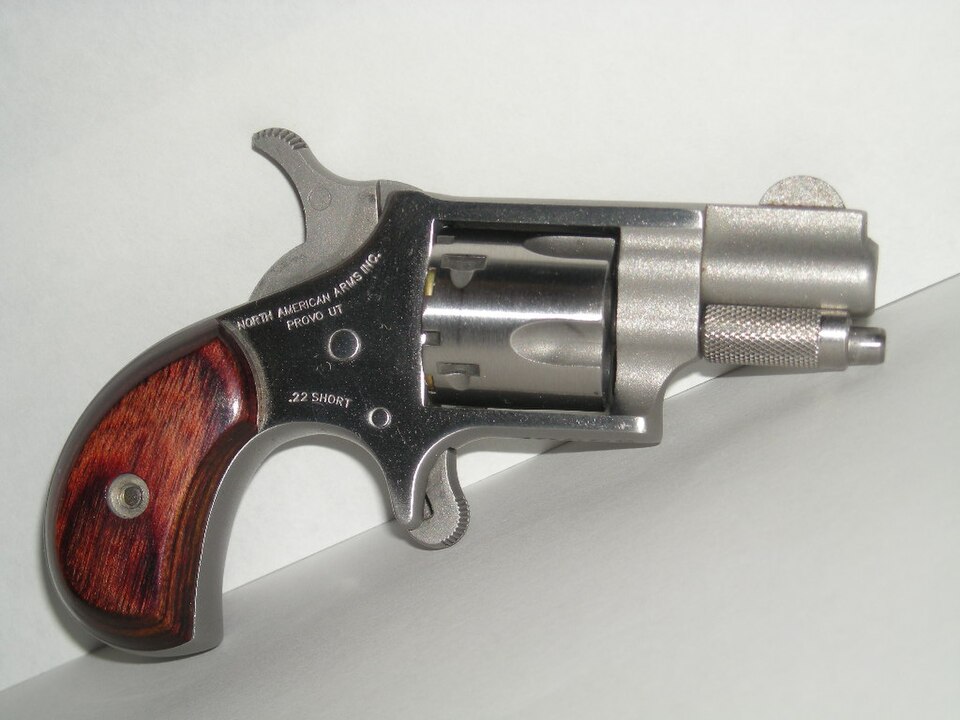
1. .22 Short
The .22 Short also appears in antique revolvers, mini rifles, and as a stealthy, low-recoiling plinker. The attraction is straightforward: small cartridge, small report, and effortless shooting.
But the engineering ceiling is every bit as simple. The small size and low velocity simply don’t allow for much speed or momentum, and this makes reliable, fight-stopping penetration highly unlikely, especially when clothing or bone enters the equation. In a mission to reach vital targets, the penetration requirements of .22 Short are simply too restrictive to be relied upon for defensive purposes.
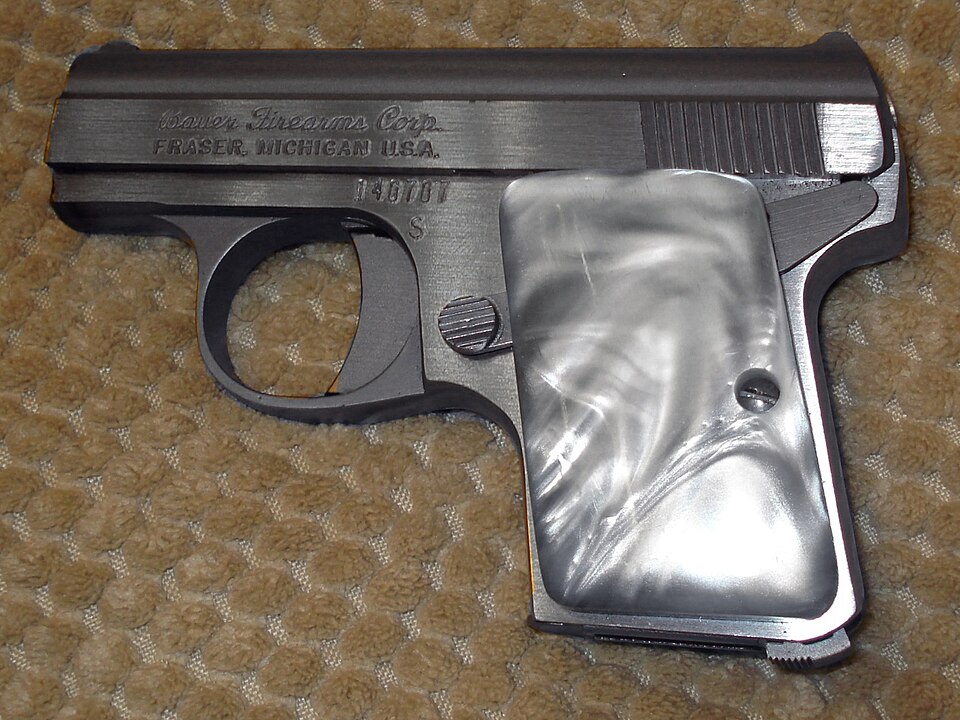
2. .25 ACP
The .25 ACP was intended to provide the reliability of centerfire cartridges to pocket pistols, and it often does just that. In very small autos, the consistency of ignition can be a real plus over rimfire.
The hard ceiling is terminal ballistics performance. Gel tests with short-barreled pocket guns have indicated .25 ACP cartridges with penetration of 10-11 inches or less, well below the FBI minimum; an example is 10-11 inches in gel with a 2.4-inch-barreled Beretta 950. There is little margin for clothing, angles, or arms in the way. While reliability is a plus, it is not a substitute for penetration.
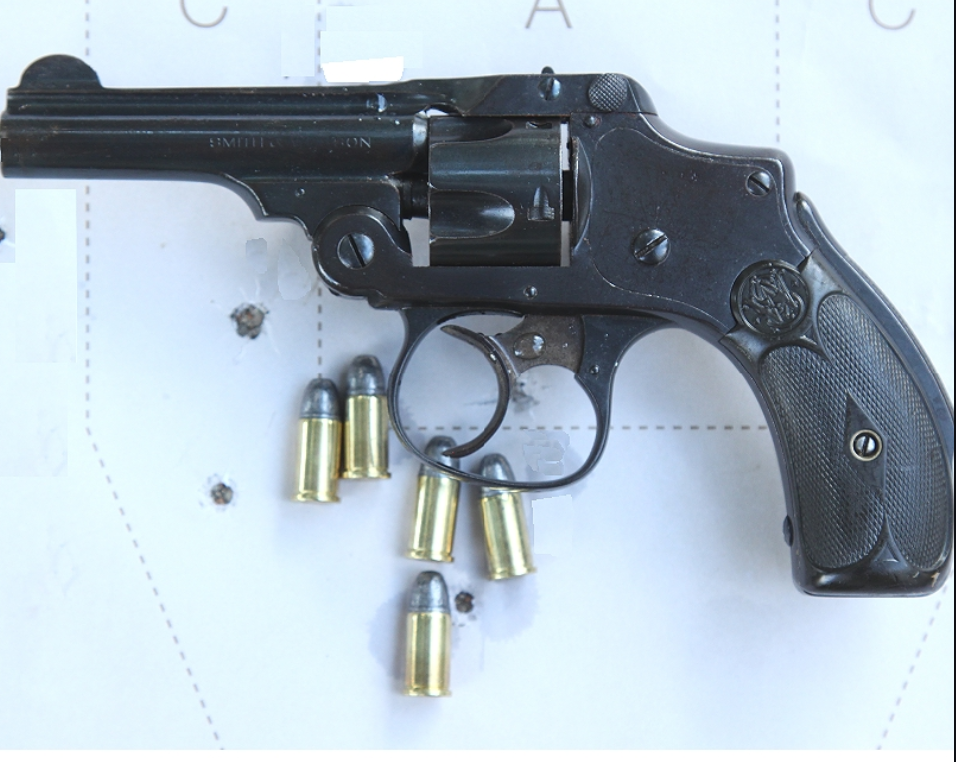
3. .32 S&W (Original)
The original .32 S&W cartridge is a reflection of a bygone age, when the trade-offs of small size and low recoil, and only moderate velocities, were acceptable in a small revolver. Many of these cartridges are still functioning well today.
Standards of defensive cartridges evolved. The slow, lightweight bullets of this cartridge have difficulty keeping penetration consistent until obstacles come into play. The .32 caliber line also brings about the inevitable contrast: newer cartridges advanced the power of pressure and bullets, while the .32 S&W lagged behind.
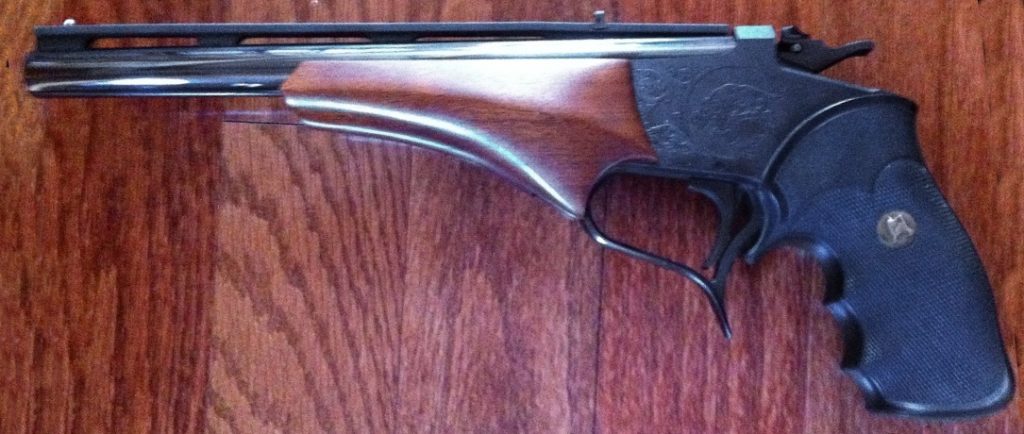
4. .410 Bore from a Handgun
.410 revolvers offer a concept: “multiple bullets per trigger pull, broad intimidation power, and ‘shotgun logic’ in a carry gun package.” The trouble is that concealability requires short barrels, and short barrels penalize shotshell ballistics.In bare gelatin, some .410 handgun cartridges can appear quite respectable plated 000 buckshot has shown 14-16 inches of penetration.
The performance cliff occurs with clothing. Testing by Brass Fetcher has revealed that plated 000 buckshot was adversely impacted by FBI Heavy Clothing and fell to unsatisfactory depth. Lighter birdshot-style weights at handgun ranges also did not penetrate deeply enough to stop a determined assailant, and some slug-style “defense” cartridges proved unstable, with one bullet failing to stabilize and tumbling with depths varying wildly. The spread is very reassuring; the physics is not.
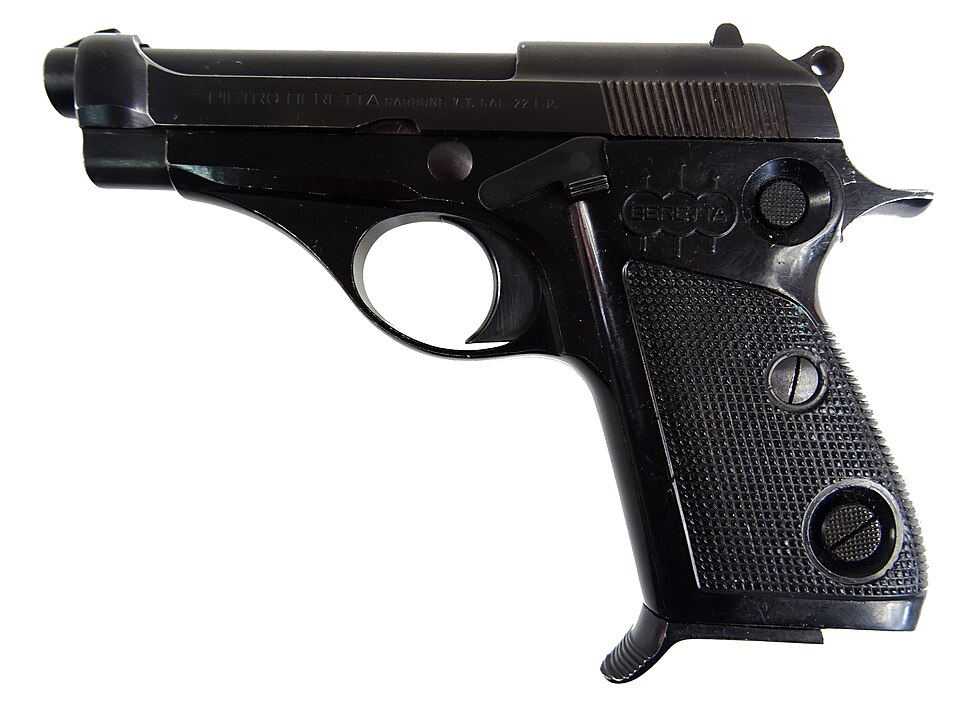
5. .22 LR in Pocket-Length Handguns
.22 LR is ubiquitous, very easy to shoot, and is often found in the hands of shooters who cannot stand the recoil in heavier cartridges.
In a self-defense role, the lack of recoil in .22 LR can be a real advantage, allowing for quick follow-up shots. The limitations of the design are hardwired: rimfire priming is less reliable than centerfire, and short barrels impart velocity loss. Gel tests in compact pistols have consistently demonstrated that some bullets can approach the penetration threshold while others fail, particularly with heavy clothing.
A pocket-caliber test, conducted with short barrels and a four-layer clothing barrier, confirmed that differences in barrel length could alone account for differences in performance; the 4.4-inch pistol averaged 126 fps faster than the 1.9-inch snubnose in one test, and the correlation between velocity and penetration was not always linear. In short, the cartridge can be effective, but it does not always act like a reliable system.
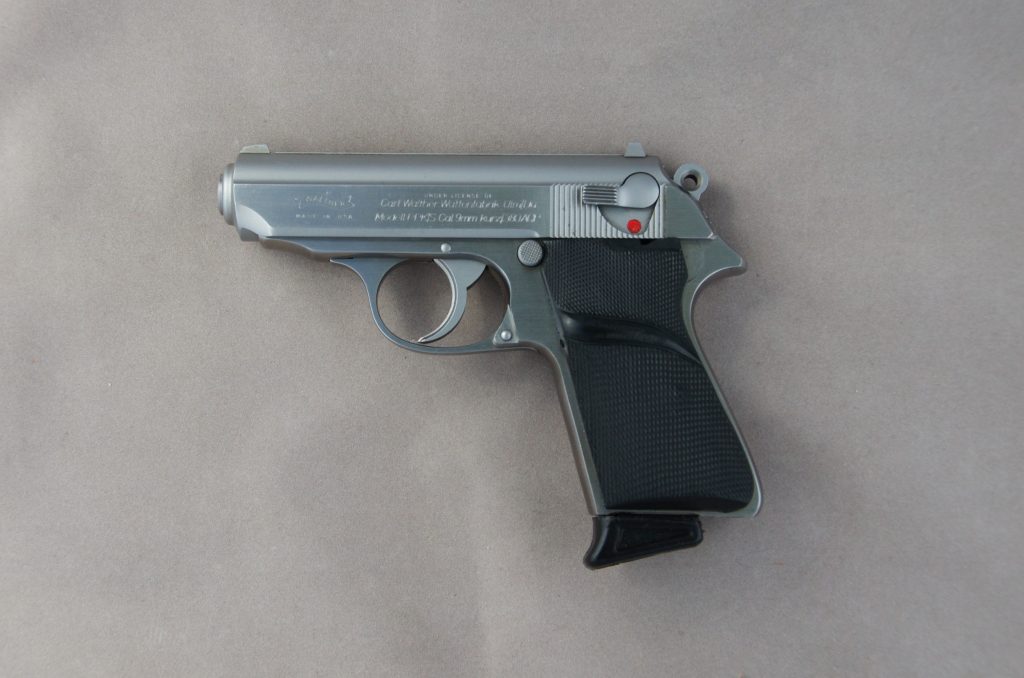
6. .380 ACP FMJ
.380 ACP is sometimes considered the bottom edge of “serious” defensive handgun rounds, but caliber selection is what makes or breaks .380. FMJ rounds will feed easily and penetrate deeply. However, this depth can also be the issue. A lot of penetration tests for .380 FMJs have shown that penetration goes past the desired range, and a compilation of FMJ penetration tests showed that penetration varied from 16 to 27 inches, depending on the shape of the bullet and its velocity.
Penetration past the desired range is not a theoretical issue if the bullet has enough velocity to keep going after it exits the target. Hollow point .380s can expand well but sometimes under-penetrate, especially out of the shortest barrels. The cartridge is usable, but FMJs are a trade-off: depth without the wound dynamics that bullet expansion is intended to create.
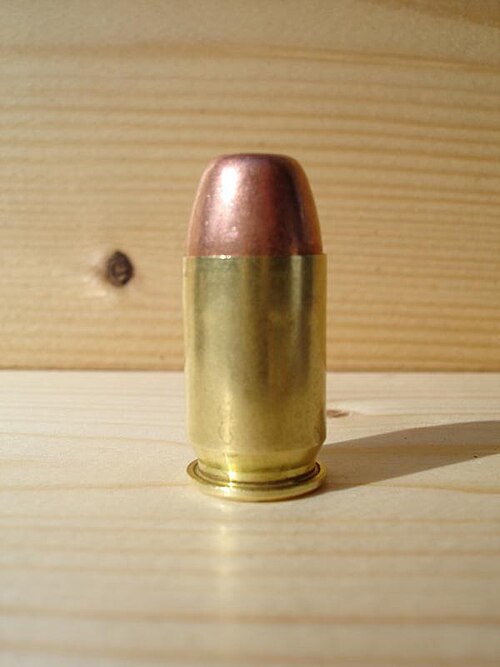
7. .45 GAP
.45 GAP is a study in remedying a problem that the market learned to live with. The intention was to provide .45 ACP-like ballistics in a shorter package in order to allow smaller grip frames in pistols. In terms of dimension, there is a real difference: the .45 GAP has a 0.755-inch case length, while the .45 ACP has a 0.898-inch case length. To maintain equal performance, the .45 GAP is fired at a higher pressure, 23,000 psi compared to 21,000 psi for the standard .45 ACP. None of this led to a sustainable ecosystem.
With less support for the platform and fewer self-defense loads, the cartridge is a dead end: not because it won’t work, but because self-defense firearms require mind-numbing reliability in procurement, testing, and availability. The trend in these cartridges is not a mystery; it is engineering margins. When there is inconsistent penetration, when there is a barrier effect, or when the ammunition ecosystem is too thin to validate performance, the shooter must “hope” instead of “know.” The modern defensive handgun market favors those cartridges that can provide a consistent depth and predictable performance from the short barrels that people actually carry. “Everything else is nostalgia, convenience, or experimentation and defensive carry is a bad place to experiment.”


