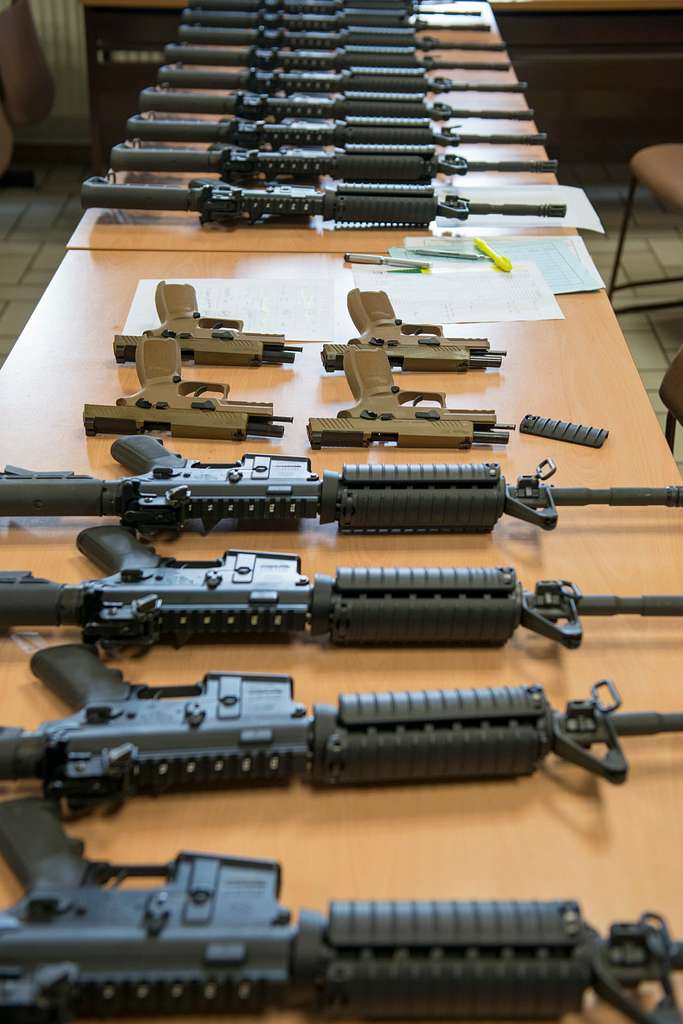
“Many guns look like a good idea on paper: the right caliber, the right features, the right size, the right promise. The regret doesn’t usually appear at the checkout line. It appears later, after a few trips to the range, a few malfunctions, and a growing tendency to leave the gun at home.”
Disappointment usually isn’t dramatic. It’s the drip of lost confidence: magazines that won’t play ball, triggers that fight the shooter, parts that wear in peculiar ways too soon, or a design that requires too many trade-offs for the task it was purchased to perform.
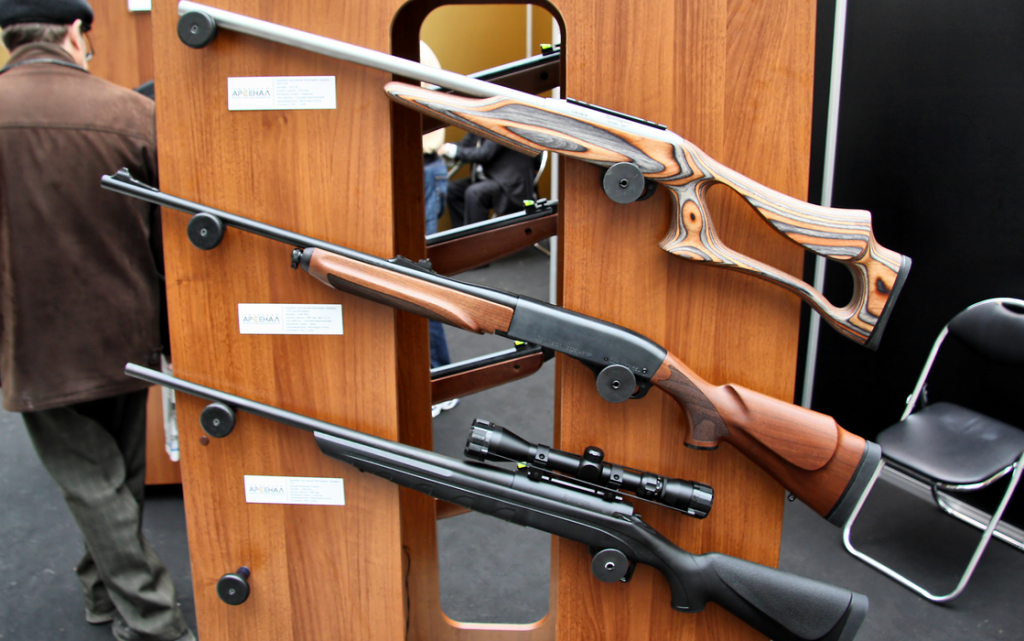
1. Remington 770
This budget bolt gun has a reputation for taking “affordable deer rifle” and making it a project rifle. The list of complaints is mechanical and immediate: a magazine system that can be delicate, a bolt that is gritty rather than smooth, and a stock and barrel combination that does the rifle no favors in terms of accuracy. The worst of these rifles have crossed the line from annoying to unacceptable, with reports of chambers so tight that they resist factory loads pointing directly at quality control that should have been caught before the rifle left the factory. In a market where simple designs reward the buyer, the 770 has too often required patience, gunsmithing, and troubleshooting that defeats the purpose of purchasing a simple hunting rifle.
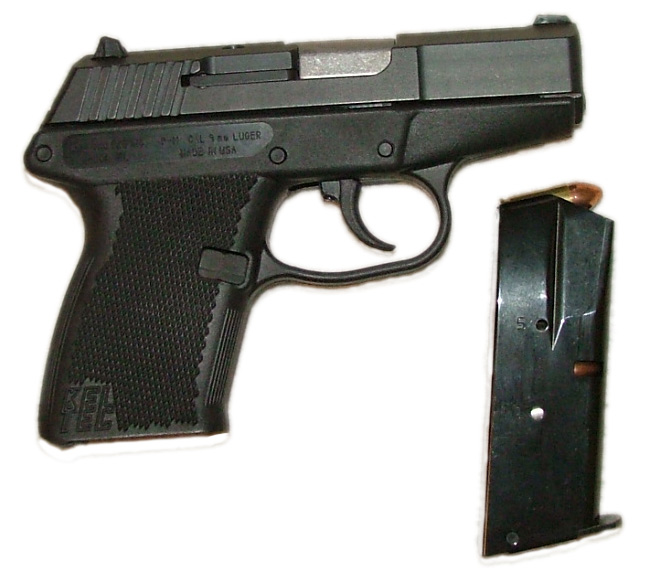
2. KelTec P11
The P11’s strength is its size, but its weakness is how difficult it can be to shoot well. The long, heavy trigger is prone to pulling the sights off target, and the short grip provides too much leverage for the recoil to handle in a compact 9mm. This makes the gun follow a pattern: it’s easy to carry, but difficult to shoot well enough to build confidence. When a handgun’s purpose is to deliver quick, accurate shots, “shootability” becomes the determining factor, not the spec sheet.
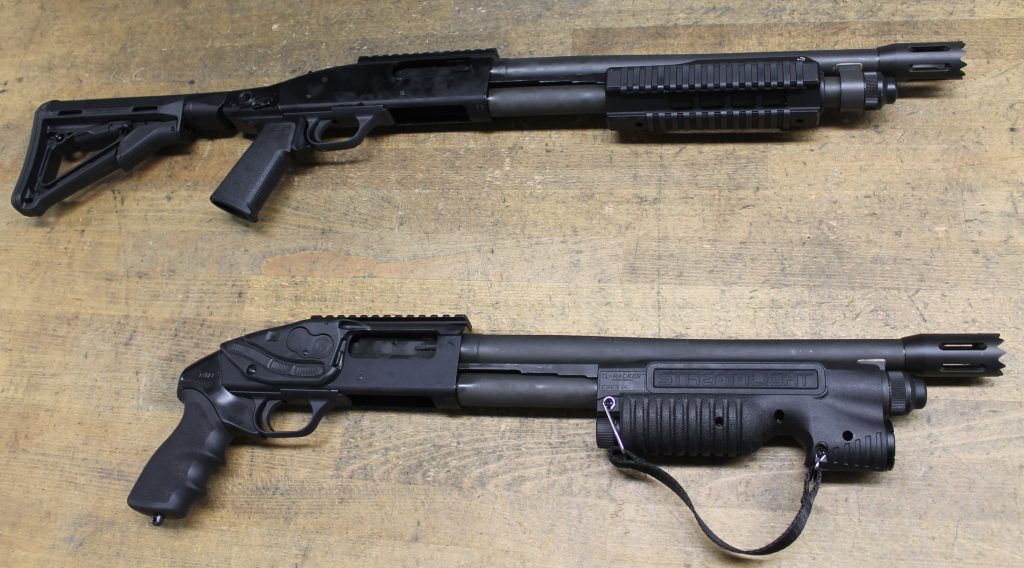
3. Mossberg Blaze
With a weight of approximately 3.5 pounds, the Blaze garners notice for being feather-light, although the construction often seems to have sacrificed in the wrong areas. The liberal use of polymer materials can give the rifle a toy gun feel, and shooters have long exchanged tales of feeding problems and a trigger that does little to improve accuracy. Semi-autos in rimfire calibers already operate on the edge of the ammunition envelope, so problems with magazines and function are sure to manifest quickly. In a rifle intended to shoot bricks and bricks of ammunition at a .22 price, “light and cheap” is a good thing.
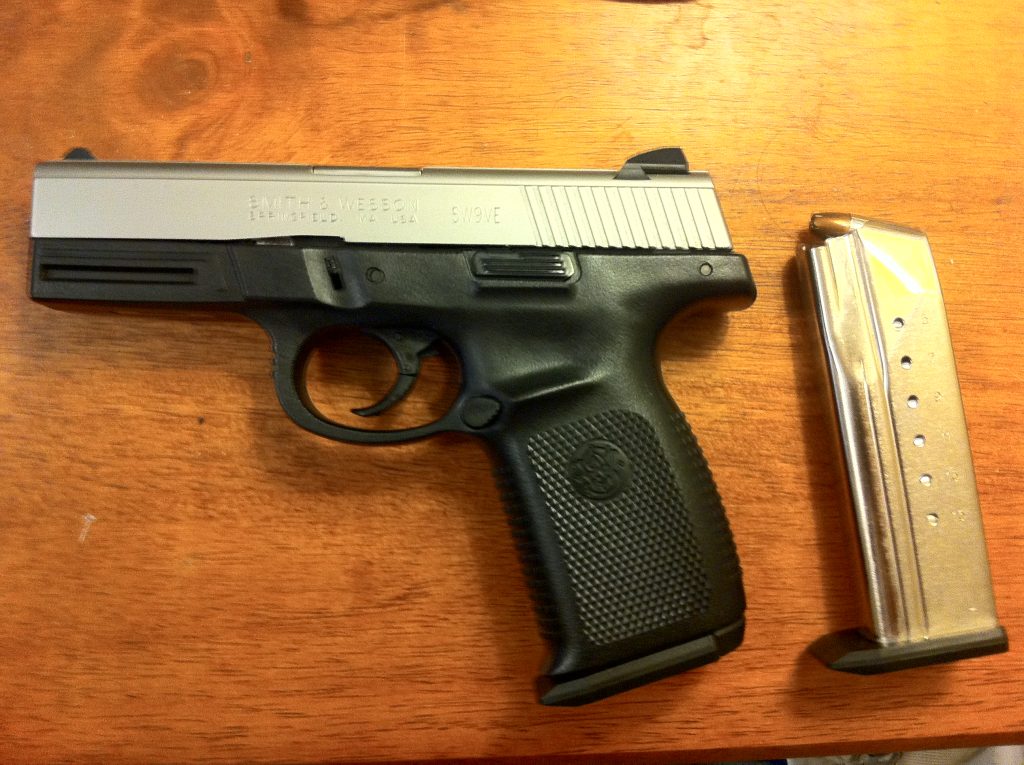
4. S&W Sigma 9VE
The problem with the Sigma’s trigger isn’t that it can’t be made to function; it’s that it can make the shooter work too hard. A trigger that is notoriously heavy and gritty, with a reset that provides no feedback, makes it difficult to quickly follow up shots. Some shooters will learn to compensate for this, but many will never quit fighting the gun. When a gun’s trigger makes every string of fire a negotiation, the shooter’s confidence will suffer despite the gun’s functionality.
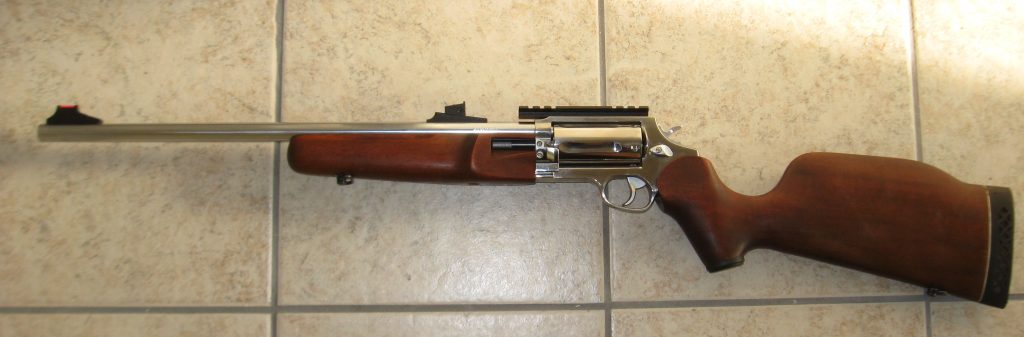
5. Rossi Circuit Judge
The revolving rifle idea is certainly intriguing: “.45 Colt for bullets, .410 for shot, one gun for odd jobs.” In reality, it’s a gun that layers compromises. The blast from the cylinder gap forces one to place their hands precisely, the .410 out of the platform’s ability to deliver what’s expected to happen often doesn’t, and shooting bullets on target usually falls into the realm of “fine, but not great.”

6. Century Arms C39v2
The C39v2 is a prime example of how a single rifle can simultaneously have two reputations. On the positive side, it offered genuine interest as a 100% American-made AK-patterned rifle featuring a milled receiver and a crisp trigger; some reviews have noted the RAK-1 trigger to break at a weight of around 3 pounds. On the negative side, the same platform has also been linked to worries about early bolt and carrier group wear in certain models. This is precisely what leads to buyer’s remorse – a rifle that may shoot well on day one but fails to retain its viewers’ interest if it doesn’t last.
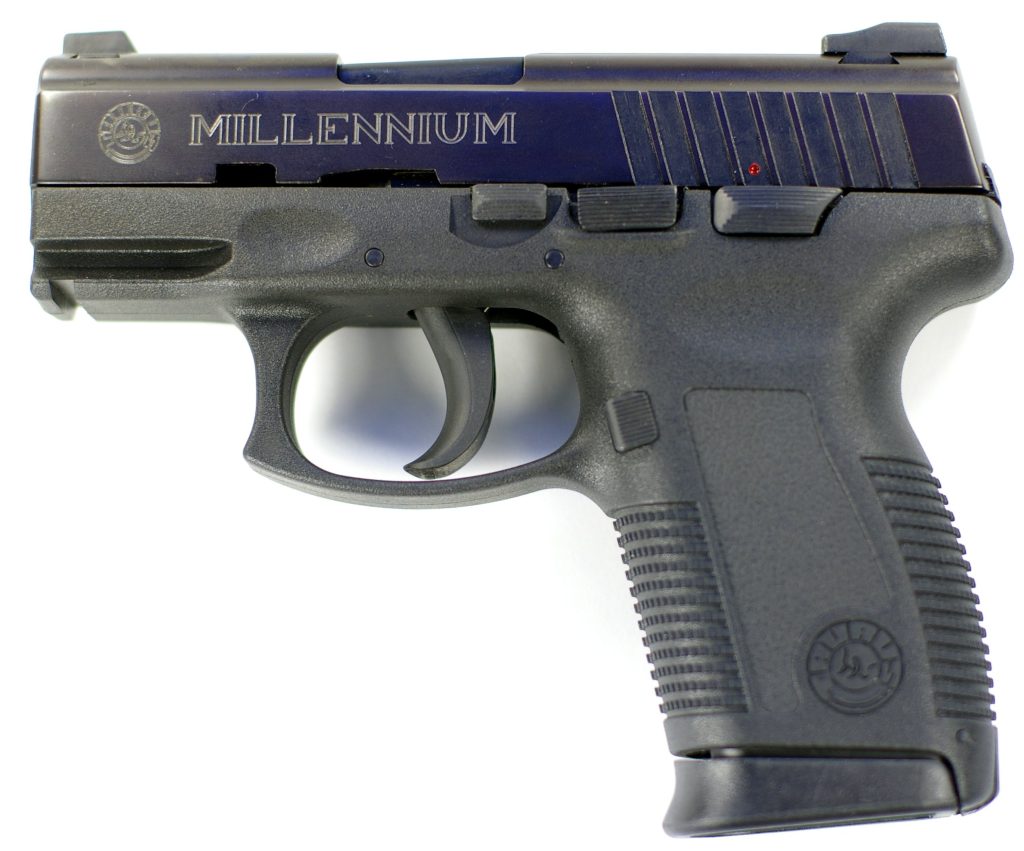
7. Taurus PT145 Millennium Pro
Packaging .45 ACP into a subcompact platform has always presented compromises, and the PT145 has frequently made those compromises seem steep. The short grip and snappy recoil make it difficult to keep on target, and the trigger reset that raises doubts makes the kind of controlled fire one expects from a defensive handgun difficult to achieve. When combined with complaints of intermittent reliability problems, such as failure to feed and failure of the slide to lock back, the issue goes beyond mere comfort. The platform fails to provide the “always” level of trust that a carry gun must.
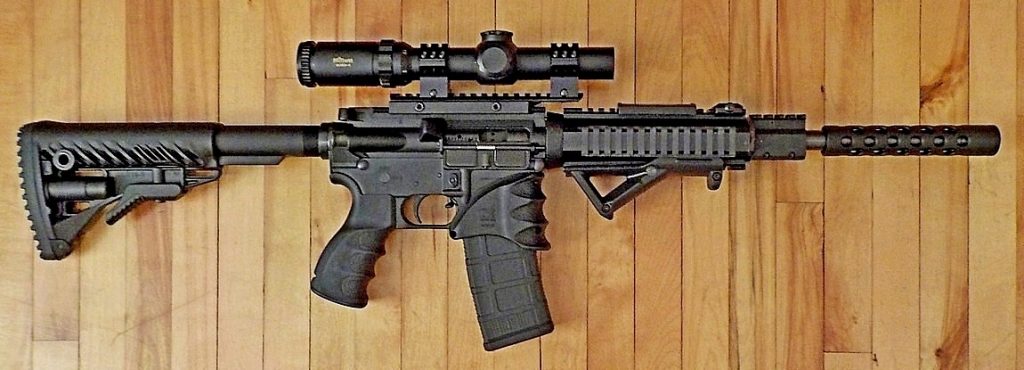
8. ATI Omni Hybrid AR
The Omni Hybrid’s polymer design was meant to cut weight, but ARs penalize flex and reward rigidity and consistency. The problems seem to revolve around flex around the buffer tube region, a soft trigger pull, and a lack of accuracy that tracks with the overall rigidity of the gun. The takeaway is more mechanical: if an AR’s receiver system doesn’t act like a solid base, then the entire system, including stocks, optics, and shooter expectations, will feel like it’s resting on shaky ground. For shooters who wanted a rugged carbine, the “polymer experiment” can’t help but seem like a detour.
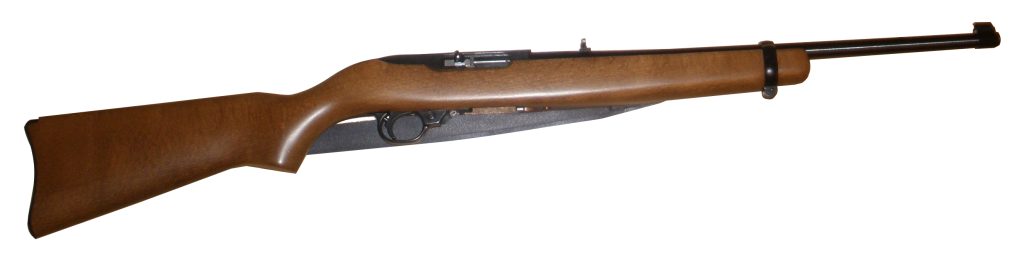
9. Chiappa M1-22
The classic M1 Carbine looks sell the first impression, but rimfire reliability sells the second. The M1-22 has been plagued by complaints of consistent feeding issues and slow cycling, even with faster ammunition, with the magazines being the point of failure. A .22 that can’t dump a magazine without issue ceases to be a fun range gun and becomes a home project. The looks may draw attention on the rack, but the interruptions will dominate the experience. In every one of the nine, the message is the same: a gun can be “interesting,” “affordable,” or “feature-rich” and still be a failure to its owner if it can’t remain reliable, controllable, and predictable. When shooters avoid regret, it is usually because of a simple habit: “function and shootability with enough rounds to expose problems before trust is granted.”


