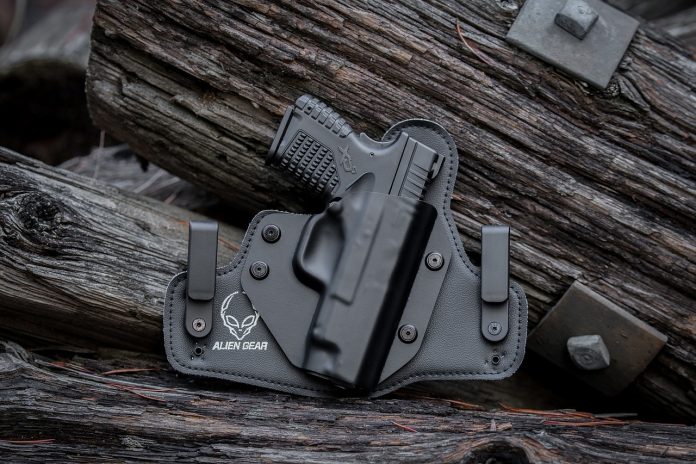
“The chambered-versus-unchambered argument persists because it is not, in fact, a single argument. It is a pile of small engineering and human factors problems: how quickly the gun can be brought to readiness, how reliably it can be cycled with compromised hands, and how well the entire system resists user error.”
Concealed carry is a situation where the firearm is just one part of the equation. The holster, the trigger mechanism, the shooter’s training practices, and the legal system all tend to move the decision in one direction or the other.
1. Response time is usually measured in fractions, but the setup decides the outcome
The round chambered takes one mechanical action away at the worst possible time. The unchambered draw can be practiced to add maybe half a second to the presentation if the slide rack is incorporated into the presentation, but this is only possible if there is good access and a consistent grip. The more variables that are introduced—clothing, awkward positions, contact—the more the “just rack it” part of the chain is going to be the link that breaks.
2. One-handed operation is not a niche skill; it is a reality check
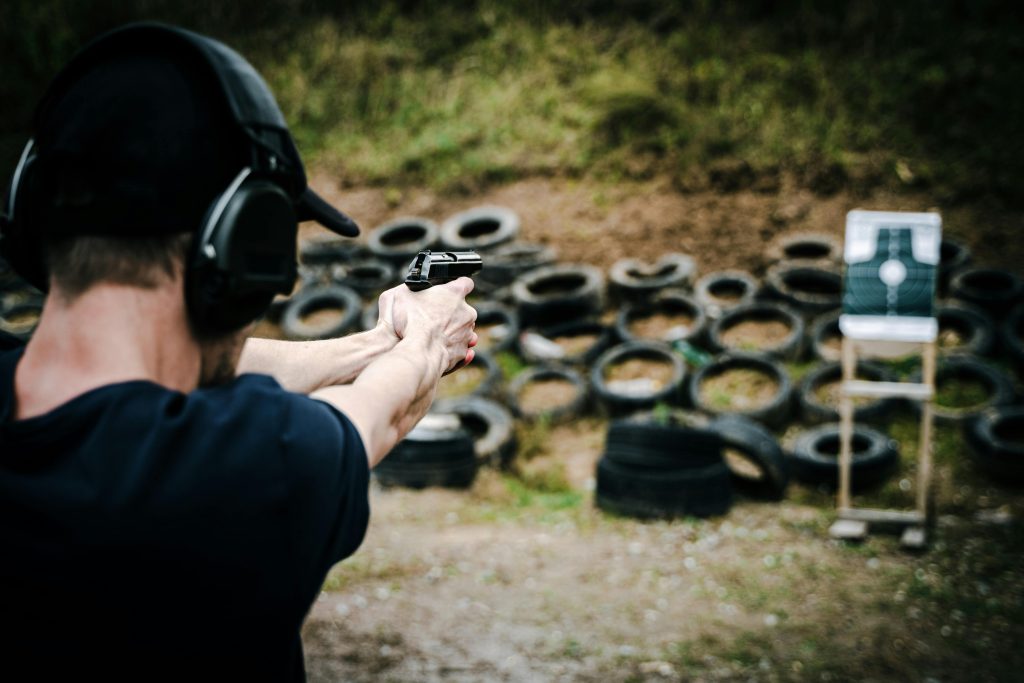
The reliance of unchambered carry on having two hands available is significant. In situations where this is not the case, the shooter has no choice but to rely on one-handed techniques for manipulating the slide, which can be a challenge that requires practice and the right equipment. A particular instructor’s perspective on this issue is direct: “Hand/Arm occupied” is just as restrictive as being injured, since the support hand may be engaged in holding someone, or holding a child, or fighting for balance.
3. Holster design is the real safety lever for chambered carry
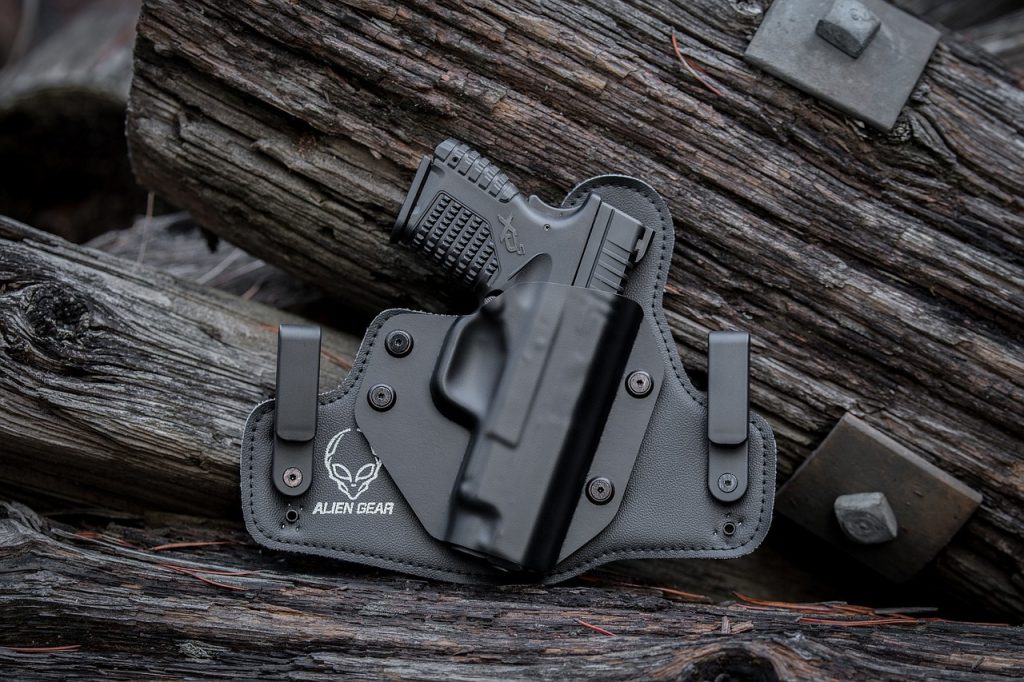
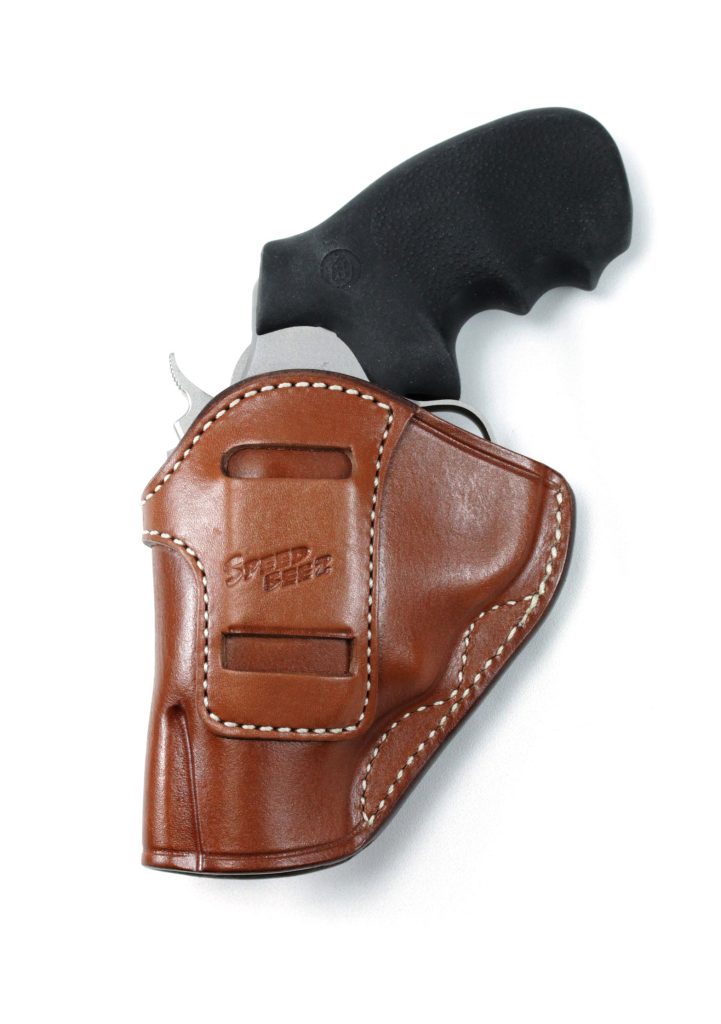
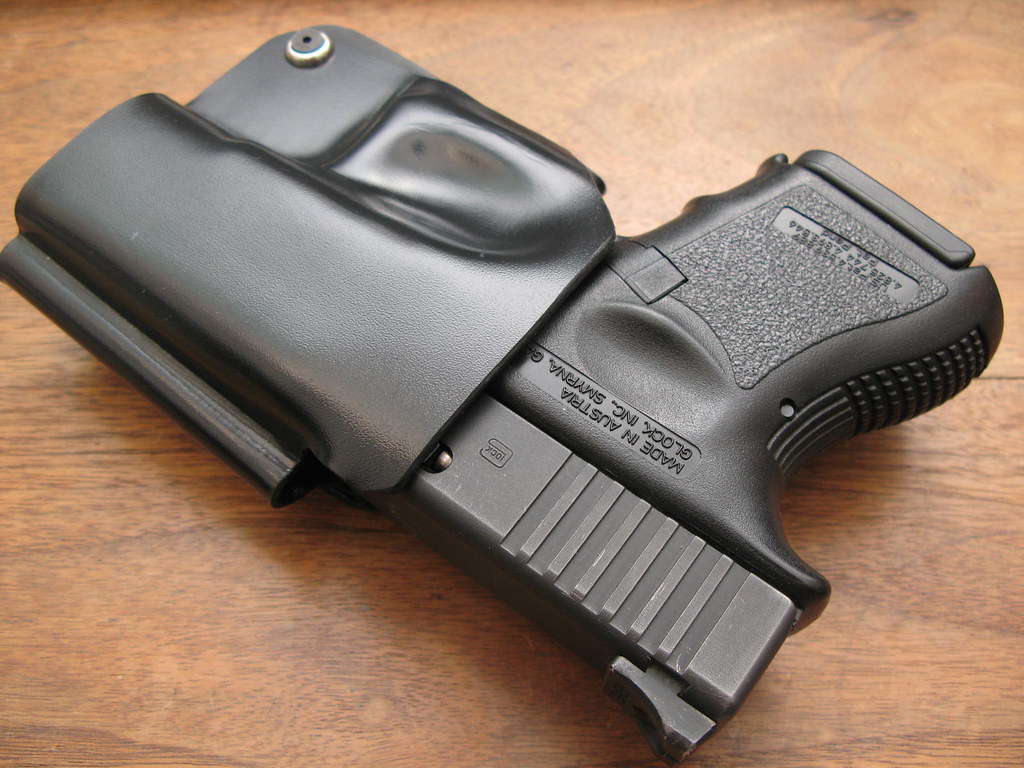
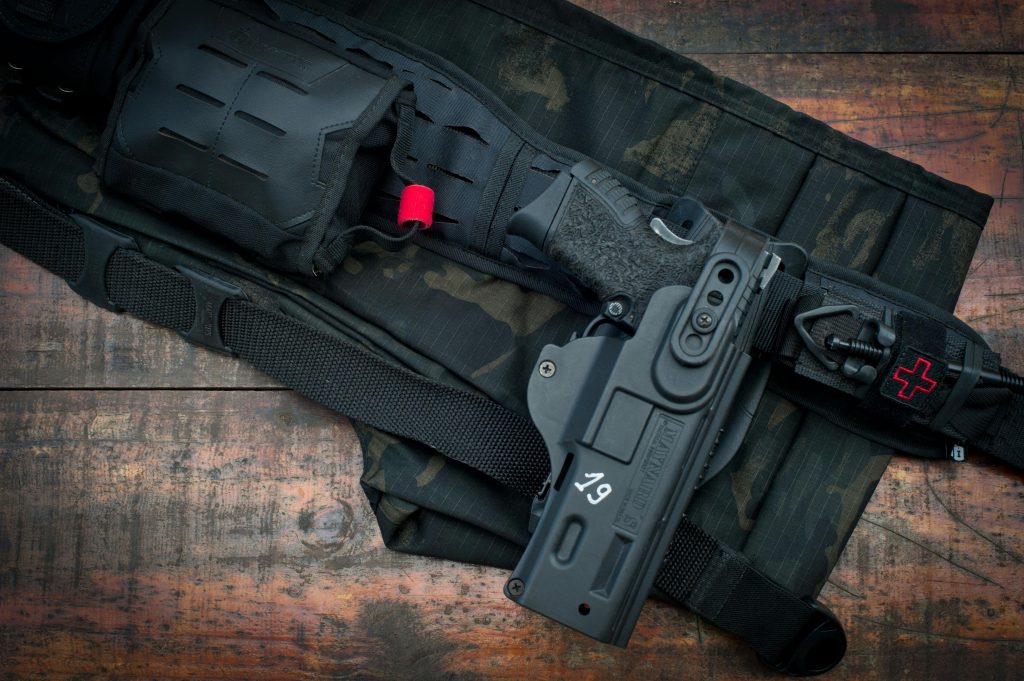
A rigid holster that fully encloses the trigger guard will change the risk profile of chambered carry more than any catchphrase ever has. Modern kydex-style holsters hold their shape when reholstering and improve the chances that clothing or cords will not enter the trigger guard. In contrast, soft or collapsing holsters will make reholstering a blind press against the trigger guard—just when focus is likely to wander.
4. Modern internal safeties exist for a reason, but they do not replace handling
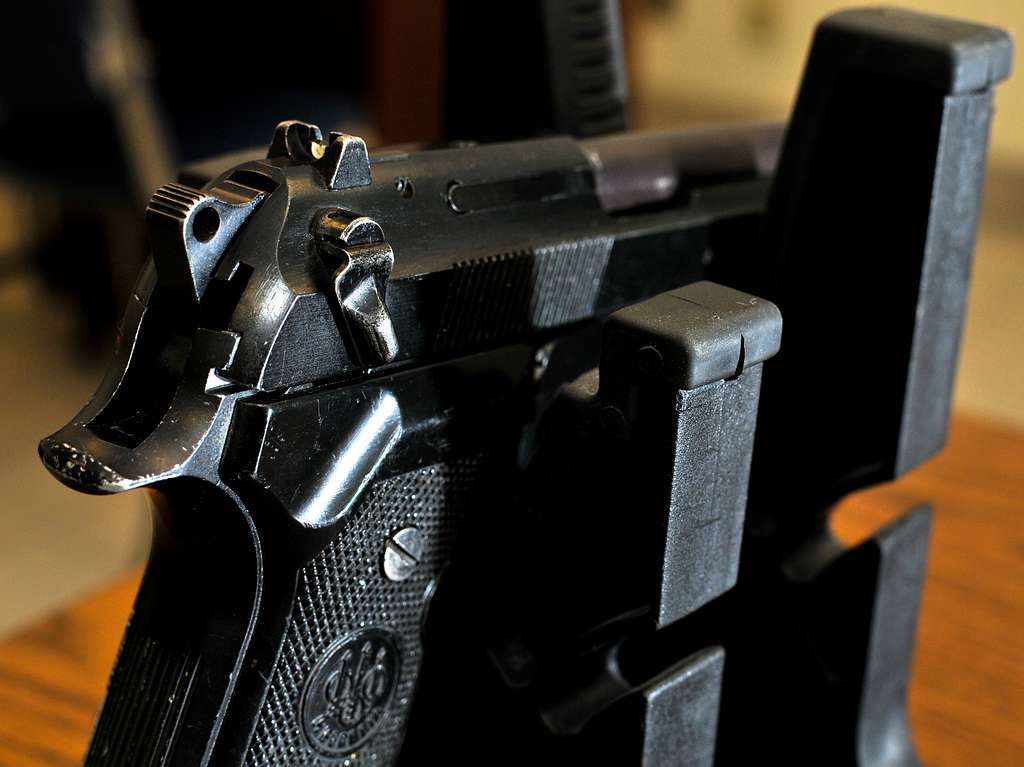
Most modern defensive pistols were designed with the intention of being carried with a round in the chamber, depending on the internal safety blocks and drop safety to prevent the pistol from firing unless the trigger is deliberately pulled. The safety system has a rich history, ranging from the early trigger guards to the firing pin blocks that keep the striker or firing pin in place until the trigger is pulled. These systems minimize the risk of mechanical failure, but they do not address issues of finger discipline, poor holsters, or reholstering.
5. Trigger system choice quietly drives the chamber decision
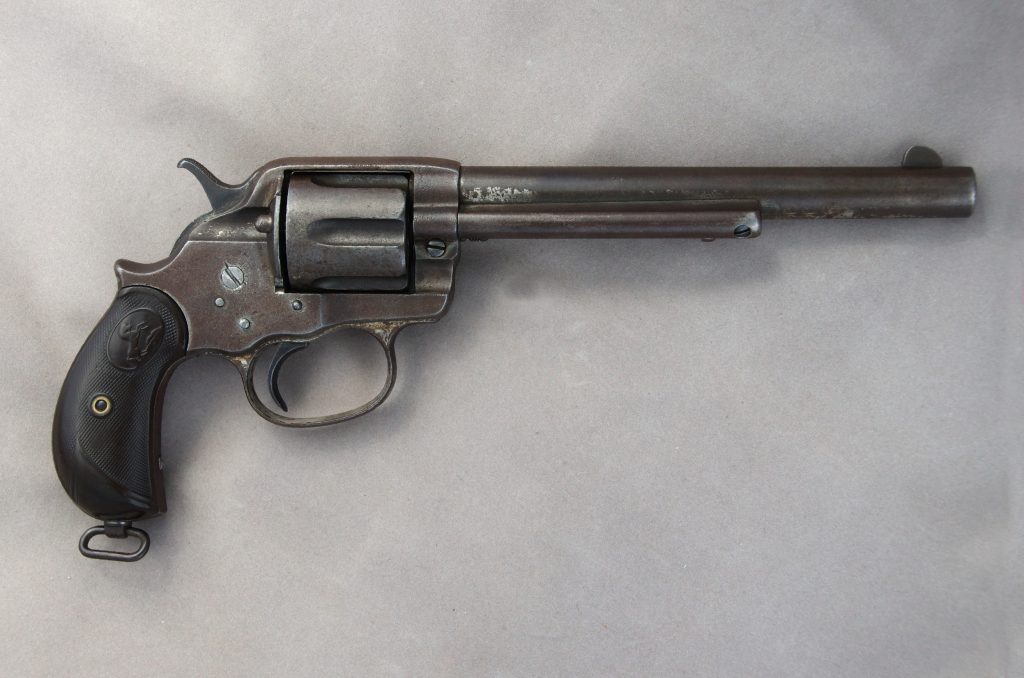
Various trigger mechanisms affect the degree of forgiveness for a less-than-optimal grip, stress, and handling. Single-action handguns usually provide short and crisp triggers but require reliable safety engagement and good habits. DA/SA and DAO mechanisms introduce a heavier first trigger pull that may offer a degree of insurance against accidental discharges while still allowing a ready handgun. Striker-fired triggers provide a consistent weight and internal safeties, but many carriers find them less forgiving of sloppy reholstering, as there is no external hammer to “thumb-check” during reholstering.
6. The “two hands available” assumption breaks down fast
Even if the carrier expects to have time, time is not the only problem. Coordination will decrease under stress, and what are easy tasks at the range may become slow, clumsy, or forgotten. The unchambered method also relies on the support hand being free and functional, which is a dubious assumption when physical contact is involved, when opening doors, or when pushing someone to cover.
7. Dry fire is where the decision becomes measurable
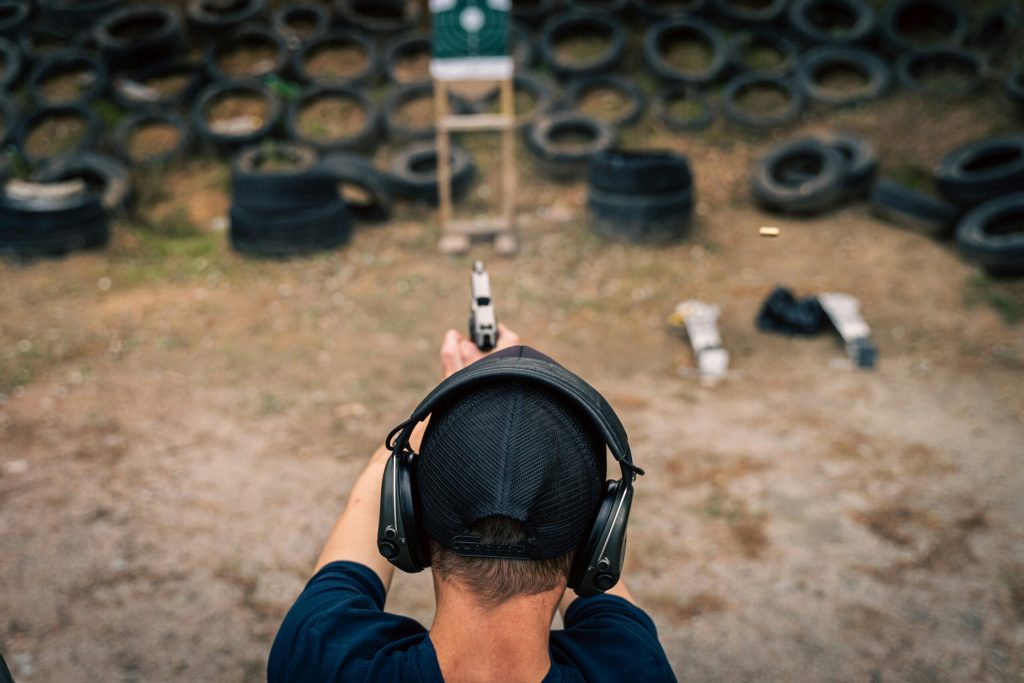
Dry practice translates opinions into repeatable reps. As stated, “Almost everything you can practice with a firearm except for a couple of skills can be accomplished with dry fire.” This includes garment clearing, development of a firing grip, presentation to a sight picture, and sound reholstering. For unchambered carriers, it also includes development of a slide rack into every draw, so this action is not optional when stress is introduced.
8. Gear placement matters more than most carriers admit
The status of the chamber does not remedy an inaccessible holster with the non-dominant hand or an extra magazine with the support side pinned. The instruction on one-handed techniques keeps coming back to the same spot: the whole system has to be tested with awkward constraints, since some techniques rely on the belt, the mouth of the holster, or the rear sight as an interface surface. Without these surfaces, there is no technique.
9. Legal compliance is part of the safety system, not an afterthought
Concealed carry laws are state and situation-dependent, and a “safe” personal choice can become an issue if it breaks state laws. An example of this is in the Idaho Code 18-3302E guidelines, which explain who is allowed to carry and where restrictions exist. Chambered vs. unchambered is not a loophole; one must still be aware of restricted areas, vehicle laws, and requirements.
The chamber decision works best when approached as a system design problem: reduce steps under pressure, remove predictable failure points, and test the system with training that reflects real-world constraints. An unchambered gun can be carried responsibly, and a chambered gun can be carried safely, but neither option will survive contact with reality unless the equipment and practice support the way the gun is expected to be used.”


