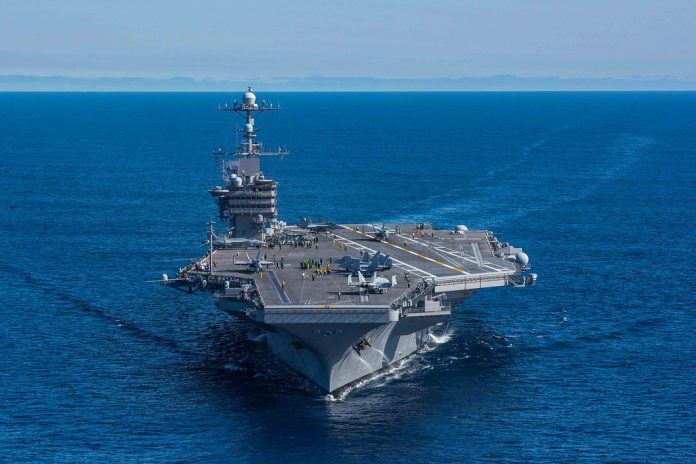

“In the Western Pacific, aircraft carriers remain the most prominent manifestation of sea control. They are also the most accessible icons to plan against, since they package all aircraft, command, and political value into a small, mobile package.”
The anti-access/area-denial strategy of China regards this footprint as a systems problem. This is not a “carrier-killer” weapon, but a complex system of sensors, launch platforms, and massed effects intended to cause carrier strike groups to operate at greater distances, exhaust defensive missiles, and live with uncertainty within the first island chain.
The most significant change is the shift towards layering, which includes long-range ballistic threats, surface-launched hypersonics, quieter submarines, and swarm-capable unmanned systems that can operate beyond the coastal waters.
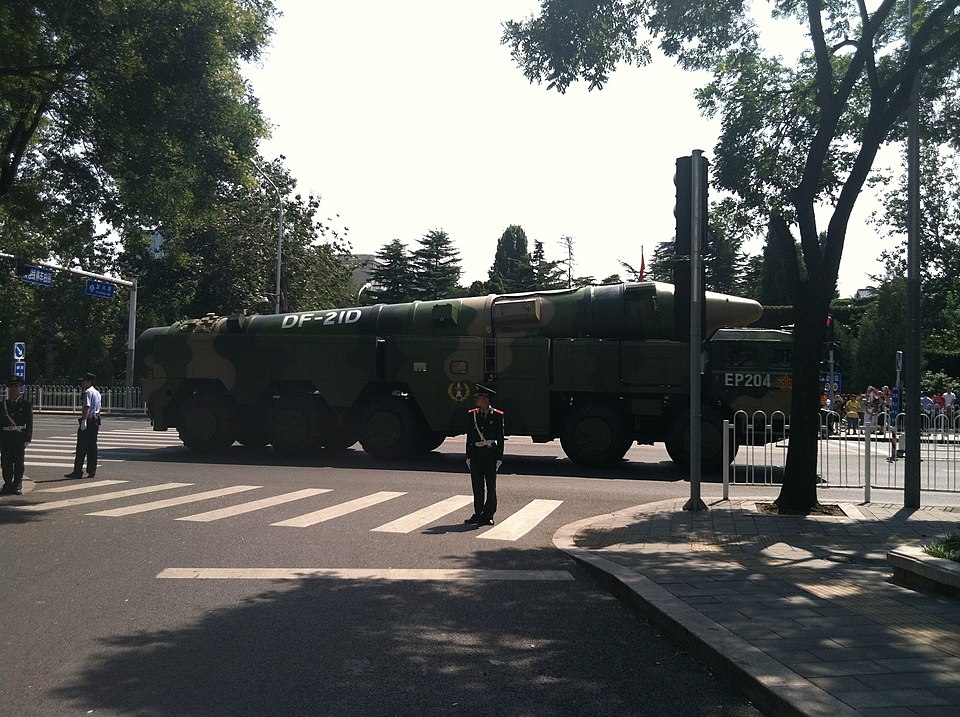
1. Ballistic “carrier-killers” that established the outer boundary
Among the most well-known Chinese maritime denial assets are still the DF-21D and DF-26 anti-ship ballistic missiles, designed to attack large surface warships at long range and make carrier routing difficult in the vicinity of Taiwan and the first island chain. The strength of these systems is not only their speed, but also the fact that they require planning based on limited numbers of interceptors once ships start launching missiles in numbers.
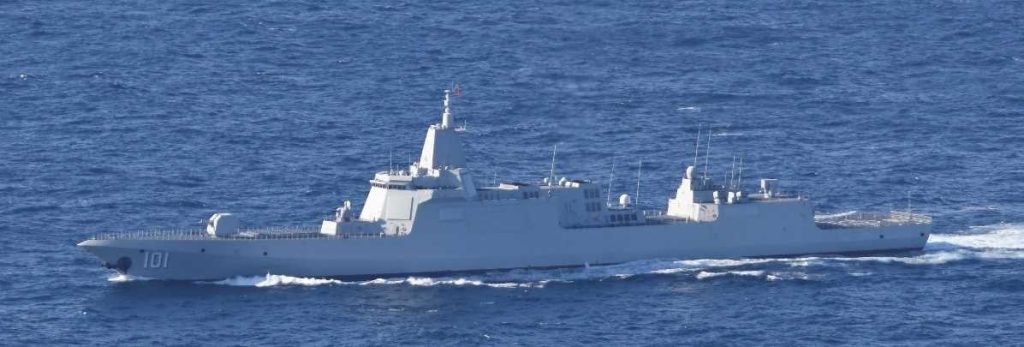
2. Hypersonic strike from warship launch cells
One of the emerging concerns is the proliferation of hypersonic anti-ship weapons from land-launch platforms to large surface ships. The YJ-20 launch from a Type 055 destroyer has been reported to be a move towards realizing the development of long-range maritime strike capabilities that are difficult to intercept. The Type 055’s 112 vertical launch cells and its role as a fleet air defense and strike node make it a natural “layer” within any larger denial architecture, particularly when combined with air and space-based surveillance intended to provide targeting information.
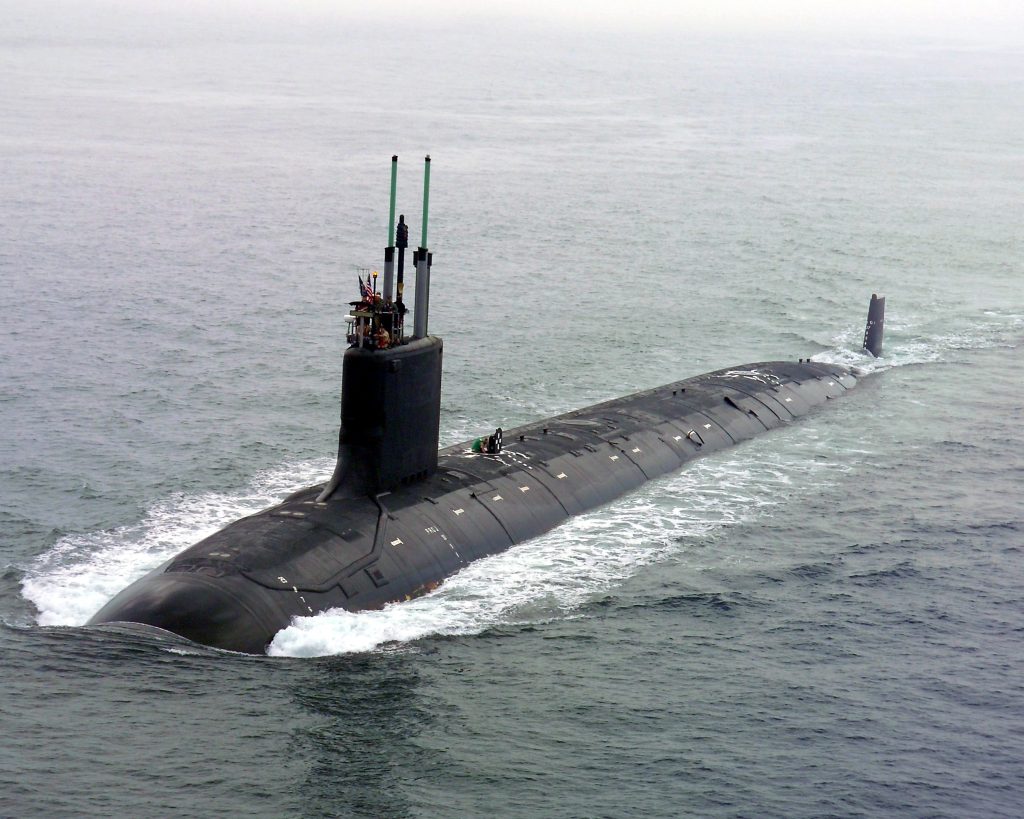
3. The fight under the sea that is becoming increasingly difficult to control
The modernization of China’s submarines is an added force in a domain where detection, rather than firepower, is the key to gaining the initial advantage. The new generation of submarines currently under development, such as the Type 096 ballistic missile submarine and the Type 093B nuclear-powered attack submarine, are expected to make it more difficult for carrier strike screens to detect and track them.
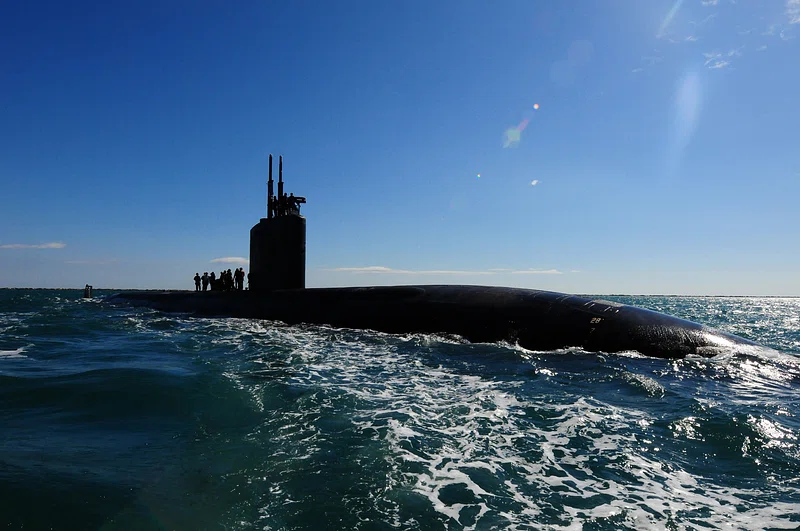
For a carrier strike group, even the threat of an undetected submarine reduces maneuvering options and causes escorts to adopt cautious approaches just the sort of friction an A2/AD network seeks to introduce.
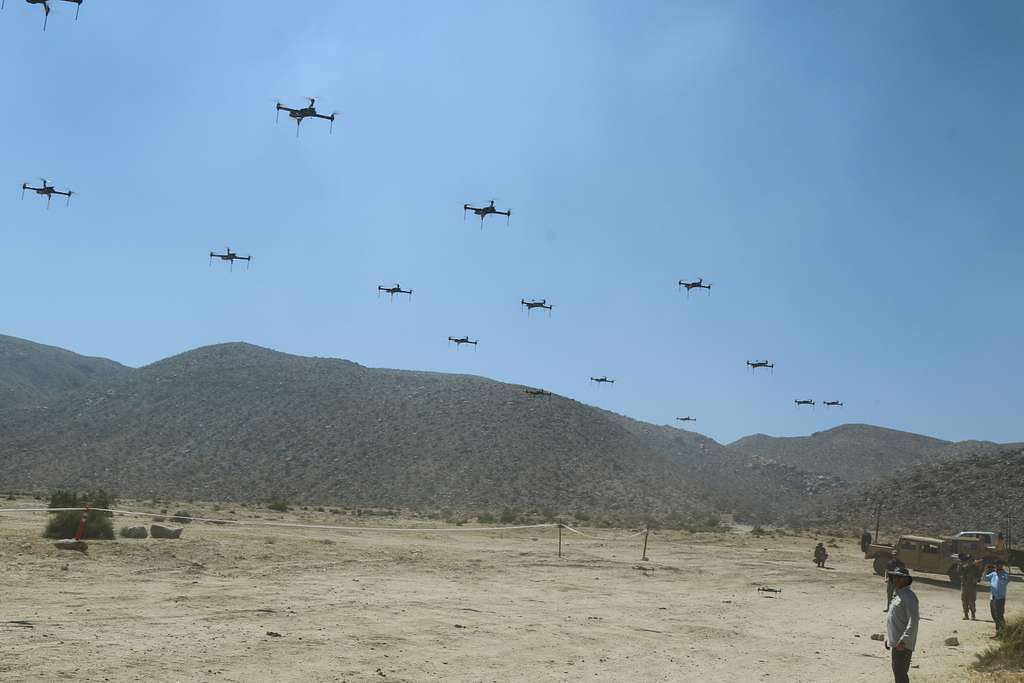
4. Drone swarms designed to overwhelm defenses, not outmatch them
Unmanned systems redefine the equation by making weight a weapon. The emerging “mothership” ideas in China’s plans for future operations indicate a role for reconnaissance, electronic attack, and one-way attack drones that come in large enough numbers to saturate the engagement capabilities of ships. An example of this is the Jiutian drone carrier, which is designed to launch more than 100 drones in a single mission. Against naval forces, saturation attacks target radars, personnel, and magazines. This is further increased when swarms assist in ship targeting for follow-on missile attacks instead of attempting to score the decisive blow themselves.
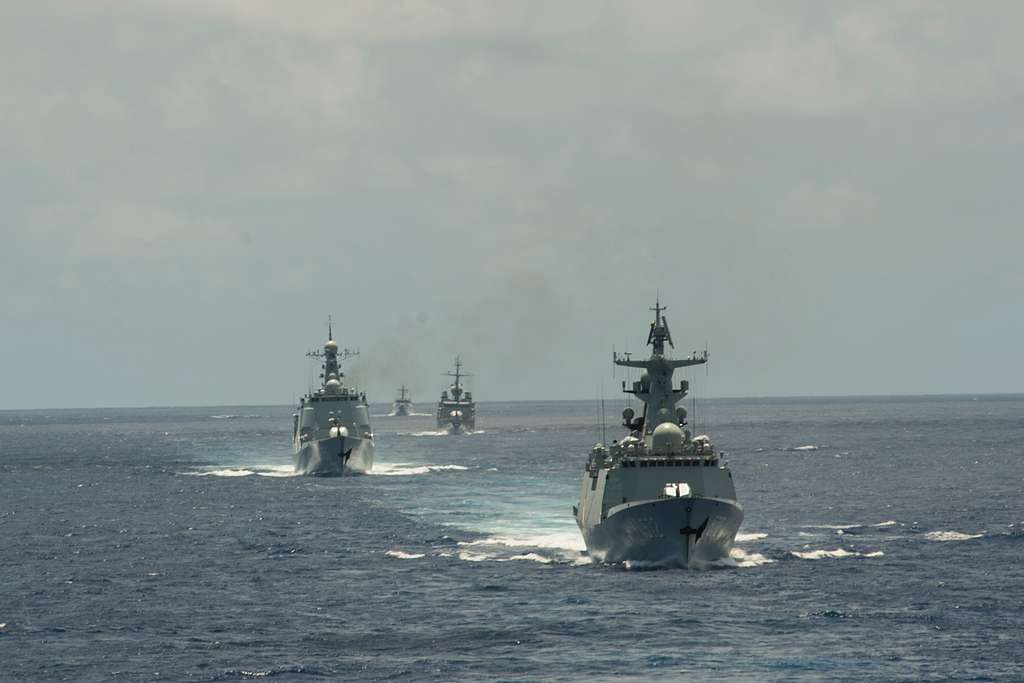
5. A larger fleet that multiplies launch platforms and patrol time
Even if China does not equal the U.S. Navy ship-for-ship in the near seas, it has the advantage of numbers. The PLAN is characterized as having more than 370 battle force ships, with estimates that this number will grow higher by the end of the decade.
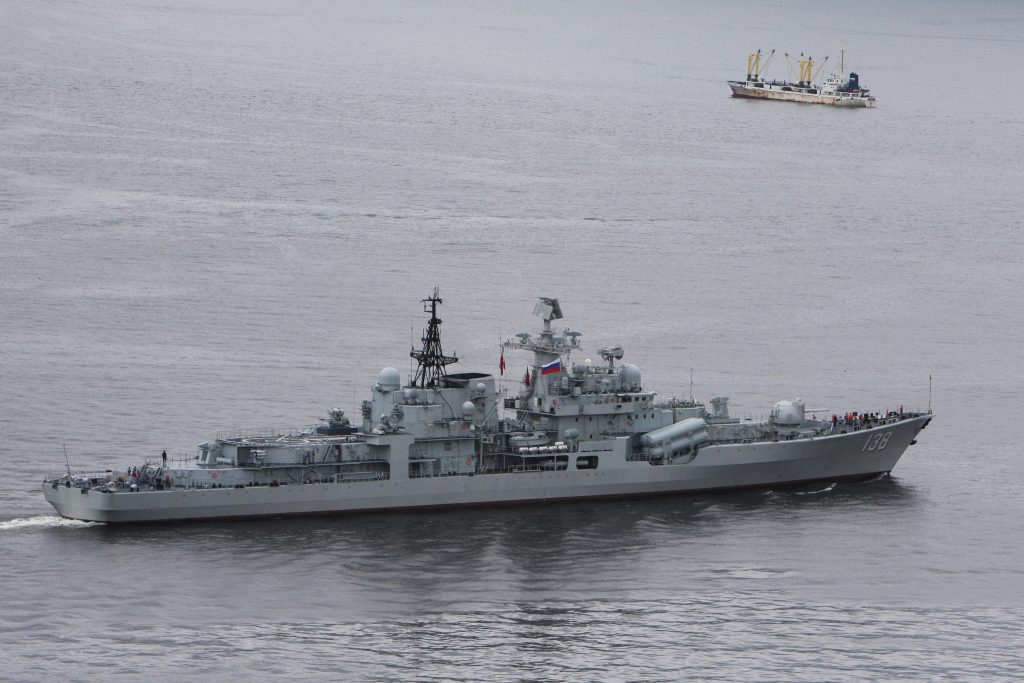
The effect of this is having more ships to allocate sensors, missiles, and air defense coverage over a larger area. This also means more chances to pose carriers with overlapping threat rings, thus creating dilemmas on where to take risks and where to keep a distance.
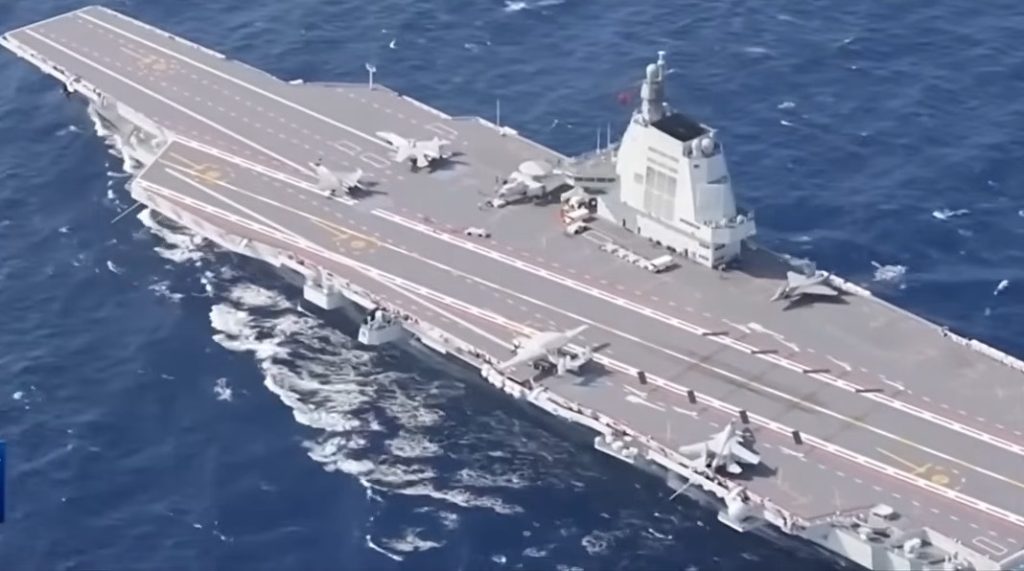
6. Carrier aviation that supports the bubble, not just power projection
China’s carrier effort is less about pursuing a U.S. global reach and more about incorporating a flexible sea-based air capability within its denial zone. Open-source analysis indicates three carriers operational or near operational Liaoning, Shandong, and Fujian and that the Fujian’s catapult system represents a significant improvement over ski-jump limitations.
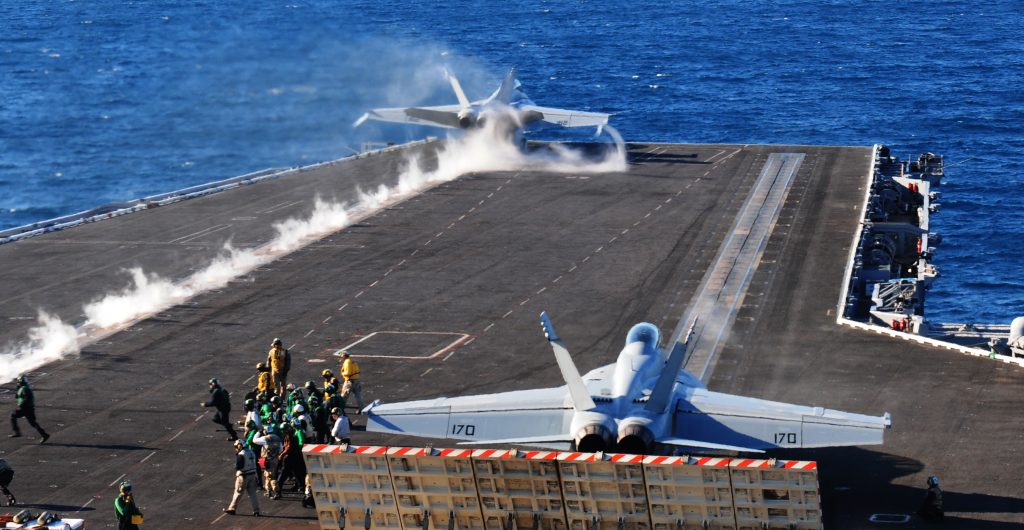
In this model, carriers assist in securing contested regions, offer airborne early warning and fighter support for surface ships, and represent another mobile node in a system designed to keep adversaries at a distance. What appears is a consistent logic of engineering: distribute launchers, multiply targeting routes, and weaponize magazine depth. Aircraft carriers are not removed from the equation, but they increasingly find themselves operating in a battlespace characterized by a logic of layered denial as opposed to open ocean freedom of maneuver.”


