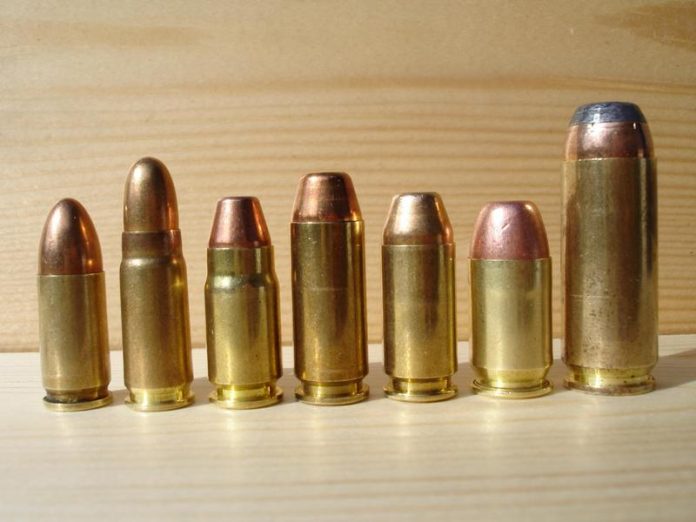
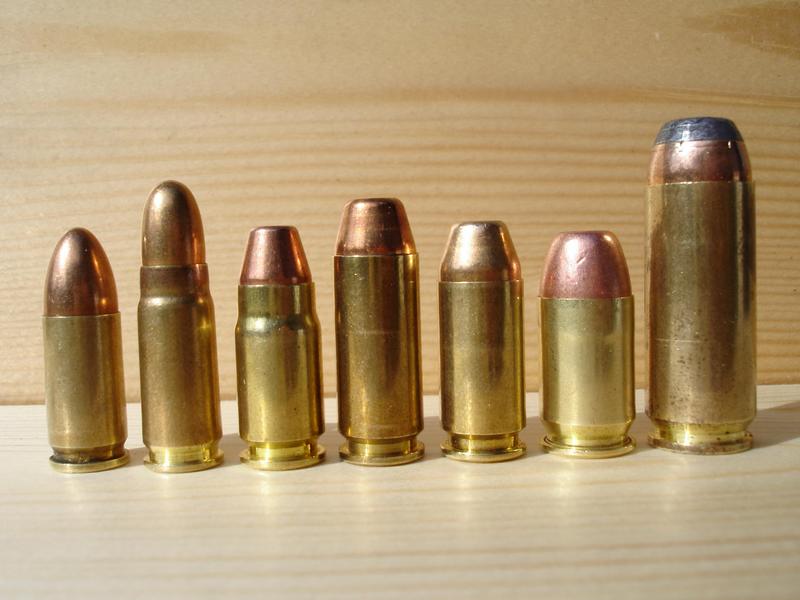
“The caliber marked on a barrel appears to be a mere technical specification. In practical defensive gun use, it is more like a limitation: the reliability of the gun’s firing, the penetration range of the bullet into clothing and bone, and the rate at which a shooter can place accurate follow-up shots.”
In the ballistic gel work and training culture, the failure modes are the same. Some rounds have difficulty meeting the penetration range of 12-18 inches. Some are in guns that are more difficult to shoot well under stress. Others have so much recoil and blast that accuracy is the first casualty.These are the calibers that most often turn that requirement into a liability.
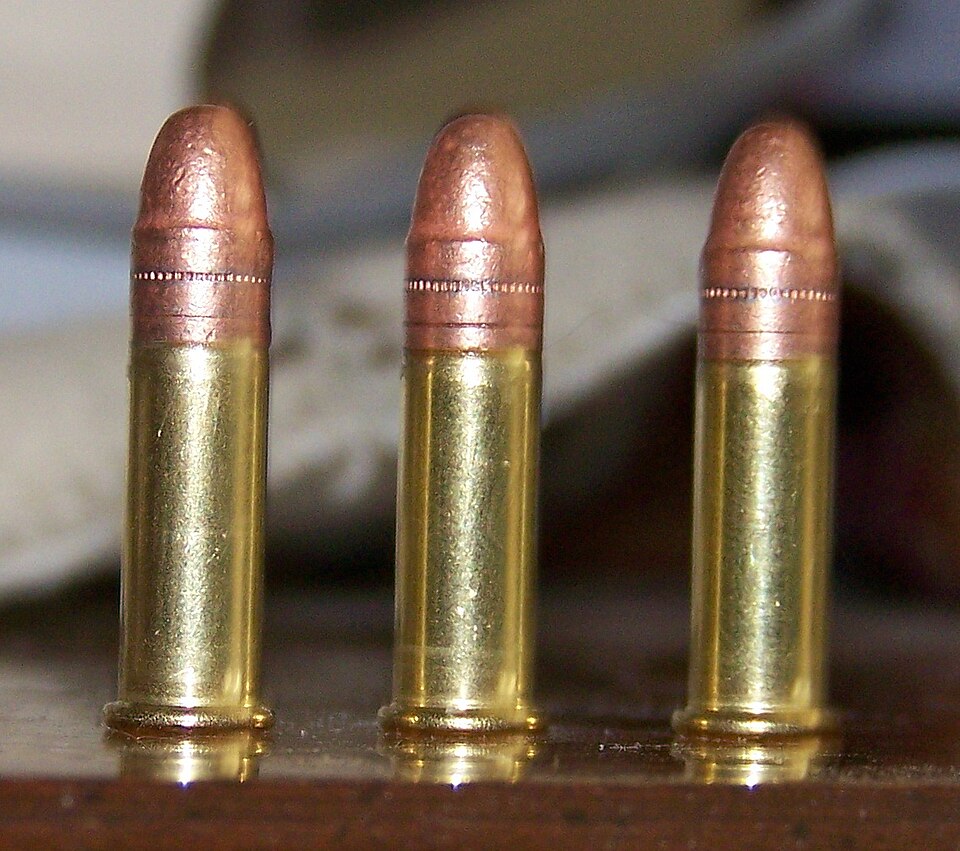
1. .22 Long Rifle
.22 LR is ubiquitous because it is soft-shooting and easy to learn. The engineering weakness of .22 LR is built-in: rimfire priming is less reliable than centerfire ignition, and defensive strategies are not forgiving of even occasional dud shots. As for terminal ballistics, the typical .22 LR muzzle energies and bullet design do not favor deep penetration, particularly when substantial clothing is factored in. In the paradigm employed by most reviewers, under-penetration is not a trivial problem but the failure to reach the organs that rapidly halt an attack.
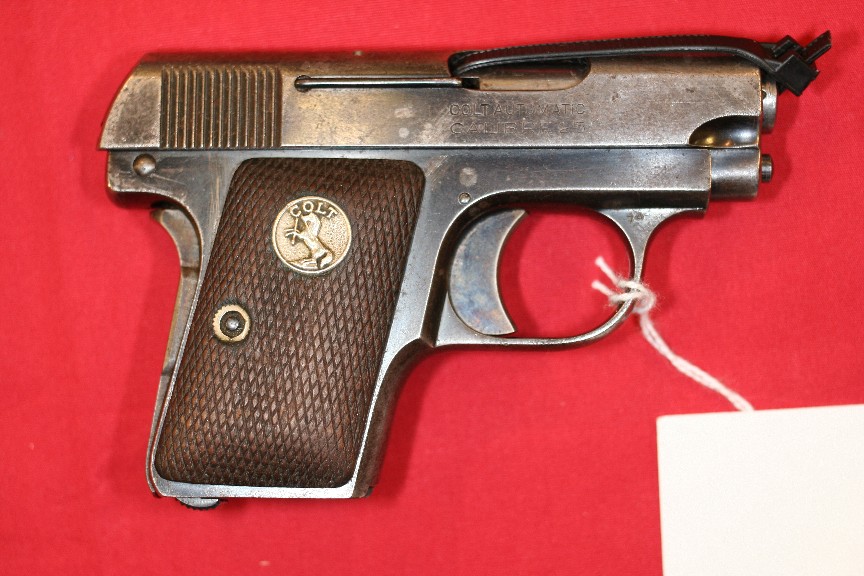
2. .25 ACP
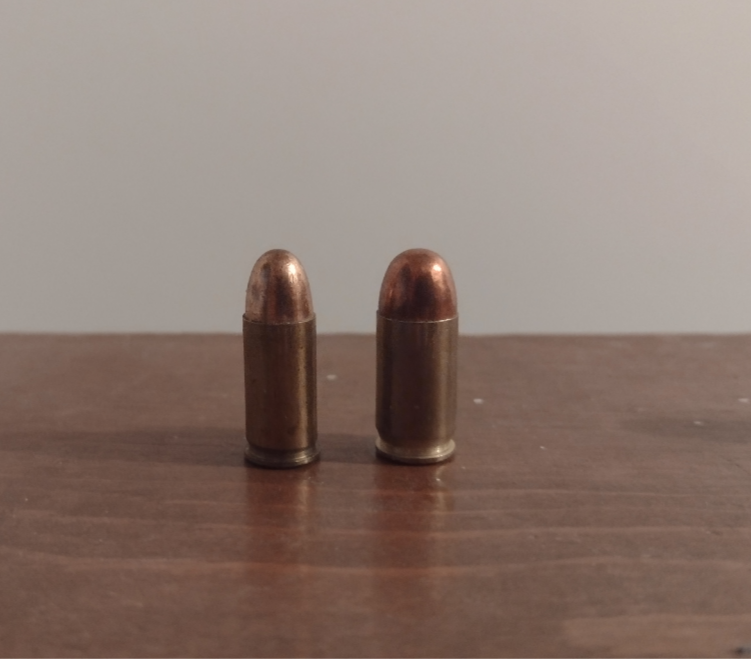
.25 ACP was developed to provide a centerfire cartridge for pocket pistols, but it brings the same “small hole, limited depth” issue with even less benefit in modern applications. The energy level of the cartridge is so low that there is little room for growth or penetration, and many guns chambered for .25 ACP are older designs with limited sights and short grips. When accuracy is most difficult and the target is moving, the firearm and cartridge can combine to make each other’s deficiencies worse.
3. .32 ACP
.32 ACP finds itself in a strange place in between: it has mild recoil, but the effectiveness can often rely on bullet dynamics that don’t always act predictably when passing through clothing. The culture of gel tests is to remind that handgun bullets essentially “poke holes,” and the only surefire way to ensure that holes are the solution is to ensure that penetration and placement are sufficient. In the case of .32 ACP, the chances of that happening are lessened.
4. .410 Shotshell From Revolvers
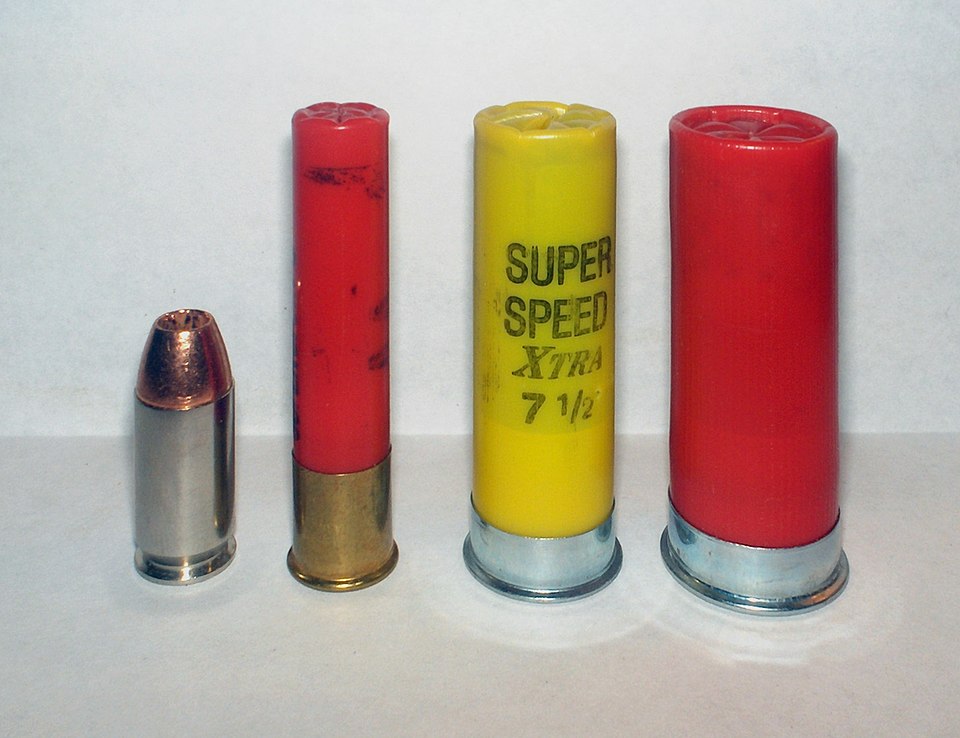
The appeal is obvious: shotgun power in a package small enough to conceal in a handgun. The physics are not so kind. The short barrels rob the gun of speed, and the heavy payload that looks so good in a box of ammunition often translates into a spread of energy that can be distributed over several projectiles that may or may not penetrate to a lethal depth. Pattern distribution also gives a false sense of “coverage” while also potentially increasing the number of projectiles that can miss the target area.
5. .380 ACP With Low-Performance Loads
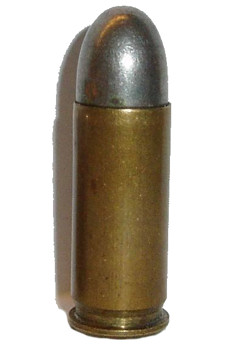
.380 ACP might be okay, but it’s a caliber where the choice of ammunition is not a footnoteit’s the whole system. Many of the most popular .380 ACP loads sacrifice penetration for expansion, and this can fall short of minimum depth requirements when fired from the shorter barrels found on concealment guns. Clothing barriers are also important in this area, and we always include a heavy clothing test group because hollow points can plug and act like non-expanding bullets. When this occurs, the low velocity of .380 ACP makes the performance highly unpredictable.
6. 10mm Auto For General Carry
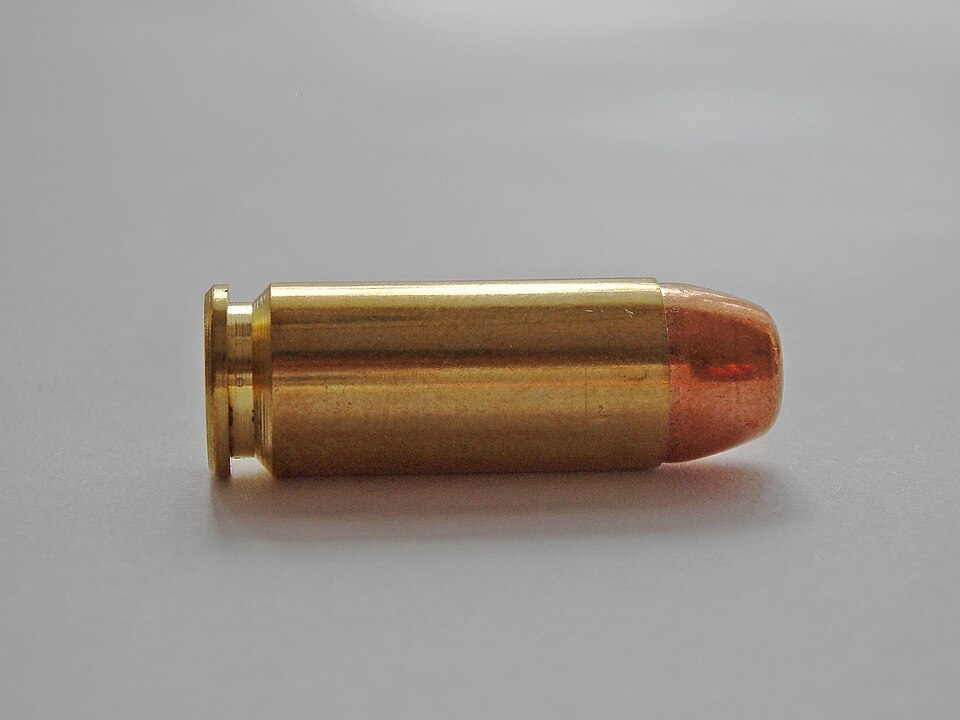
The headline specs of the 10mm are true: many loads will deliver 600+ ft-lbs of power, and that’s certainly useful in certain applications. For general defensive carry, the engineering trade-off is recoil, report, and the increased risk of the bullet wandering from the aimed location under stress the follow-up shot, not the first shot, often determines the outcome. There are also questions of penetration control in a bystander-rich environment, and this is reflected in the performance of clean misses passing through typical wall materials in structured testing.
7. .38 Special From Ultra-Short Barrels
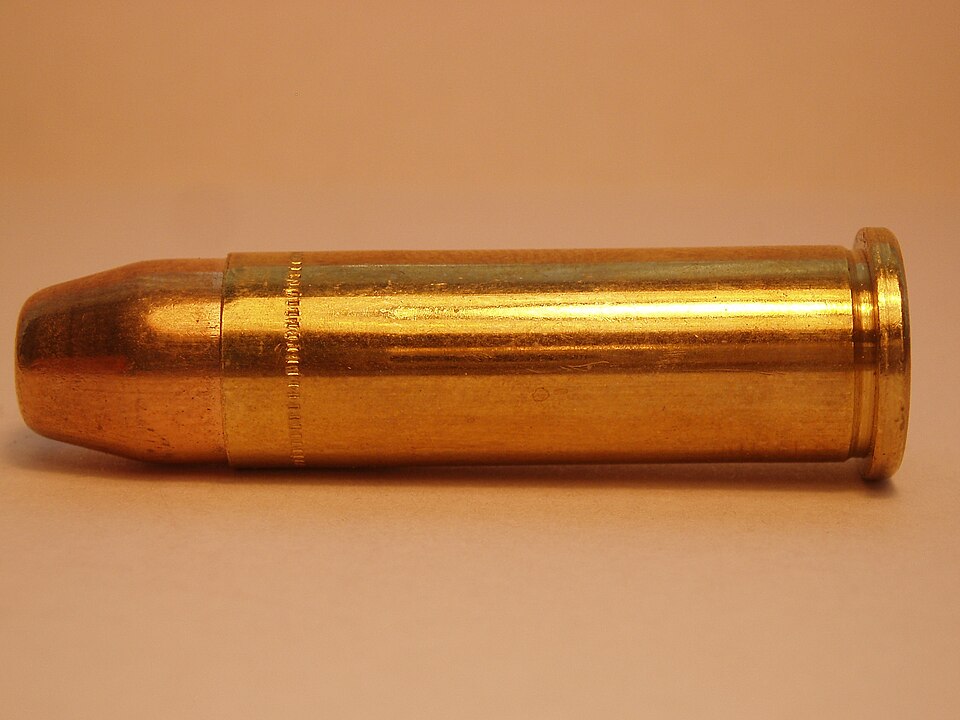
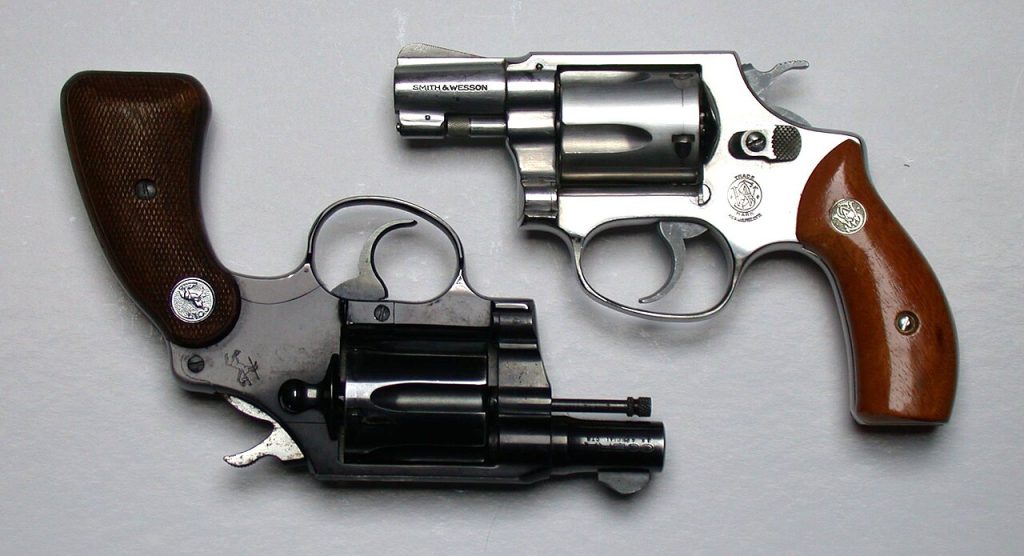
.38 Special got its fame in service-length revolvers, but ultra-short barrels alter the equation. Lower velocity may keep hollow points from expanding as intended, and +P ammunition may kick recoil out of proportion without necessarily closing the performance gap. This leaves a cartridge that may find itself right on the boundary of acceptable penetration ranges, with controllability that can differ dramatically depending on the shooter and the weight of the gun. Snub-nosed revolvers are still practical options, but the smallest variants leave less room for error.
8. .44 Magnum For Defensive Use Around Others
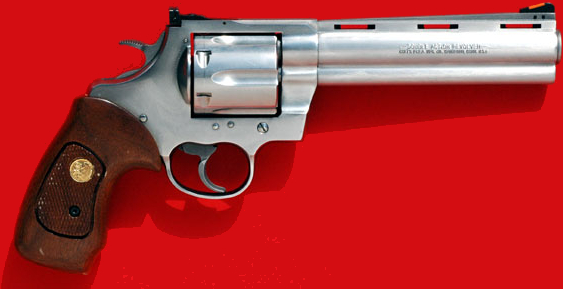
The .44 Magnum is built for deep penetration and high energy output, often in excess of 1,000 ft-lbs, and this is not well-suited to most defensive applications in populated areas. The high recoil impact makes quick follow-up shots difficult, and the ability of the cartridge to penetrate barriers increases the risk of a miss. The problem of over-penetration is not simply theoretical in terms of testing, as many bullets can penetrate multiple barriers if they do not meet sufficient soft tissue resistance to stop them.
Caliber arguments are often reduced to struggles for power, but defensive engineering is more about reliability, controllability, and repeatable terminal ballistics. When any one of these fails, the shooter gets a whole set of new issues at the worst possible moment. The most optimal decisions are those that maintain performance within predictable limits – sufficient penetration, manageable recoil, and platforms that enable effective hits on demand.


