Choosing a rifle cartridge is treated like a lifestyle decision until an angle of fire becomes awkward, bone appears, and the bullet has to actually work. At that point, ‘flat shooting’ and ‘low recoil’ are no longer the entire conversation.
Bullet engineering has come a long way, but it still has to answer to anatomy and physics. The benchmark of Col. Townsend Whelen, long cited as the standard for deer-sized game1,000 ft.-lbs. of energyis only still around because it refers back to the same non-negotiable: penetration into the vitals.
1. .223 Remington
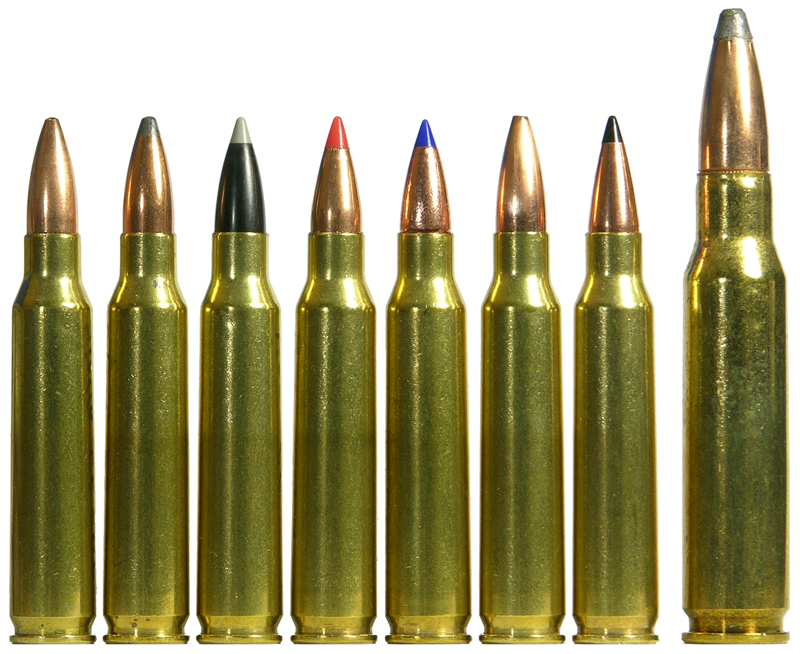
The reputation of the .223 is based on its accuracy, mild recoil, and versatility for varmint and range shooting. Standard ammunition propels a 55-grain bullet at 3,200 fps, generating about 1,280 ft.-lbs. of energy, but this energy and momentum does not carry as well as a bigger bore when the distance and the resistance are factored in. On larger game, the small margin of the .223 becomes apparent quickly when the shots have to travel over heavy muscle or shoulders.
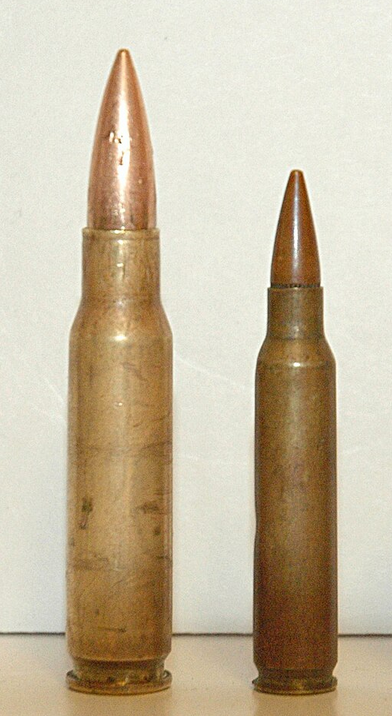
As a technical failure analysis explains, the small-caliber bullets can make “broad but shallow” tracks at close range, but then quickly taper as the velocity decreases, especially beyond 100-250 yards for the lighter bullets. This is why the .223 success against deer is usually dependent on conservative shot placement and not general functionality.
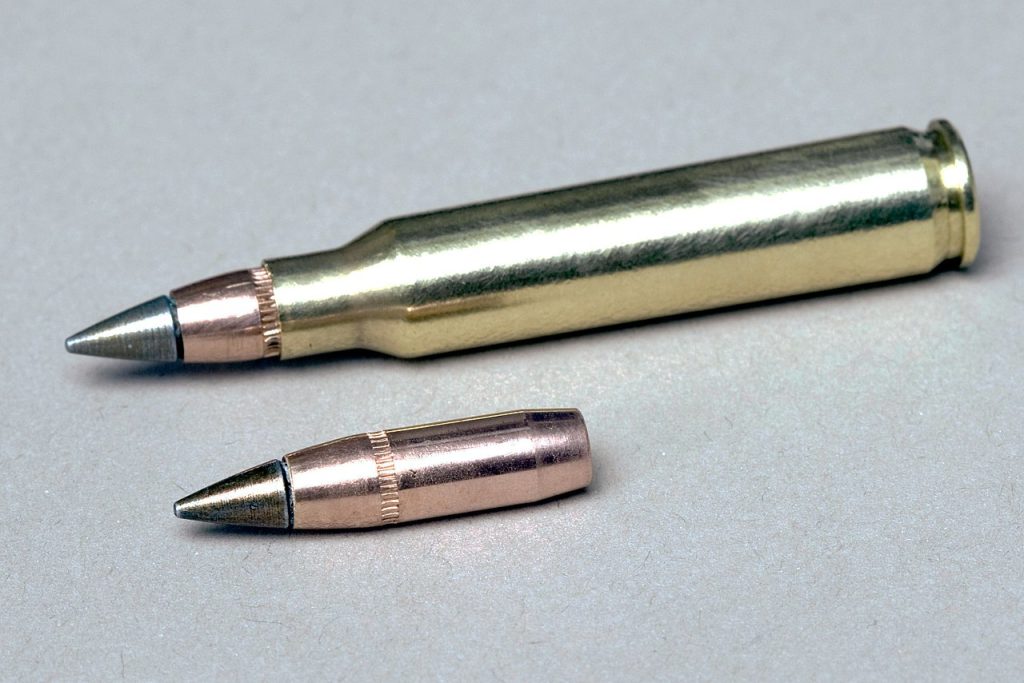
2. 5.56
Though very similar to .223, 5.56 NATO is often considered a separate entity simply because it is chambered to different pressure standards. However, in practical terms, the same limitations are seen: small front surface area, small mass, and small penetration tolerance when dealing with thick bone. Even the heavier-for-caliber cartridges will not turn this platform into an all-around big game gun.
This cartridge series also makes a point about terminal performance: while bullet design may affect the rate of energy transfer, there is no way to circumvent a problem of penetration, but the best form of “improvement” may be to select a cartridge with a larger safety margin to begin with.
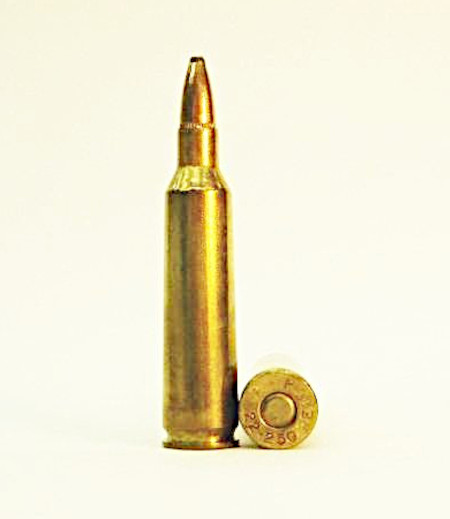
3. .22-250
The .22-250 is speed in a bottle, often propelling light bullets at over 3,800 fps. This makes it a laser on coyotes and prairie dogs, and it can look very potent on paper. However, big game hunting requires substance and a design that continues to drive after impact, particularly if the shot is not right broadside.
High velocity can also prove to be a nemesis for consistency. Higher impact velocities mean higher stress on the bullet jackets, and rapid upset can mean sacrificing depth for damage to the surface. When a cartridge is already slender in diameter and light in bullet weight, this can prove costly on heavily bodied game.
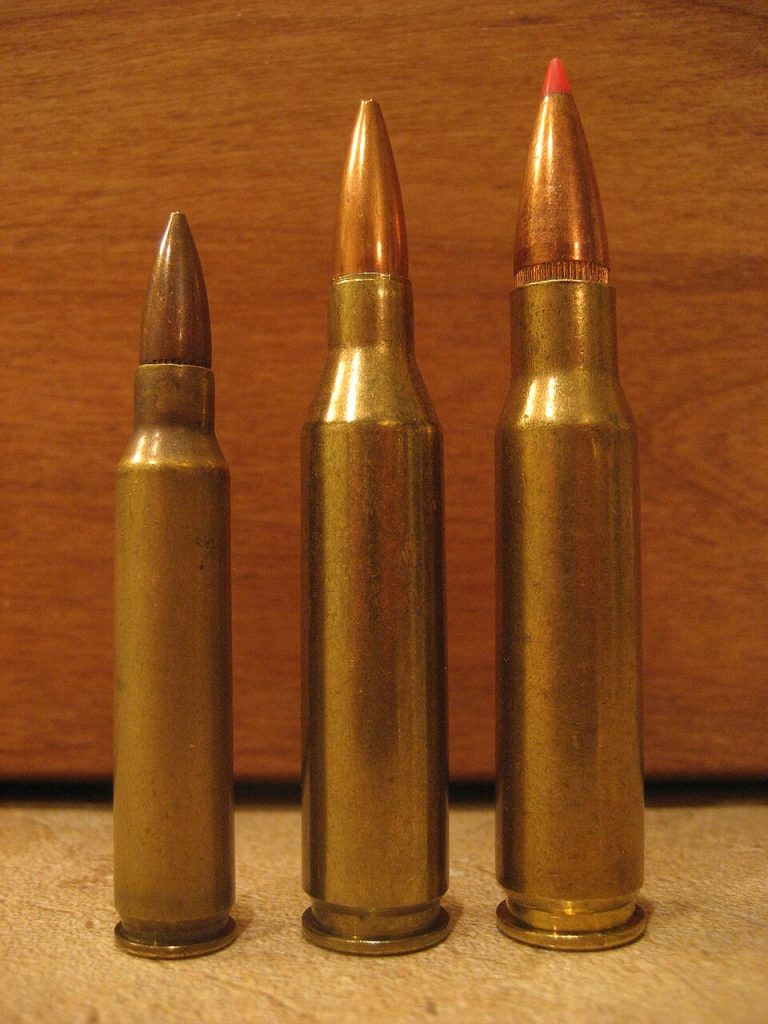
4. .243 Winchester
The .243 has earned its reputation as a low recoil deer cartridge, and it can be very effective at range with the right bullet. The problems arise when it is expected to be a do-it-all solution for larger game, where penetration requirements increase and angles of fire become less favorable.
A comprehensive cartridge review observes that typical .243 bullets will provide penetration in the range of 12-14 inches on broadside deer, with results being very velocity-sensitive and a function of bullet design and impact velocity. It is also noted that the .243 cartridge’s quickest kills are usually within 200 yards (or at higher velocities), while slower shots may provide longer times for reaction and tracking. It can be greatbut not forgiving.
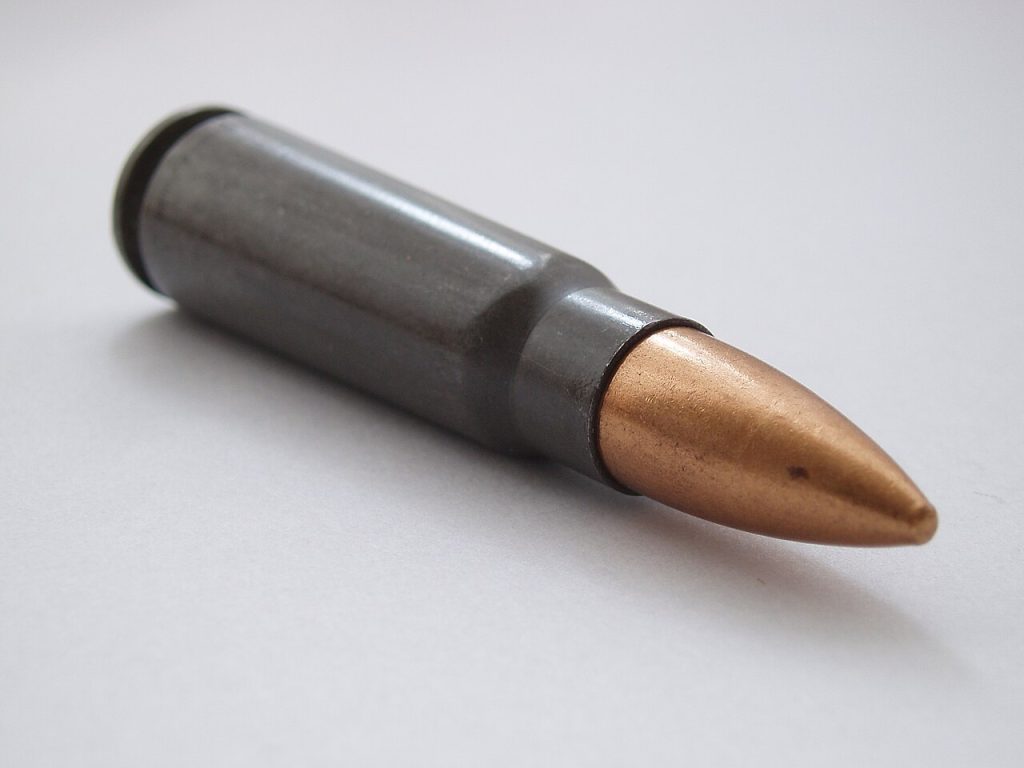
5. 7.62x39mm
Known for its moderate recoil and ruggedness, the 7.62x39mm has a typical muzzle velocity of 2,350 fps with a 123-grain bullet, which translates to about 1,500 ft.-lbs. of energy. While this may be sufficient for deer at close range, the cartridge loses velocity rather quickly and lacks the same level of authority as a big-game cartridge.
When penetration must penetrate heavier layers of tissue, modest sectional density and slower impact velocity reduce the cartridge’s ability to maintain consistency. The cartridge’s comfort zone for hunting remains in short-range hunting where angles are manageable and ranges are honest.
6. .30 Carbine
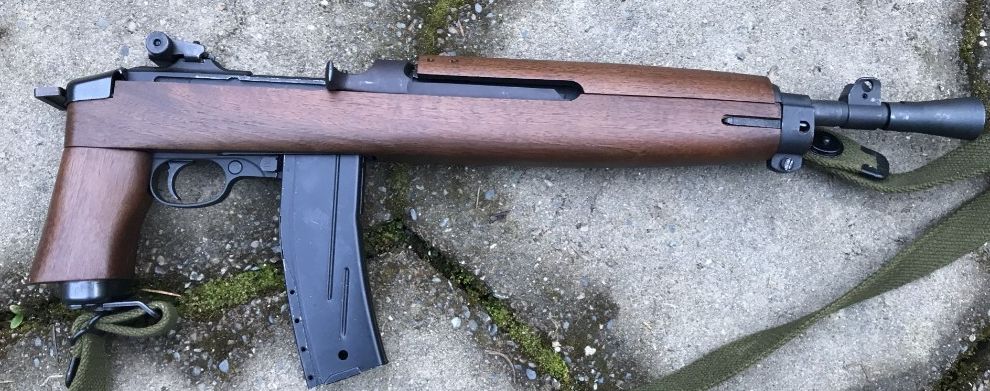
.30 Carbine finds itself in a rather difficult spot between a handgun and what a typical hunter would like to see in a rifle cartridge. The typical bullet weight is 110 grains, traveling at about 1,990 fps. This is more akin to a hot pistol cartridge than a typical deer rifle cartridge. This is important when penetration is a requirement to get the job done.
In the densest woods at a very close range, it can be stretched to work on smaller deer. However, once the quarry is larger or the angle becomes even slightly challenging, the cartridge has no place to go.
7. .17 HMR
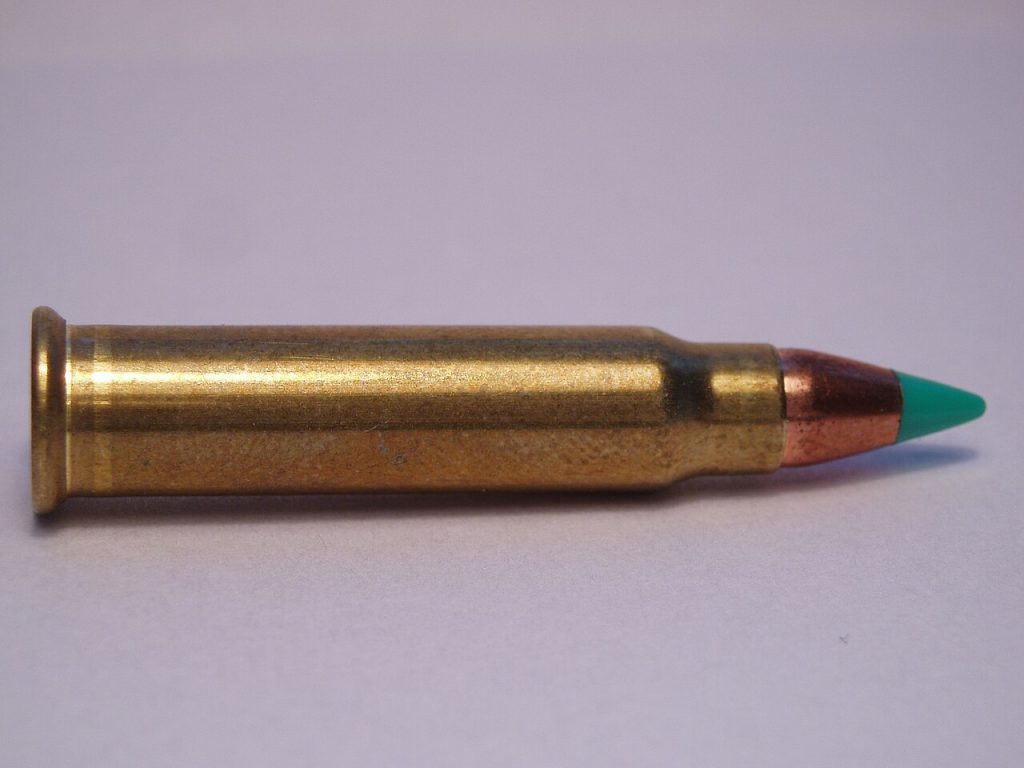
.17 HMR is a precision rimfire cartridge that excels at small varmints, but not at big game. Its 17-grain bullet at 2,550 fps with a little over 250 ft.-lbs. of muzzle energy just doesn’t have the penetration potential necessary to get to the vital spots on deer-sized game, much less anything larger.

This is the most obvious example of the fundamental rule: accuracy without penetration is not terminal performance. A small wound that never reaches the operating system does not become ethical with shot confidence. In all of these cartridges, the pattern of failure is not a lack of “power” in the abstract. It is a lack of penetration margin when bone, angle, and distance are considered. This is because the margin is created by the bullet mass, diameter, and design. When the basics begin too small, even good bullets cannot turn a marginal setup into a dependable setup for heavy-bodied game.


