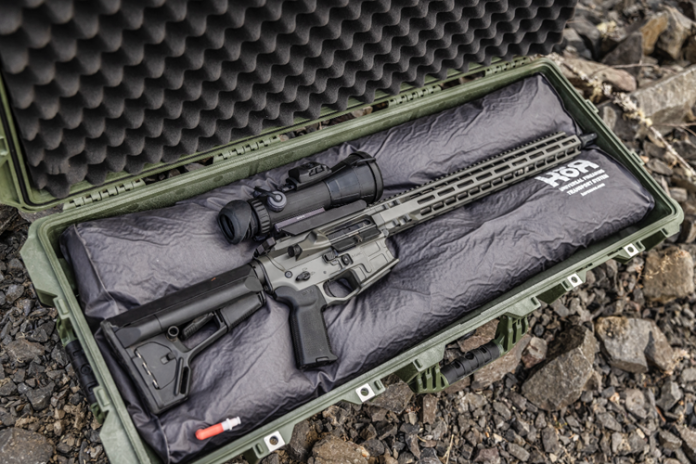
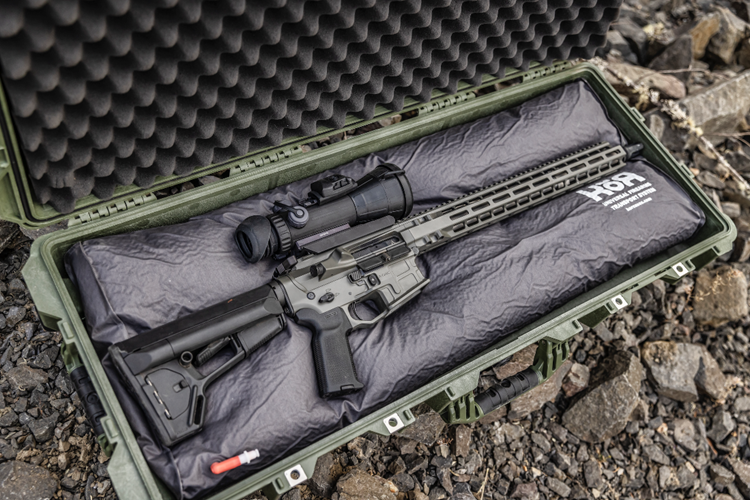
“The AR-15 is one of the most recognizable and misunderstood firearms in the United States. Its reputation can often cloud its reality, leading to misconceptions about its history, functionality, and legality that simply aren’t true. As the debate about its usage in society continues to rage on, it is essential to distinguish fact from fiction. Below are seven of the most common myths about the AR-15, and how they compare to reality.”
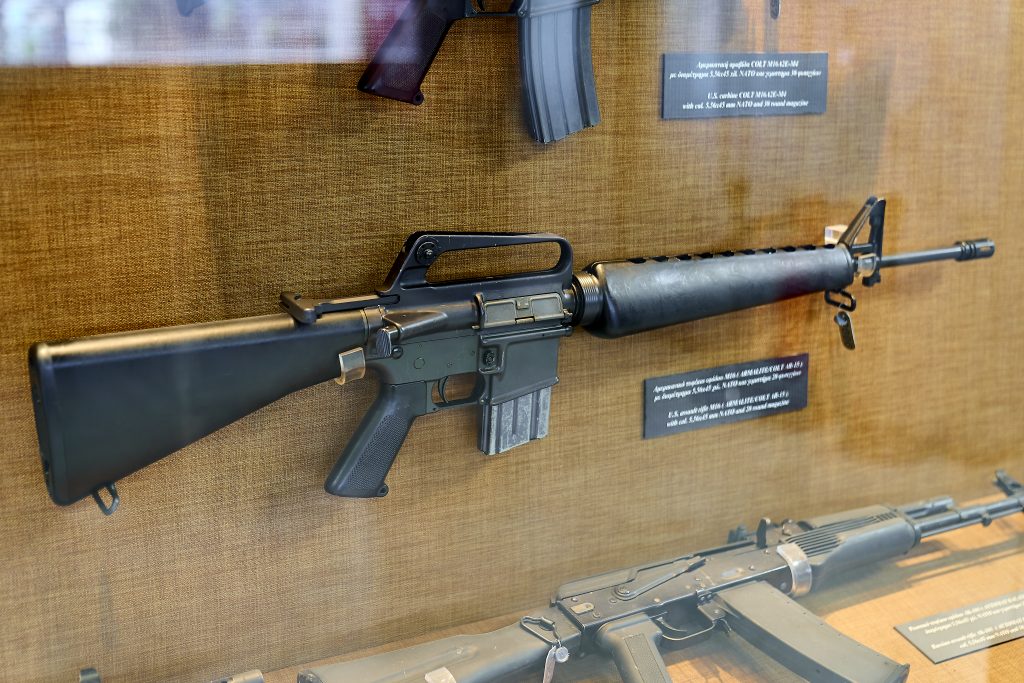
1. “AR” Means Assault Rifle
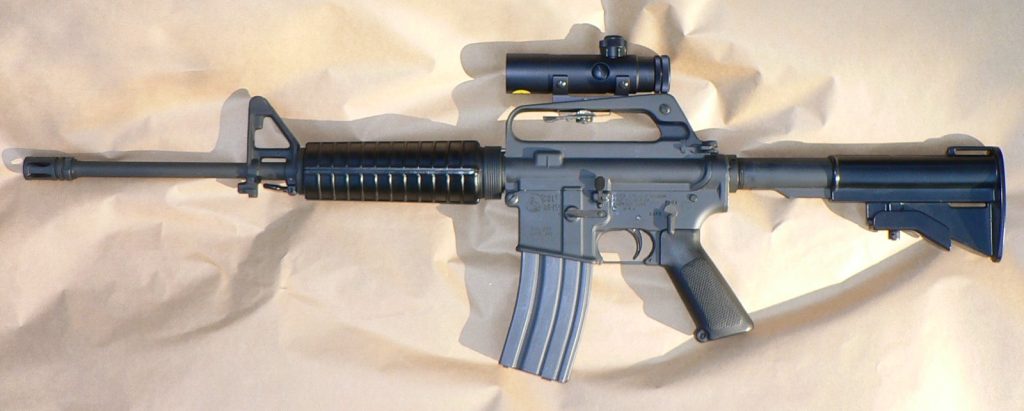
Contrary to popular belief, the “AR” in AR-15 actually stands for “ArmaLite Rifle,” as it was designed by the company in the late 1950s. The original design, as designed by Eugene Stoner, was based on a larger platform rifle called the AR-10 and shot a 5.56x45mm bullet. The issue is in its military design and its similarity to select-fire rifles, but the semi-automatic AR-15 rifle does not qualify under the technical definition of an assault rifle as it is defined by NATO or the U.S. military.

2. Civilian Models Are Fully Automatic
In semi-automatic mode, the AR-15 fires one shot per trigger pull. Fully automatic fire is achieved by the use of internal components such as an auto sear, as governed by the National Firearms Act of 1934. Since 1986, it has been illegal to manufacture machine guns. This is achieved by the fire control group and bolt carrier of the rifle and is a basic mechanical difference, not a cosmetic difference.
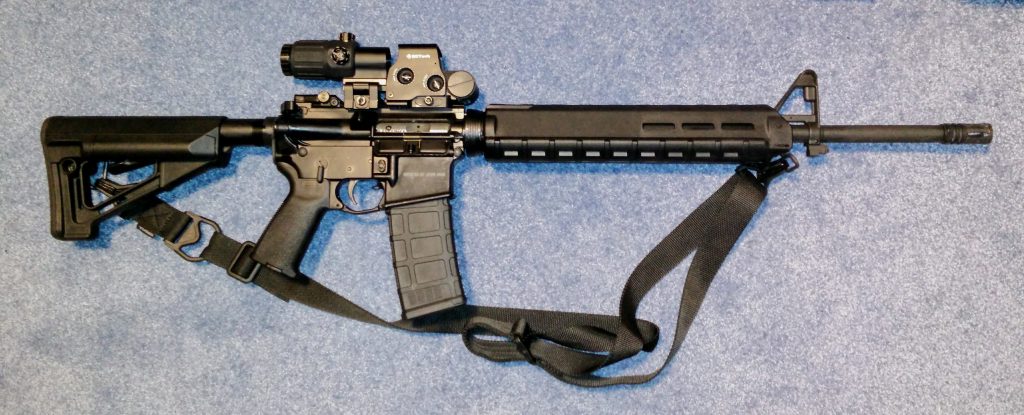
3. Designed Only for Military Use
Although the military version of the M16 is a cousin of the AR-15, the semi-automatic version of the AR-15 was introduced in the market in the 1960s. At present, the semi-automatic AR-15 rifle is widely used for target shooting, sporting, and hunting. The semi-automatic AR-15 rifle has a modular system that enables the user to change the barrel, scope, and accessories. The semi-automatic version does not have the select-fire option of the military version but retains the same ergonomics and accuracy.
4. Too Powerful for Civilian Hands
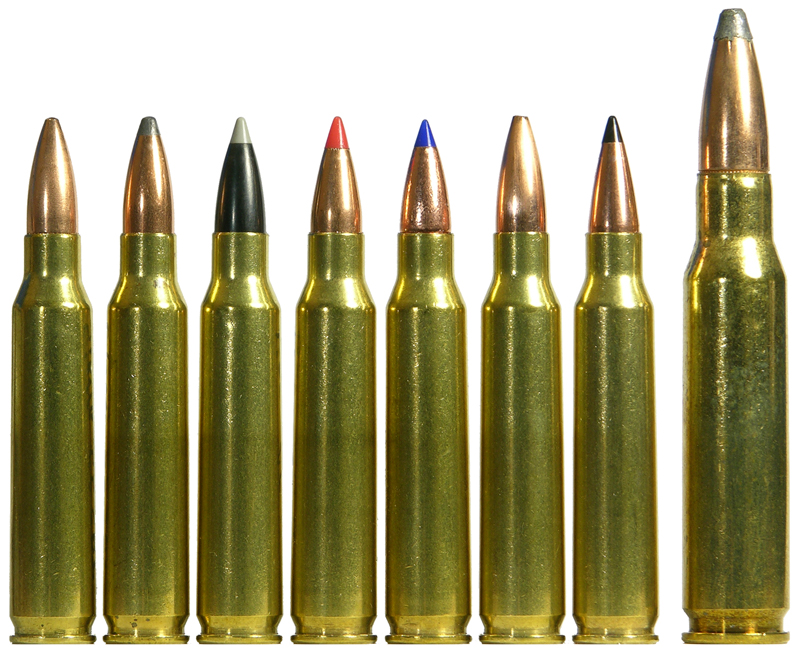
The AR-15 rifle is designed to fire .223 Remington or 5.56 NATO ammunition, which are both classified as intermediate cartridges. The muzzle energy of these cartridges is much lower compared to other hunting cartridges such as .308 Winchester or .30-06 Springfield. The reason why the AR-15 rifle is so popular is that it has manageable recoil and accuracy, but not power.
5. Ineffective for Self-Defense
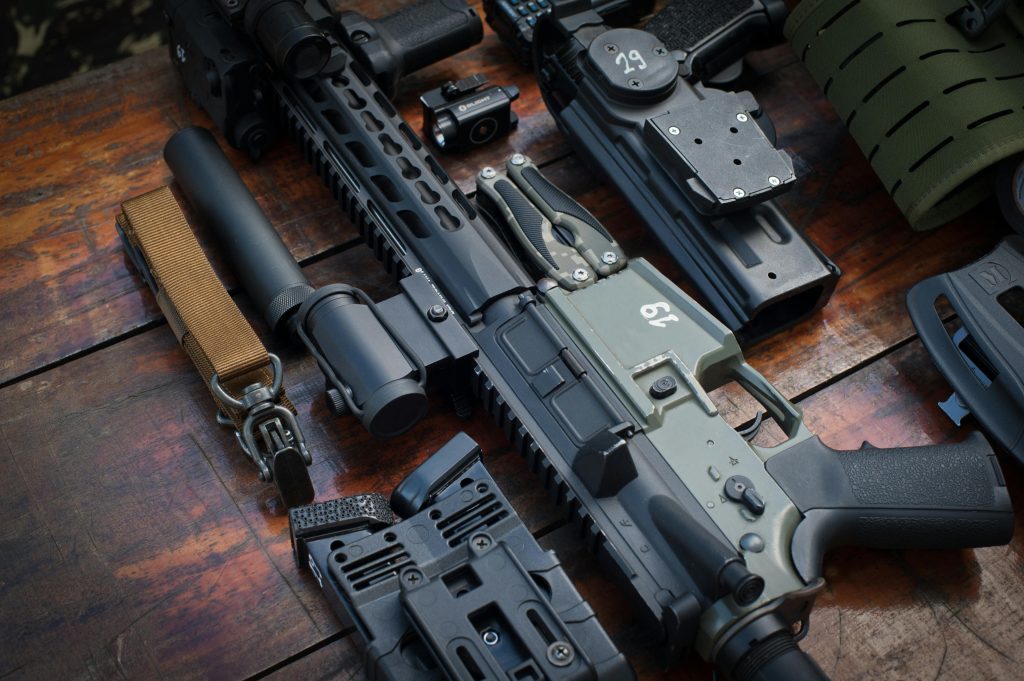
Some critics have suggested that the AR-15 is cumbersome in home defense situations. Nevertheless, the low recoil, adjustable stock, and fact that it can be outfitted with low-light scopes make it a viable choice. Short-barreled versions or AR-15 pistols may be more easily handled in a home environment than some traditional firearms. Law enforcement has used similar versions of carbines in patrol roles, citing accuracy and the lack of potential over-penetration associated with handgun rounds.
6. Easy to Build Without Skill
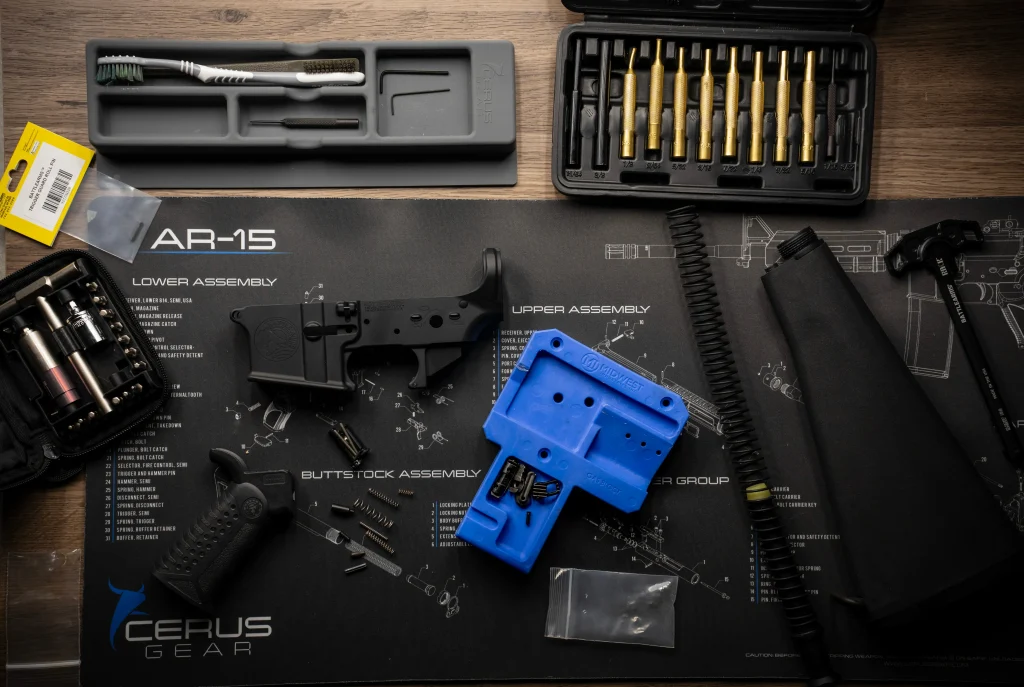
While the modular nature of the AR-15 makes it simple to maintain and replace components, the assembly of a working rifle from components can be a complex procedure.
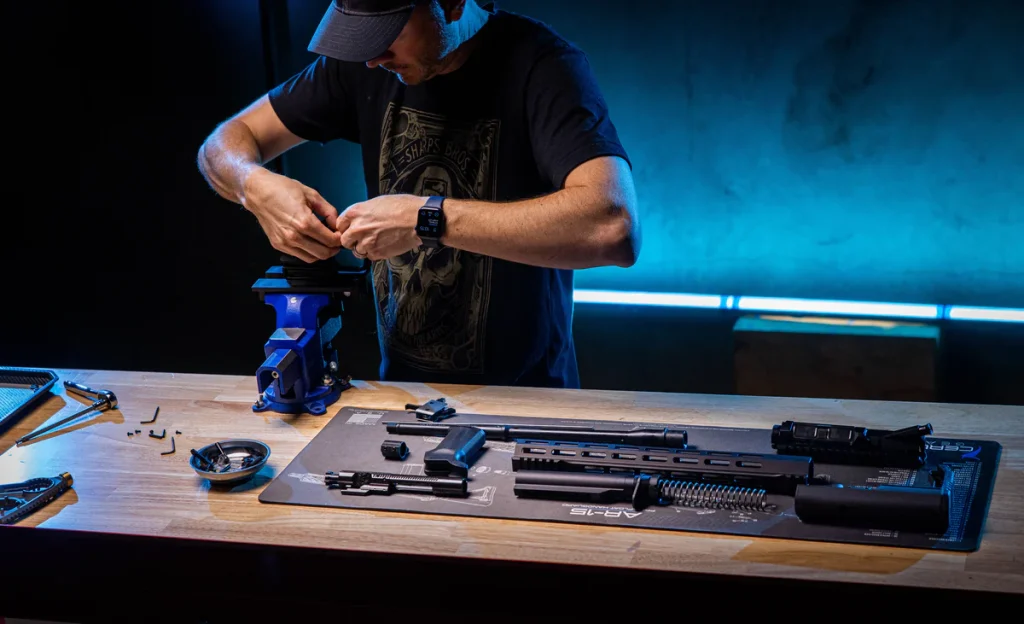
This is particularly true when assembling a rifle from components. This is because incorrect assembly can result in problems or pressures that are not safe.
7. Banned Nationwide
There isn’t a national ban on the ownership of AR-15s, but there are many regulations that differ from state to state. Some states, such as California and New York, may ban certain characteristics such as pistol grips, adjustable stocks, and flash suppressors. Other states may ban magazines with a certain capacity or require registration. In some states, the only regulation is a federal background check. However, the owner should be aware that bringing a legal AR-15 into a state with strict regulations can lead to legal issues.
“Misconceptions about the AR-15 can often be perpetuated by its cosmetic similarity to military rifles and its appearance at high-profile events. But its technical characteristics, ballistic performance, and legal status are much more complicated than their depiction in popular media. In order to have a productive discussion, whether it is in policy, sport, or self-defense, it is necessary to separate fact from fiction.”


