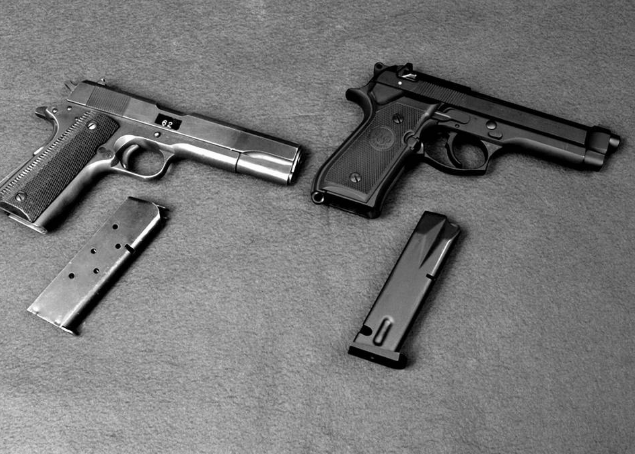
“From the dusty plains of the American frontier to the present day battlefields, the U.S. Army’s choice of sidearms has been more than a reflection of the technology of the day it has also been a reaction to the nature of warfare. Each pistol or revolver that made its way into a soldier’s holster had its own unique blend of innovation, functionality, and reputation on the battlefield. These six sidearms are important because of their impact on military handgun policy and their legacies.”
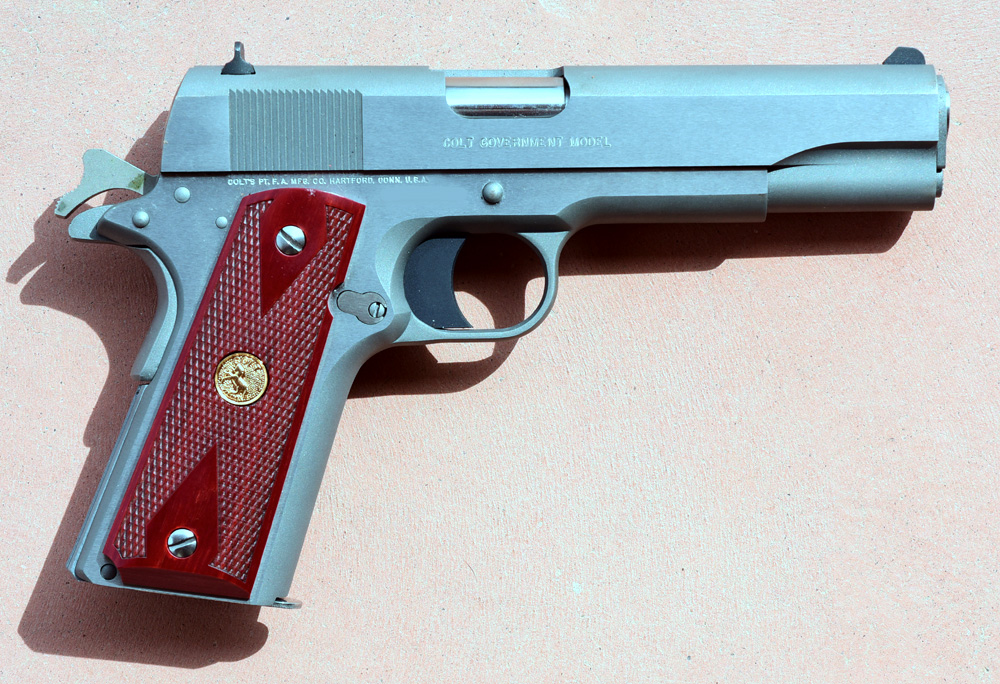
1. M1911 / M1911A1 .45 ACP
Created by John Moses Browning in response to the shortcomings of .38 caliber revolvers during the Philippine-American War, the M1911 was the Army’s first semi-automatic pistol in 1911. Chambering .45 ACP rounds, it passed a torturous torture test of 6,000 rounds without a single malfunction.
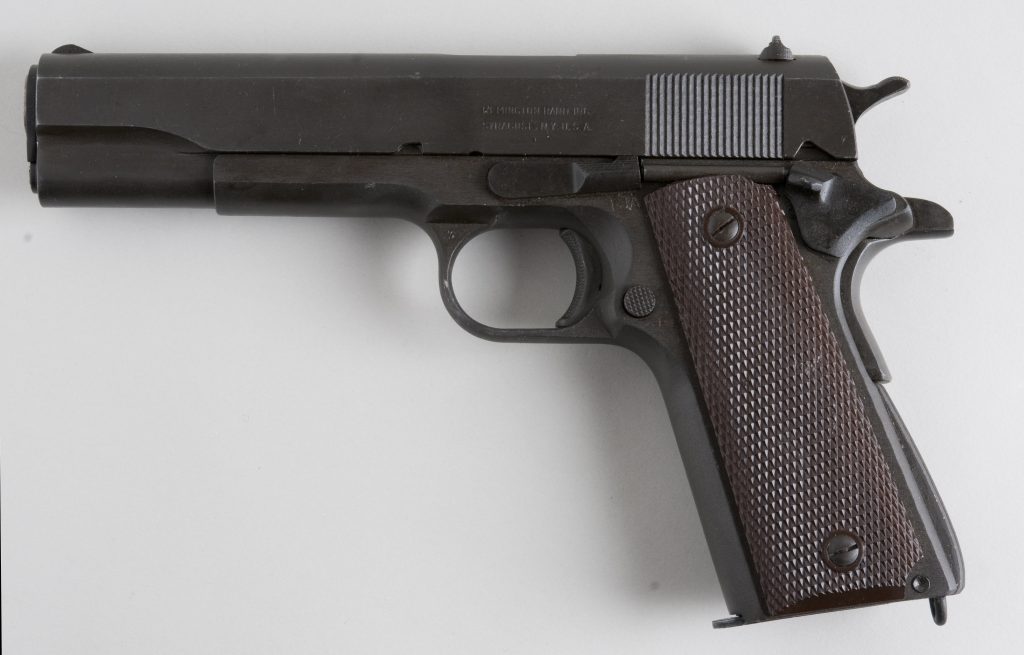
The 1926 M1911A1 model brought ergonomic improvements, including a rounded mainspring housing and improved sights. With service during World War I, World War II, Korea, and Vietnam, its nearly 75-year service life cemented its place in history for its stopping power and ruggedness.
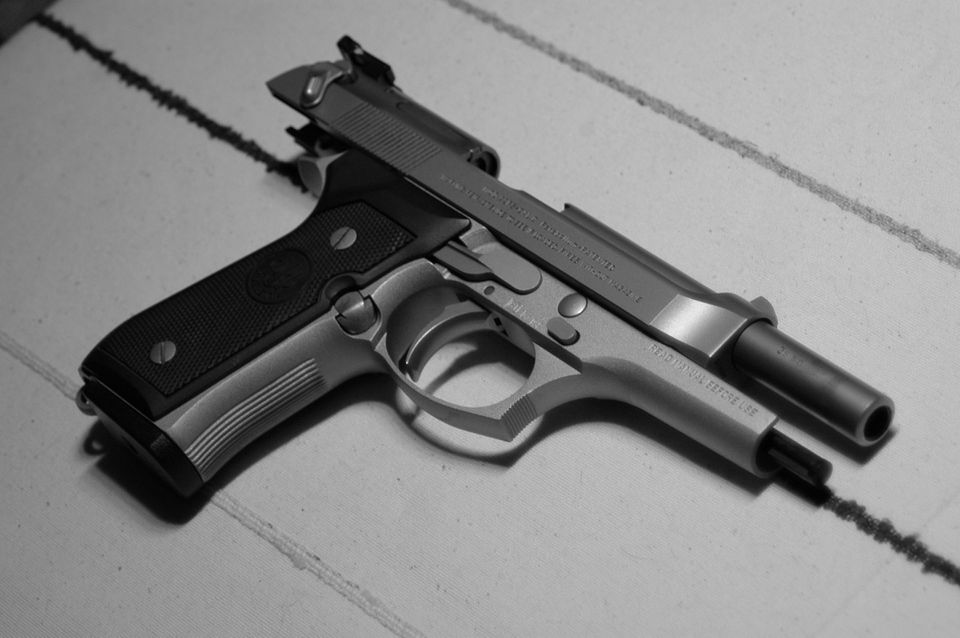
2. Beretta 92FS / M9
Adopted in 1985, based on the XM9 trials, the Beretta 92FS replaced the M1911 due to the standardization of the 9×19 mm caliber, a goal pursued by NATO. The M9 had a 15-round magazine capacity, an aluminum frame, and a double-action/single-action trigger mechanism that allowed for easy follow-up shots.
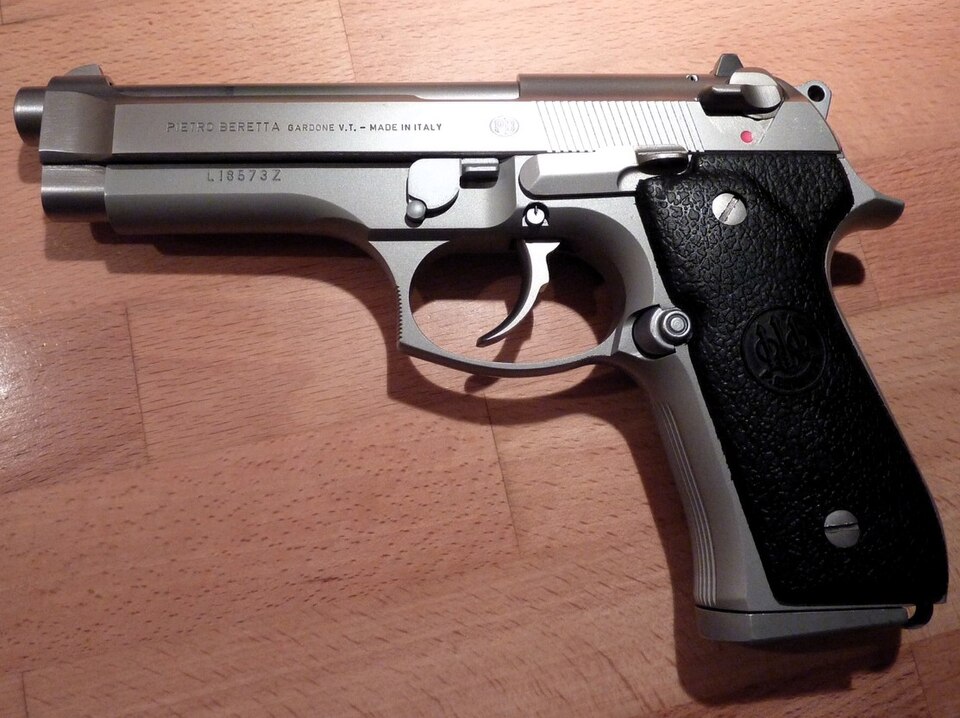
Real-world use in Panama, Iraq, and Afghanistan proved its durability, although sand and maintenance issues occasionally raised questions about its performance. The M9A1 variant added a MIL-STD-1913 rail and sand-resistant magazines, improving its adaptability in desert warfare. Its service life of thirty years bridged the period from the steel pistols of the Cold War period to the modular handguns of the present day.
3. SIG Sauer M11 / P228
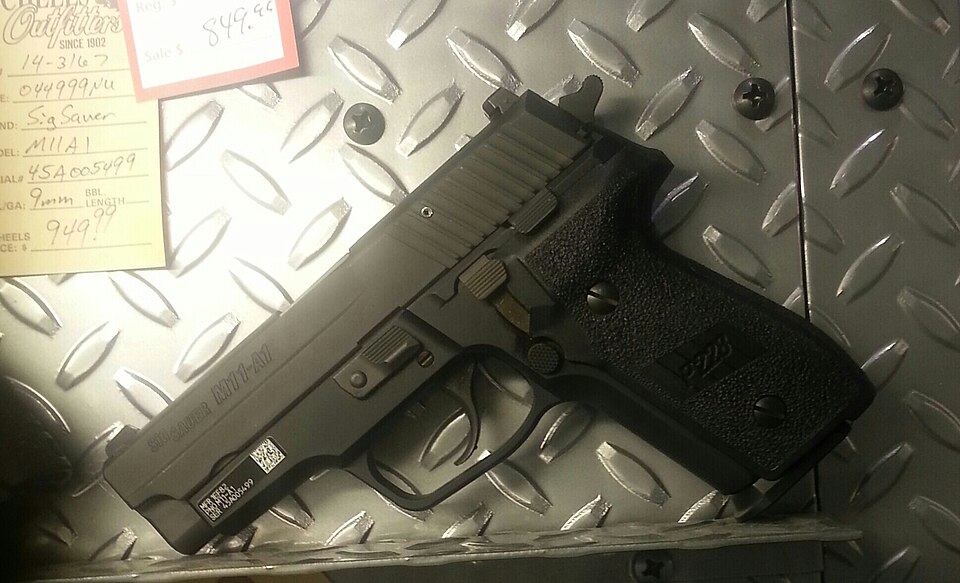
Launched in the early 1990s as a Compact Pistol Program, the M11 pistol remained in service for about 25 years. It was designed for the Army Criminal Investigation Division and other specialist units. It had a 13-round magazine and a compact design ideal for covert carry. It was based on the SIG Sauer P228. The malfunction rate of only one in 15,000 rounds was achieved in Aberdeen Proving Ground tests, proving its reliability. Although it never became a standard-issue sidearm for infantry soldiers, it proved that specialist pistols are as valuable as general-issue pistols.
4. Colt Single Action Army “Peacemaker”
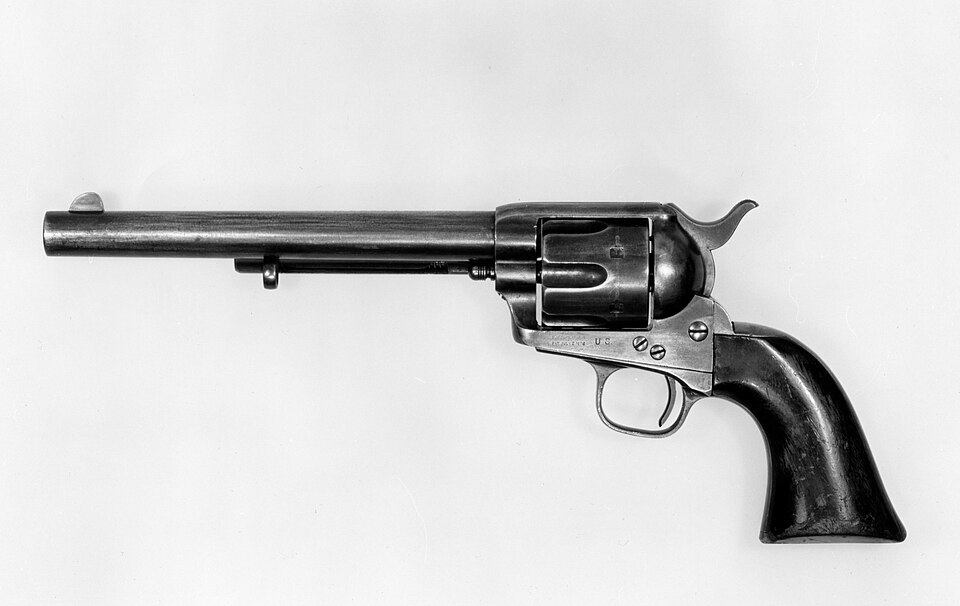
The Colt Single Action Army, which was unveiled in 1873, was first marketed in .45 Colt and quickly became the standard-issue sidearm of the Army. Designed with a topstrap frame for strength and a balanced grip for accuracy, it got favorable reviews from reviewers like Capt. John R. Edie, who said that it was “superior in all respects” to other models then in circulation. Marketed in varying barrel lengths and with varying finishes, it saw combat from the Indian Wars through the Spanish-American War and was used by such luminaries as Theodore Roosevelt and George Patton. It remained in production even after it had been retired, marking its 150th year of continuous production.
5. Colt & Smith & Wesson M1917 Revolvers
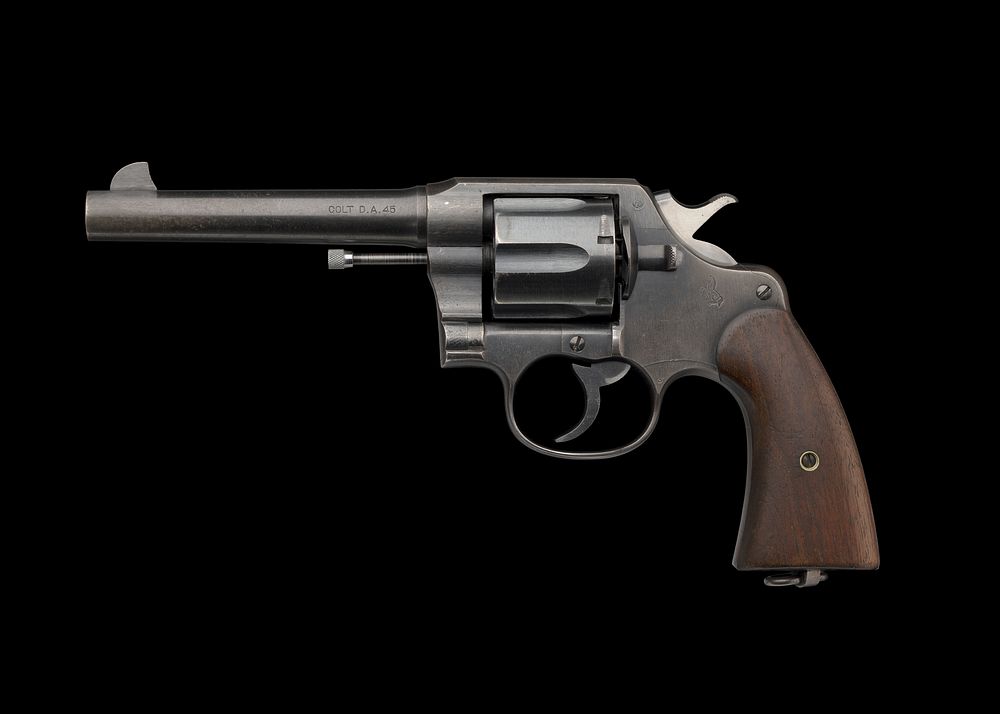
Since the demand for World War I was more than the production of M1911s, the Army had to turn to revolvers. The Colt New Service and Smith & Wesson Second Model .44 Hand Ejector were altered to accommodate .45 ACP cartridges using half-moon clips. More than 300,000 were produced between 1917 and 1919. They were ballistically identical to the M1911 and used in both World Wars, proving that stopgap solutions could work well if designed well.
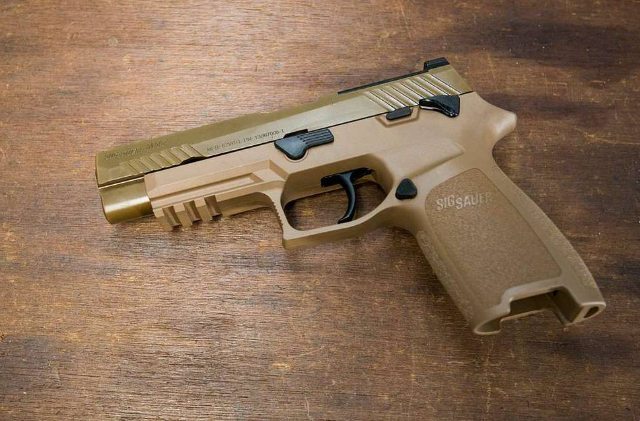
6. SIG Sauer M17 / M18 Modular Handgun System
The M17 (full-size) and M18 (compact) were selected in 2017 to replace the M9 and M11. They are based on the SIG Sauer P320. The M17/M18 have a polymer grip module of various sizes, ambidextrous controls, and suppressor compatibility. The Army’s Modular Handgun System program required improvements in accuracy, reliability, and ergonomics. The M17/M18 meet very stringent requirements for durability and performance.
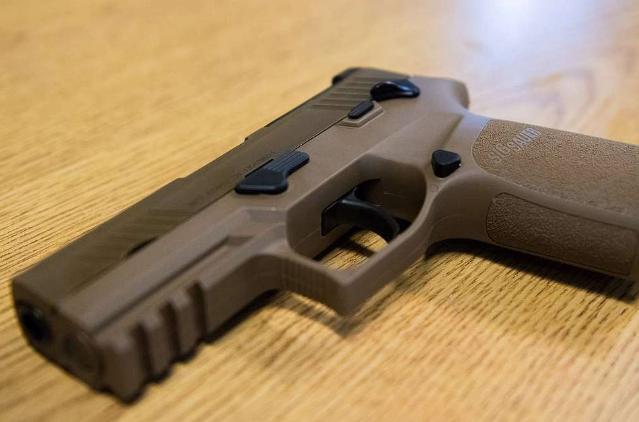
The M17/M18’s caliber conversion and advanced targeting accessories make them the most versatile sidearms in the Army’s history. Over the course of almost 150 years, these sidearms have represented the Army’s quest for reliability, effectiveness, and versatility. Whether proven in the heat of frontier battles or in modern joint tests, each has placed its stamp upon military history that extends far beyond the years of active service.


