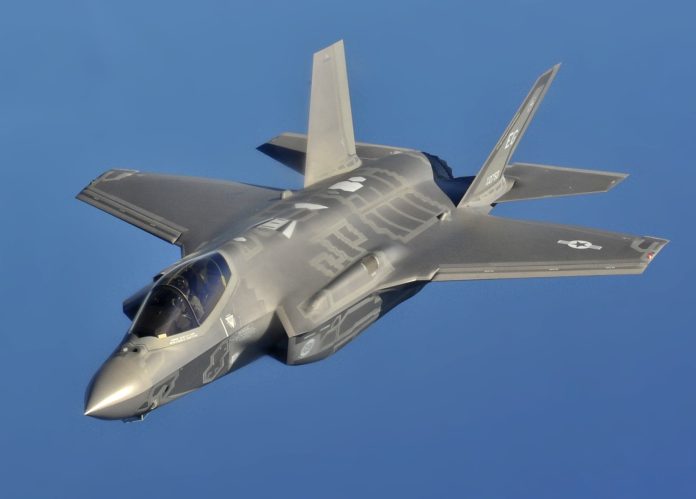
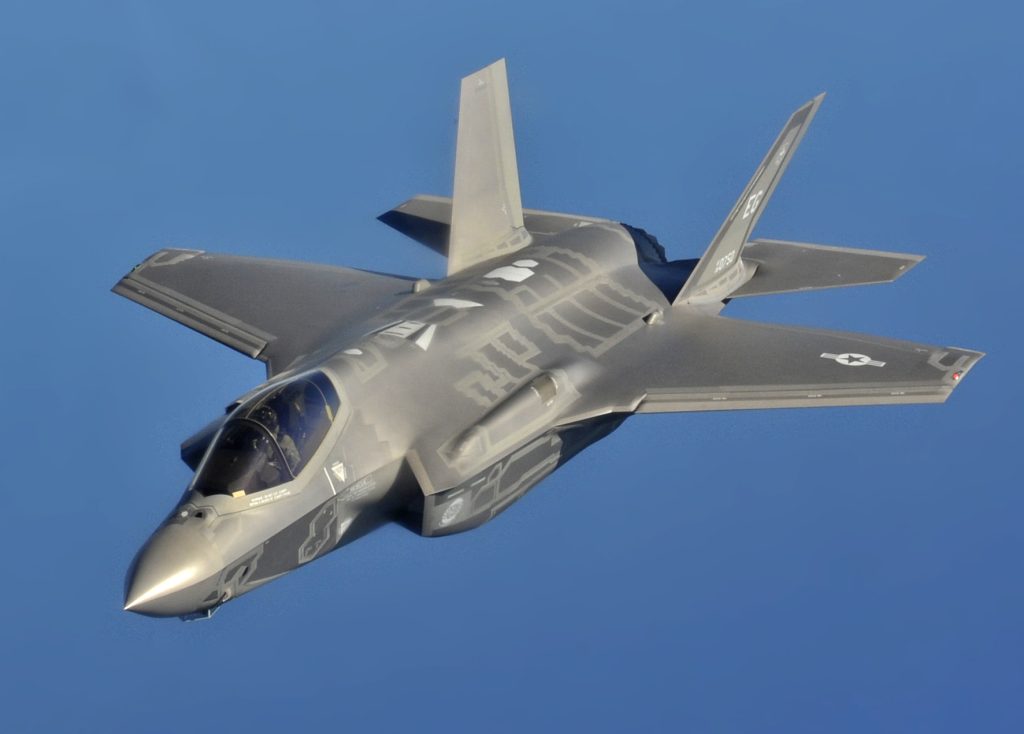
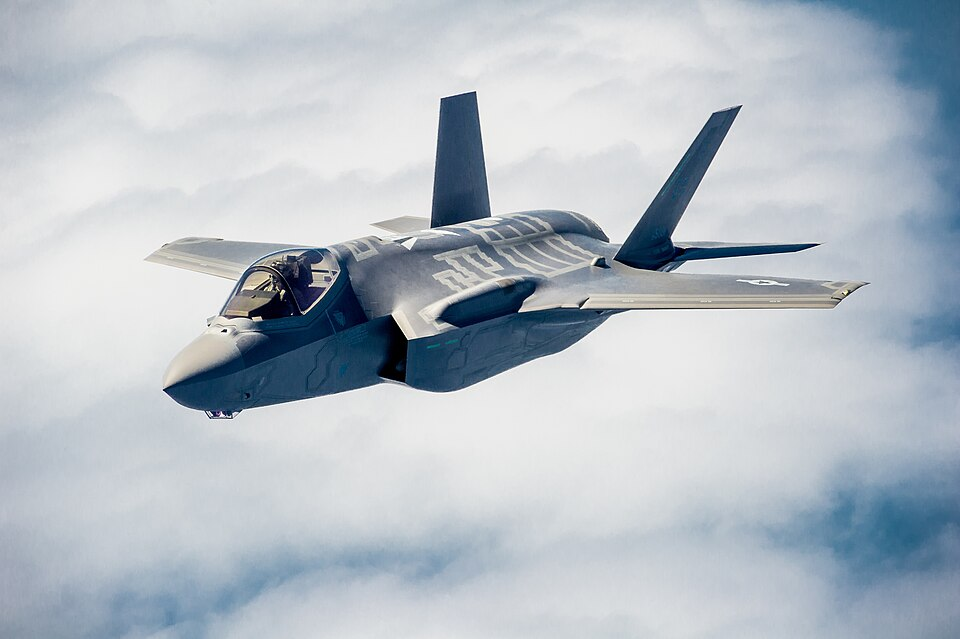
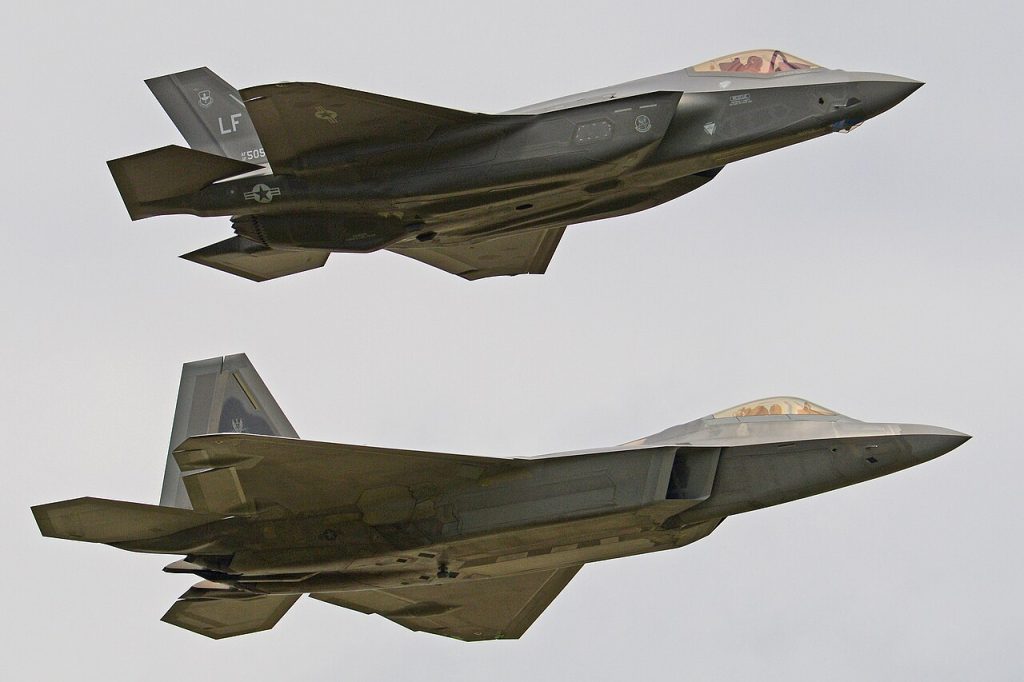
“However, the drive to further the dominance of fifth-generation fighters from America is now changing from developing new aircraft to integrating sixth-generation technology into successful designs. Lockheed Martin’s approach to sustaining the F-35 Lightning II and F-22 Raptor beyond the 2030s combines innovative propulsion systems, stealth improvements, AI-based systems, and manned-unmanned teaming to maintain a strong lead over near-peer adversaries. The company is using digital engineering, rapid prototyping, and insights gained from the Next Generation Air Dominance (NGAD) program to accelerate the development of revolutionary improvements over a clean-sheet design.”
These upgrades are not mere isolated improvements but are instead a part of a larger vision that seeks to incorporate the fighters into a larger networked battlespace. Below are nine of the most important upgrades that are driving this transformation.
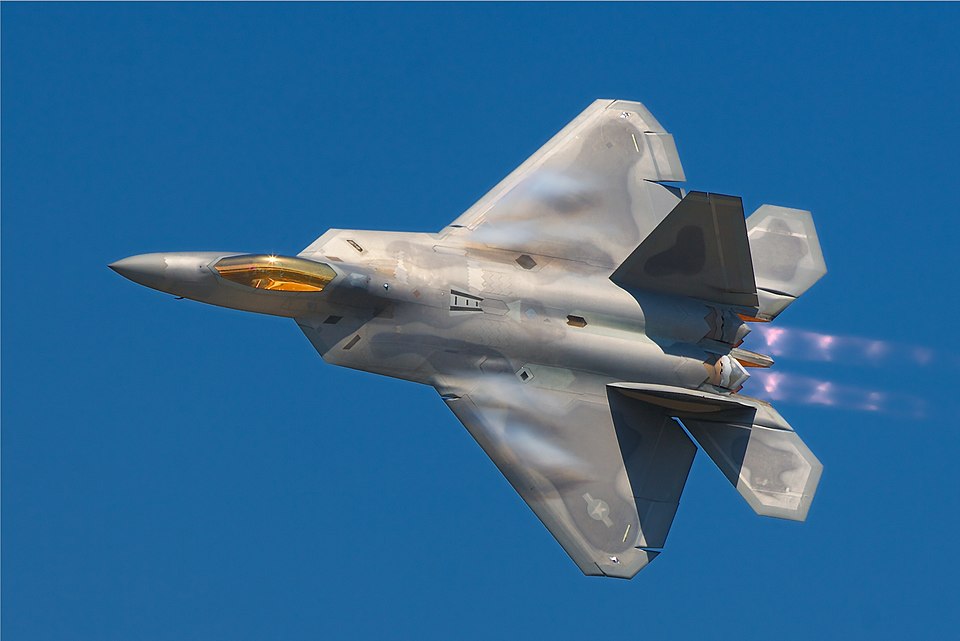
1. Sixth Generation Technology Integration
The modification solution developed by Lockheed Martin incorporates NGAD-derived systems within existing F-35 and F-22 aircraft. This includes modified inlets, new coatings, and stealth improvements that enhance survivability within hostile environments. By leveraging mature designs, the company can sidestep the development time and cost problems common to new aircraft programs.
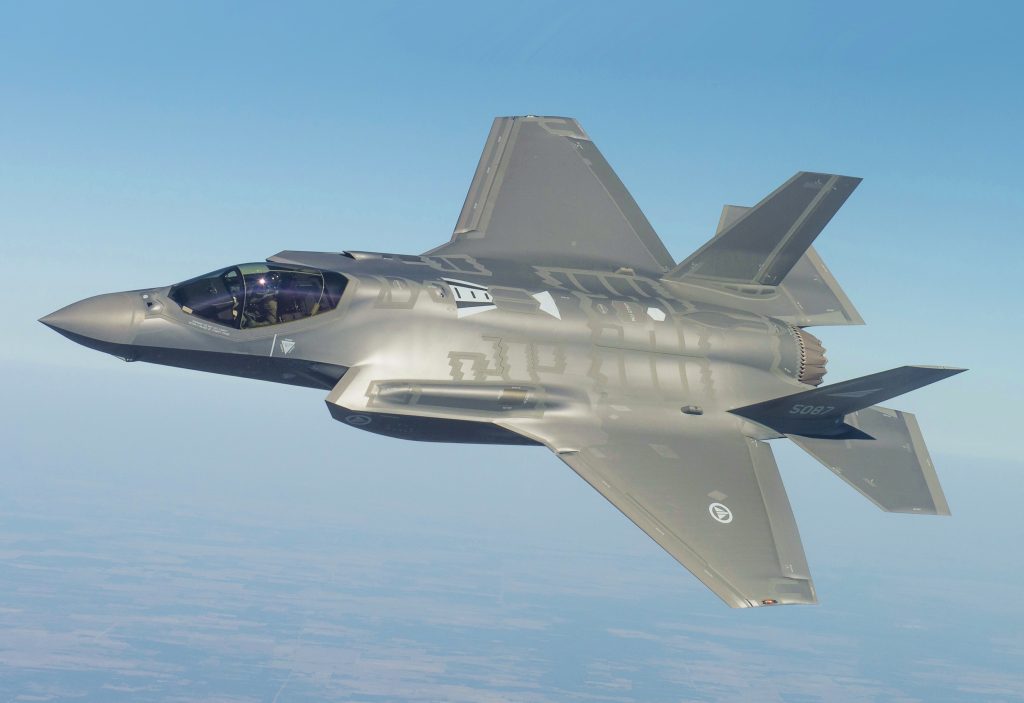
2. TR-3 and Block 4 Digital Backbone
The Technology Refresh 3 (TR-3) upgrade will give the F-35 an increased powerful integrated core processor, increased memory, and an increased panoramic cockpit display. These computer improvements will enable Block 4 capabilities such as advanced electronic warfare, target recognition, and weapons integration. The open mission systems architecture will enable the quick incorporation of future sensors and software.
3. Adaptive Cycle Propulsion
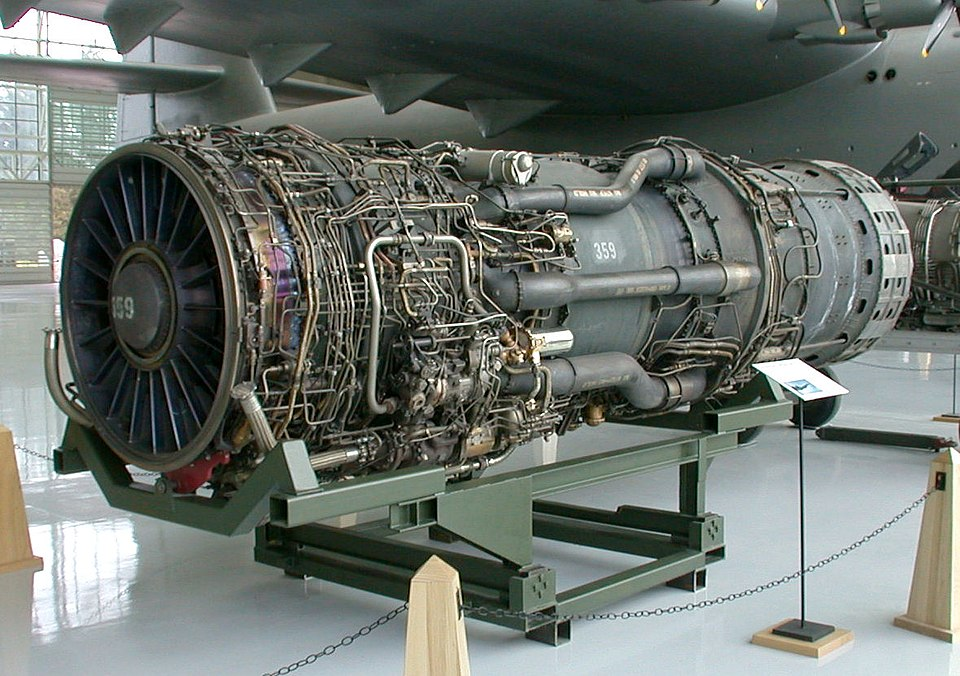
The next-generation engines, such as GE’s XA102 and Pratt & Whitney’s XA103, will provide up to 20% more thrust, 25% improved fuel efficiency, and over 30% increased range. The third-stream airflow can be optimized for high-thrust combat or efficient cruise, while also providing electrical power for directed-energy weapons and sensors, which is essential for long-range missions with limited tanker support.
4. Stealth and Signature Management Upgrades
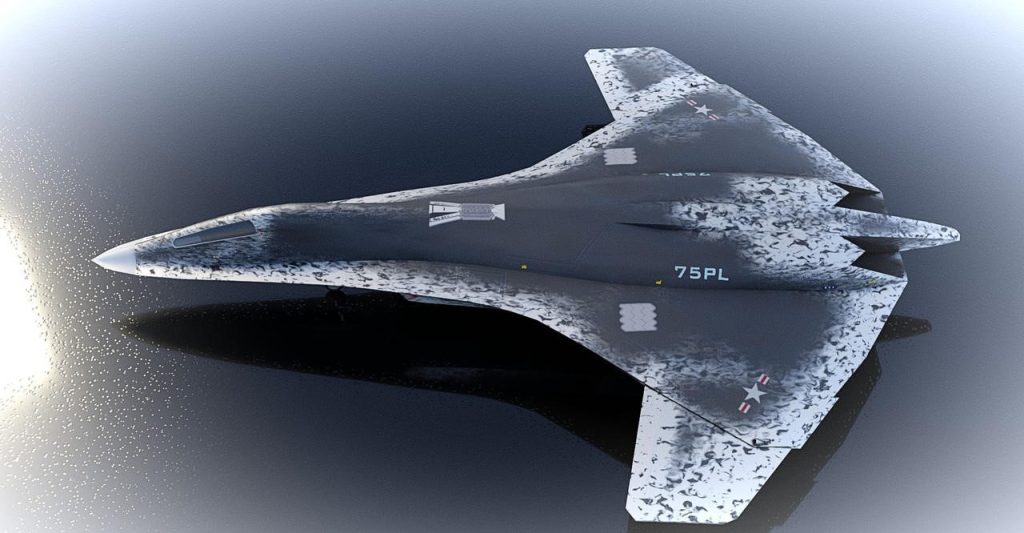
Based on the F-22’s ultra-low radar cross-section, new radar-absorbing materials, inlet treatments, and infrared suppression methods will be used to further work on reducing detectability. Most of these technologies have been developed from research on NGAD.

5. AI-Driven Sensor Fusion
The latest avionics will integrate data from onboard sensors, satellites, and unmanned platforms into a unified battlespace view. Artificial intelligence will help analyze threats, set priorities, and even conduct autonomous mission tasks, thus relieving the pilot of the burden of decision making.
6. Loyal Wingman Integration
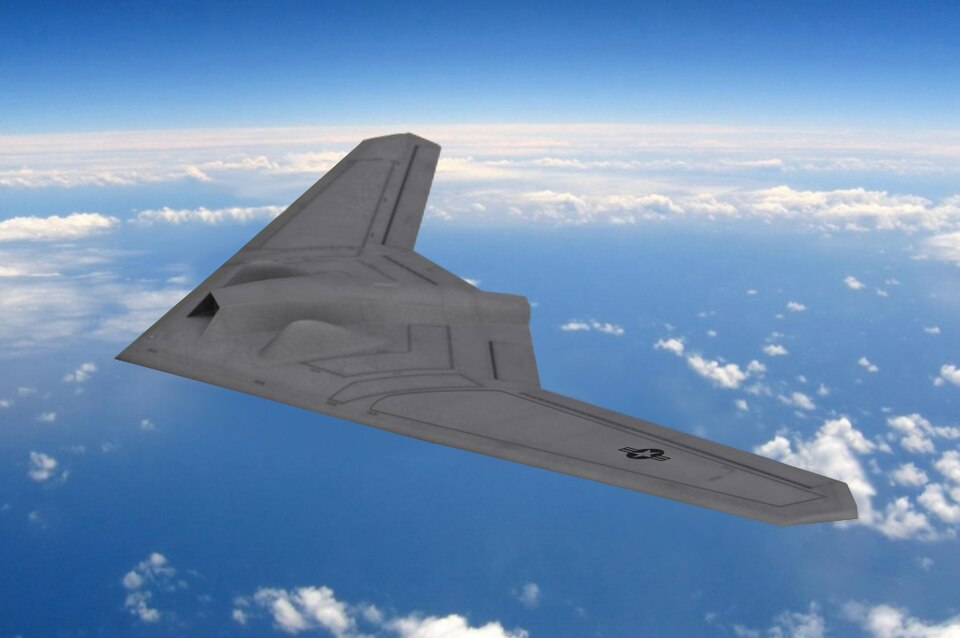
The Vectis design from Skunk Works’ Vectis project is one such example of manned-unmanned teaming. These stealthy Group 5 drones can be used as decoys, reconnaissance platforms, or strike platforms. They can be controlled from the cockpit through intuitive interfaces and thus increase the reach of the crewed fighter platforms while taking the risk of operation in high threat environments.
7. Cognitive Electronic Warfare
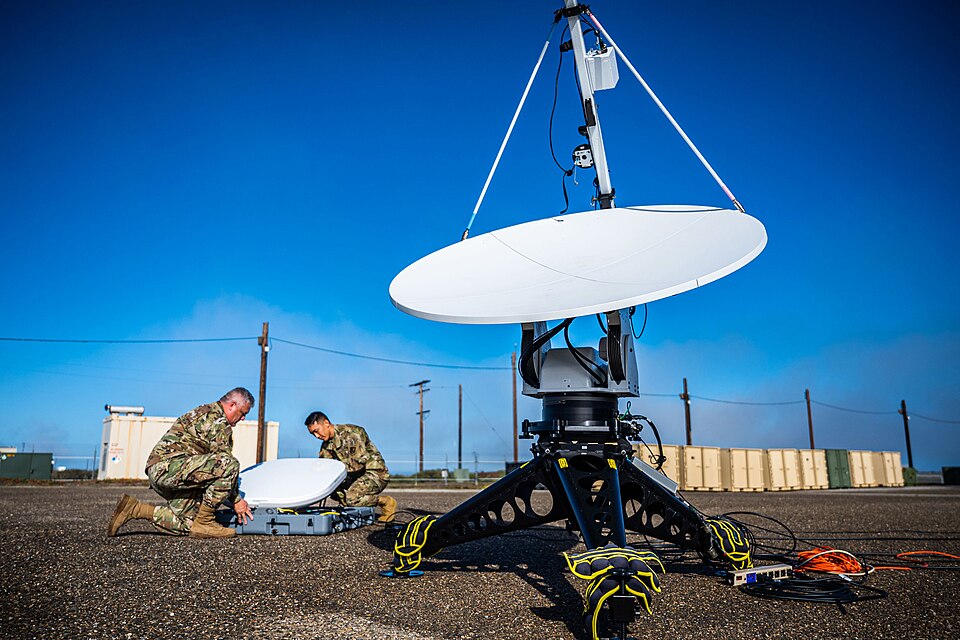
The upgrade to Block 4 will include advanced electronic warfare systems that have the ability to learn from the electromagnetic environment in real time. The cognitive electronic warfare system will allow the aircraft to defend itself against threats while keeping its location hidden.
8. Joint All-Domain Command and Control
The upgraded versions of F-35s and F-22s will serve as critical nodes in the U.S. military’s all-domain network. They will connect air, land, sea, space, and cyber domains. The secure and high-bandwidth communication will facilitate the synchronized operations of multiple domains.
9. Rapid Prototyping and Self-Funded Development
Lockheed Martin’s Skunk Works is using a rapid prototyping philosophy, flying demonstrators before contracts are even awarded. By using its own resources, the company can work to refine requirements early and get critical capabilities into the hands of the warfighter faster. Collectively, these enhancements signify a deliberate move towards resilient, networked, and agile airpower. Through the integration of successful fifth-generation designs with developing sixth-generation solutions, the F-35 and F-22 are poised to retain their potency until the complete NGAD solution is available.


