“The Cold War was a period of unrelenting innovation in aerospace, but not all of these breakthroughs resulted in successful landings. In the competition to outfly and outgun the other side, designers occasionally stretched their designs beyond the capabilities of existing technology, creating planes that were as deadly to their own crews as to the enemy. These planes were a reminder of the dangers of untested ideas, of rushed development, and of overreaching engineering. Their stories are a reminder of the difficult lessons learned by the world of aviation.”
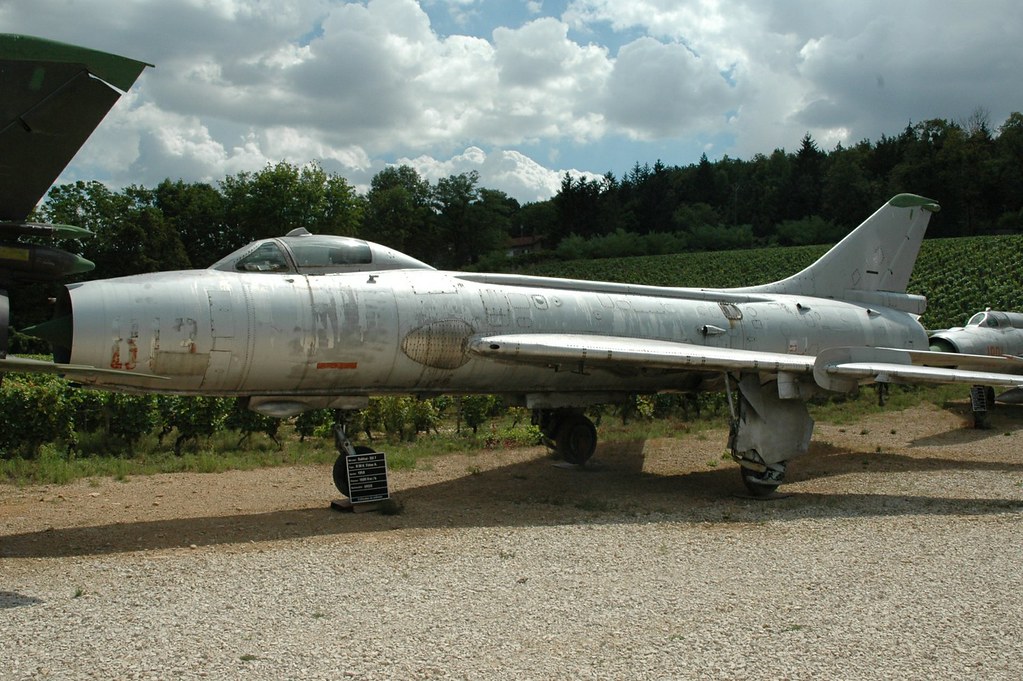
1. Sukhoi Su-7 – Speed at a Steep Price
When the Soviet Union looked for a response to the F-86 Sabre, they developed the Su-7, a supersonic fighter that could break 1,050 mph with its Lyulka AL-7F engine. However, this came with a very high price tag: its thin and highly swept wings made low-speed flight dangerous, particularly during landing, while its short range was so limited that fuel tanks had to be carried externally.
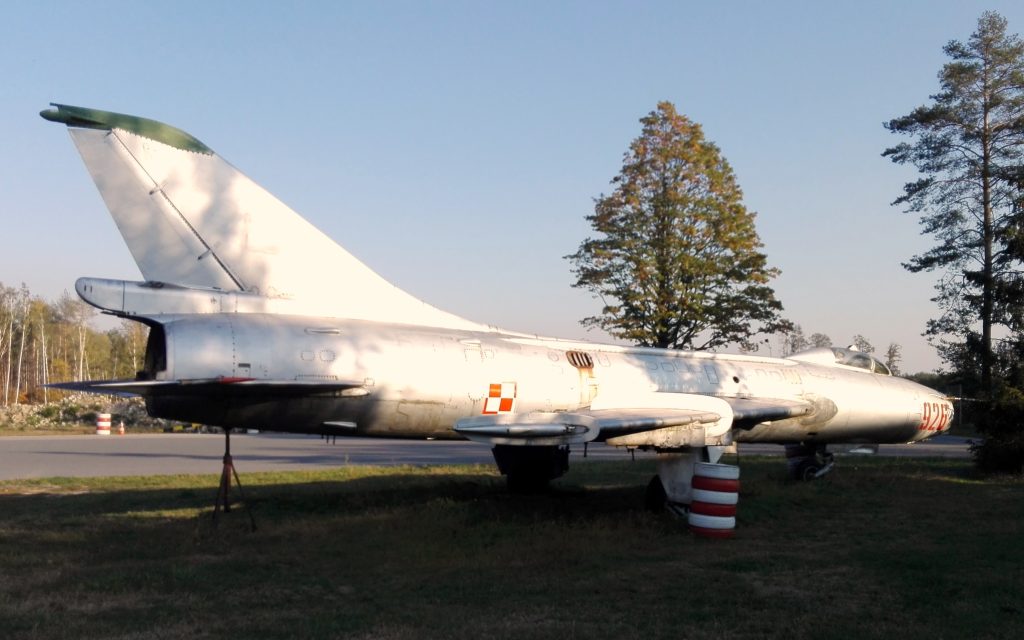
Initial production aircraft also had engine reliability problems, including a 1957 crash that took test pilot I.N. Sokolov’s life. Although later modified to become a decent fighter-bomber, the Su-7 still had problems with poor visibility, long takeoff distances, and heavy control forces. Nonetheless, more than 1,800 were produced.
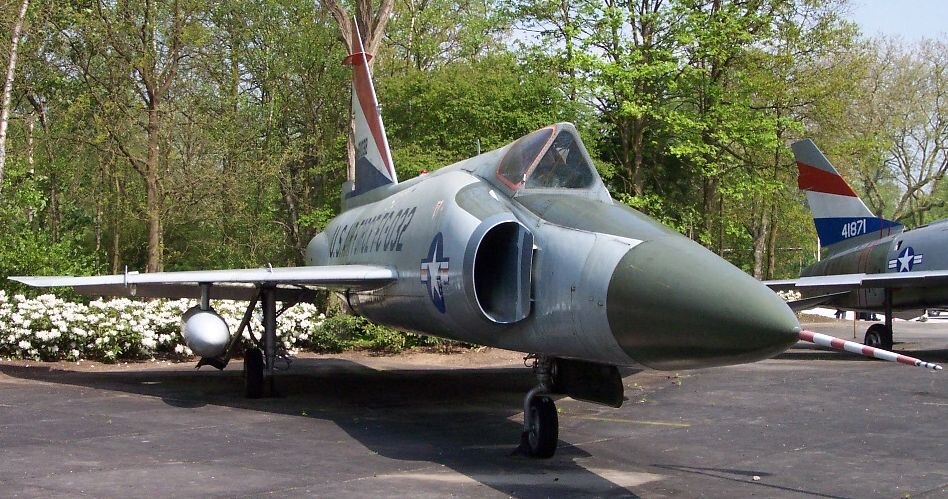
2. Convair F-102 Delta Dagger – Supersonic in Theory
The F-102 was marketed as America’s first all-weather supersonic interceptor. However, it initially had problems breaking the sound barrier because of the transonic drag. The designers later modified the aircraft’s design to overcome the issue and eventually attained Mach 1.22. However, the aircraft’s safety was a concern because out of 1,000 units produced, 259 were destroyed in accidents, resulting in the death of 70 pilots. This made the aircraft one of the most accident-prone U.S. fighters during the Cold War era.
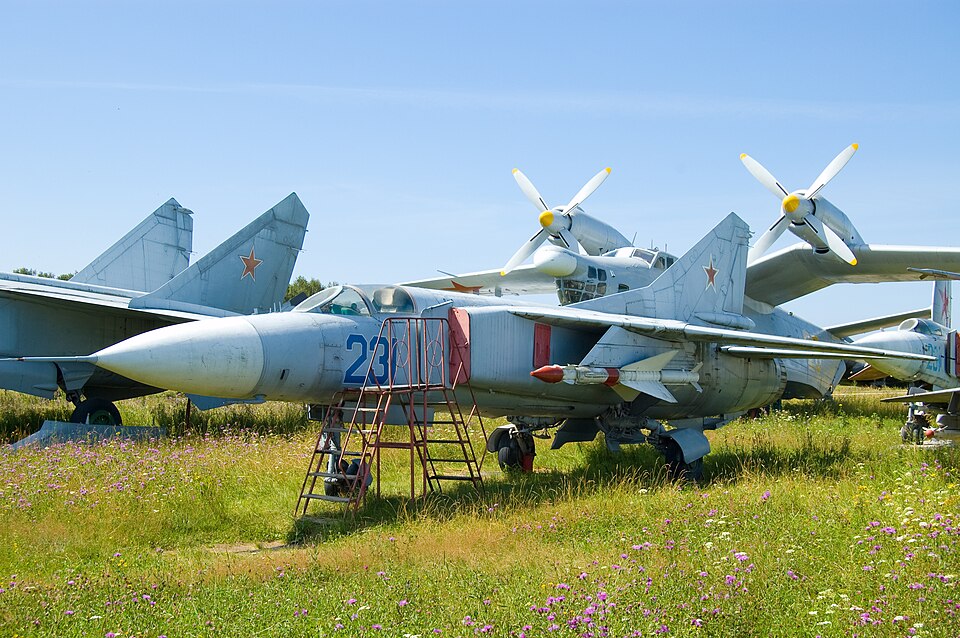
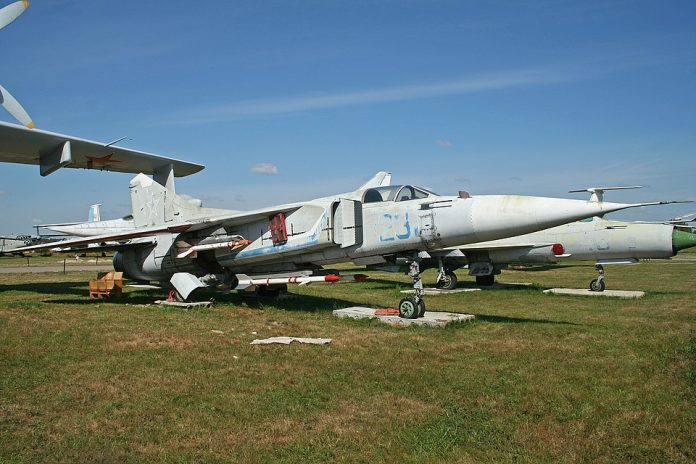
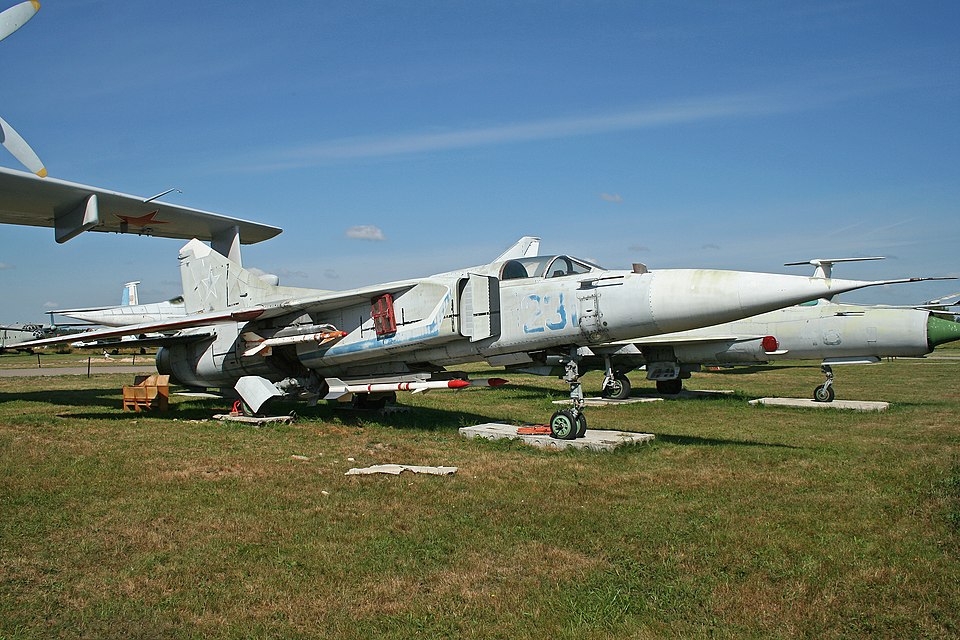
3. Mikoyan-Gurevich MiG-23 Ambition Outpaced Ability
Intended to succeed the MiG-21, the MiG-23 featured variable geometry wings, promising greater agility and speed. However, it was marred by unstable flight dynamics and engine troubles. Although it could rapidly accelerate at low altitude, its high angle-of-attack stability issues made it a substandard dogfighter.
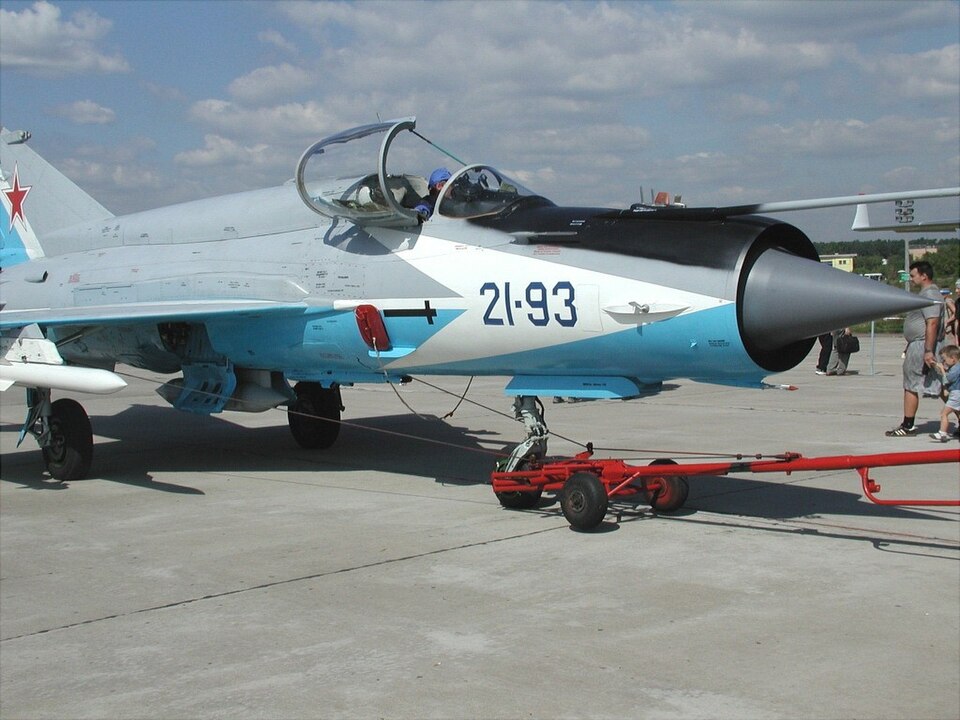
When used in combat, it performed poorly Israeli pilots found it easy to shoot down MiG-23s, and even the older MiG-21s could equal it in certain circumstances. The 1980s saw the Soviet Air Force restrict its use to secondary missions, with only a few countries still operating it.
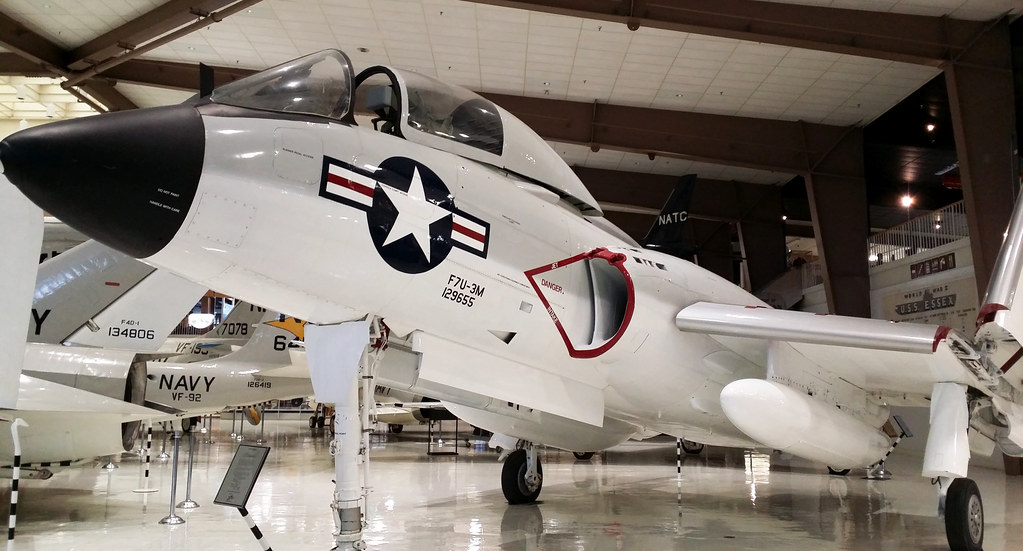
4. Vought F7U Cutlass – Innovation Meets Instability
The U.S. Navy’s initial tailless and swept-wing jet fighter appeared to be from the future but was dangerously flawed. Based on German aerodynamic research after World War II, the F7U Cutlass was plagued by hydraulic system breakdowns, inadequate power from its engines, and dangerous carrier landings.
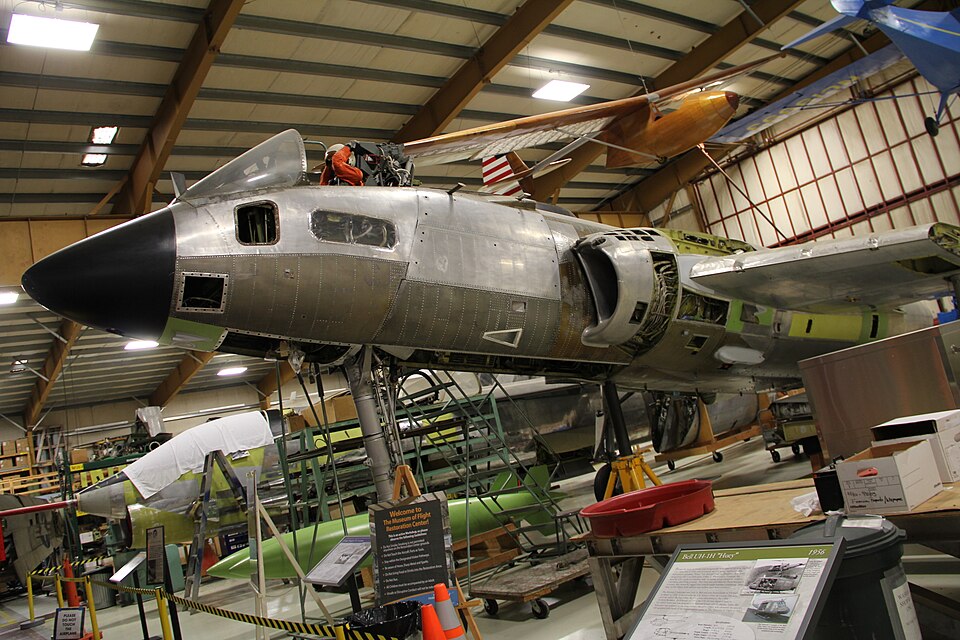
The F7U Cutlass had the worst accident rate of all the Navy’s swept-wing jet fighters, with more than a quarter of the total number of aircraft destroyed. It was nicknamed the “Ensign Eliminator” because it claimed the lives of four test pilots and 21 operational pilots.
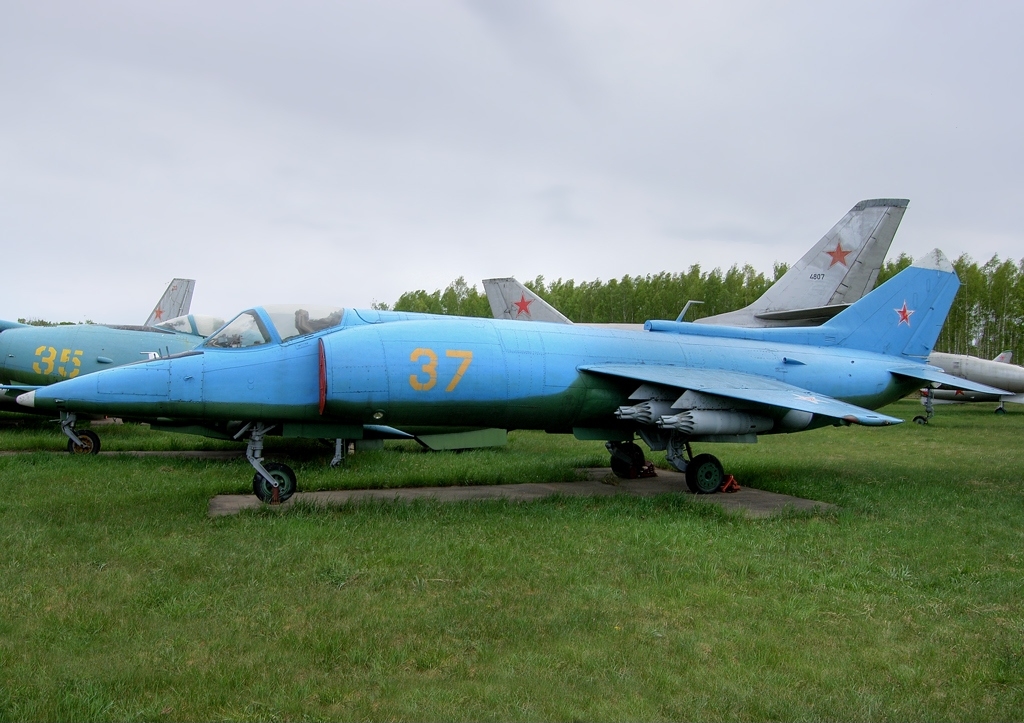
5. Yakovlev Yak-38 – A VTOL B
lunder Designed to be the Soviet response to the British Harrier, the Yak-38 was a vertical takeoff and landing strike fighter that was more hazardous to its own pilots than to any enemy. Its combination of two lift jets and a primary engine was a precarious balance that could leave the plane spinning out of control if one of the lift jets malfunctioned. Its range was a paltry 100 km, and in hot, dusty environments like Afghanistan, the engines quickly deteriorated.
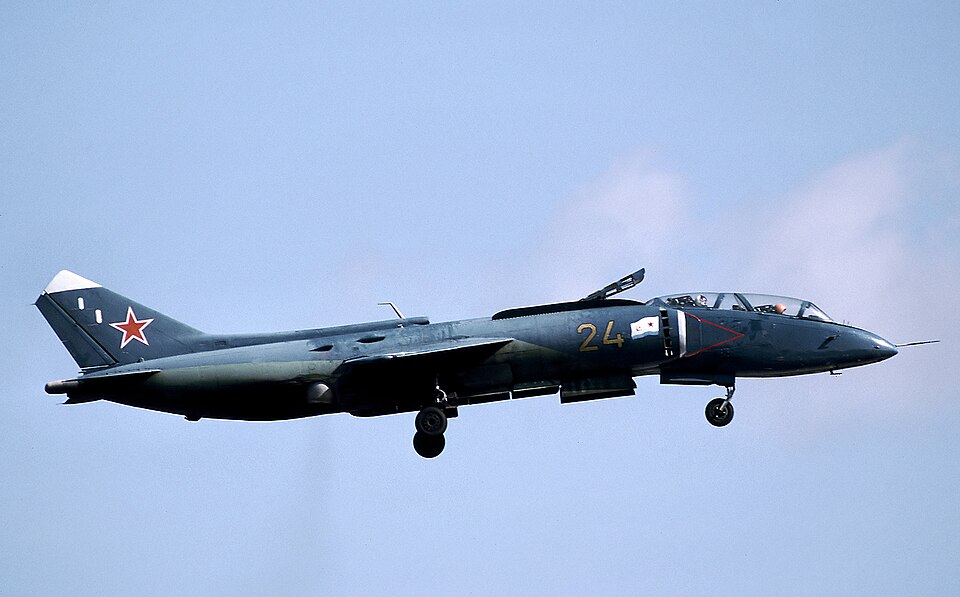
In fact, its reliability was so bad that on one Mediterranean deployment, only one of six carrier-based Yak-38s remained operational by the end of the cruise. These Cold War-era failures highlight the following fact: there are risks involved with the pursuit of aviation’s frontiers. Although none of these planes succeeded in their intended purpose, the lessons learned from these aircraft have contributed to the development of more capable designs in the years that followed. In this way, even the most infamous failures have contributed to military aviation history.


