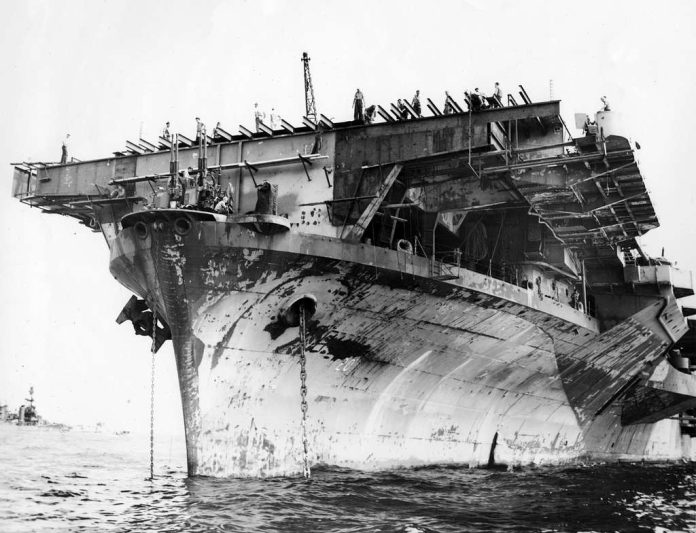
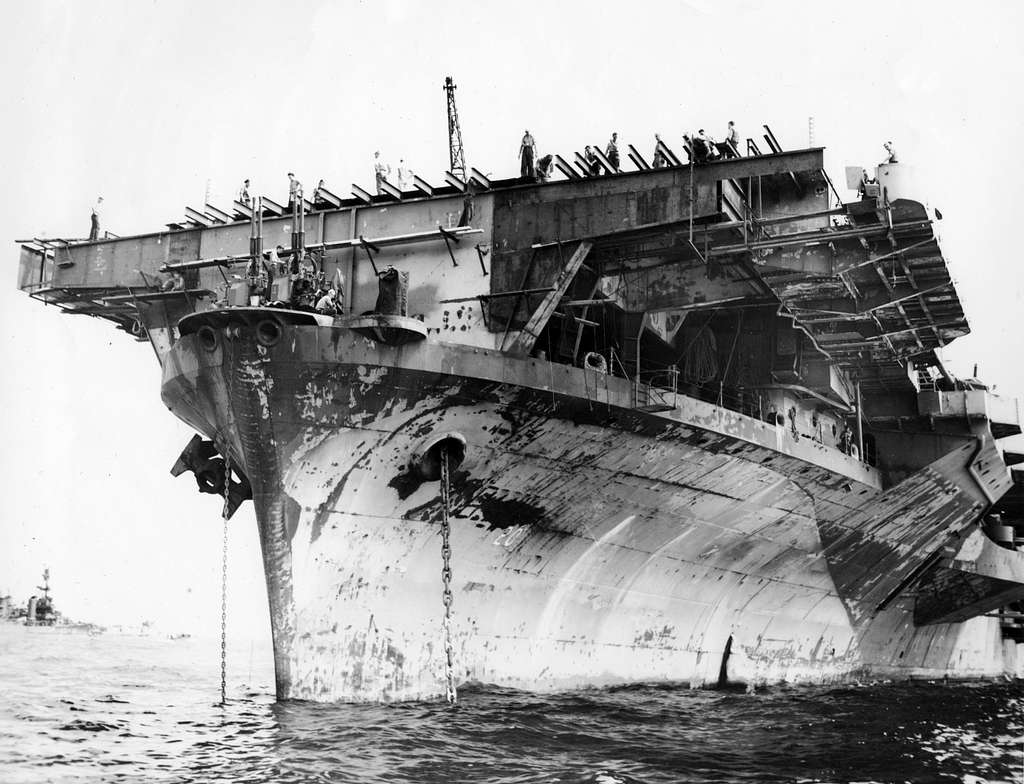
Aircraft carriers are designed to absorb punishment-layered subdivision, redundant systems, and large crews trained to fight fire and flooding as aggressively as they launch aircraft. That durability is apparent in the long arc after 1945, during which not a single aircraft carrier has been lost to enemy action even as ships have endured catastrophic accidents and major combat damage.
Yet carrier history still holds platforms that became cautionary exhibits-hulls that were over-ambitious, rushed, under-supported, or simply unlucky. The following ships are remembered less for air wings and sorties than for the engineering and operational margins that vanished at the worst possible time.
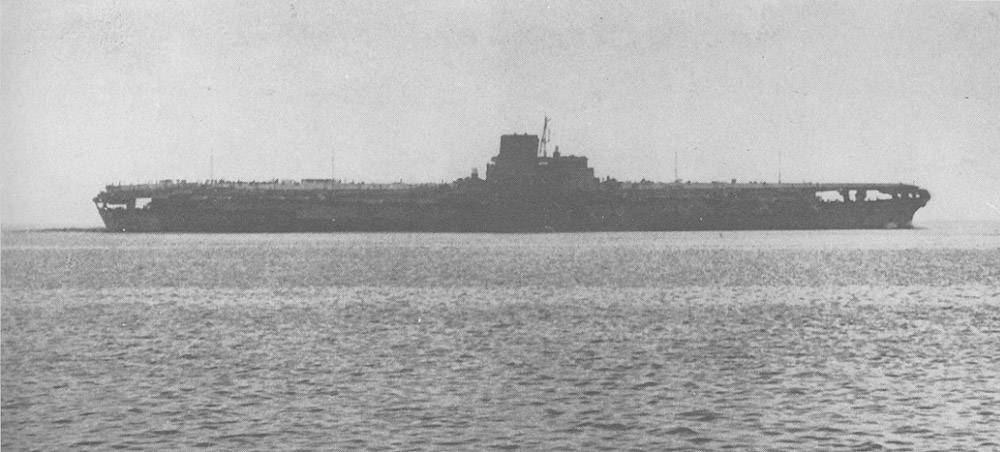
1. IJN Shinano
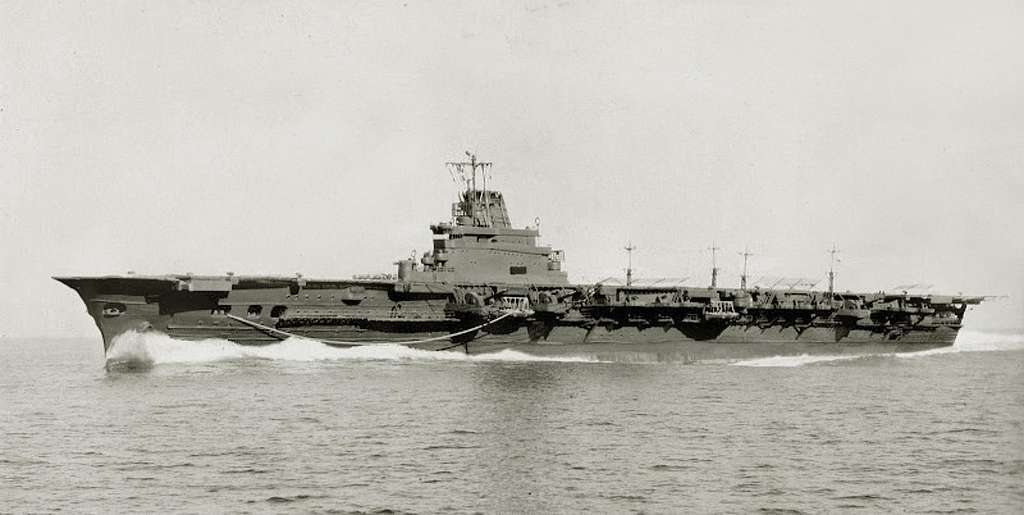
Shinano remains the symbol of scale without readiness: a super-battleship hull converted to carrier under an extreme time crunch. Built in deep secrecy and displaced at roughly 71,890 tons at full load, she was a huge industrial gamble and a brittle one. Standard testing suffered: compartment integrity checks were cut short, systems incomplete, and crew procedures little time to mature into muscle memory. In practice, the ship had the weight of its armor and volume without the fully proven watertight discipline which lets large hulls “spend” buoyancy gradually.
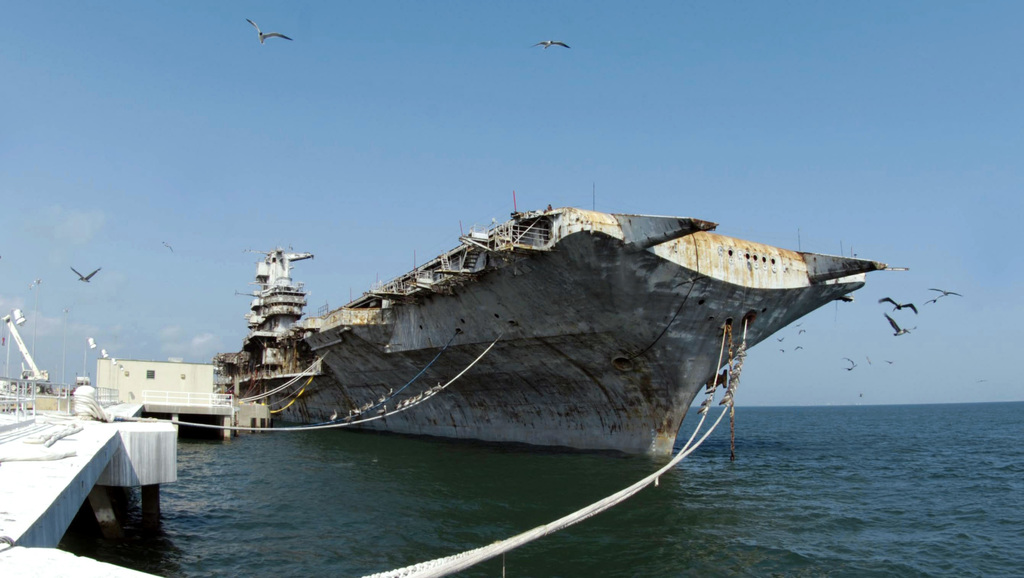
When torpedoes struck en route, flooding overwhelmed the control teams’ ability to stem it. The size of the ship-too often treated as a synonym for invulnerability-became an amplifier: long internal runs, incomplete testing, and human congestion turned damage control into a navigation problem as much as a mechanical one. It is still studied because it shows how survivability is not just steel thickness; it is also verification, drills, and the mundane reliability of doors, pumps, and communication under stress.
2. IJN Taihō
Taihō is remembered for how quickly a modern-looking carrier could be undone by basic shipboard chemistry. A single torpedo hit did not necessarily have to be fatal in and of itself, but the mishandled fuel vapor turned a contained incident into a shipwide hazard. The critical failure was procedural: efforts that spread volatile fumes through ventilation converted internal volume into a conduit.
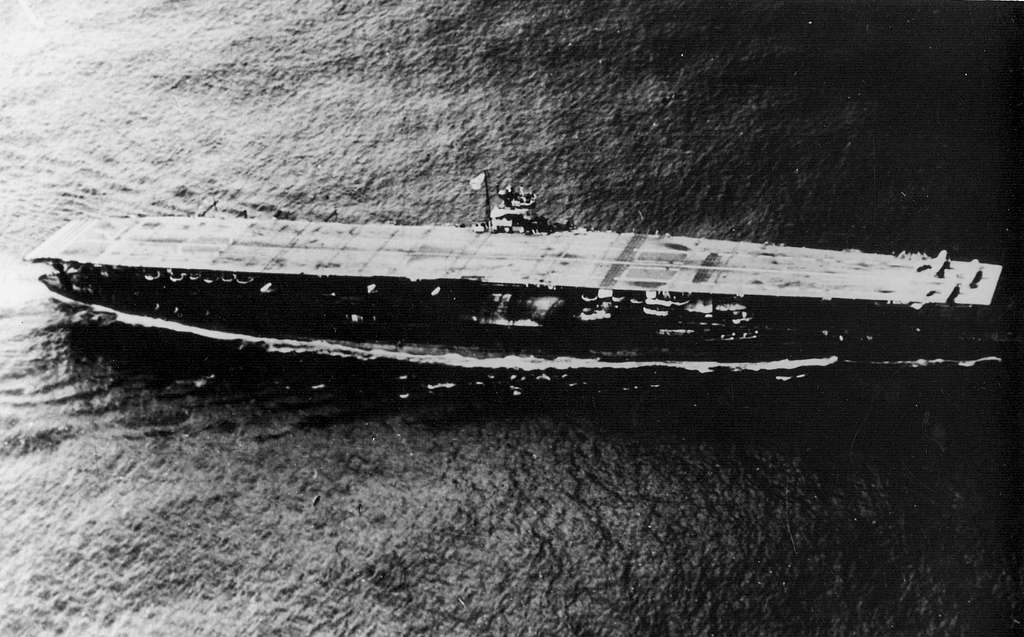
The episode in fact underlines the balancing act of a carrier: aviation requires fuel, ordnance, and air flow; survivability requires segregation, containment, and disciplined ventilation control. When those priorities collide, the ship’s very purpose-supporting aircraft-creates the conditions for rapid escalation.
3. Graf Zeppelin
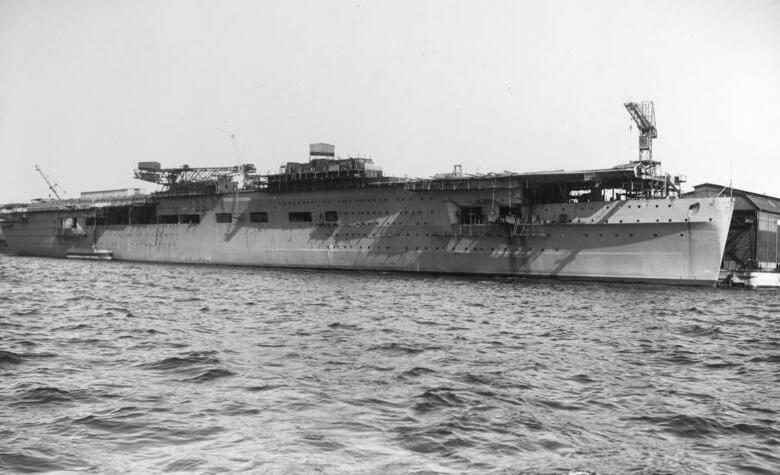
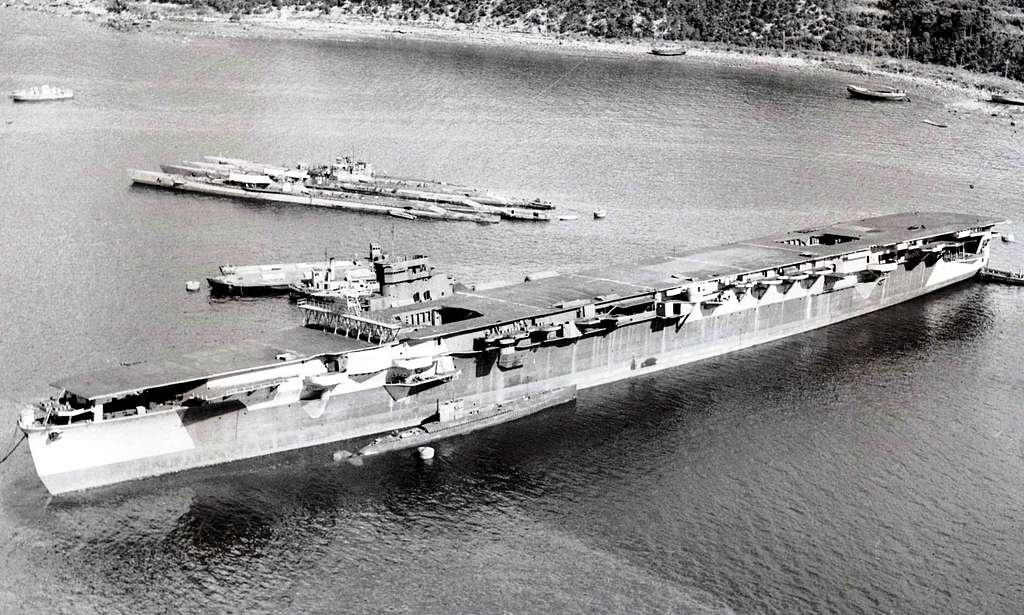
Graf Zeppelin denotes the other variety of failure: not dramatic loss, but strategic and industrial incompletion. Laid down in 1936, it never matured into a combat-ready system repeatedly disrupted by shifting priorities and leadership changes. The result was a carrier that existed more as a program than as a fleet instrument.
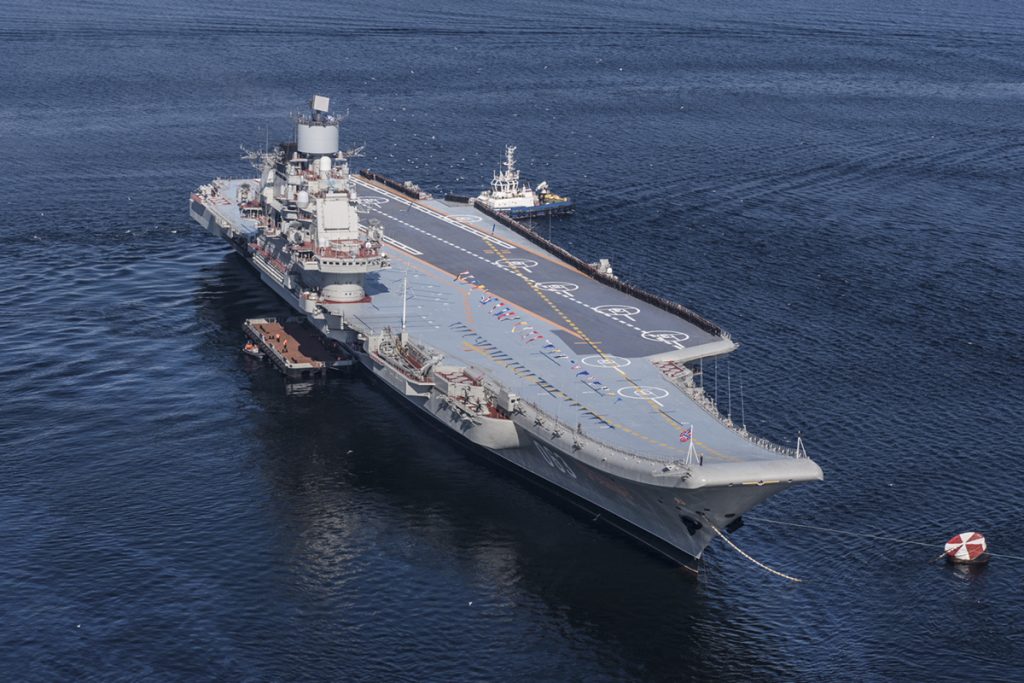
The legacy of the Kuznetsov is simply that carriers are not “single ships” in any meaningful engineering sense. They require a mature aviation pipeline, deck operations doctrine, trained maintainers, escorts, logistics and refit capacity. Without those interlocking parts a hull can be launched, moved, even admired and still never become operationally credible.
4. Admiral Kuznetsov
Russia’s only carrier is exemplary in sustainment drag: Commissioned in 1990, Admiral Kuznetsov has spent large chunks of its life in repair cycles. Highly visible mishaps compound its long-term availability problem. The blunt metric from one account is its average seagoing time of around 15 days a year-an operational tempo to which proficiency is difficult to retain. The support infrastructure has been as consequential as onboard systems: during repairs the 80,000-ton PD-50 dry dock sank, and a crane fall damaged the flight deck-events which together illustrate how much carriers depend on industrial ecosystems as much as propulsion. The later onboard fire during refit underlined the fact that modernization periods can be as hazardous as deployments when hot work, temporary cabling, and open compartments collide.
5. INS Vikramaditya
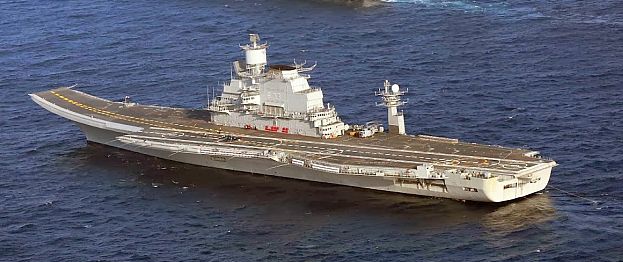
Vikramaditya is a rebuild from the former Soviet-era aircraft carrier Admiral Gorshkov. It has demonstrated the persistence of reliability risk when design lineage and refit history become complex. It has suffered a range of on-board safety incidents, including a fatal maintenance accident associated with a leak of toxic gas in the sewage plant. Fire and other operational disruptions have further contributed to its reputation as a challenging ship to maintain fully ready at all times.
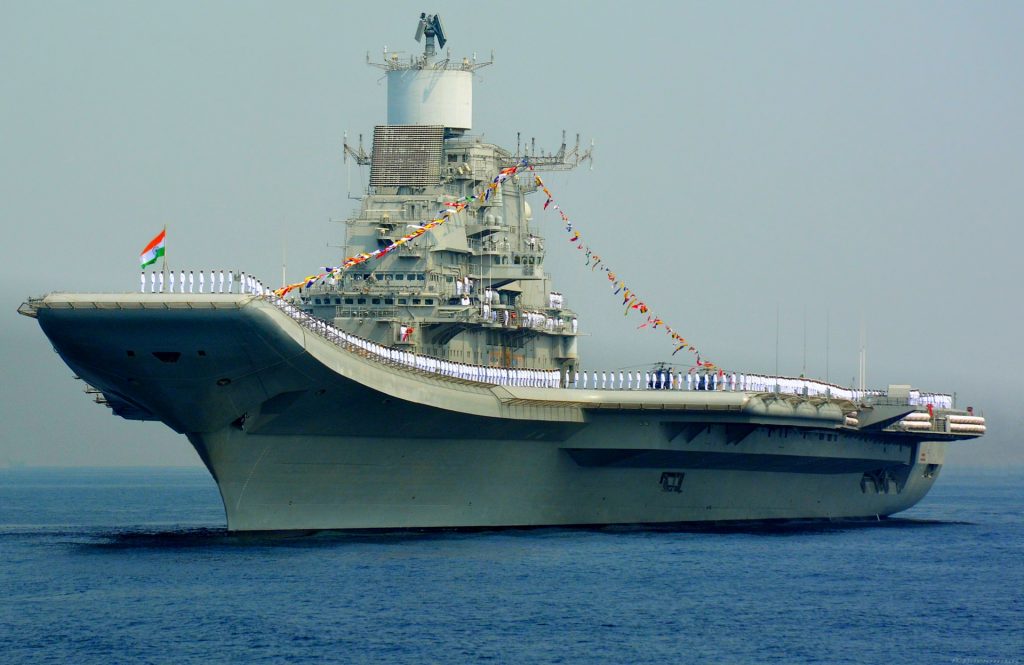
For the engineers, though, the takeaway is less about any one of these mishaps but rather about the cumulative load of conversions: altered spaces, legacy systems, new integrations, and the ever-present need to align procedures with the ship actually delivered, not the ship imagined on paper. That thread common across these five ships is not that carriers are inherently brittle, but rather that carrier success depends upon margins so easily underestimated: test discipline, damage-control culture, mature support infrastructure, and the patient, repetitive work of keeping a floating airfield safe enough to operate every day.


