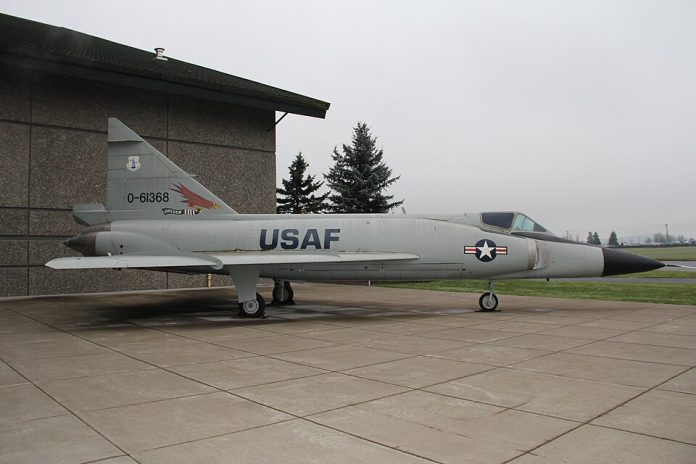

Among the 1000 Convair F-102s manufactured, 259 were destroyed in accidents. That one statistic encapsulates one of the dark realities of Cold War airmanship, which was that performance specifications and deployment imperative often preceded certainty in flight-test by a wide margin.
In both blocs fighter programs had been requested to do too much, too early, and occasionally they had been doing it on a bet over untested engines, untested aerodynamics, or even on a brand-new concept of operation. The fruit of this was not just bad airplanes, but learning curve lessons on how tradeoffs in design, pressures in production and realities in maintenance might come together in high speed collisions.
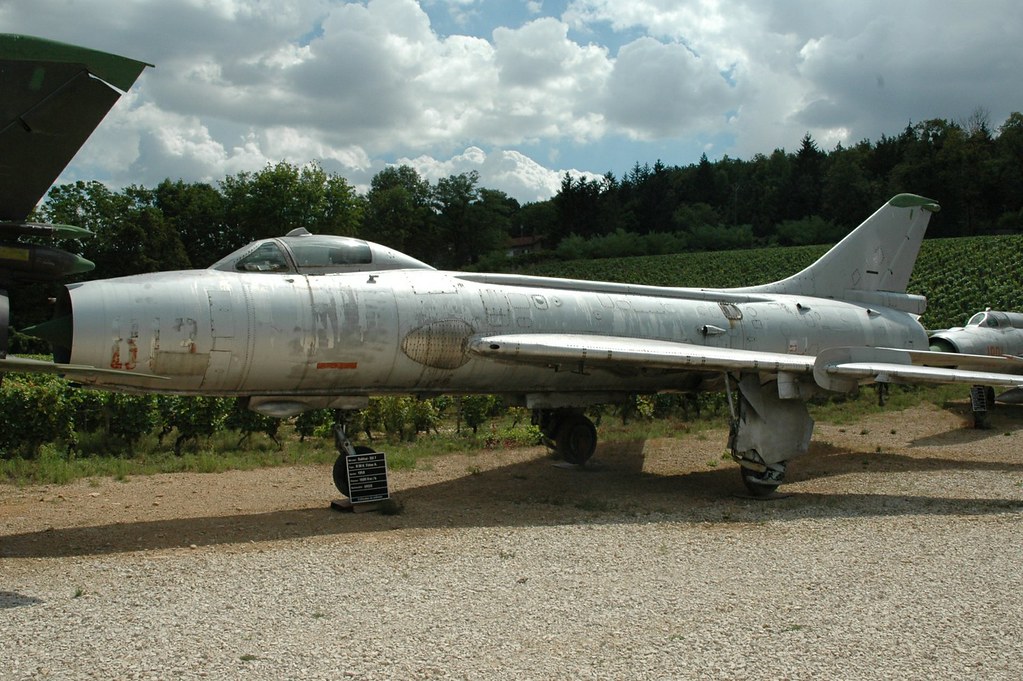
1. Sukhoi Su-7
Invented in the mid-1950s to go with the AL-7F afterburning turbojet, the Su-7 had impressive top-end performance at a huge cost in the low-speed end of the envelope. Its highly swept wing and high landing speeds rendered routine operations ruthless and its range was constantly limited–circumstances which rendered the employment of out-board tanks a matter of necessity rather than choice.
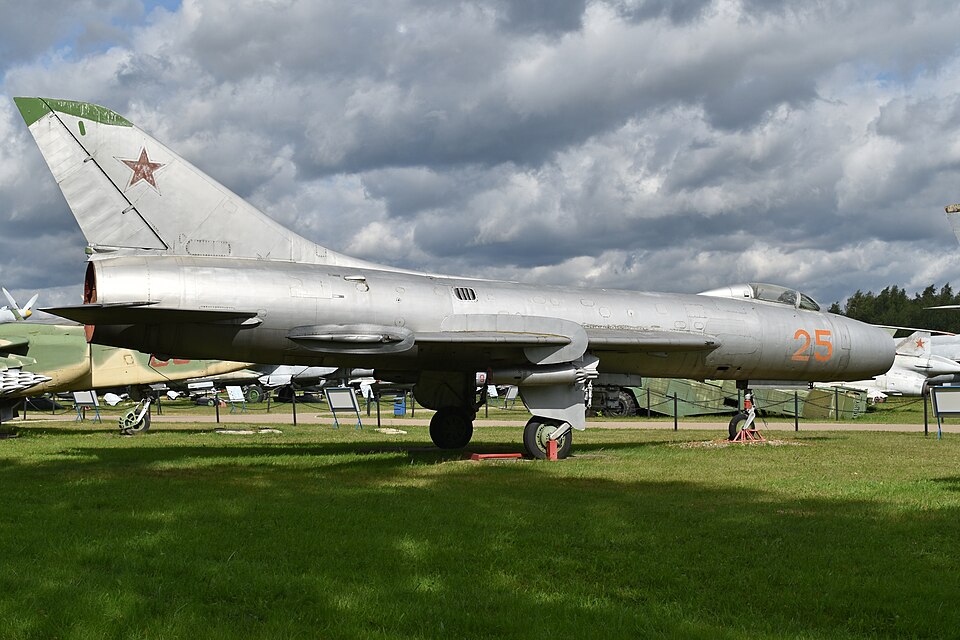
First flight tests also revealed engine problems so serious that they resulted in tragedy; the prototype S-1 in 1957 killed test pilot I.N. Sokolov when an engine failed on a failed dead-stick landing. Nonetheless, the hardiness of the airframe and Soviet habit of making corrections as they were proved needed due to the family of fighter-bombers made it continue to live until its total count of 1,862 aircraft are constructed.
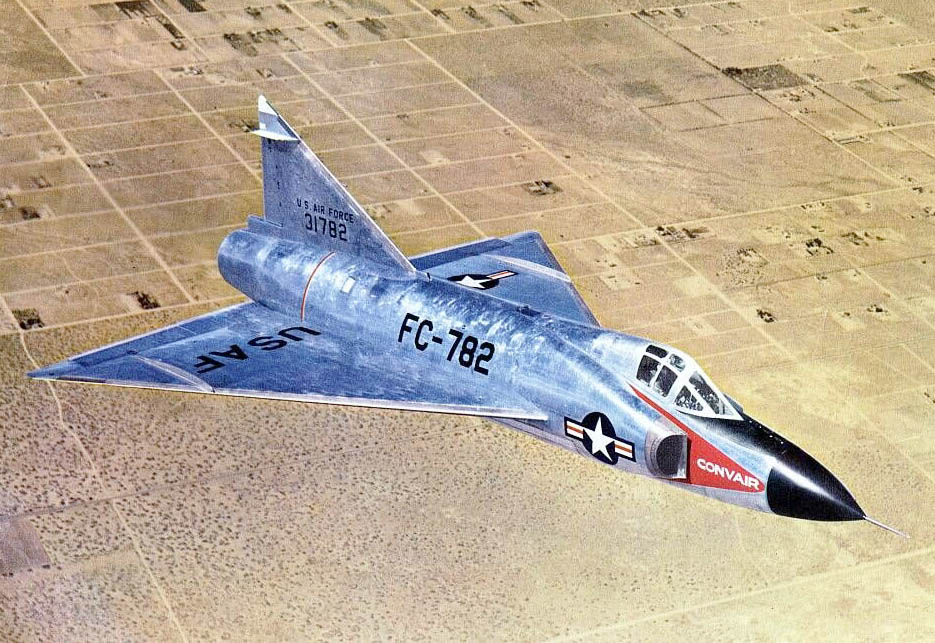
2. Convair F-102 Delta Dagger
The story of the F-102 is the story of transonic reality that had caught up paper performance. Initial prototypes were not able to maintain supersonic level until the fuselage was redesigned about the area rule, to create the typical figure of a coke bottle mid section and up to approximately Mach 1.22. Varying standards of fleet standardization were still experienced after aerodynamic salvation since the various airframes were not upgraded equally with time. There was also an ugly safety cost associated with the interceptor: 259 losses over the production run, 70 of which were pilots killed, that is what made the type a standard for how fast the systems engineering was overtaking operational reliability.
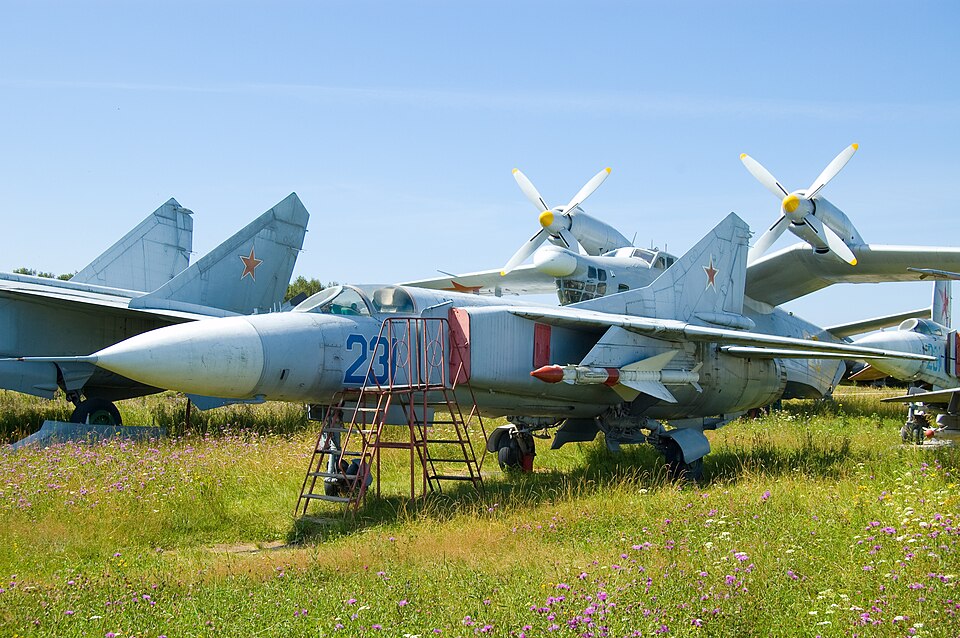
3. Mikoyan-Gurevich MiG-23
Variable-sweep wings were to be a leap ahead of the MiG-21: enhanced runway flexibility, enhanced speed and maneuvering with varied conditions. MiG-23 was known in service as being very hard to handle and having engine problems such as overheating and early malfunctions, which made preparation a challenge.
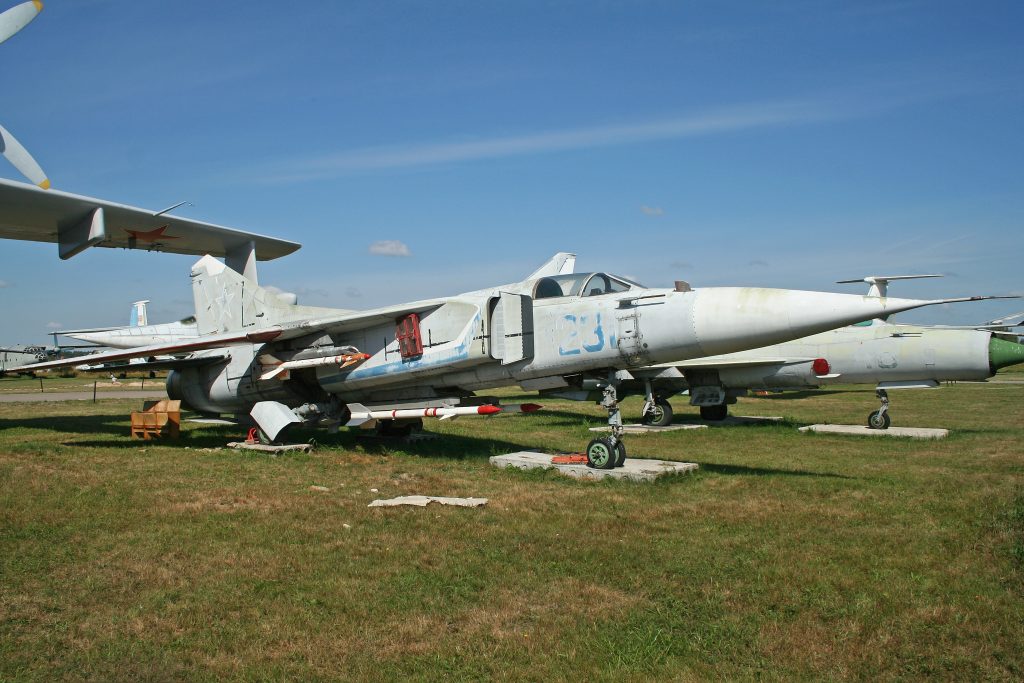
Integration was the key issue, not novelty swing-wing geometry, flight controls and propulsion had to act like one organism and the actual behavior of the aircraft did not always reflect the idea. It was becoming pushed to the background, in the 1980s, as it began to show how more complex could be less reliable when maintainability and pilot man-hours were already a strain.
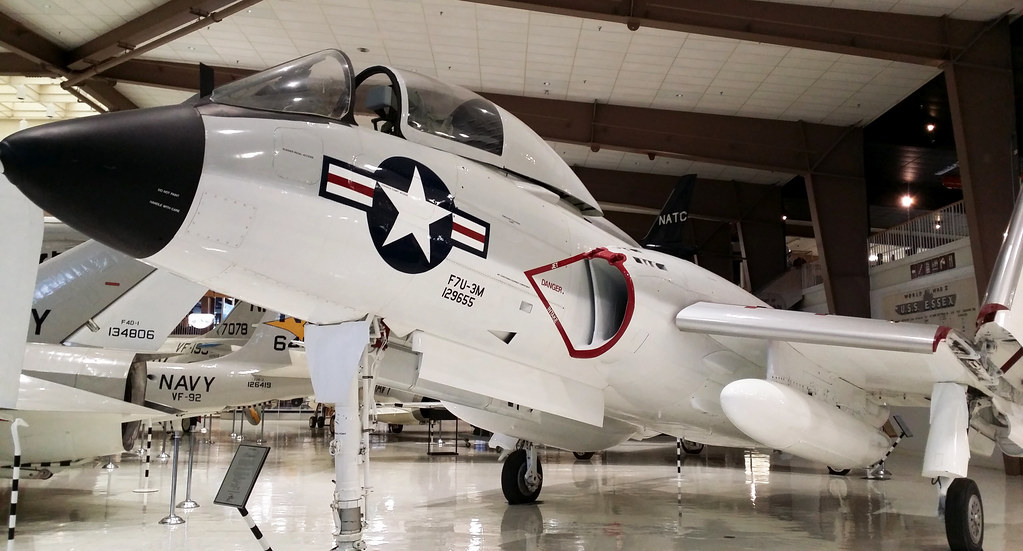
4. Vought F7U Cutlass
Hardly existing naval jets combine bold geometry with carrier-deck brutality as well as this one does. The Cutlass followed the innovation of tailless swept wings, however, it went into service with underpowered engines and a faulty hydraulic control system – two flaws that carrier operations expose ruthlessly.

More than a quarter of all Cutlasses constructed had been wrecked in accidents and accidents of the type had killed four test pilots and 21 U.S. Navy pilots. Its notorious titles, such as Ensign Eliminator, were not folklore as such, but a condensed engineering decision that margins were too small to support normal deck life.
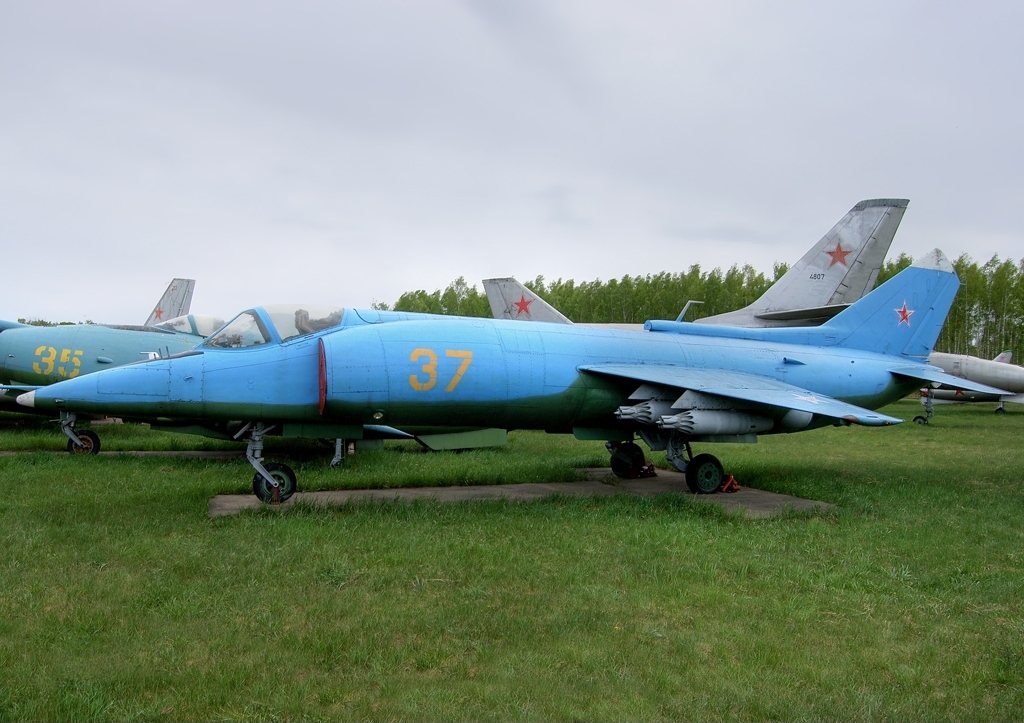
5. Yakovlev Yak-38
The multi-engine VTOL layout of the Yak-38 showed that vertical flight could easily correct every fault in propulsion, control and maintenance simultaneously. Its design gave it a primary vectored-thrust propeller plus two specific liftjets, a design that burnt fuel at an alarming rate during vertical operations and left very little room in terms of range or cargo; published data gave a combat radius of about 100 kilometers. This made reliability the new operational limitation: the lift engines were said to have a service life of approximately 22 hours, and the subsequent loss of the type in accidents was approximately a third of the service life. The program even provided some kind of institutional value carrier aviation experience and VTOL lessons, but the airplane itself was an object lesson of how ambitious operating concepts require equally mature support ecosystems.
These planes have nothing in common other than nationality or purpose, but yet another mismatch between aspiration and integration: aerodynamics that required more runway than doctrine supposed, engines not suited to fleet speed, or new flight conditions that amplified failure modes. These designs were to become reminders in the compressed timeframes of the Cold war that breakthrough capability is not usually a single invention- it is the gradual integration of airframe, propulsion, controls and maintenance reality into one coherent machine.


