Aircraft carriers earn their reputations in the margins: how machinery behaves at sustained power, how fuel vapors move through a sealed volume, how quickly crews can restore electricity, ventilation, and watertight integrity. When those margins are misread, a “floating airbase” becomes an engineering and organizational stress test with little tolerance for error.
The cases below are frequently cited as cautionary examples because their problems were structural, procedural, or institutional rather than simply unlucky. Each shows how an aircraft carrier can be impressive in displacement and ambition, yet fragile in execution.
1. IJN Shinano
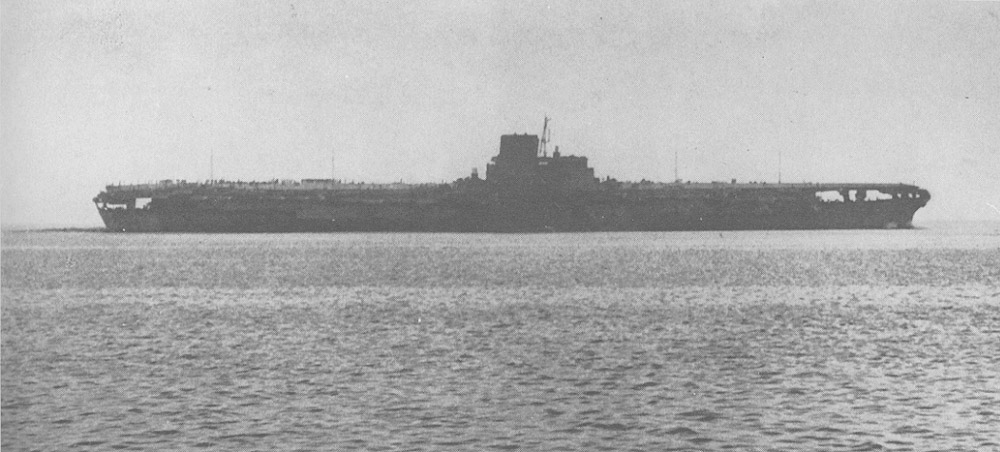
Shinano’s story is often treated as a parable about scale: a roughly 70,000-ton hull converted from a battleship lineage into a carrier concept that never settled into a mature, practiced routine. The ship’s construction pace, internal completion status, and crew readiness became inseparable from survivability, especially in the mundane details watertight boundaries, compartment testing, and how quickly damage can cascade through unfinished or unproven spaces. Accounts describe concerns that standard pressure testing for compartments was skipped, leaving crews to discover weaknesses after flooding began rather than before sailing.
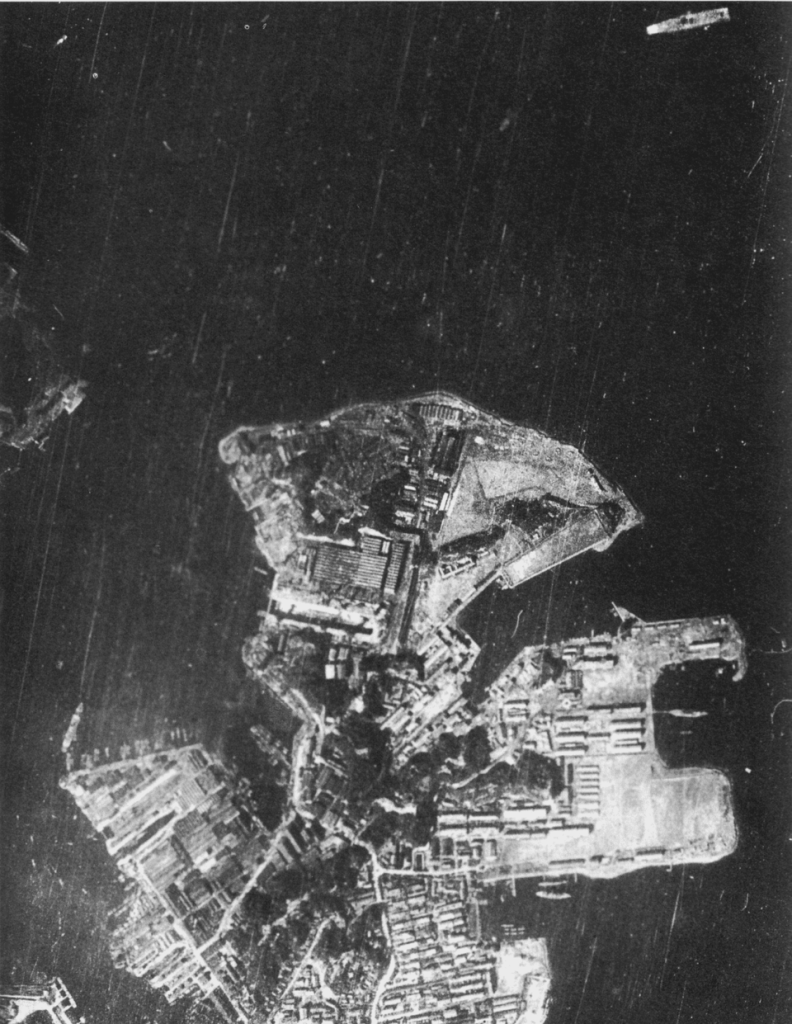
In a carrier, this is not a minor oversight; it is a system-level risk because aircraft operations require large contiguous volumes, penetrations, and access routes that are difficult to isolate under stress. Shinano is also remembered because it demonstrated how “mass” alone does not buy time. Once progressive flooding overwhelms pumps and boundaries, a large hull can become a larger problem: more volume to manage, more pathways for water migration, and more internal confusion if the ship’s layout and procedures are not drilled to reflex level.
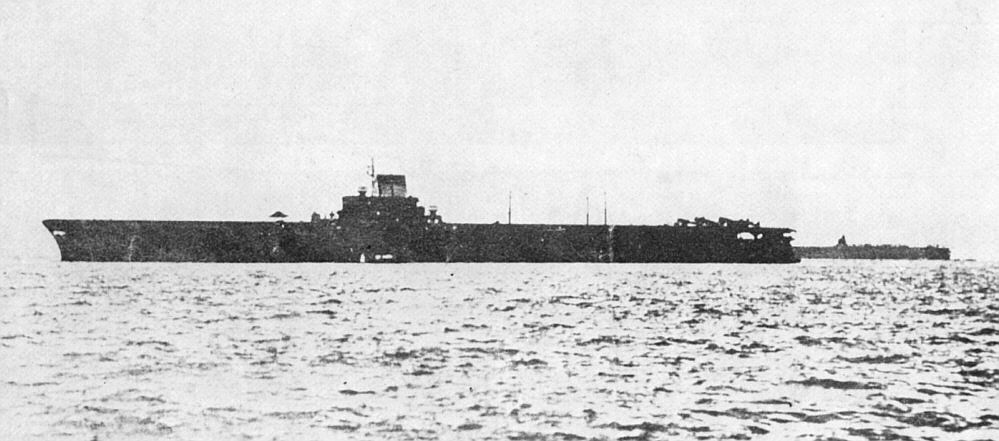
2. IJN Taihō
Taihō represented Japan’s effort to build a more survivable front-line carrier, incorporating an armored flight-deck concept and enclosed hangars choices that demanded disciplined ventilation and fuel management. The design details mattered: fuel storage arrangements, lift wells, and airflow paths became central to how the ship handled volatile aviation gasoline vapor. In the technical record, Taihō’s hangars were enclosed but not “vapour-tight” in the way later safety practice would demand, while blast-venting features did not reliably behave as intended under extreme internal pressure.
The more enduring lesson was procedural. After a torpedo hit near aviation fuel spaces, a damage-control decision to run ventilation aggressively and open up the ship’s interior helped distribute fuel-air mixture rather than contain it. The carrier’s protective features then became a trap: enclosed volumes held vapor, and a spark became a ship-wide event. Modern carrier survivability literature emphasizes that trained, compartmentalized damage control can be decisive an idea captured in the U.S. Navy’s long view that damage control repair parties function as the ship’s first responders.
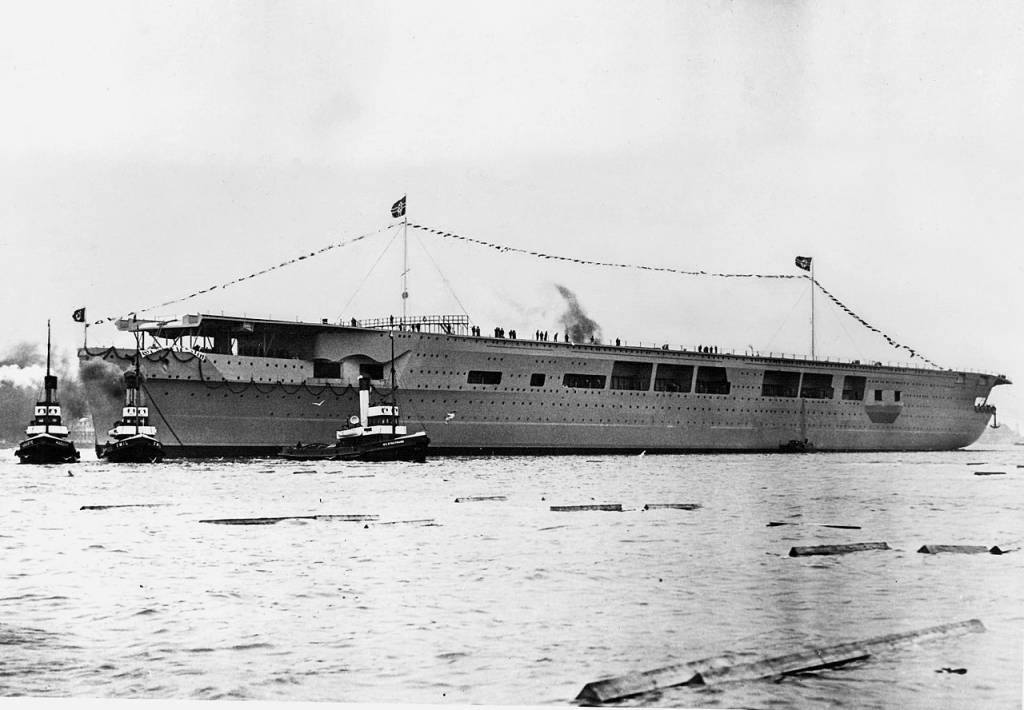
3. Graf Zeppelin
Germany’s Graf Zeppelin is remembered less for what went wrong at sea than for what never stabilized on land: requirements churn, shifting priorities, and an incomplete integration of aviation into naval doctrine. A carrier is not a “big cruiser with aircraft.” It is a networked system aircraft handling, deck cycle, fuel and ordnance flow, arresting and launch equipment, pilot training pipelines, maintenance doctrine, and a command culture built around flight operations. Without that ecosystem, the hull becomes a stranded investment, vulnerable to changing leadership and strategy.
Graf Zeppelin illustrates a recurring engineering-management reality: the hardest part of a carrier is not laying the keel, but aligning the many interacting subsystems and sustaining that alignment through years of policy and industrial disruption.
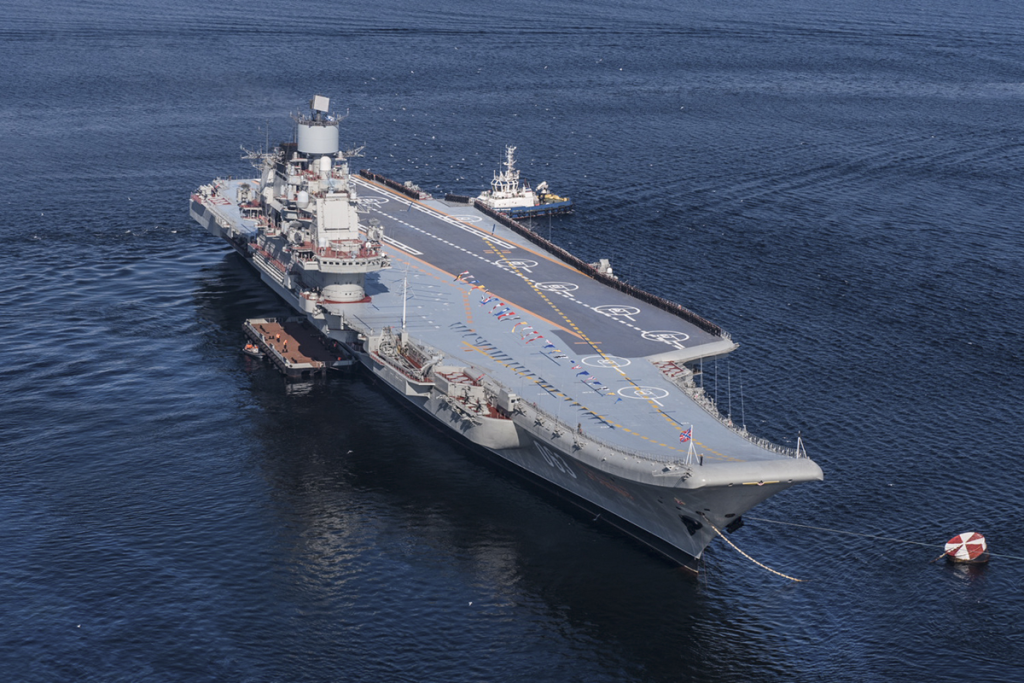
4. Admiral Kuznetsov
Russia’s Admiral Kuznetsov has become a modern symbol of carrier complexity under constrained maintenance realities. The ship’s record includes a refit-era fire associated with hot work, the loss of a major floating dry dock that damaged the carrier, and repeated challenges sustaining reliable operations. In one widely circulated account of the refit, a blaze during welding was tied to a spark falling into a space where fuel was handled, a reminder that shipyard safety is inseparable from fleet readiness.
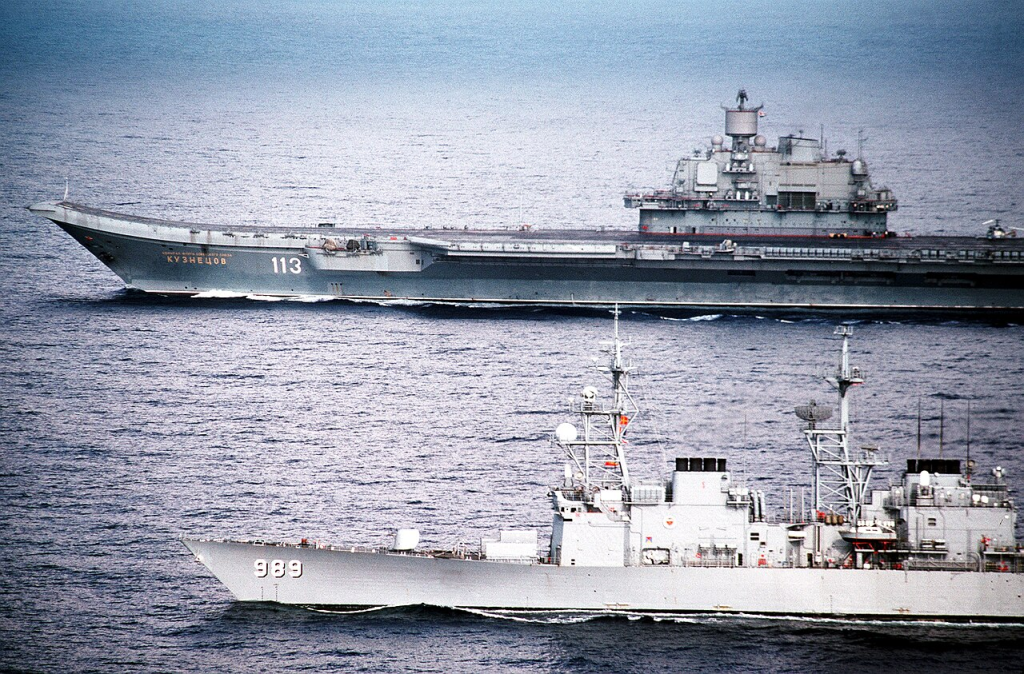
Kuznetsov also underscores the operational burden of conventional propulsion and legacy plant design choices. Even where nuclear and conventional steam plants share core mechanical constraints gears, shafts, bearings, and thermal limits conventional logistics and repair pathways can dominate a ship’s availability profile over decades.
5. INS Vikramaditya
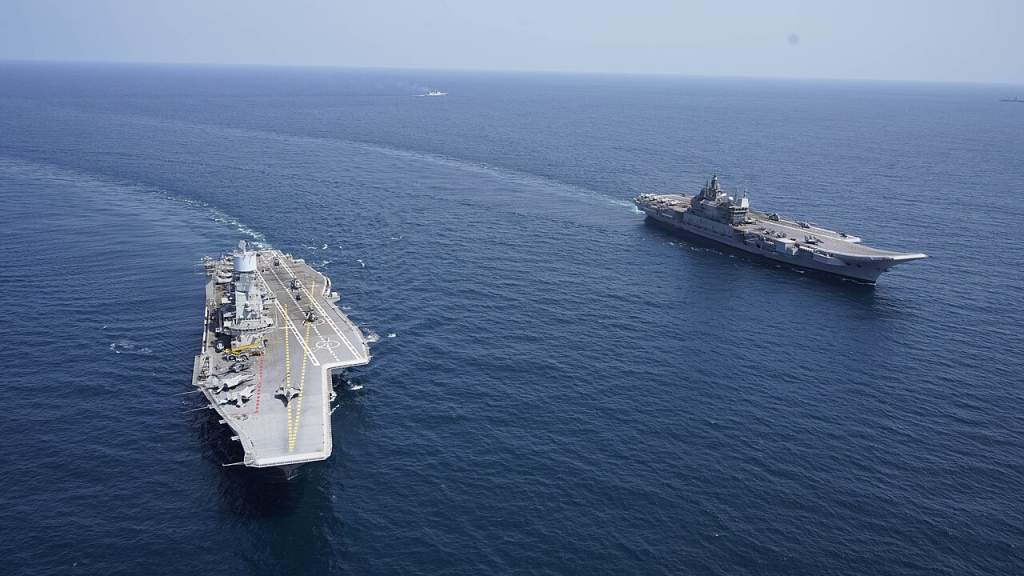
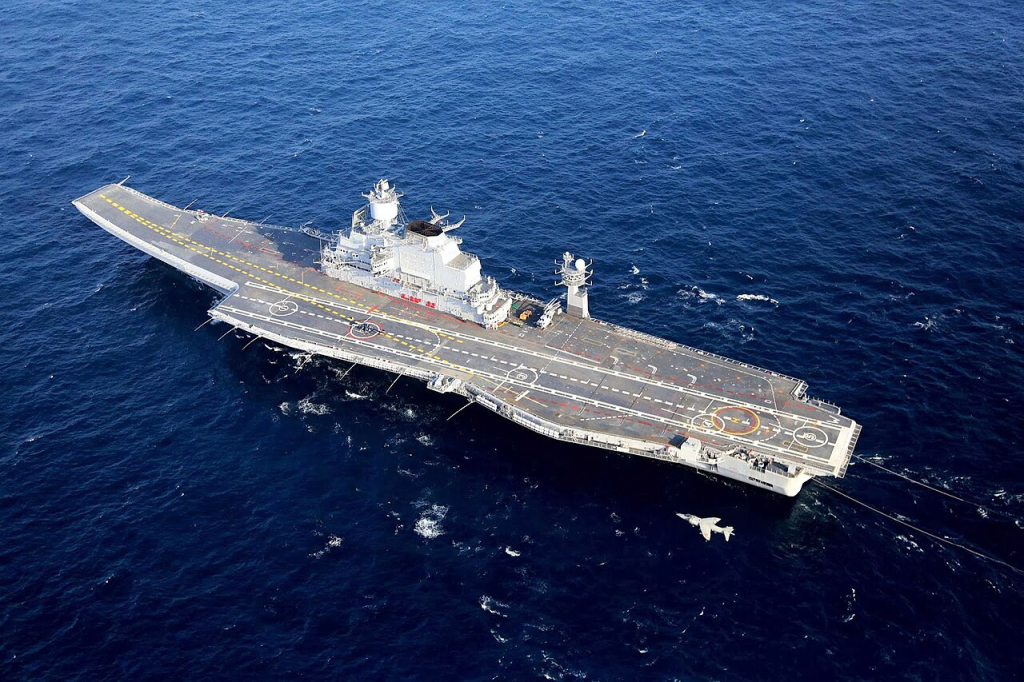
India’s INS Vikramaditya highlights the long tail of converting and operating an older Soviet-built platform within a modern safety and readiness culture. The ship has faced multiple incidents during its service life, including a maintenance-period accident in which a toxic gas leak in the sewage plant was reported to have caused fatalities. Carriers concentrate personnel, machinery, and hazardous systems into dense vertical stacks; when industrial safety processes fail, the ship can incur operational setbacks even without combat damage.
The broader engineering takeaway is that a carrier refit is not just a mechanical refresh. It is a systems-safety campaign spanning ventilation, sensors, firefighting doctrine, compartment certification, and shipyard governance areas where legacy design decisions can impose recurring constraints.
Across these examples, the common thread is not “bad ships,” but brittle seams between design intent and operational reality: ventilation choices that move danger instead of isolating it, incomplete integration of aviation into naval practice, maintenance regimes that cannot keep pace with complexity, and conversion compromises that resurface as reliability and safety incidents. Carrier survivability is often discussed in terms of armor and size, but the deeper determinant is system discipline how crews, procedures, compartmentation, and shipyard practices perform when the margin disappears.


