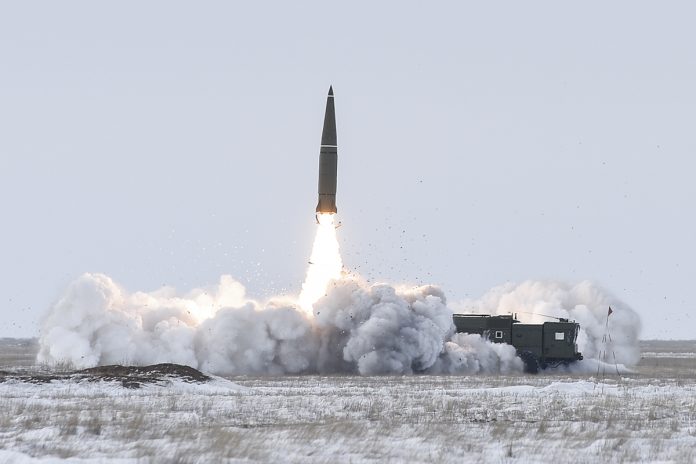
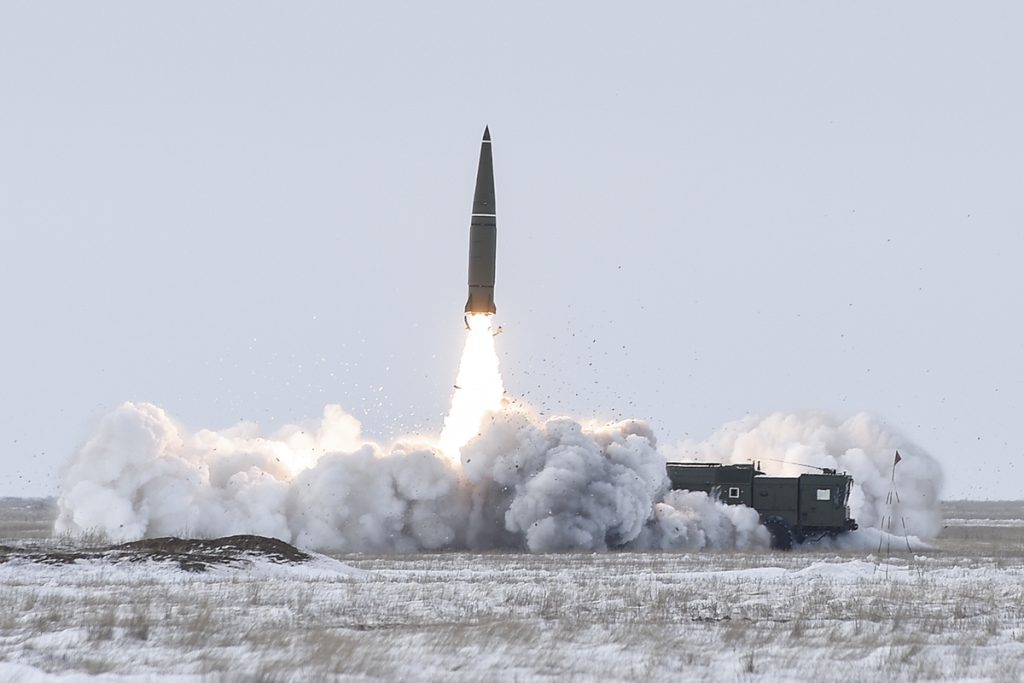
A missile built to carry nuclear warheads does not need a nuclear payload to change the engineering conversation. Russia’s use of the Oreshnik in strikes on Ukraine has pulled medium-range ballistic missiles systems many publics associate with Cold War history back into a present-day debate about interception, infrastructure resilience, and warning time.
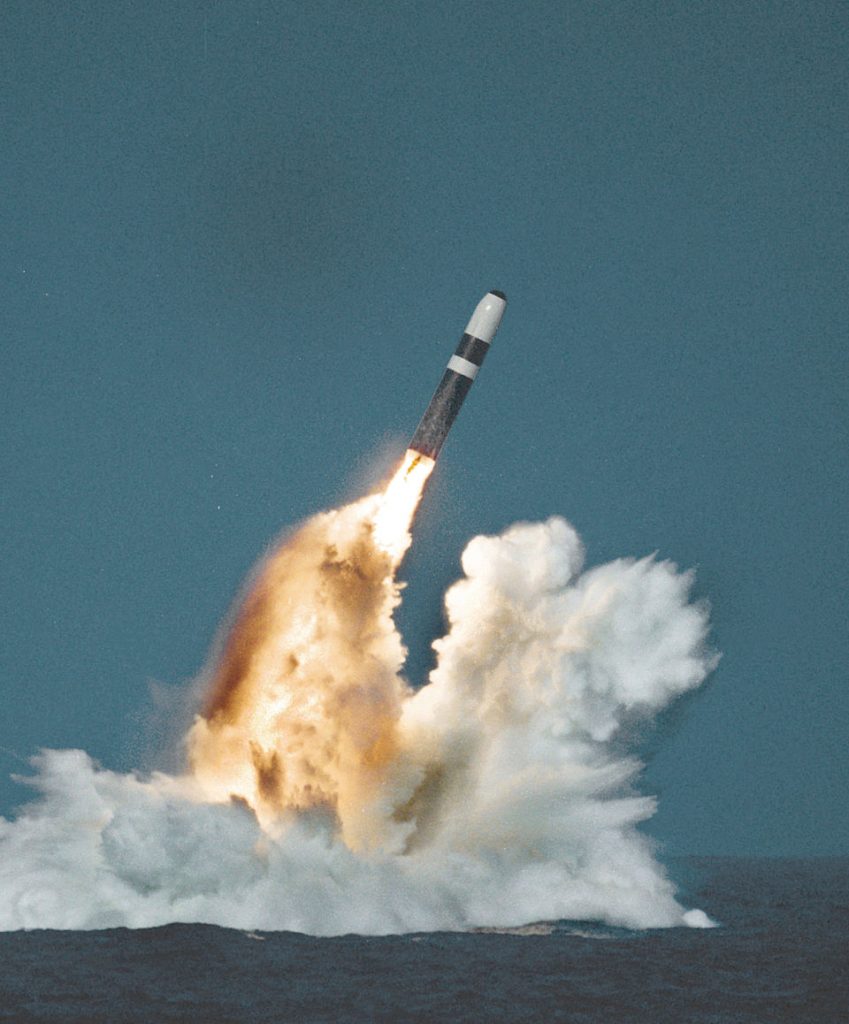
Ukraine’s air force described a medium-range ballistic launch from Russia’s Kapustin Yar test site, with an air target moving at about 13,000 kilometers per hour on a ballistic trajectory. Ukrainian investigators said recovered debris included a stabilization and guidance unit and engine components, pointing to the practical reality of modern forensics: even a small field of fragments can reveal a great deal about a weapon’s architecture.
1. Nuclear-capable signaling without a nuclear payload
The Oreshnik is described as nuclear-capable, even when used with conventional warheads, and that dual-use attribute drives much of its strategic weight. A launch that looks like a theater-range nuclear delivery system forces rapid interpretation, especially when the same class of missile is designed for a fundamentally different escalation pathway. The main engineering point is not politics; it is ambiguity. In systems terms, ambiguous payload capability increases the burden on early warning, classification, and decision support.
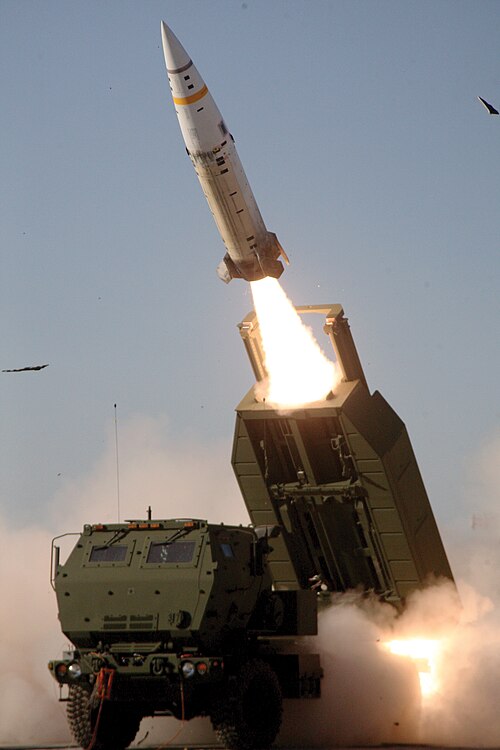
2. A ballistic profile that compresses response time
Ukraine’s reporting of an air target moving around 13,000 kph underscores what ballistic missiles do to timelines. High speed and a steep rise-and-fall trajectory reduce the practical window for detection, tracking, decision-making, and engagement. In addition to pure velocity, the engagement problem is geometry: a ballistic arc can place the intercept solution in a narrower band of time and space than slower cruise threats. That dynamic is central to why medium- and intermediate-range missiles remain hard problems even for advanced air defenses.
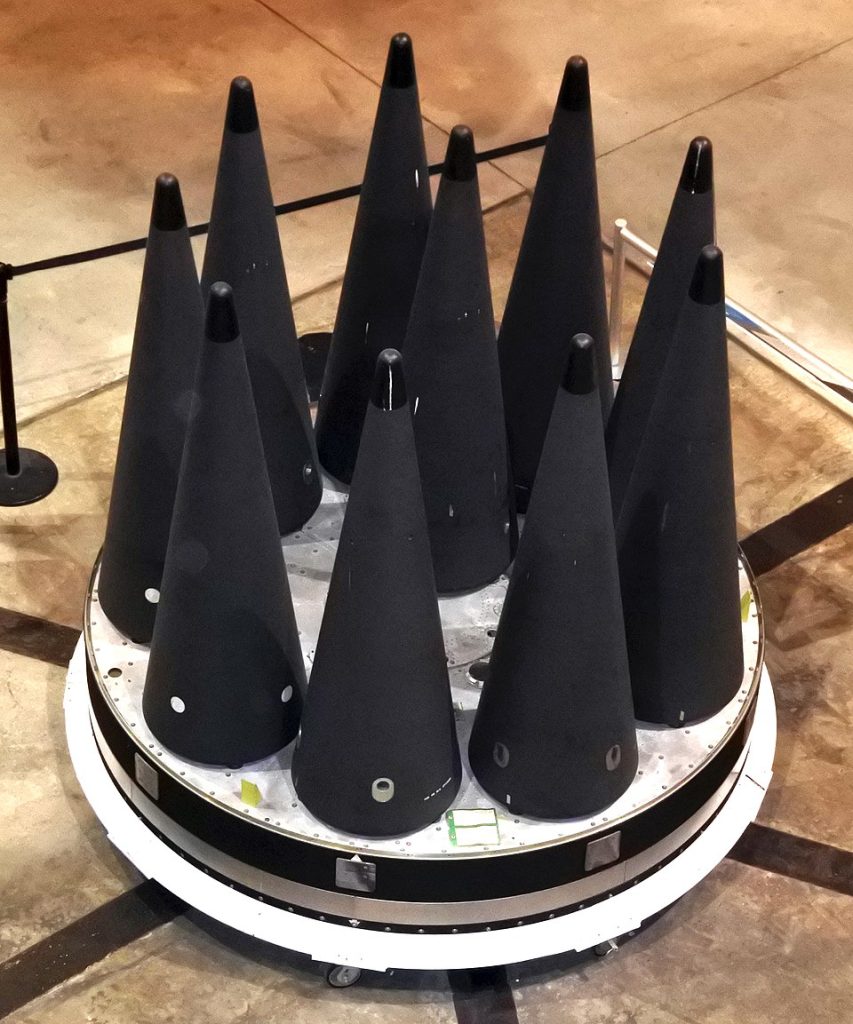
3. Multiple warheads and the “one missile, many problems” effect
A distinguishing feature attributed to Oreshnik is the ability to release multiple reentry vehicles, multiplying the number of objects a defender must track and potentially engage. One missile can therefore create a distributed threat set, stressing radar capacity, interceptor inventories, and command-and-control bandwidth. The most technically consequential detail is allocation: defense systems must decide which objects are real threats and which may be decoys, then commit scarce interceptors under uncertainty.
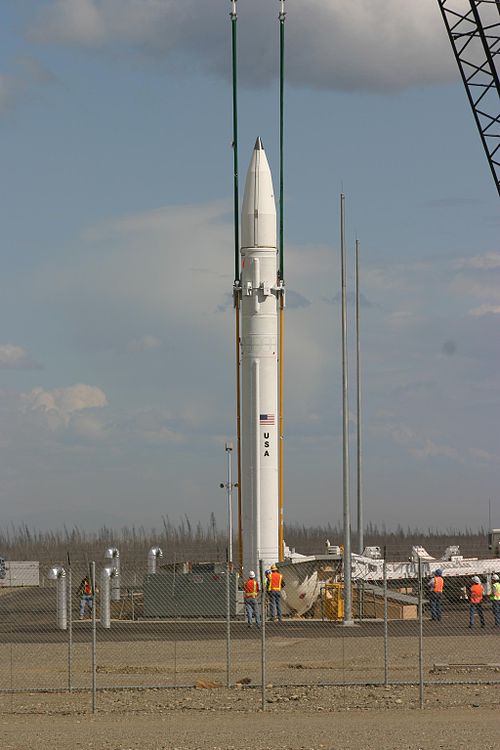
4. Why interception claims matter more than publicity
Russian messaging has portrayed the system as effectively unstoppable, while outside assessments focus on the challenges rather than absolutes. From an engineering perspective, “can it be intercepted?” is not binary; it depends on sensor coverage, interceptor kinematics, engagement doctrine, and the number of inbound objects. The reported speed, trajectory, and potential multi-warhead deployment combine into a layered problem that is different from countering drones or low-flying cruise missiles. Even partial interception can still leave damaging leakers, which shifts attention toward redundancy and graceful degradation in critical services.
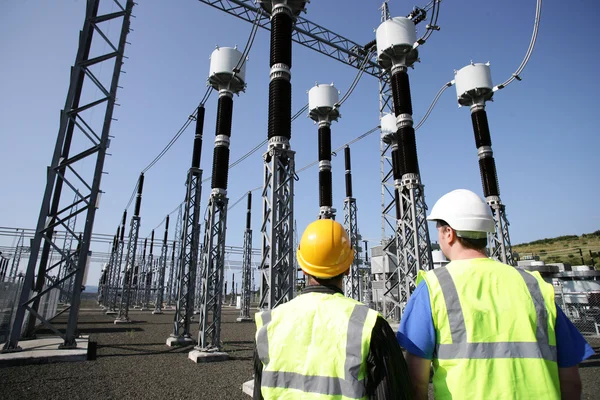
5. Energy infrastructure becomes the real testbed
Large combined salvos Ukraine reported 242 drones and 36 missiles in one overnight assault highlight a systems-of-systems challenge. Power grids, district heating, and water pumping rely on interconnected nodes, and attacks that disrupt electricity can cascade into heat loss and water pressure failures. Separate reporting noted power restoration to nearly 700,000 households after strikes, illustrating both the scale of disruption and the operational reality that grid recovery is as much about logistics and spares as it is about generation capacity. In winter conditions, the engineering problem becomes time-critical: every hour without power raises secondary failures across buildings and services.
6. Forensics turns debris into design intelligence
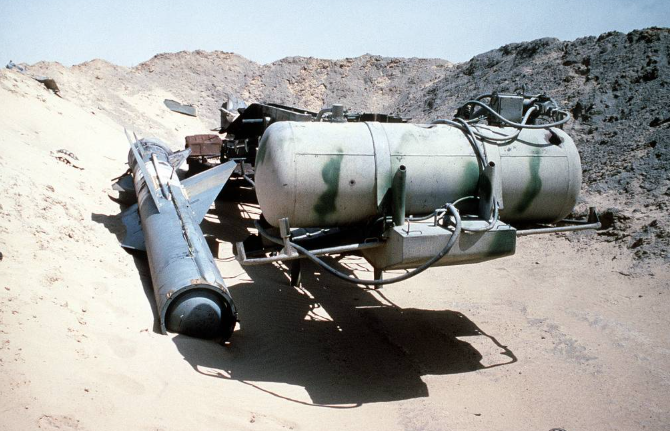
Ukraine’s security service said investigators recovered parts including the guidance unit described as the missile’s “brain” plus engine and orientation components. That recovery work matters because it converts a strike into an information event: metallurgy, fasteners, wiring approaches, and component layout can reveal manufacturing practices and design lineage. Reporting described recovery of the stabilization and guidance unit, a reminder that modern conflict analysis often proceeds from what can be held in a gloved hand.

7. The INF vacuum returns as an engineering and basing problem
Medium and intermediate-range missiles sit in a category once constrained by arms control. With the Intermediate-Range Nuclear Forces framework gone, deployment geography regains importance: basing sites, flight distances, and warning time become design inputs for both offense and defense. Reference material described ongoing dispute dynamics around renewing the treaty space intended to ban IRBMs, pointing to the long-term outcome: more states investing in theater-range systems and the sensors and interceptors that chase them.
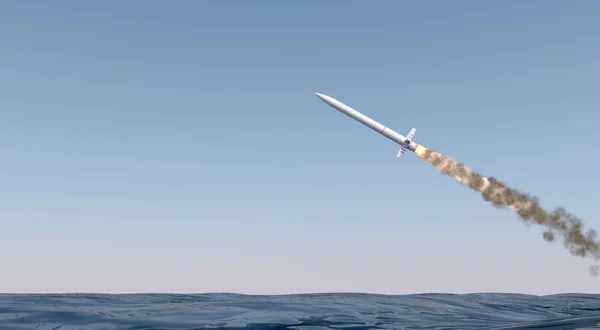
The immediate lesson of Oreshnik is not novelty. It is that older categories ballistic missiles with nuclear-capable design intent remain capable of reshaping requirements for air defense integration, grid hardening, and rapid repair.
For engineers and planners, the headline capability is speed and payload ambiguity; the lived consequence is whether cities can keep heat, water, and communications functioning when warning time is measured in minutes.


