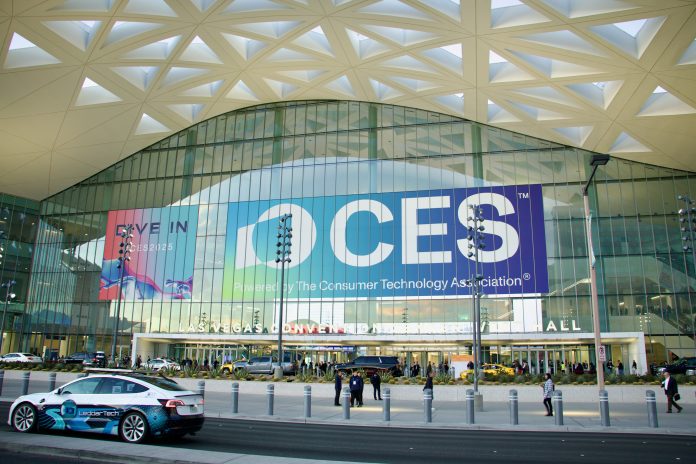
CES has always been a stage for prototypes and practical tools dressed up as spectacle. In 2026, the weirdness feels less like novelty for novelty’s sake and more like a preview of where sensors, AI, and materials are heading when they’re pushed into everyday objects.
The show floor’s strangest demos also share a common engineering theme: shifting interfaces. Cameras migrate from phones to flashlights and kids’ necklaces. Light replaces heat in beauty tools. Earbuds turn into input devices, not just audio accessories.
1. A kid’s “AI cube” that sees the world
Luka AI’s Cube is an AI-enabled box with a camera designed for kids to wear on a lanyard while exploring outdoors. The pitch is contextual learning: a child asks what something is, and the device answers based on what the camera sees, then generates animations from images turning drawings and recognizable artwork into moving scenes. The design pulls AI out of screens and into a roving viewpoint, which is exactly where privacy and data governance get complicated fastest. Luka AI says the device meets GDPR standards and includes parental controls and age filtering.
2. Hair styling that swaps scorching plates for infrared physics
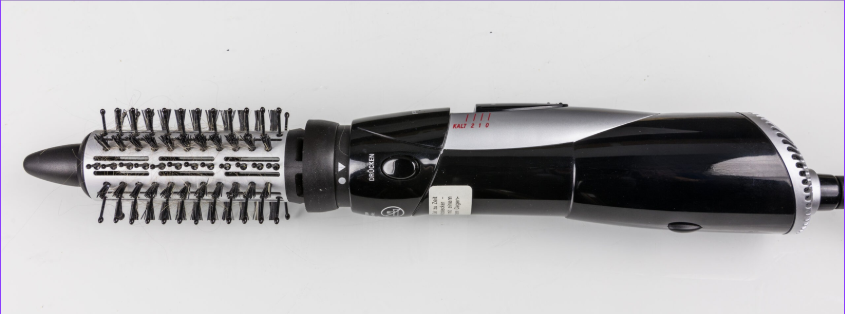
L’Oréal’s Light Straight + Multi-styler aims to curl and straighten while staying below 320°F, using near-infrared light to reshape internal hydrogen bonds in hair. That temperature ceiling matters because heat and chemicals can turn routine grooming into indoor air pollution; Purdue engineers found a single 10–20 minute heat-based routine could deposit more than 10 billion nanoparticles into the respiratory system under typical conditions. CES demos can’t validate health outcomes, but the engineering direction less heat, more targeted energy lines up with what indoor air research has been warning about for years.
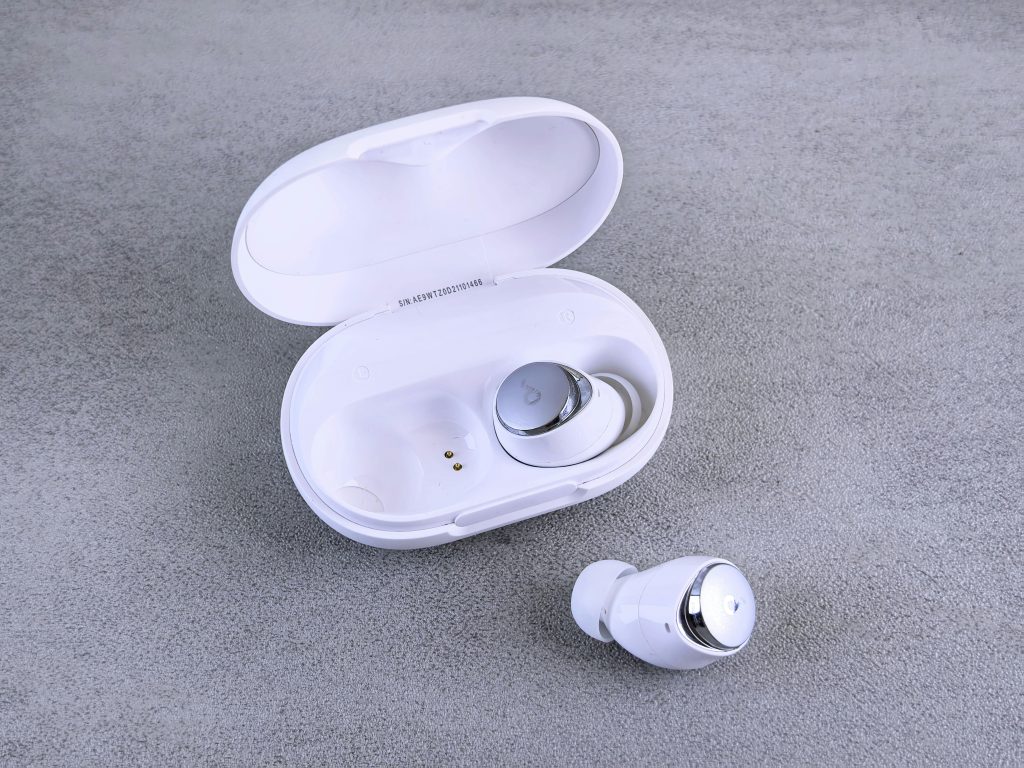
3. The whisper-to-text earbuds that treat noise like a solvable problem
Subtle Computing’s Voicebuds drew attention with a demo that looked like a magic trick: whispered speech in a loud expo hall still produced clean dictation on a phone. The core idea is not voice assistants; it’s control surfaces. If speech can be captured without broadcasting it to everyone nearby, voice becomes a private input channel again useful for accessibility, field work, and any environment where hands and eyes are busy.
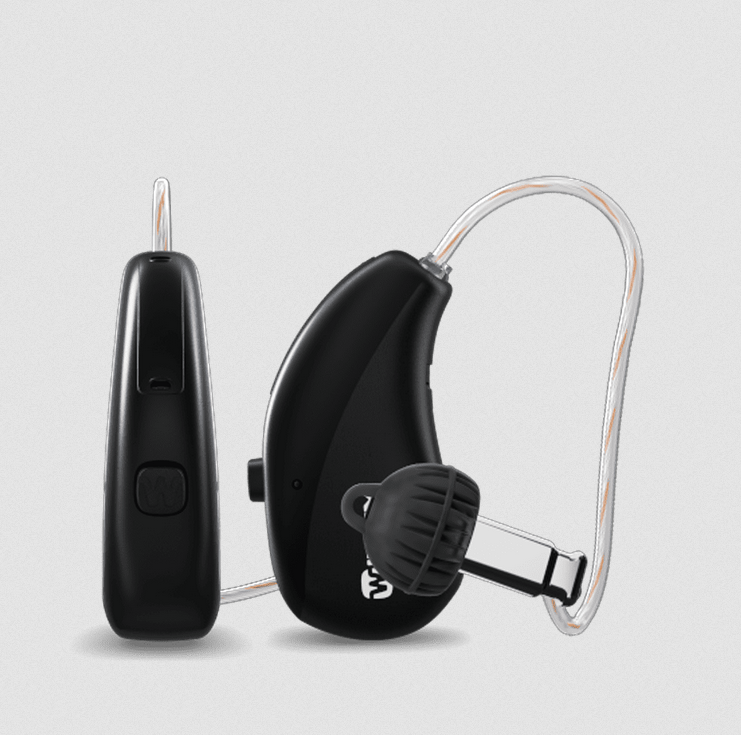
4. Open earbuds that “soften” the world instead of canceling it
Open earbuds have a structural limitation: without sealing the ear canal, true active noise cancellation is hard. Shokz approached the problem by branding the effect as “noise reduction,” using a triple-mic array and adaptive processing to dull background sound rather than erase it. That reframing is the point designing for awareness while still lowering fatigue especially as open-ear designs keep growing as a category.
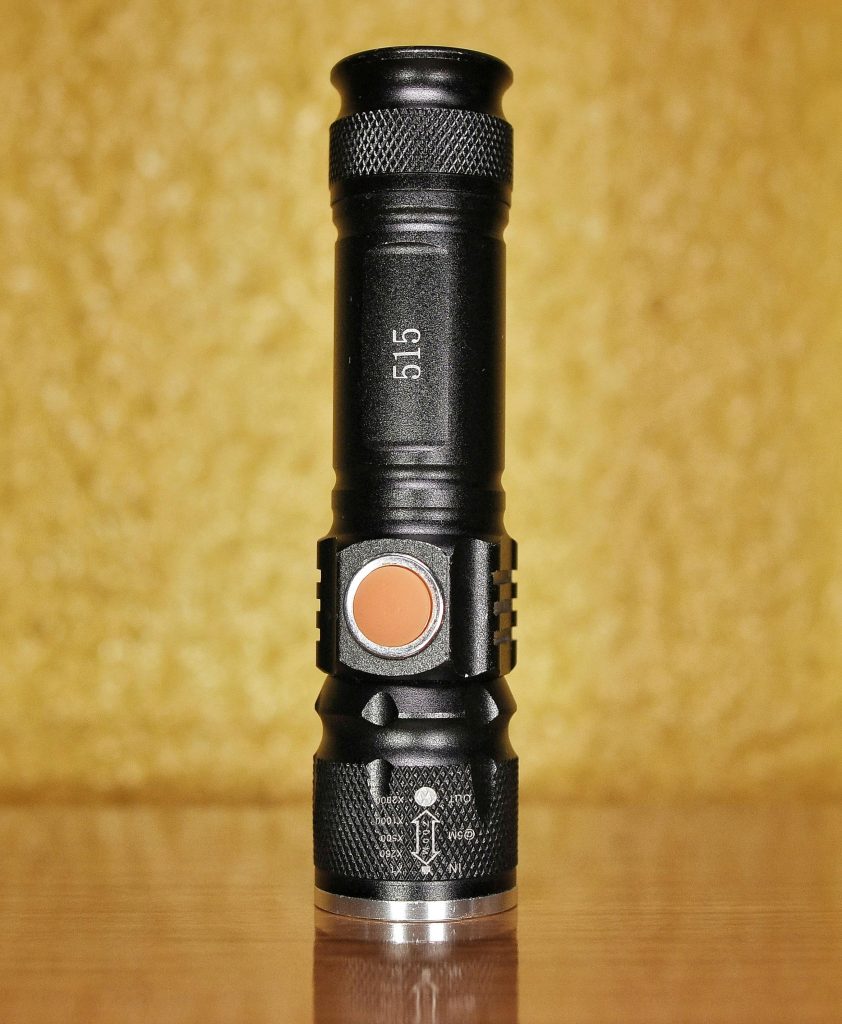
5. A flashlight that doubles as a live video safety tool
Timeli takes the common personal safety keychain concept and makes it intentionally visible: a flashlight with a camera in the center and an emergency button that triggers a loud alarm and connects to a dispatcher via RapidSOS. The underlying bet is that real-time video changes decision-making and response quality. RapidSOS has also pushed the idea into the phone itself, announcing Emergency Live Video on Android that lets callers share live camera footage when requested by a telecommunicator.
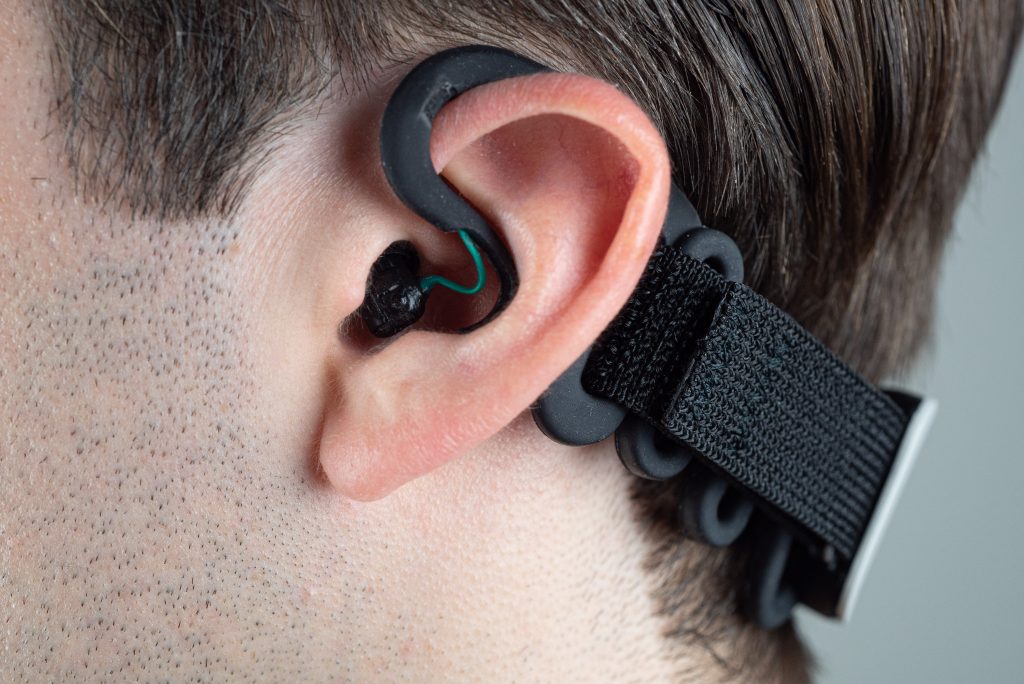
6. Earbuds that turn EEG into something wearable outside a lab
Naox Technologies brought two different futures to the same booth. Its wired Naox Link earbuds received FDA 510(k) clearance for clinical use, positioning in-ear EEG as a way to collect longer-duration brain activity data outside traditional setups.
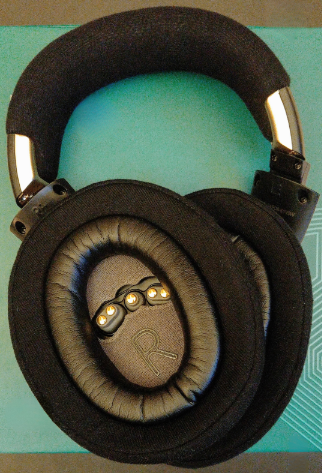
In parallel, the company showed Naox Wave as a consumer wellness platform not FDA-cleared and not intended for medical use aimed at translating brain signals into app-level summaries of focus, relaxation, and sleep-related patterns. Naox’s framing matches a broader wearable arc: “As EEG moves into earbuds, it will do for the brain what heart sensors did for wearables a decade ago,” said Mathieu Letombe in a Naox statement.
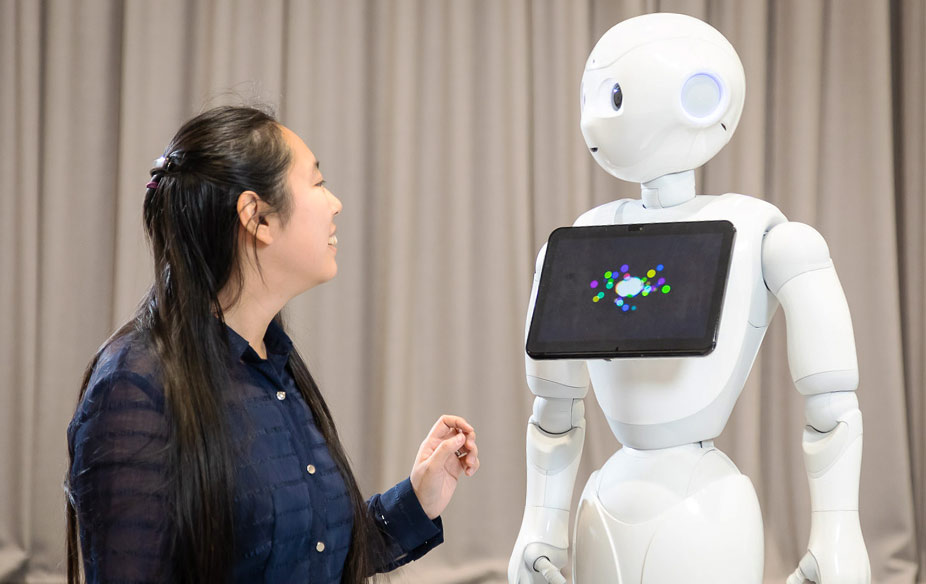
7. Humanoid robots that are finally being engineered for people nearby
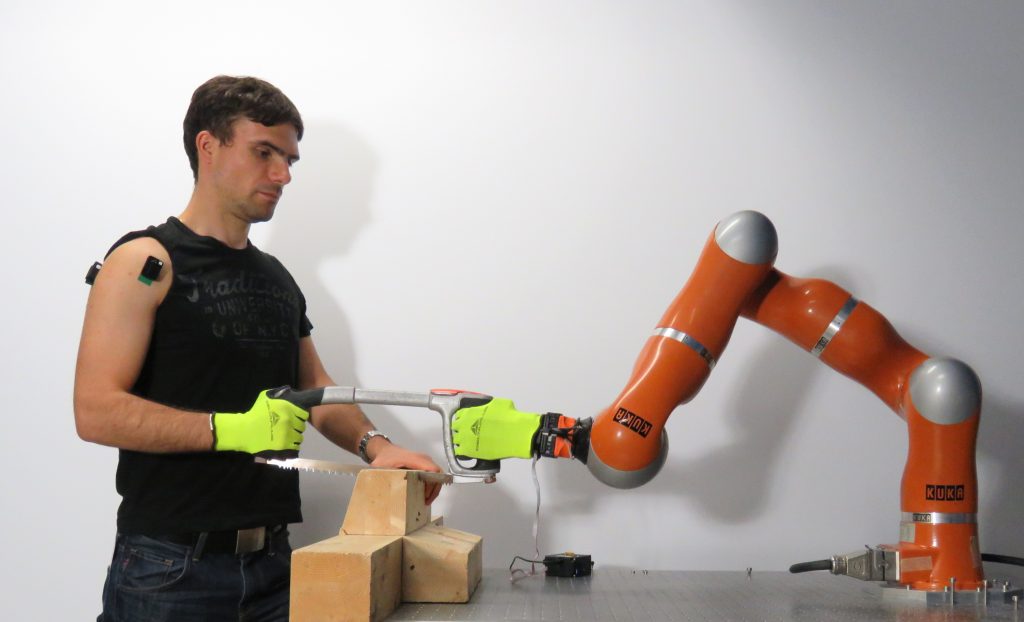
Humanoids were everywhere at CES, from showy dance routines to serious factory ambitions. The most consequential thread was the push from athletic stunts toward safe, natural interaction. Boston Dynamics and Google DeepMind described work to integrate Gemini Robotics foundation models with the new Atlas platform, with an emphasis on robots that learn, generalize, and behave predictably around humans. “They have to be able to interact with people naturally,” Boston Dynamics’ Alberto Rodriguez said during CES remarks.
CES weirdness rarely predicts the exact products people will live with. It does, however, reveal which constraints engineers are trying to break: heat without damage, audio without isolation, cameras without friction, robots without scripted behavior. The strangest devices at CES 2026 read less like gimmicks and more like interface experiments testing how much computation can disappear into objects without making the surrounding questions disappear with it.


