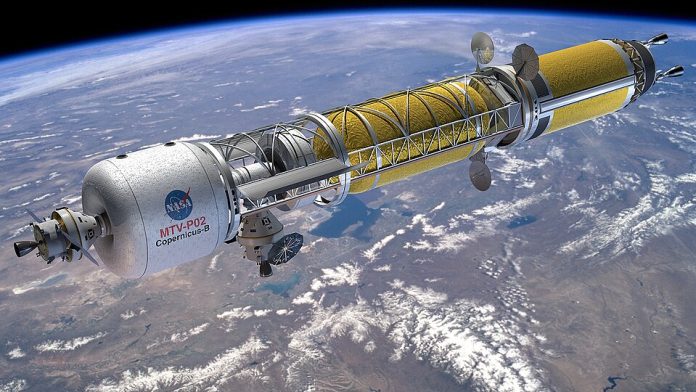
Artesmia II, the interaction will host four astronauts on a trip around the Moon and back estimated to take approximately 10 days, more than half a century following the last trip into lunar space by a crewed mission. It is not the landing of the mission that will be valuable, but the demonstration, under the conditions of deep-space, that the present-day stack of rocket, spacecraft, ground systems, and people can work as a system.
To the readers of Modern Engineering Marvels, Artemis II is an exceptionally evident engineering moment: The mission squeezes decades of design tradeoffs into a single orbital insertion, where the lack of routine resupply chain, the lack of a safe haven nearby, and the lack of ambiguity margin are all present. It is a systems test which must act as an expedition. Next are the mission components that have the most direct bearing on the next in the continued operations of the lunar.
1. The life support of Orion has eventually flown with individuals
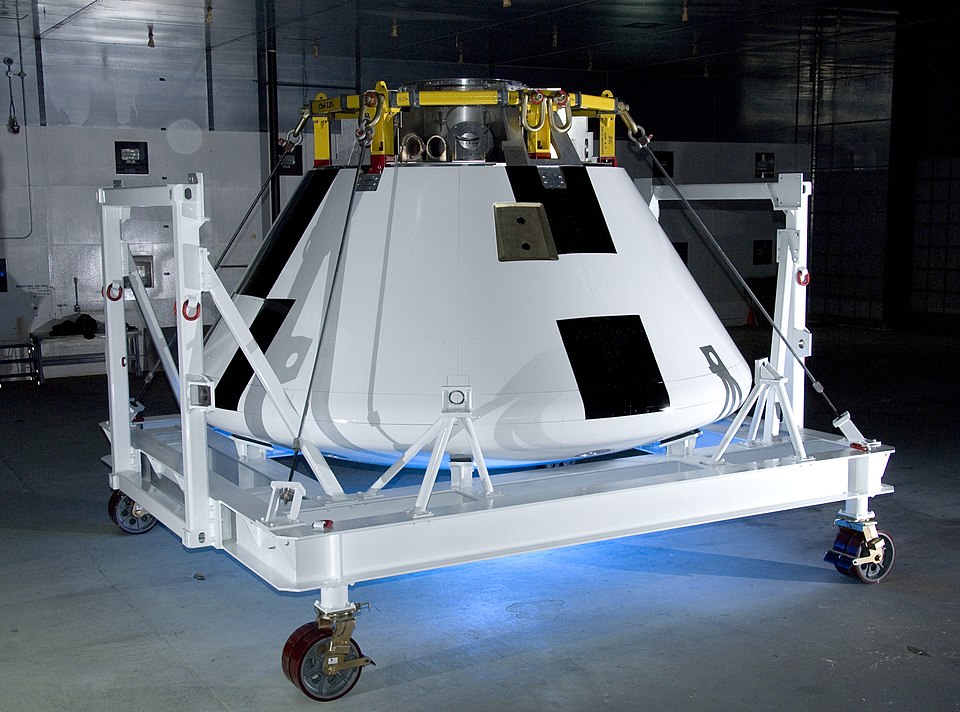
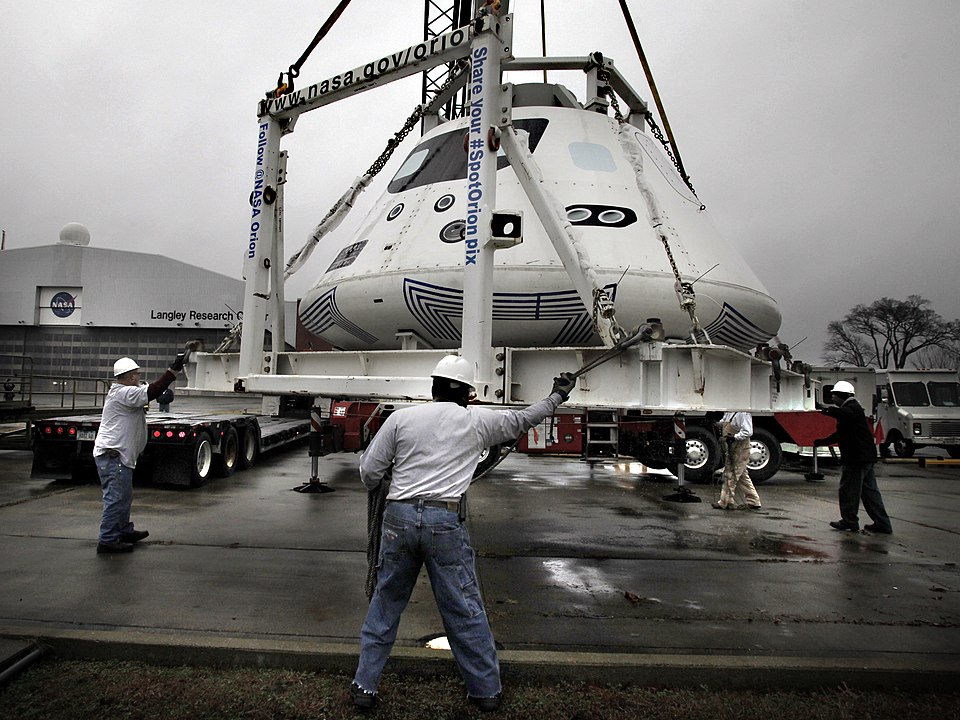
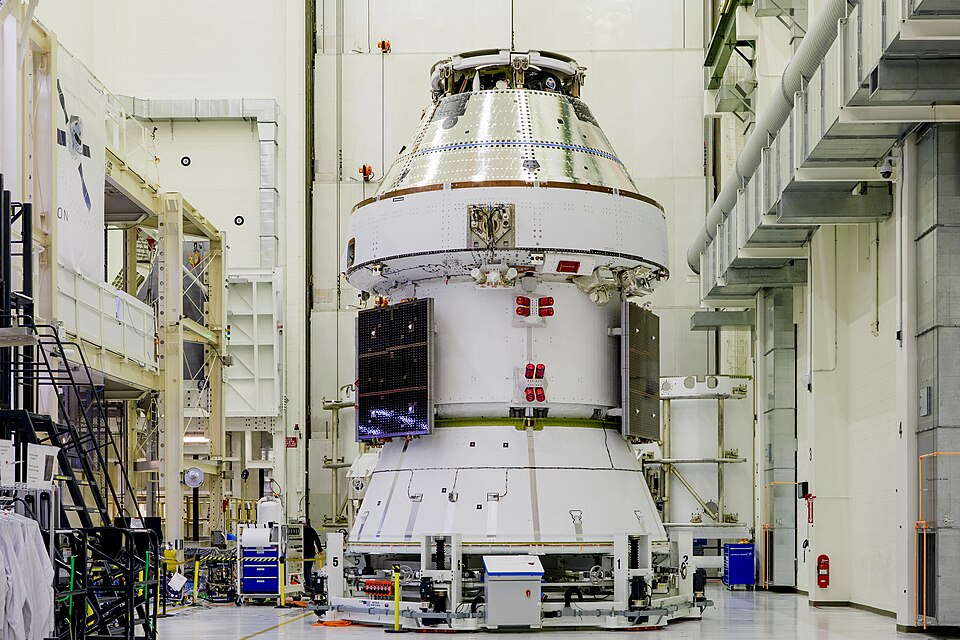
Artemis I confirmed a deep-space mission lasting several days with no crew but the Artemis II transforms the test vehicle into a manned one. The flight construction is centered on validating the functionality of Orion environmental control and life support system under conditions of breathing, talking, exercising, and sleeping of the astronauts resulting in actual variations in humidity, carbon dioxide load, and thermal demand. The verification of that is inevitable in the mission profile: the crew would need to depend on the closed space of the capsule throughout the trip, and no chance of borrowing the capability of a station would be available to them.
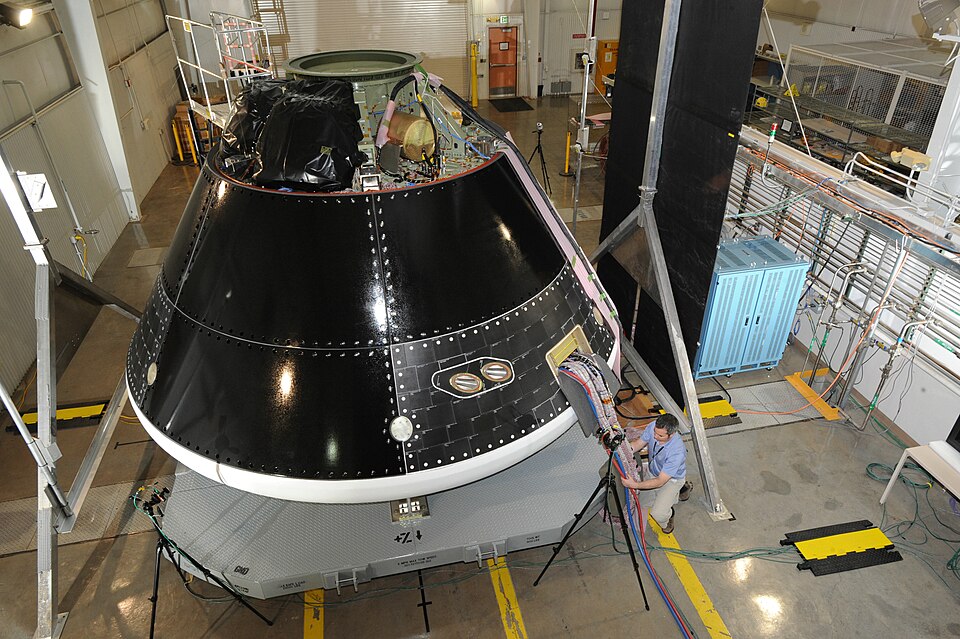
This is important since life support is not one box; it is a system of sensors, fans, scrubbers, valves, software and operation procedures that need to remain constant as the vehicle passes through silent cruise, crew activity and time sensitive operations. Artemis II considers that chain to be primary mission hardware and not a peripherals.
2. A path that maintained physics on the side of the crew
The Artemis II will orbit based on a lunar friendly trip back that utilizes the gravitational pull of the moon to bend Orion back to Earth. The slingshot path of the mission that would return the astronauts to the earth is an essential engineering decision: it would minimize a reliance on one propulsion event at the far end of the journey.
In contrast to the close circular orbits of Apollo, the orbit of Orion is a broad loop that is more appropriate in terms of its size according to mass and propulsion setup. The implication is mild, yet meaningful, namely, navigation, communications geometry, and thermal conditions are different, and Artemis II is the first time that crews will undergo them within Orion.
3. The heat shield, though, is not a material, but a confidence test
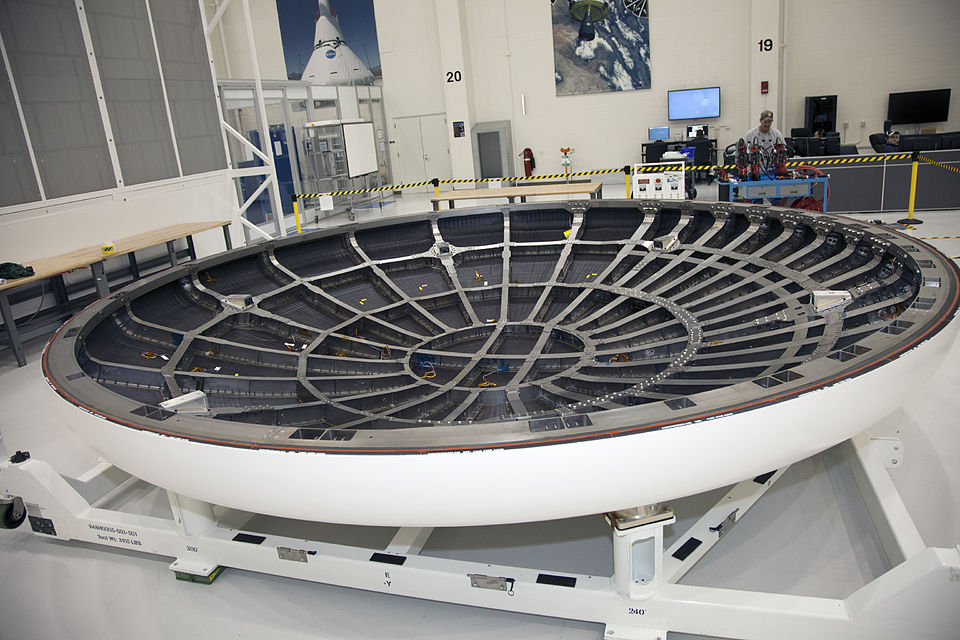
Reentry brings the mission to the end, however, it ends the engineering argument as well. There was unusual wear on the heat shield of Orion in Artemis I which led to further study and revisions to subsequent production and the entry method. The changes must convert into a clear (controlled, predictable) ablation, and a safe profile of returning astronauts, at Artemis II.
The heat shield is not just protection in the deep-space vehicles, but it is the technology that is necessary to make repeat missions economically and operationally viable. A successful Artemis II entry is a test of not only thermal performance, but also the choreography of guidance, parachutes, recovery, and also the human factor of a crew undergoing high-energy-return.
4. Radiation in deep space makes the health of the crews instrumented
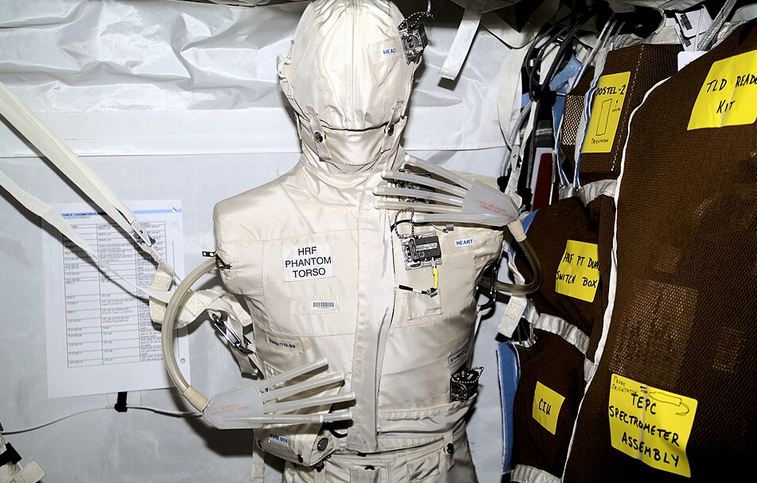
The spacecraft takes much of the natural protection of the earth with it beyond the low earth orbit. Artemis II relies upon that setting to take a baseline reading of human functioning and physiology within a radiation environment to which most space travelers are not subjected. It is not drama but calibration, the connection between dosimetry and medical surveillance and certain flight stages, spacecraft orientations and operational loads.
Longer missions whose radiation does not constitute a brief exposure are dependent on that base. Artemis II is a successful approach towards crews being active participants in a bio-medical test campaign, which is consistent with the overarching objective of discovering how humans work when they become more remote to the earth.
5. Orion has European propulsion and power within its heart
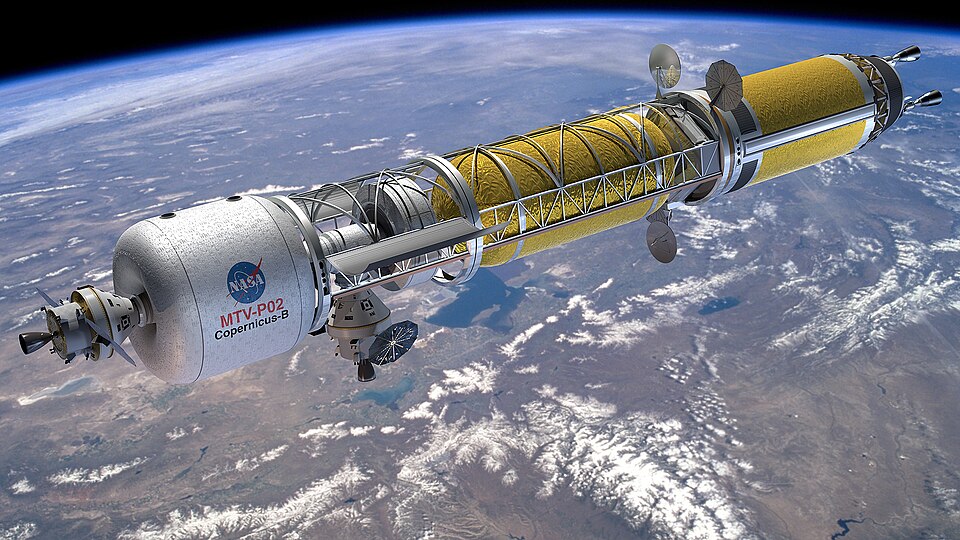
The international industrial work is also illustrated in Artemis II on how it transforms to flight-critical hardware. The European Service Module of the spacecraft provides propulsion, power, and consumables, making it the backbone of most of the journey of the spacecraft. The practical meaning of that is that multinational supply chains, quality systems and checks come together as a single integrated module.
The European Service Modules are produced in Bremen, Germany, and a distributed network of suppliers of propulsion, avionics and cabling modules are produced which operate as a single unit when in flight. That unit demonstrates not only that it works, but it works with the time-stressed stress of launch, cruise, proximity operations with the Moon, and the separation events needed to recover, but it demonstrates them at Artemis II.
6. The failure of signal is an operation rehearsal, not a footnote
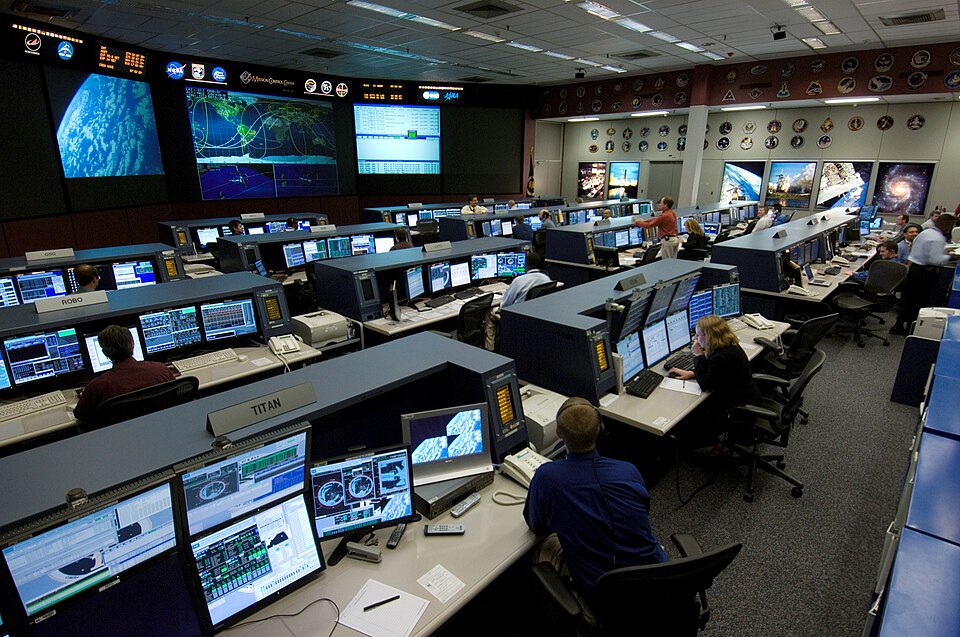
On the back side of the Moon, the spacecraft goes into the area where the direct communication with the Earth is lost. That intended silence is a premium operational segment since it compels the mission team to devise to pre-coached procedures, board autonomy and crew discipline without real-time ground coaching. Those minutes are important in a program designed to develop routine capability beyond Earth orbit.
They also confirm the level of the mission being designed to be controlled to isolate in a controlled manner, design of timeline, onboard checklists, fault responses as well as packaging of information to be conveyed to the crew. Artemis II will not touch down but will momentarily replicate the distance that surface missions will be used to.
7. The Moon’s south pole is the destination logic behind the flyby
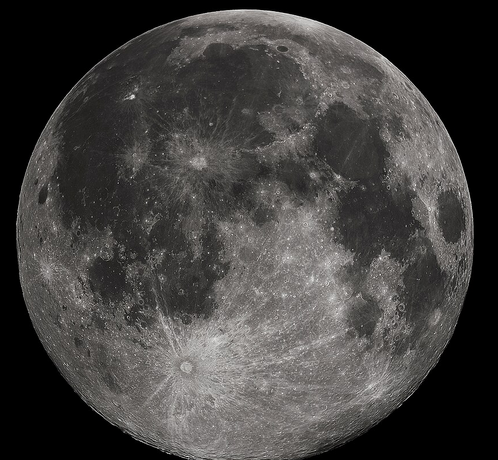
Artemis II’s engineering goals only make sense in the context of where the program intends to go. The long-term objective is sustained operations near the Moon’s south pole, where permanently shadowed regions may preserve water ice and where near-continuous illumination on some high terrain can support power strategies. Research has linked these cold traps to water presence over decades of orbital and impact measurements, and the region’s geology is expected to offer unusually high scientific return.
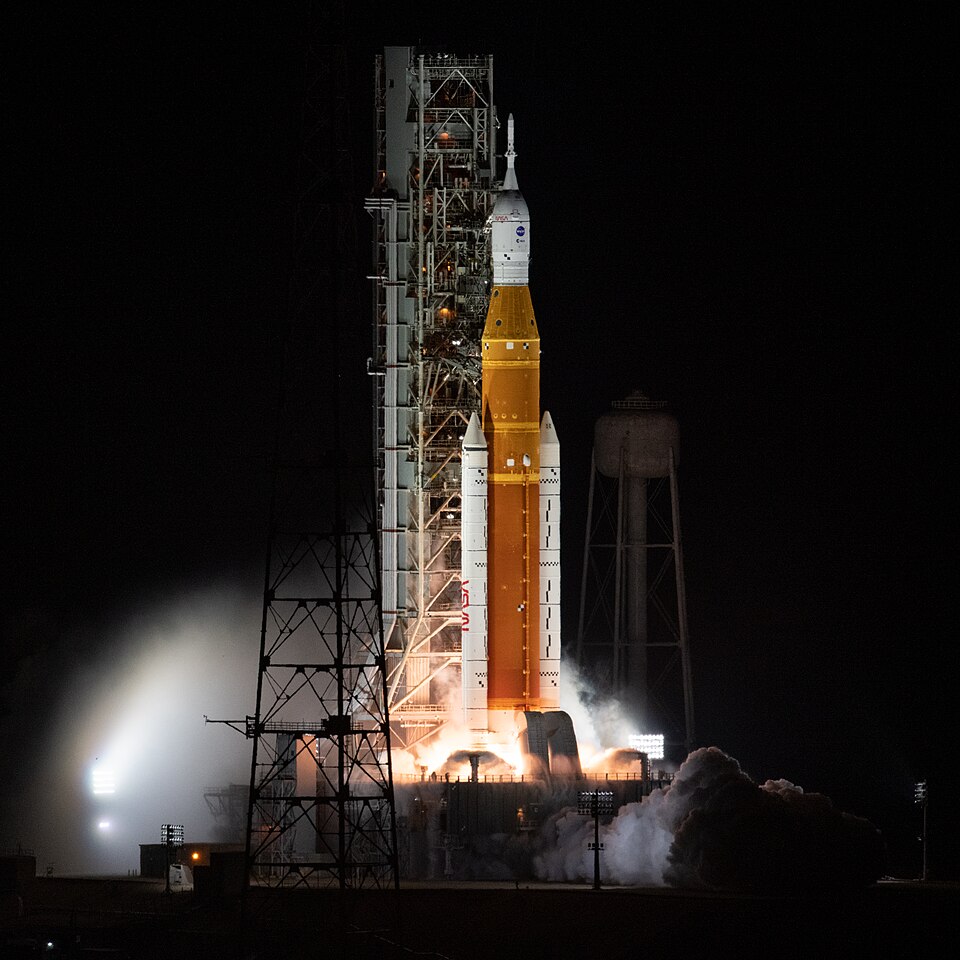
Artemis II does not directly sample that terrain, but it verifies the transportation and habitation fundamentals needed to reach it repeatedly. The mission is a gate: it determines whether Orion and SLS, operating with a crew, can reliably deliver the data and operational experience that future flights will build into surface systems, logistics plans, and longer-duration infrastructure. Artemis II is a mission about proving behavior, not announcing intention. When its systems hold seady life support, propulsion, navigation, thermal protection, communications practices, and human performance the program gains a tested pathway for turning lunar exploration into repeatable work. In that sense, “Mars can wait” is less a slogan than an engineering sequence. The Moon is the nearer proving ground, and Artemis II is the flight that must make that proving ground reachable on demand.”


