
In the firearms world, a bad launch doesn’t disappear like an unmemorable phone release. When a design fails especially in ways that show up at the range, in training, or during basic handling damage to reputation can persist long after production ends.
The common thread among notorious misfires is rarely just “innovation.” Instead, it often comes down to execution: issues like poor tolerances, rushed testing, odd design choices, or marketing claims that clash with the realities of ammunition, maintenance, and user behavior. The following examples are notable because they either failed spectacularly or because their ambitious ideas became part of the product’s identity.
1. Remington R51
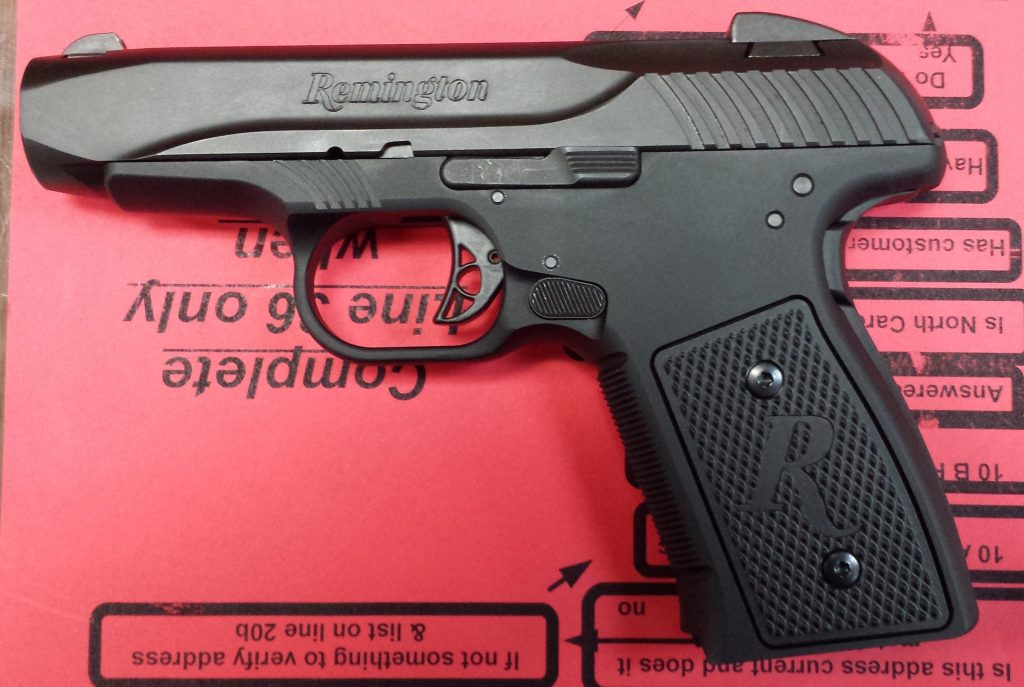
Remington’s 2014 revival of the Model 51’s Pedersen hesitation-locking system intended to provide something genuinely different in a market dominated by polymer striker-fired pistols. The engineering idea was appealing: a lower bore axis, better control, and a mechanism most shooters had only read about. It also came at a time when single-stack 9mm carry guns were the industry standard. However, the first-generation model had serious issues. Early R51s often failed to feed, extract, and eject. The most alarming problem was out-of-battery firing, turning a “finicky gun” situation into a safety issue. Remington responded with a recall and later released a Gen 2 that addressed most core complaints. Unfortunately, by then, competitors had already established a strong foothold in the market, and the R51’s name became synonymous with a failed launch. Production ceased in 2018, leaving the R51 as an example of how even clever mechanisms need thorough testing and a careful market introduction.

2. Winchester Model 1911 SL
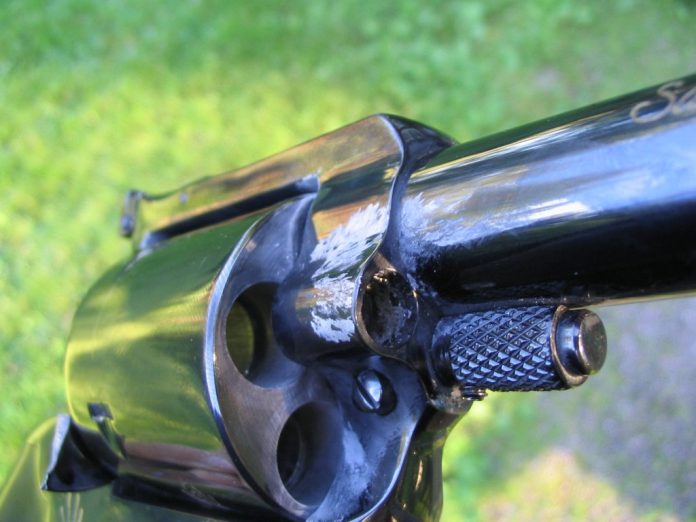
The Winchester 1911 SL highlights how legal challenges can distort user experience. Built to avoid Browning-era patents, it removed the typical charging handle. Instead, it asked users to pull the barrel back by a knurled section to cycle the action. This design felt odd and created risks during stoppage clearance or when dealing with swollen shells from old paper hulls. Its unflattering nickname, the “Widowmaker,” stems from users leaning over the muzzle while attempting to force the barrel to movea dangerous design flaw created by an unconventional manual of operation. The platform also had fiber buffer rings, which degraded quickly, affecting recoil. About 82,774 units were produced before Winchester ended the run in 1925, but incidents, including a 2005 event where four people were injured while loading or clearing one, kept the reputation alive. Today, it is collectible mainly because of its notorious design.
3. Colt All American 2000
On paper, the Colt All American 2000 boasted an impressive pedigree: a rotary barrel design, modern capacity for its time, and ties to Eugene Stoner and Reed Knight, suggesting serious intent. Prototypes hinted at a soft-shooting, accurate service pistol with some innovative internals. However, the production version is remembered negatively. Changes made during mass production like an overly heavy trigger pull, a two-piece slide that hindered consistent lockup, and widespread reliability concerns turned the gun into a collection of mismatched features instead of a cohesive system. Colt reportedly moved about 20,000 units before discontinuing it in 1994, and a safety recall solidified its legacy as a “what if” that failed to meet production standards.
4. Glock 44
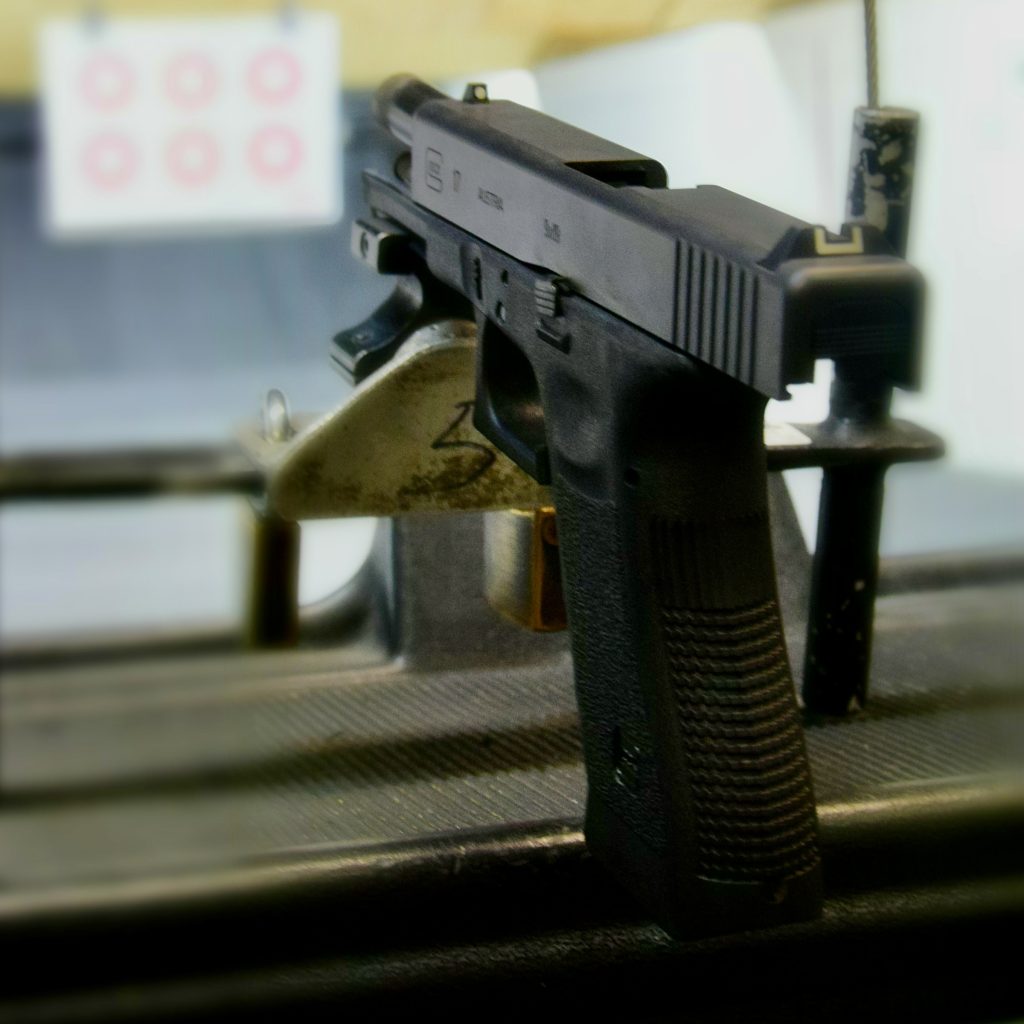
When Glock finally released a .22 LR pistol similar to the G19, market expectations were clear: it had to perform reliably. The Glock 44 was marketed as a trainer and plinker, maintaining the familiar controls that Glock owners had ingrained in muscle memory. Rimfire ammunition, however, poses a difficult challenge due to timing and variability. Early Glock 44 experiences often involved failures to feed and cycling issues, plus occasional light strikes issues that weigh heavily on a brand known for reliability. Long-term use reports suggest many stoppages stemmed from inconsistent bulk ammo, with some reviews noting manageable malfunction rates despite concerns about size, weight, and hybrid slide construction in a 2019 review. Even with improvements, the G44’s reliance on specific ammunition kept it from becoming the universally recommended rimfire companion many hoped for.
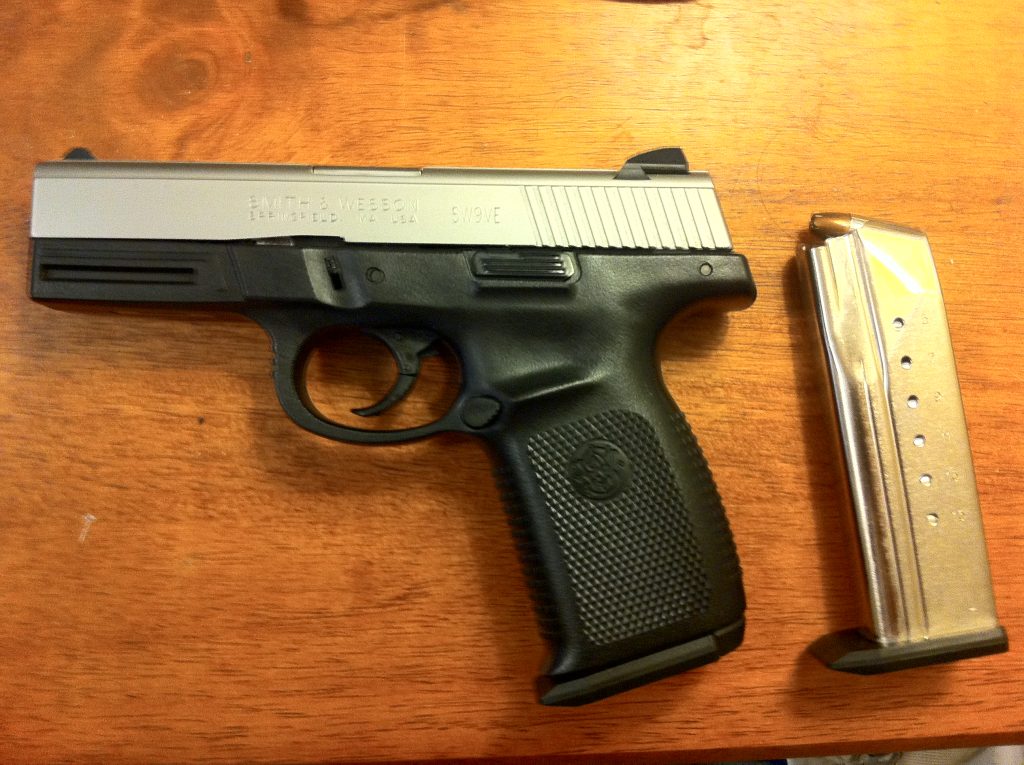
5. Smith & Wesson Sigma Series
The Sigma series is noted for two interconnected problems: it launched as a budget striker-fired pistol that resembled a market leader too closely, yet it felt insufficiently refined for that resemblance. Legal issues followed when its design similarities led to a lawsuit, which harmed its reputation. Besides the legal troubles, the Sigma’s heavy, mushy trigger and general ergonomics failed to inspire shooter confidence compared to better competitors. In a category where small differences in trigger feel and consistency foster user trust quickly, the Sigma’s drawbacks became its defining traits. Its longer-term value is indirect: it served as an uncomfortable learning step leading to the more successful M&P line.

6. Armatix iP1
The Armatix iP1 attempted to make “smart gun” technology practical by requiring a paired watch to be close to the pistol before it would fire. This idea aimed to reduce unauthorized use but also added new failure risks: radios, pairing logic, and mechanisms that had to work perfectly every time. Research on security undermined its premise. Demonstrations showed the system could be bypassed in various ways, including using $15 magnets to override the locking mechanism, as well as methods that disrupted the communication link and blocked firing. The iP1 became a warning sign for two fields: firearm reliability and embedded security. In a sector where “works when needed” is the standard, the iP1 illustrated how added complexity without strong design can lead to unpredictability.
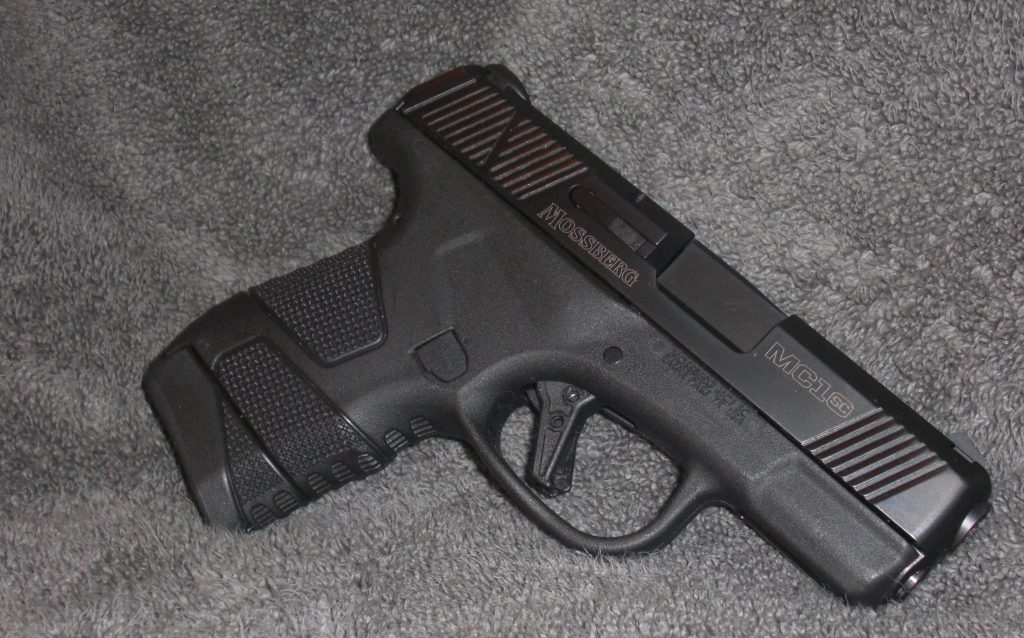
7. Mossberg MC1sc
Mossberg is well-known for shotguns, so a micro-compact 9mm from the brand naturally drew attention. The MC1sc arrived with decent ergonomics and some appealing features, like a clear magazine option that stood out in a sea of black guns. The issue was not a single major flaw but rather the absence of a clear advantage in an overcrowded market. Many found the takedown process confusing or inconvenient, and the pistol didn’t provide a compelling reason to replace established carry options. In a market where small differences like trigger feel, sights, support systems, and accessories matter greatly, the MC1sc’s quiet departure demonstrated how a competent gun can still be overlooked.
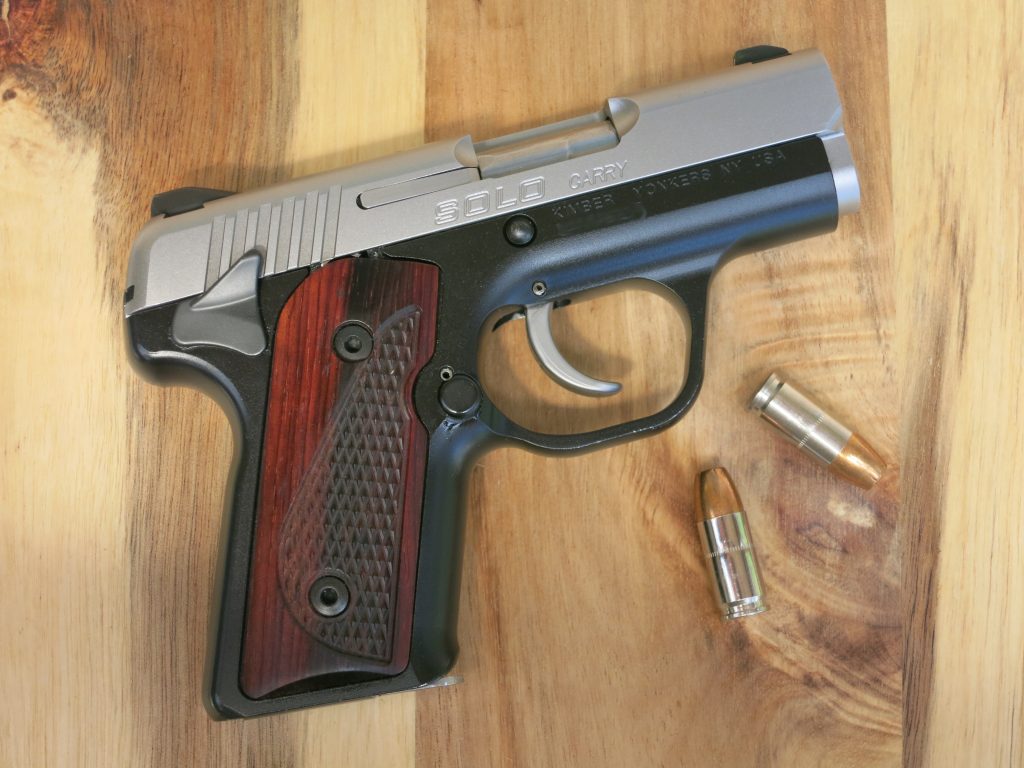
8. Kimber Solo Carry
The Kimber Solo Carry appeared promising: compact, high-end design, and a brand image linked to upscale carry and 1911 culture. It was marketed as a serious micro 9mm option at a time when that segment was becoming highly competitive. However, its reputation soured due to ammunition sensitivity. Reports suggested it needed 124-grain or heavier premium loads to function reliably, creating a mismatch for many people’s training habits: mixing ammo, using bulk range loads, and managing imperfections. A carry pistol that acts like a demanding prototype becomes hard to trust, regardless of its quality. Once shooters have to carefully choose their ammo for a gun, it no longer serves as the straightforward tool the category requires.
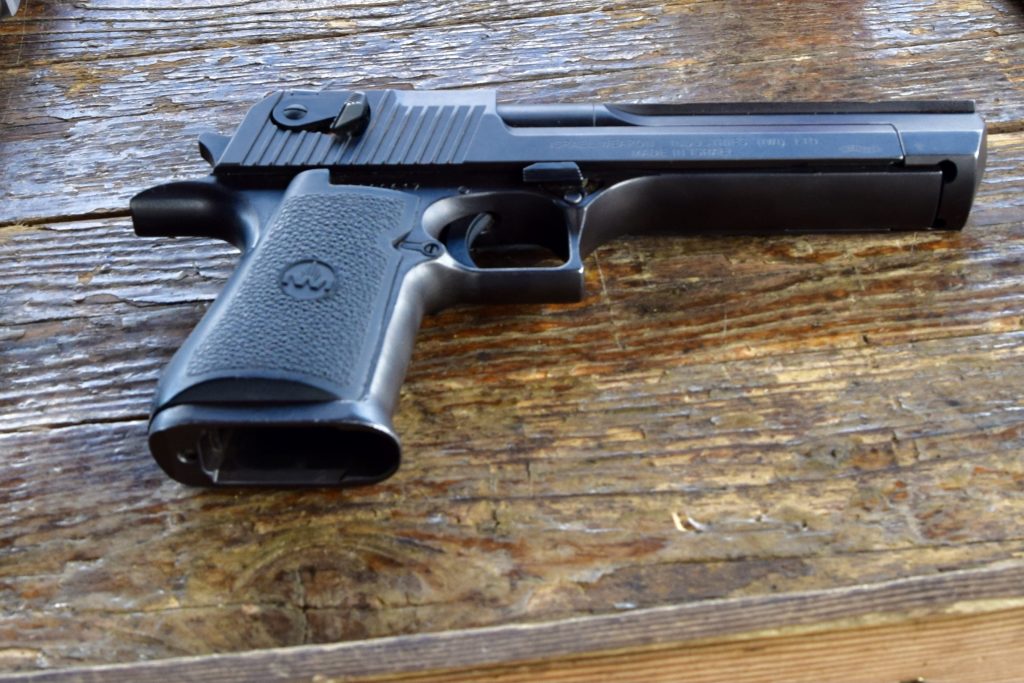
9. Desert Eagle .50 AE
The Desert Eagle in .50 AE is both a mechanical showcase and a pop culture icon, making its “flop” status different from that of a gun that simply fails. It is famous and delivers a dramatic, high-energy experience with notable presence. However, the problem lies in practicality. The gun’s weight, size, and expensive ammunition costs push it away from realistic carry or duty use, and its function is closely tied to specific loads. This doesn’t mean it’s a failure many buyers enjoy it for the experience but it explains why the Desert Eagle’s usefulness in the real world rarely matches its cinematic fame. In engineering terms, it is a specialized platform marketed as a generalist.
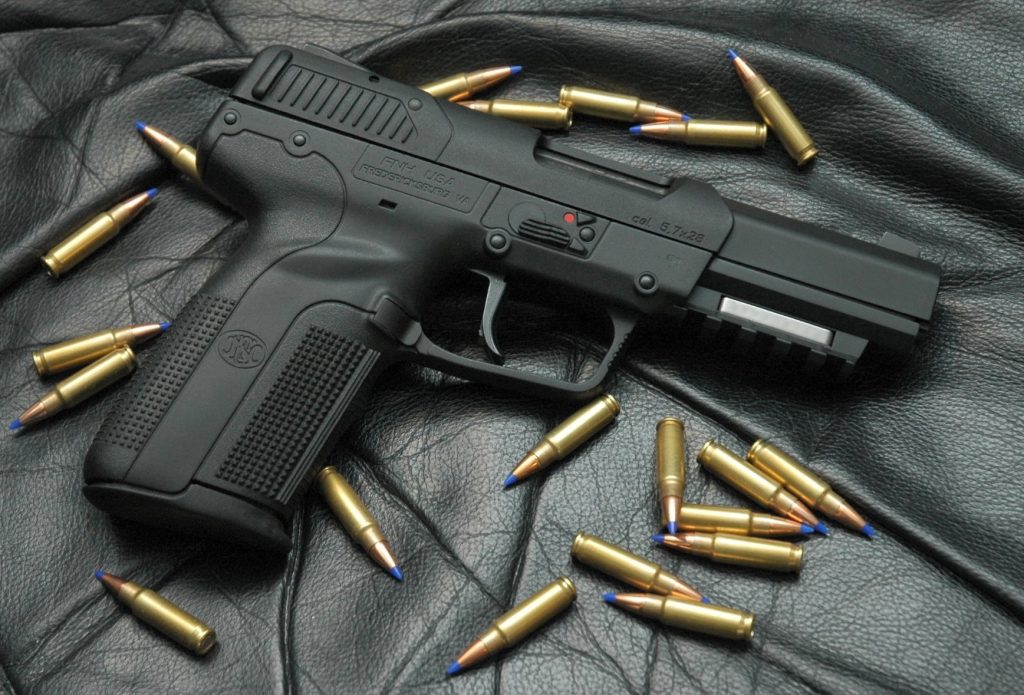
10. FN Five-seveN
The FN Five-seveN carries a reputation that often overshadows the actual civilian experience. Much of its allure connects to the broader 5.7x28mm story and its long history of armor penetration, which doesn’t translate well to the commercial market. For many owners, it is a lightweight, low-recoil, accurate pistol that requires expensive ammunition, and its most notorious loads are not typically available to civilians. With standard offerings, performance expectations shift toward being “fast, flat, and easy to shoot” instead of following the more sensational stories that surrounded the platform early on.
The result is a gun that can be technically enjoyable while still feeling out of sync with the hype that initially attracted many buyers. Across these designs, one pattern is clear: clever mechanisms, storied brands, and loud marketing don’t guarantee success. Some firearms failed due to being rushed, some due to external pressures, and some because they were sold as something they were never meant to be. Collectors keep many of these alive. Engineers and serious shooters continue to learn from their lessons.


