What happens at the intersection of leading-edge technology, geopolitical tension, and industrial might? Powered by accelerating AI integration, transformed procurement strategies, and an uptick in global competition, the U.S. defense and aerospace industries are entering 2026 with unprecedented momentum. Both defense professionals, military analysts, and security observers from other countries have breakthroughs to watch and challenges to expect in the coming year.
From the generative AI deployments of the Pentagon to the orbital missile defense race by the Space Force, none of these developments stand in isolation. Rather, they sum up a new transformation in how the U.S. readies itself for conflict, sustains readiness, and partners with allies. For their part, economic data underlines the sector’s strategic heft, while contracting reforms and workforce shifts hint at a more agile, digitally driven future. Following is a rundown of nine pivotal trends currently setting the landscape.

1. The Pentagon’s Generative AI push
The DoD is way past the experimental usage of AI, embedding generative AI tools directly into daily workflows. When GenAI.mil launched, commercial platforms such as Google Cloud’s Gemini for Government were onboarded, while the integration of xAI’s Grok models is coming soon at Impact Level 5 to securely handle Controlled Unclassified Information. These capabilities will drive speed in decision-making and operational awareness with real-time, global insights, Pentagon officials said. This is paralleled in China’s own developments related to large language models, identified in the most recent DOD report as part of a warning about Beijing’s use of AI for unmanned systems, ISR, and influence operations. Military-civil fusion in the PLA means private sector advances are quickly brought into military systems-the very reason U.S. adoption is urgent.
2. AI at the Tactical Edge
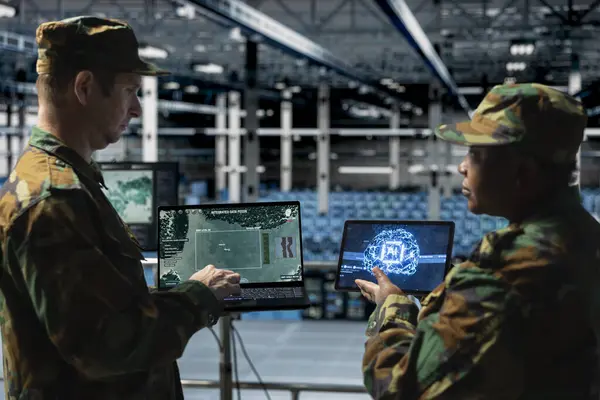
In 2025, the U.S. Army accelerated the deployment of AI-enabled edge tools with a $98.9 million contract with TurbineOne that will independently enable edge processing with no reliance on cloud connectivity. This is a key capability in jamming-heavy environments and will permit faster threat identification and decision-making. With the shift to predictive logistics, supplies can be positioned before there is a shortage of those particular items; this reduces downtime while increasing readiness. Soldiers are facing dual challenges in leveraging the speed from AI yet retaining critical judgment to avoid overdependence on machine output.

3. Space Force’s Golden Dome Missile Defense Race
Space Force has awarded Northrop Grumman, True Anomaly, Lockheed Martin, and Anduril its first round of Golden Dome contracts to develop prototype space-based missile interceptors able to neutralize threats earlier in their flight than is possible today via ground-based systems. The program could be set up as competitive prize pools, yielding production contracts ranging from $1.8 to $3.4 billion a year. But the biggest pool, $340 million for successful on-orbit tests, would be the spur to the rapid pace of innovation. It is an orbital leap in strategic missile intercept capability.
4. Boeing’s $8.6B F-15IA Contract for Israel
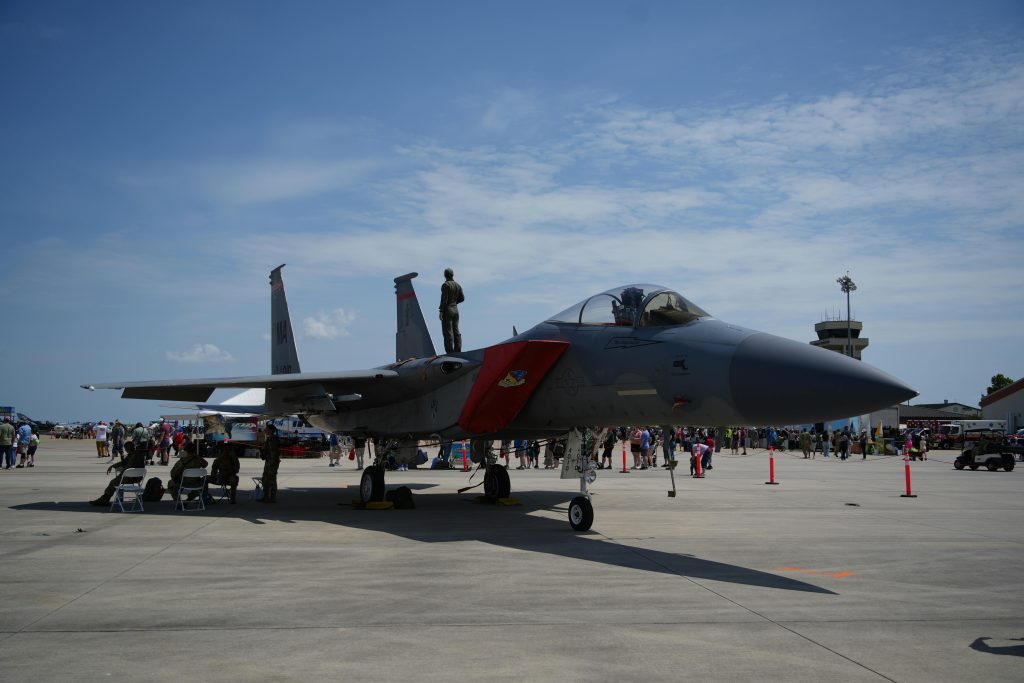
With that, Israel has reinforced its long-running reliance on the F-15 platform, reflected in the recent Pentagon award to Boeing for 25 new F-15IA fighters, with an option for 25 more. Production will be in St. Louis, and is expected by 2035. The sale has generated much controversy during the current fighting in Gaza, with many diverse groups of activists and students speaking out against it. Protests notwithstanding, Boeing’s defense ties with Israel run deep-to 1948, in fact-and include both military and commercial aerospace cooperation.
5. Agentic AI in Mission Systems
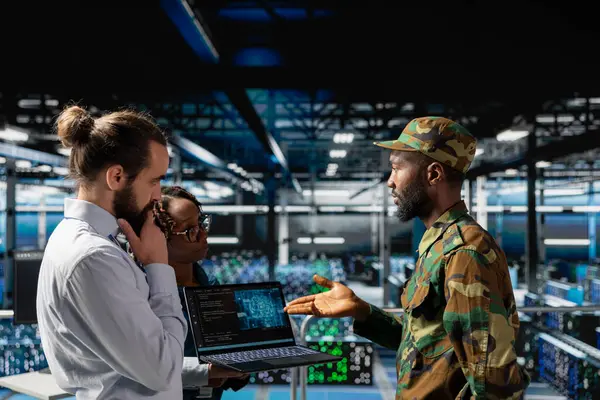
Agentic AI, which can perform tasks autonomously, is emerging from pilots to scaled deployments in defense mission systems. Applications range from autonomous mission planning and collision avoidance to geospatial targeting. U.S. Air Force Decision Advantage Sprint experiments showed the role of AI in accelerating complex battlespace decisions. US spending on AI, including generative AI, in aerospace-and-defense will be US$5.8 billion by 2029-up 3.5 times from the end of 2025-a sign that investment in the industry persists despite regulatory hurdles.
6. Aftermarket Sustainment Growth
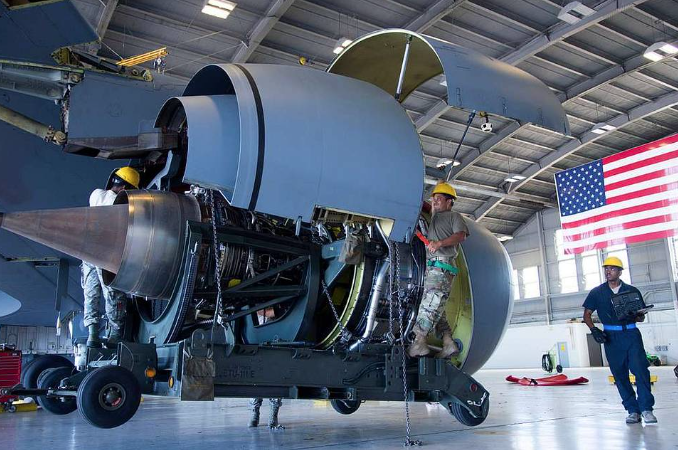
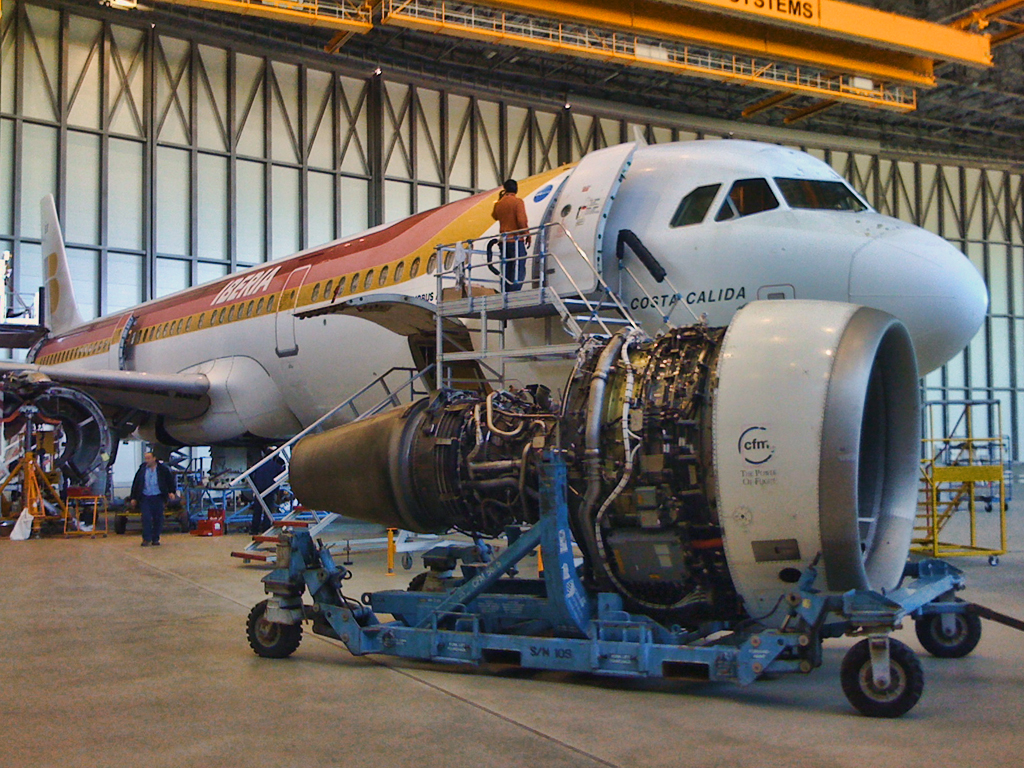
Aftermarket services like maintenance, repair, and overhaul also remain resilient, driven by engine activities. According to Aviation Week, global commercial MRO demand is forecasted to grow at a CAGR of 3.2% between 2026 and 2035, with the engine segment accounting for 53% of the total demand. Technology refreshes are setting the cadence of sustainment rather than failure rates, and AI-enabled inspection systems are slashing turnaround times. This trend toward predictive and condition-based models affects how sustainment strategies are developed for fleets.
7. Procurement Reform and Competitive Contracting
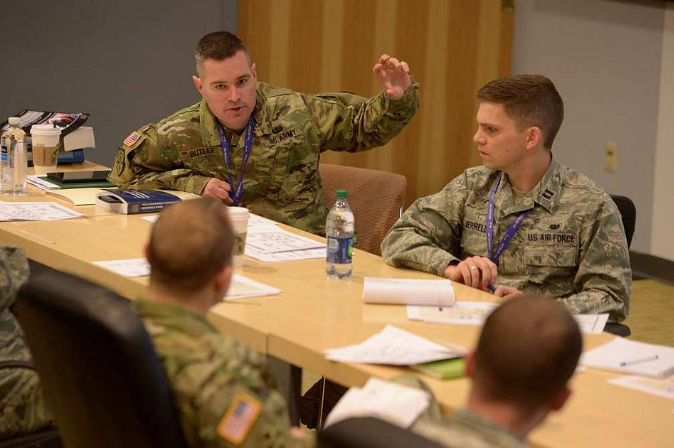
Recent acquisition reforms emphasize speed, commercial solutions, and broader vendor access. Greater use of Other Transaction Authority and Commercial Solutions Openings is providing non-traditional suppliers with greater opportunities to compete. This environment favors firms that combine modular hardware with continuing software, but raises very complex negotiations over intellectual property rights. Now, clear upfront definitions of deliverables and rights are critical to avoid unwanted technology transfer.
8. AI Workforce Transformation
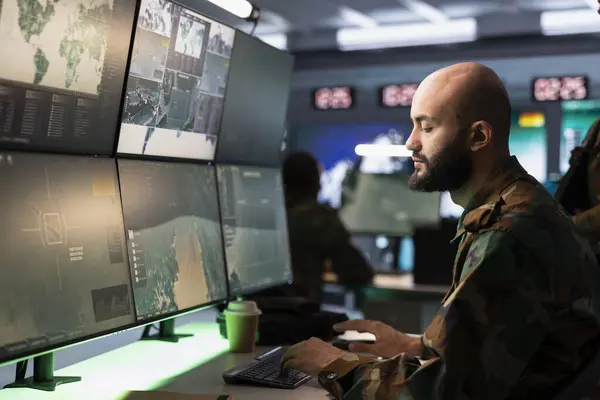
The demand in the aerospace and defense industry for AI talent has irrevocably shifted toward multidisciplinary skills, bringing together data science, engineering, and machine learning. Data analysis skills are expected to rise, according to Deloitte, from 9% of all job postings in 2025 to almost 14% in 2028. The development of this talent base will require targeted development programs and leadership initiatives. Human-AI teams will likely be the norm going forward, helping raise productivity levels while retaining domain expertise.

9. Economic Power of A&D Industry
For 2023, the U.S. aerospace and defense industry generated more than $955 billion in sales, supporting 2.211 million jobs-1.4% of national employment. Average labor income per job reached about $112,000, approximately 50% above the national average. Nearly 60% of the jobs associated with the industry are supply-chain-related, further testimony to the strategic value of the supply chain itself. Steady growth both in commercial and defense sectors continues to make it a key component of the U.S.’s economic and security power.
The meeting of advanced AI, modernized procurement frameworks, and industrial growth will now rewrite the landscape of U.S. defense and aerospace. To professionals and analysts alike, 2026 will prove a keen year of observation-not just regarding technological milestones but how these shifts translate into operational advantage and strategic resilience. The stakes are high, and the momentum is unmistakable.


