What happens when money stops working? In Iran, that question is no longer rhetorical. In the span of a week, a cascade of economic failures from a collapsing currency to surging food prices has pushed one of the country’s most stable constituencies, its bazaar merchants, into open revolt. What began as a strike in Tehran’s Grand Bazaar has spread to universities, provincial cities and commercial hubs, marking the most significant unrest since the 2022–2023 “Woman, Life, Freedom” protests.
This is not a single-issue uprising. It is the intersection of fiscal mismanagement, geopolitical isolation, and generational frustration that plays out against the backdrop of post-war fatigue and sanctions pressure. To analysts and observers, the breadth of participation and the velocity of escalation speak to something more profound-a systemic rupture. Below, see nine critical dynamics shaping this moment-and what they reveal about Iran’s volatile political economy.
1. Bazaar Merchants Break Historical Silence
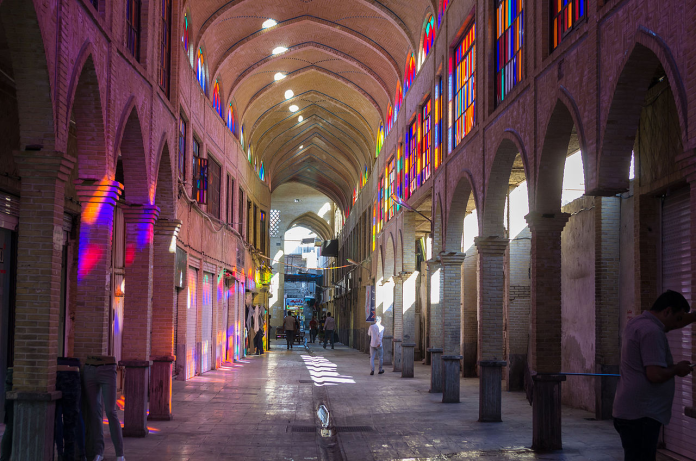
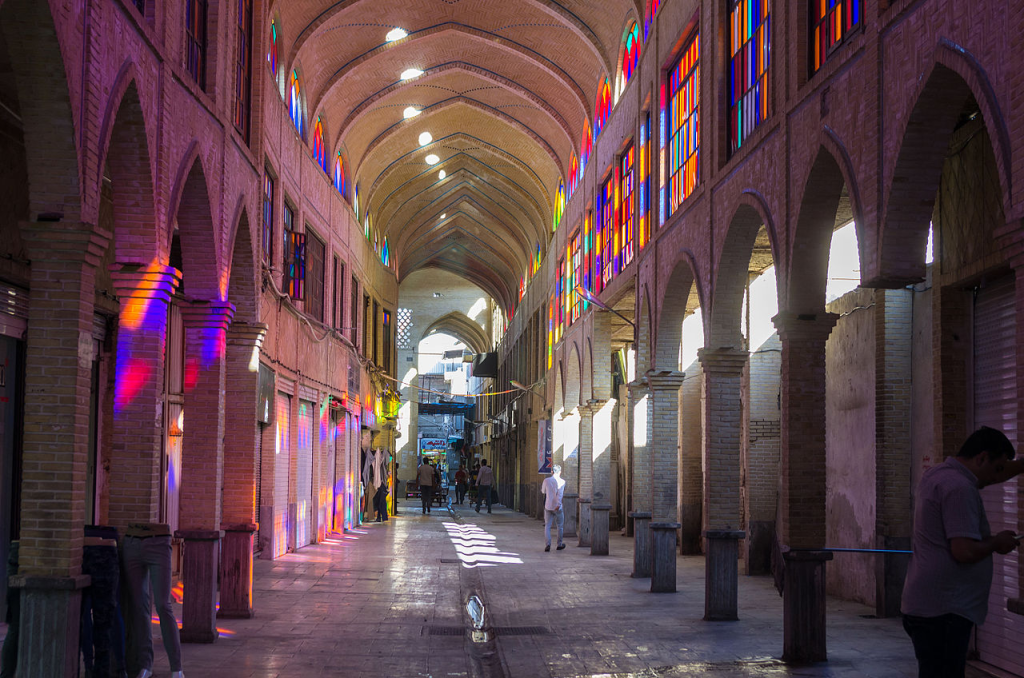
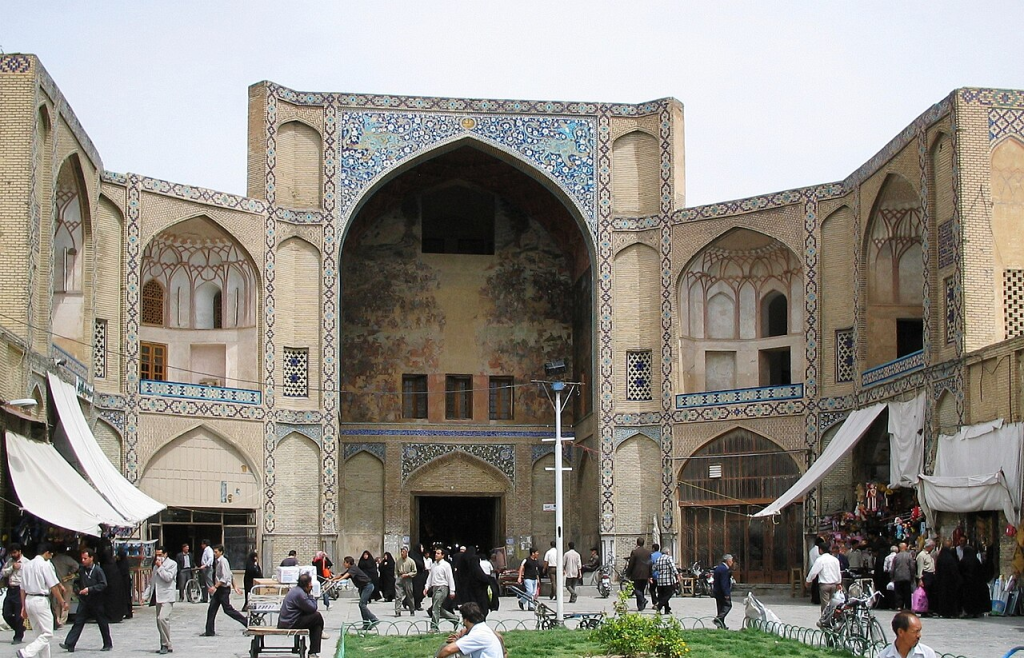
The bazaar has usually been a stabilizing factor in the political economy of Iran, with close links to the ruling establishment. Its merchants operate at the juncture of trade and credit as well as social influence. A decision to shutter shops in late December to protest the rial’s plunge to about 1.42 million per US$ is a rare and potent signal. Historically, bazaari mobilization has paralleled regime-level crises-from the 1906 Constitutional Revolution down to the 1979 overthrow of the Shah. The grievances this time are about survival: For traders who rely on imports – such as sellers of mobile phones – business was made unviable overnight. The breadth of the strike extends the symbolism: Similar closures swept through Isfahan, Shiraz, Mashhad and Yazd within 48 hours in a nationwide commercial shutdown.

2. Currency Collapse and Inflation Shock
For years, Iran’s currency has been in free fall, but this latest drop is without precedent. From roughly 430,000 rials per dollar in 2022, the rate of exchange has deteriorated to more than 1.4 million. Inflation stands near 50 percent, with food prices up 72 percent year on year, and health costs rising by half. For an economy dependent on imports, this immediately translates into social destabilization. The vanishing purchasing power is not an abstraction. A cafe worker who gets paid 100 million rials a month now makes the equivalent of about $70, with basic meals consuming an outsized portion of wages. This dynamic is forcing broad swaths of middle-class Iranians toward economic precarity.

3. Multi-tiered exchange rates fuel perceived injustice
Iran’s rent-distributing currency system, complete with an official, semi-official, and open-market rate of exchange, institutionalized privilege: State-linked firms get cheaper dollars, and independent merchants have to pay the market price. The gap transmutes inflation into perceived injustice, a far more combustible force. These worries have been heightened by the recent scrapping of subsidized rates on some basic commodities. Many say the electronic coupons for poor families are not enough to make up for the loss of those cheaper imports.

4. Fuel Price Hikes as the ‘Mother of All Inflation’
In December, the government raised the price of gasoline above the monthly quotas to 50,000 rials per additional liter. Consumer prices, even at many times the production cost-as analysts like Jamshid Assadi note-have encouraged waste under this subsidy, along with smuggling up to 30 million liters a day into Afghanistan and Pakistan. But in Iran, increases in fuel prices have a cascading consequence: The price of transportation and production shoots up, forcing the price of all goods upward. Public outrage was not eased by the staged process, and memories of deadly 2019 fuel protests remain fresh.
5. Post-War Fatigue and Pressure from Sanctions
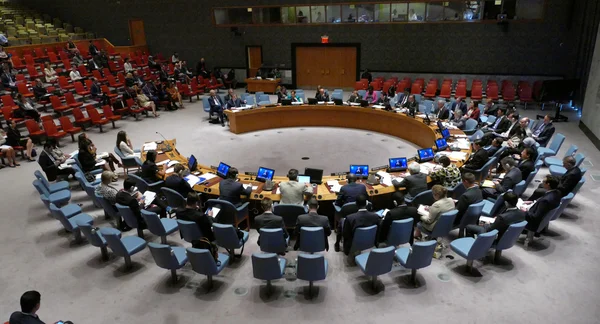
The June 2025 conflict with Israel pummeled the economy with over 550 ballistic missiles and over 1,000 suicide drones. US airstrikes against nuclear sites added to fiscal stress, and the snapback of UN sanctions in September cut off crucial outside financing. This geopolitical isolation has worsened a budget deficit, constrained oil revenues, forced cuts in subsidies, and monetary expansion. To many Iranians, this continued investment of the regime in regional proxy forces is theft from domestic needs.
6. Cross-class and cross-generation participation
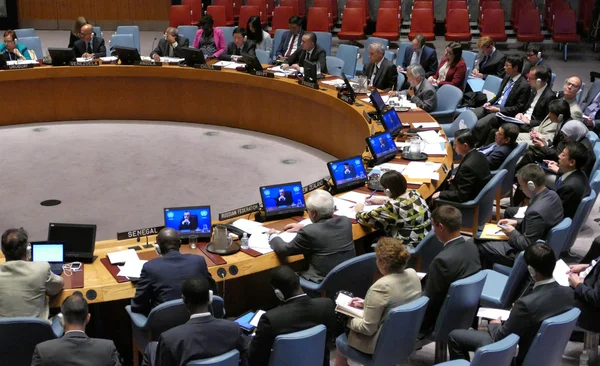
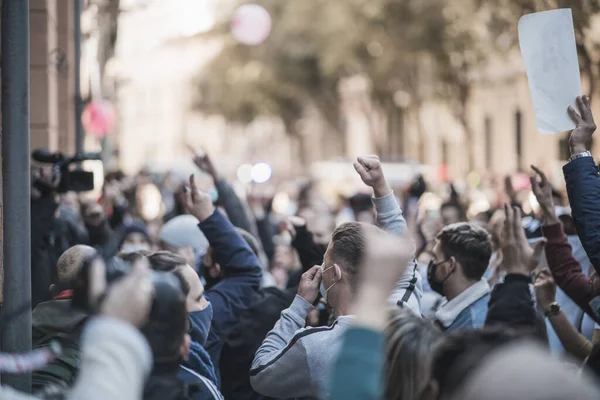
Unlike earlier waves of protest, which were contained within a single demographic, this unrest includes conservative merchants, secular students, laborers, retirees, and ethnic minorities. The result is breadth that reinforces resilience but also complicates coordination. It has fast moved from slogans of protest over economic grievances to systemic refusal, including calls for the restoration of the monarchy and chants of “Death to the dictator.” Thus, the combination of economic and political demands shares some resemblance with past movements but is rooted in livelihood crises rather than cultural freedoms.
7. Government’s Calibrated Response
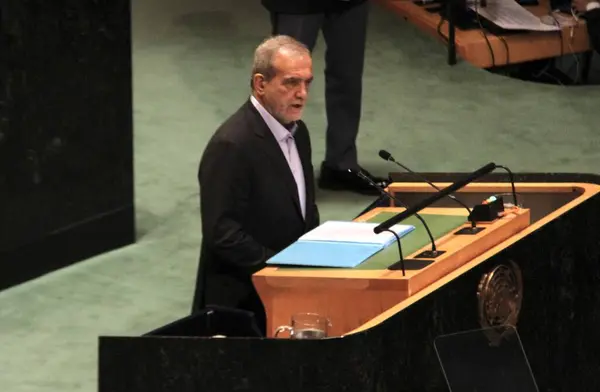
President Masoud Pezeshkian has gone as far as publicly acknowledging “legitimate demands” and urged the interior minister to sit with representatives of the protests. Similarly, state media have refrained from using words such as “rioters” in favor of “tradesmen.” Security forces, on the other hand, have used tear gas, birdshot, and motorcycles against the crowds. They have also made numerous detentions; some detainees have already been released. The twin track of dialogue and force is meant to gain time with no substantive concession.
8. Legacy of Violent Crackdowns
Memories of the 2022–2023 “Woman, Life, Freedom” protests are still fresh. Investigations, such as confirmation by the UC Berkeley Human Rights Center of more than 120 protesters blinded by security agents, underpin the regime’s potential for targeted violence. Patterns of deliberate injury, particularly to women, have been documented, strengthening public distrust. This history informs current risk calculations: even though the regime has so far refrained from ordering blanket internet shutdowns, escalation into deadly repression is highly likely.

9. Structural Economic Constraints
The draft budget for 2026 reflects a dire outlook: a nominal 5 percent increase in spending against 50 percent inflation, a 20 percent wage rise that is very low against price growth, and a tax hike of 62 percent. Removing four zeros from the currency is cosmetic and offers no relief against structural deficits. Any economic gap is filled by printing money by central banks, which perpetuates inflation. There is under-investment in key infrastructure. The temporary suppression of the protests would then not resolve the core of the economic crisis without reforms of corruption, sanctions, and fiscal imbalance. These latest protests in Iran have their genesis in economics, but they carry systems implications.
The participation of the bazaar underlines that a commercial core, once a source of legitimization for the regime, is now in open dissent. Even while calibrated repression may transiently quiet the streets, the drivers of unrest will remain embedded in fiscal exhaustion, geopolitical isolation, and public mistrust. For policymakers and observers, the bottom line needs to be crystal clear: in Iran, economic breakdown is not some peripheral issue but rather the very fault line on which political stability rests.


