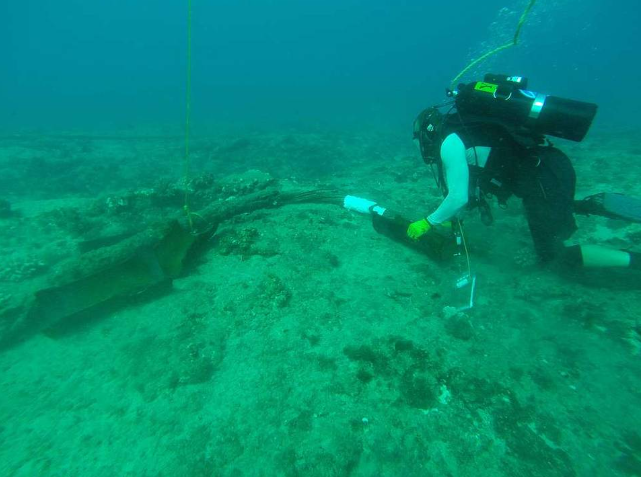
At least ten undersea cables in the Baltic Sea have been broken or damaged in the last three years in circumstances seen as suspicious, a dramatic rise in such breakages and damage since there were virtually none over the last twenty years. Such a spike is also accompanied by an increase in hybrid warfare by Russia, which led to the restructuring of NATO and the EU in the maritime security posture. The recent incident of the Russian-crewed cargo ship, Fitburg, being detained by Finland has once again revealed the weakness of the European vital undersea infrastructure.
The Baltic Sea is a shallow water zone, with a robust interconnection of energy and data and nearby Russia, which is an ideal place to sabotage. Although the occurrence of some of them can be accidental, authorities are becoming more convinced that some attempts are done on purpose and aimed to test political determination, cause confusion, and the cost of money. This list narrows down on nine of the most significant developments, events, and strategic changes that influenced the reaction of the region to this mounting threat.
1. The Fitburg Detention
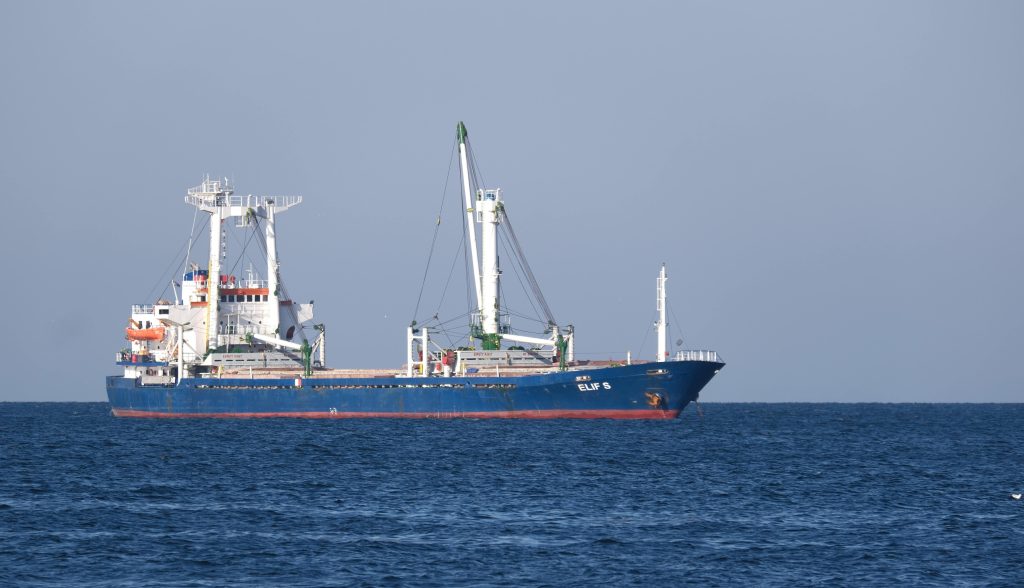
Finland flagged a cargo vessel, Fitburg (flag of St Vincent and Grenadines), on 31 December 2025 on its way between Haifa and St Petersburg, the vessel was boarded and seized. The 14 crew members of the Russian, Georgian, Kazakh, and Azerbaijan vessel were arrested after Elisa, the telecoms company in Finland, realized that its soap Helsinki-Tallin cable had been damaged. The anchor chain of the vessel was spotted by police down in the Finnish waters close to the fault line and they are probing aggravated criminal damage, sabotage attempts, and interfering with telecommunications. Estonia had a second cable failure the same day owned by Sweden based Arelion, but its connection with the Fitburg incident is still unsubstantiated.
2. Ad Pattern of Suspicious Incidents
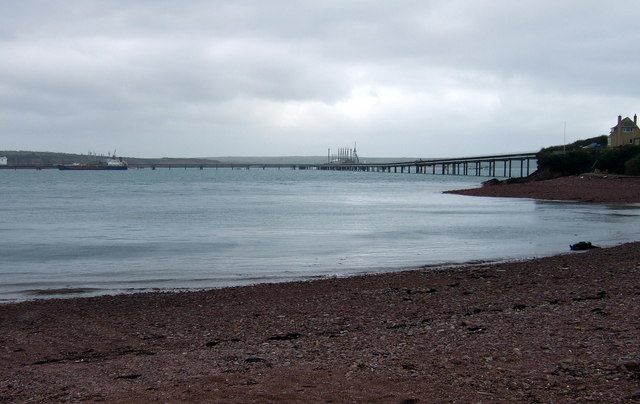
Since 2023, a series of high-profile interruption of subsea cables and pipelines has occurred in the Baltic Sea. These are the leakage of the Balticconnector pipeline due to collision with the Chinese-owned Newnew Polar Bear, and the destruction of Finland Germany and SwedenLithuania data cables by the Yi Peng 3 bulk carrier. On the 24th of December 2024, the Cook Islands-flagged Eagle S tanker hit five cables in the Gulf of Finland. Although there have been crews who were detained, prosecutions have collapsed basing on jurisdiction boundaries and proving intent.
3. The Shadow Fleet Challenge
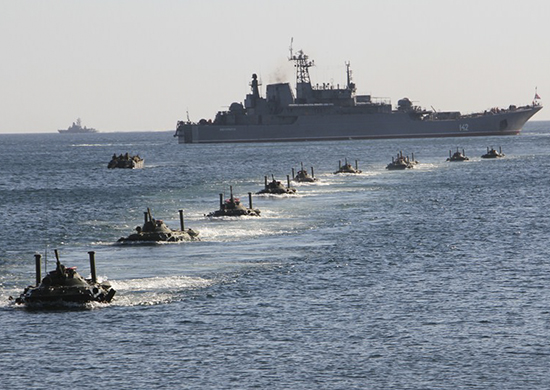
A large number of the suspected vessels are a part of the so-called shadow fleet of Russia – old tankers and cargo vessels under flags of convenience to avoid sanctions. Their invisibility through their opaque ownership and loose control is best suited to secret operations. An example of Eagle S in the past has shown the trends of the anchor dragging on crucial infrastructure routes. Some flag states such as Barbados and Gabon have been convinced by EU outreach to de-flag the registered flag ships, but others such as Sierra Leone and Comoros continue to be popular registrations.
4. The Baltic Sentry Project of NATO.
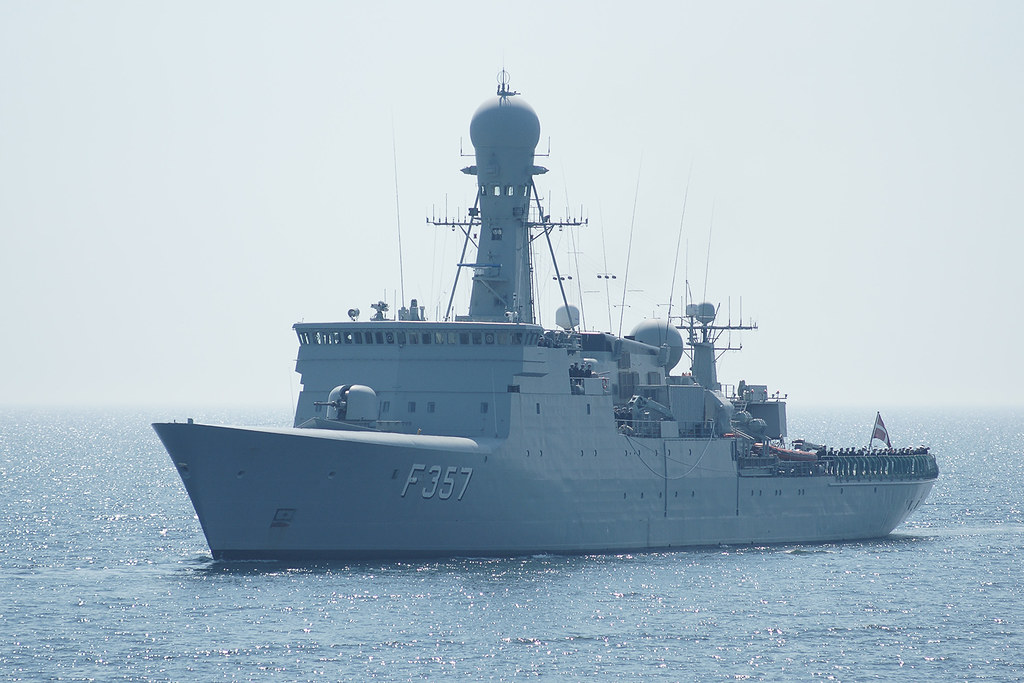
Baltic Sentry was released in January 2025 and enhances the presence of NATO to the area through maritime surveillance, airplanes, and naval drones. As part of Germany-led Commander Task Force Baltic which is based in Rostock, the mission aims at monitoring undersea installations and shadow vessels. We target the shipping lanes, and the ships that have already been identified as the one that can cause concern said Brian Svens of the Danish Navy. The effect of deterring is questionable, yet no significant suspicious cases were reported since the beginning of 2025.

5. Legal and Jurisdictional barriers.
The international maritime law provides the coastal states the right to full jurisdiction of their territorial waters only and limited in their exclusive economic zones (EEZs). This makes enforcement difficult in the case of suspected sabotage which is outside of territory. The Eagle S boarding in its EEZ in Finland was a controversial case and subsequently courts threw out charges in their jurisdiction. These loopholes enable the suspect ships to evade arrest by remaining in EEZs or the international waters.
6. Cable Security Action Plan of EU.
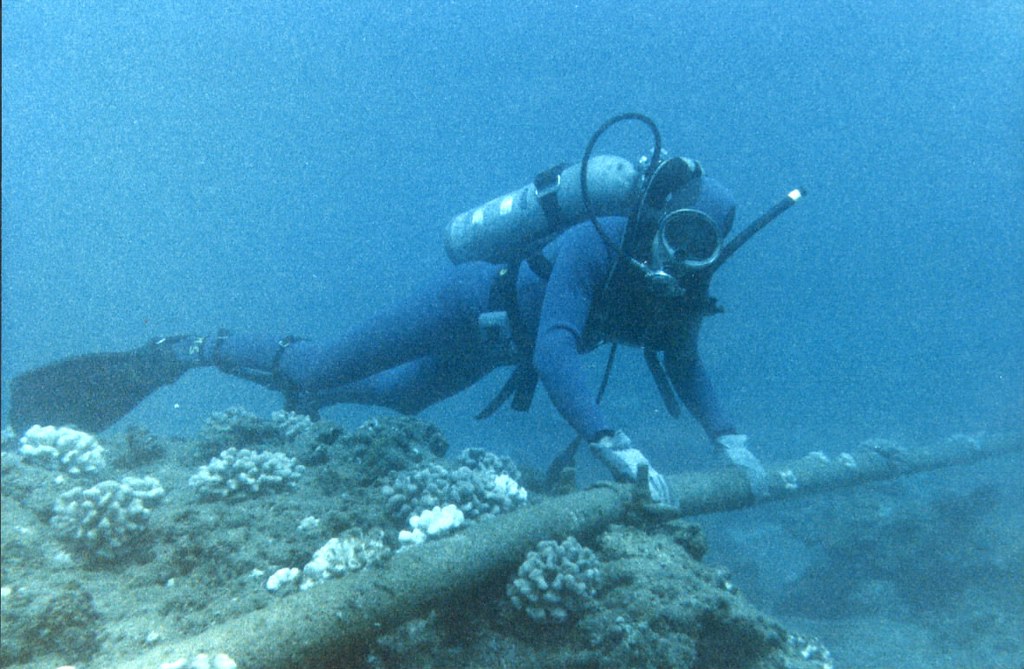
The EU Action Plan on Cable Security, which deals with prevention, detection, response, recovery and deterrence, was adopted in February 2025. Some of the measures involve improving information sharing, combined repair capabilities, and incorporating cable protection in the large-scale maritime security policies. The plan supplements guidelines on cybersecurity and resilience in critical entities, and in line with the EU initiative to secure offshore renewable energy links and inter-country power links.
7. Hybrid Warfare Context
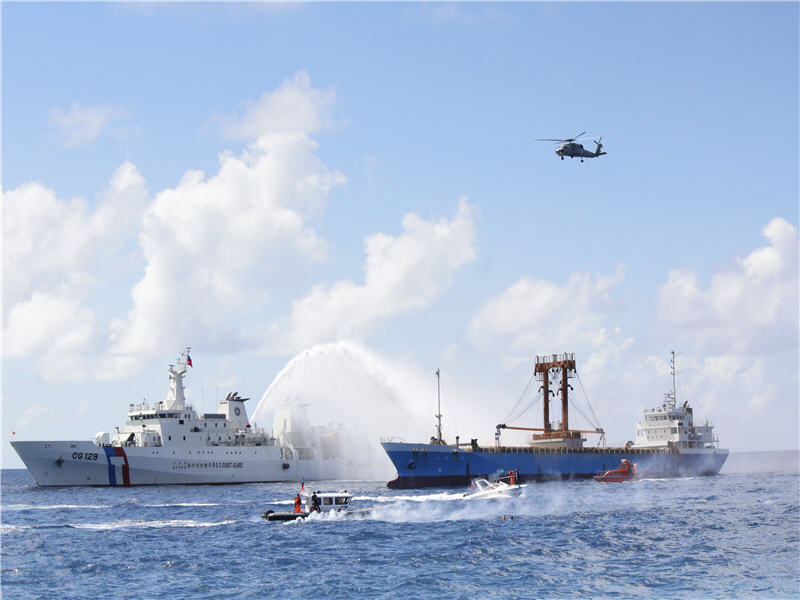
Analysts report that sabotage of critical infrastructures is integrated into the gibridnaya voyna military doctrine of Russia. Attacking undersea cables will provide a plausible deniability, particularly in shallow seas where anchor dragging can be claimed to be an accident. Lithuanian ex-foreign minister Gabrielius Landsbergis cautioned that such activities are meant to showcase the methods of intimidation of the people and a test of the reaction by NATO and this may involve checking its readiness to invoke Article 5.
8. Subsea Infrastructure Vulnerability.
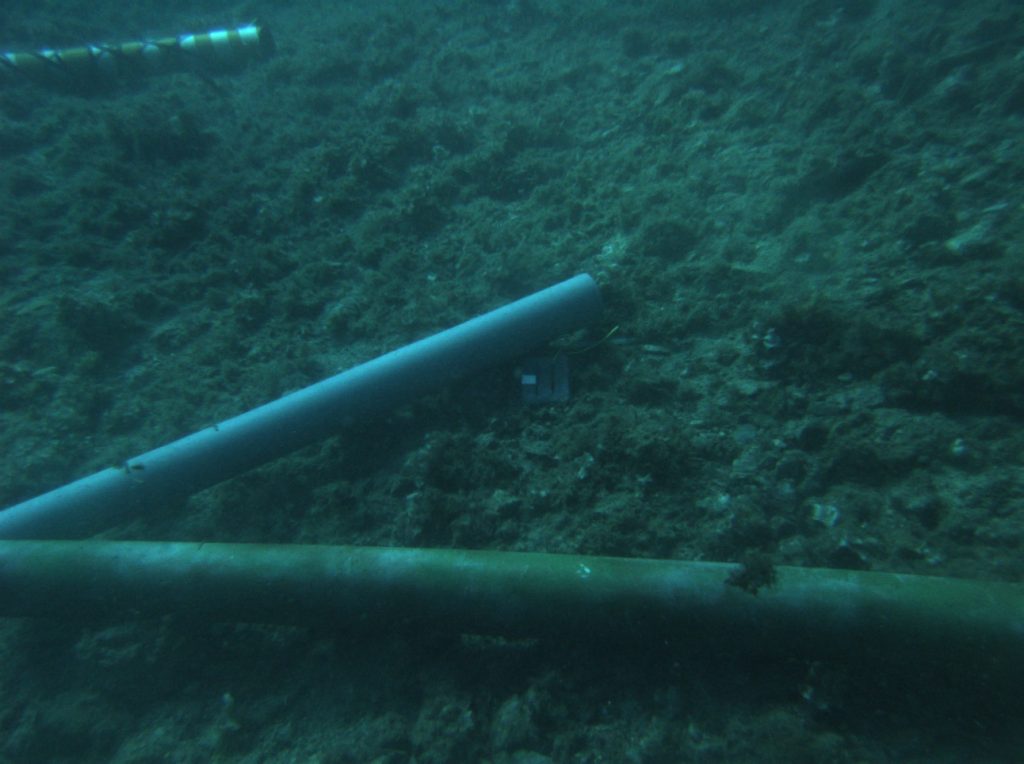
International data traffic that depends on undersea cables is more than 99 percent of sensitive government messages as well as trillions of financial transactions. They are easy targets due to the shallow seabed of the Baltic and have a greater effect due to a shortage of alternative routes. Even though the European system is redundant, the island states, such as Malta, Cyprus, and Ireland, are more vulnerable. Logical and geopolitical risks are physical threats, including cyber intrusions and state interference.
9. Current Intelligence and Transparency Measures.
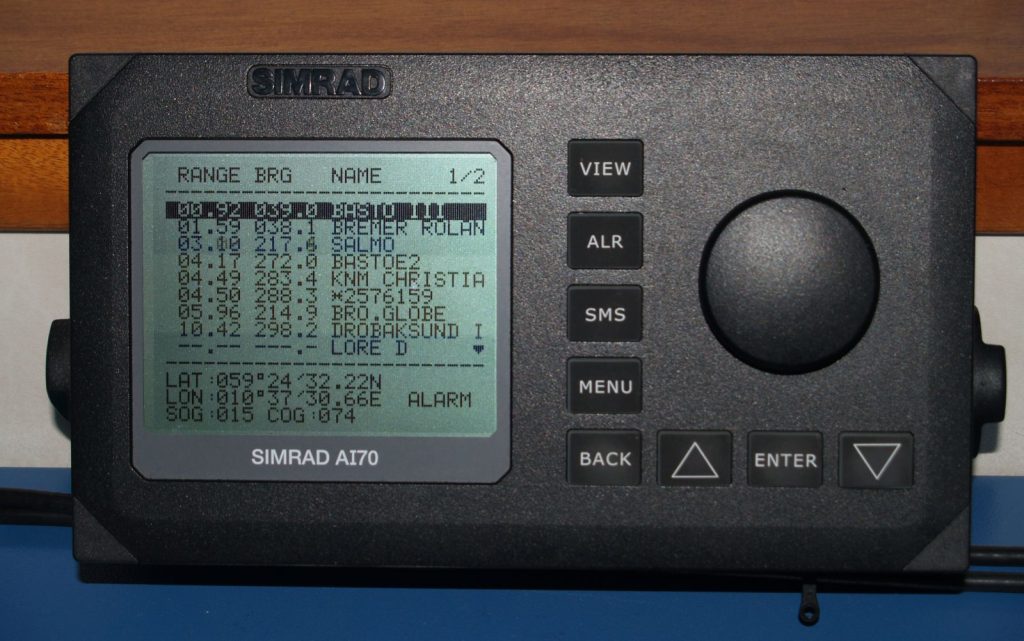
Better multinational coordination since 2023 has made it possible to identify suspicious ships faster. Nordic Warden is an AI-based monitoring system that evaluates AIS data to identify risks, and the coordination cell of NATO distributes intelligence between its member states. There are proposals to follow the example of the Philippines in the South China Sea, where transparency is applied by recording and reporting aggressive actions, to create awareness and force opponents, although naming and shaming might not be enough to discourage state actors.
The Fitburg case highlights the advancement and the constant loopholes in protection of Europe undersea lifelines. NATO patrols, EU policies and improved intelligence sharing have minimised the element of surprise that had marked previous incidences. The Baltic Sea, however, will continue to be a disputed area due to legal limitations, the ease with which shadow armies can move and the lack of protection of underwater infrastructure. To security analysts and policymakers, it is not only a matter of responding to sabotage, but also anticipating it, and making sure deterrence is underpinned by the force of action in the event the next anchor drags along the seabed.


