“Will the winter offensives by Russia shatter the defenses of Ukraine, or will technological adoption and strategic fortification be able to defend? This question towers high following a week of huge strikes, failed machine attacks and massive restructuring of forces. The December 23 operation image shows the two sides in a rush to be innovative in the battlefield where there was intense pressure.
Russian troops have tightened their combined missile and drone operations, targeted the critical infrastructure, and driven localized attacks in Donetsk and Kharkiv. However, continuing Ukrainian countermeasures, precision strikes and the emergence of air-defense capabilities are still frustrating the momentum of Moscow. Simultaneously, Russia is rearranging its naval infantry into larger units, which indicates changes to the long-term force position outside of Ukraine. This is a list that sums up the most impactful trends that will determine the direction of the war by the year 2025.
1. Biggest Russian Drone-Missile Attack of 2025
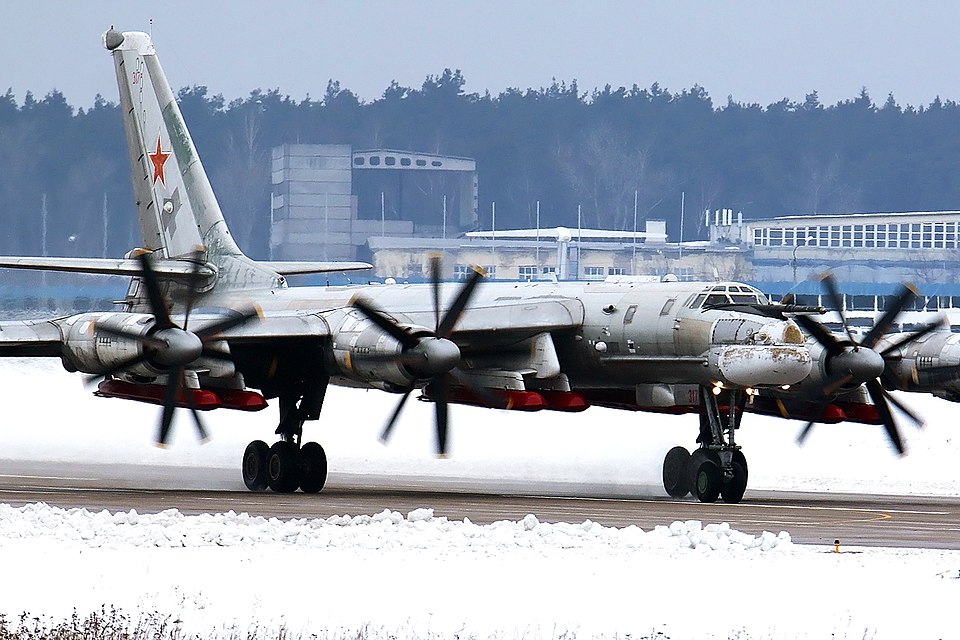
On the night of December 223, Russia fired 635 drones – approximately 400 Shahed-types of drones, three Kh-47M2 ballistic missiles, Kh-101/Iskander-K cruise missiles. The Ukrainian Air Force claimed to intercept 587 drones and 34 cruise missiles and that all three Kinzhalas had been unsuccessful. Nevertheless, there were 39 strike drones that hit 21 sites and led to extensive destruction of energy infrastructure in Rivne, Ternopil, and Khmelnytskyi oblasts. The attack was described by Ukrainian Prime Minister Yulia Svyrydenko as being meant to leave the west in darkness reminding the winter energy warfare approach by the Kremlin.
2. F-16s dominate the success of Air Defense in Ukraine
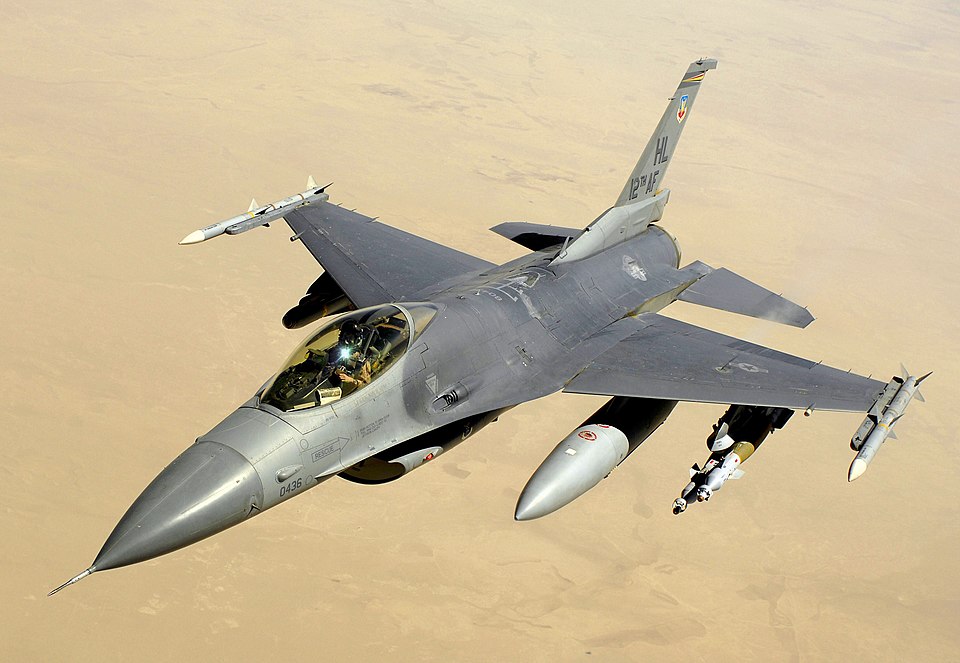
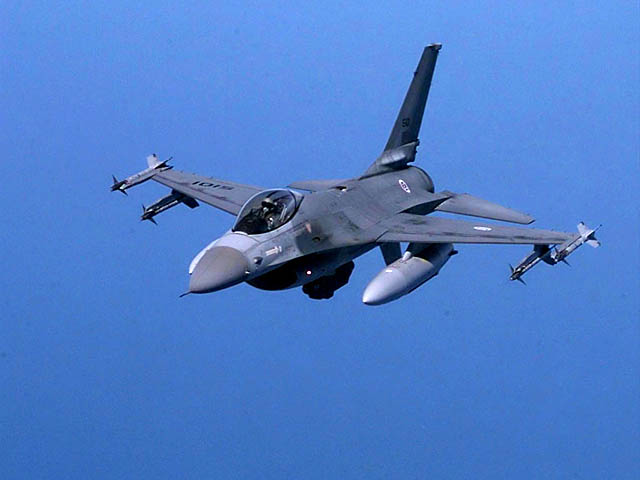
Air force spokesperson Yuriy Ihnat attributed a majority of the Russian cruise missiles downed in the December 23 strike to newly deployed F-16 fighters. Such aircraft, which now fly approximately 80% of Ukrainian combat sorties, have become the key element in the process of intercepting missile as well as Shahed drones. Ihnat cautioned that there will continue to be the tight stock of air-to-air and surface-to-air missiles, and President Volodymyr Zelensky supported this in requests of added Western armaments. Integration of F-16s into Ukrainian layered defense has objectively increased the rates of interception, even in the circumstances of a mass-attack.

3. Russian Mechanized Attacks Collapse in Donetsk
On December 22, Russian Pacific Fleet brigades led a reduced battalion-size mechanized attack in the Dobropillya sector using 24 armored combat vehicles and dozens of motorcycles/ATVs, and a reduced-platoon attack near Kostyantynivka. In Dobropillya, Ukrainian troops demolished six tanks, 9 IFVs, five APCs, and 10 of 11 ATVs, and two tanks and three ATVs were destroyed in Kostyantynivka. Milbloggers in Russia criticized commanders who continued to keep daylight mechanized columns when a wave of Ukrainian FPV drones and artillery fire destroys them, explaining that the only available way of moving forward in such heavily monitored areas is through infiltration by one to two soldiers.
4. Rapid Growth of Navy Strength Portends New Strategy
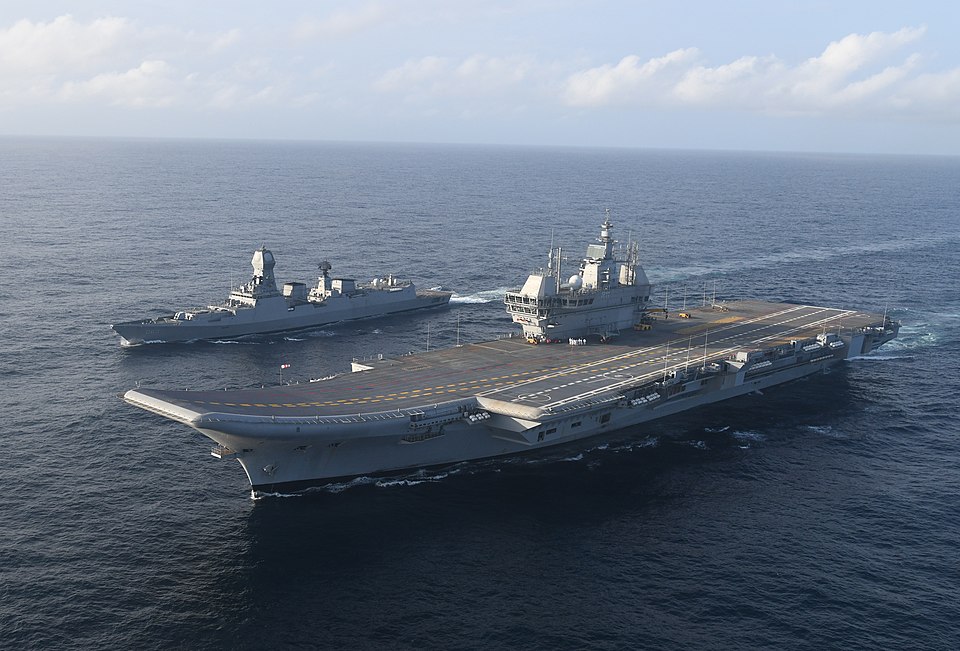
The 336th Naval Infantry Brigade of the Russian Baltic Fleet is being reorganized to form the 120th Naval Infantry Division, and added to the 55th Division of the Pacific Fleet which has been reorganized recently. This is the ninth new division of maneuvers, which is a part of the plan of Moscow to establish five marine divisions. As it has been seen in history, the Soviet Union was equipped with just a single such division; the current build-up has aligned without a proportional amphibious lift, meaning that such formations will be more of a fortified coast-defence division than a strike force. Analysts consider this restructuring as being a training before NATO contingencies.

5. Long-range Ukrainian Strikes strike Russian Petrochemical Hub
On December 23, Ukrainian troops attacked the Stavrolen Petrochemical Plant in the city of Budyonnovsk, Stavropol Krai, and made significant fire. It is one of the largest manufacturers of polyethylene and polypropylene in Russia, providing insulating materials to drone and missile as well as EW systems. The attack is part of a wider campaign by Kyiv to undermine Russian logistics and defense production, as it accompanies attacks on fuel depots and railroads.
6. The innovations of fiber optic drones extend the kill areas
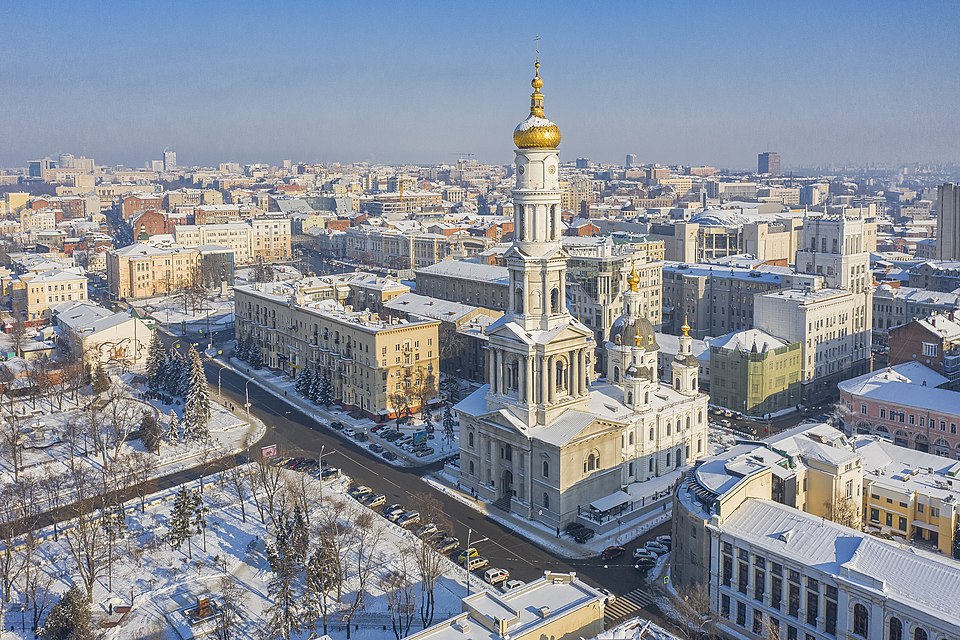
Russian developers have also proposed fiber-optic repeater drones which can manage several strike UAVs to a range of 50-60 km away the operator without Ukrainian EW interference. This increases the reach of the Russian kill zones in Donetsk and Kharkiv and makes it more difficult to supply Ukrainian units and maneuver. The vulnerabilities exist — the visible cable can be cut or repeater destroyed, turning the connected drones useless, but the technology is a significant extension of the 2030 km range of previous operation.
7. Shahed Unmanned Aerial Vehicles (UAV) with R-60 Missiles
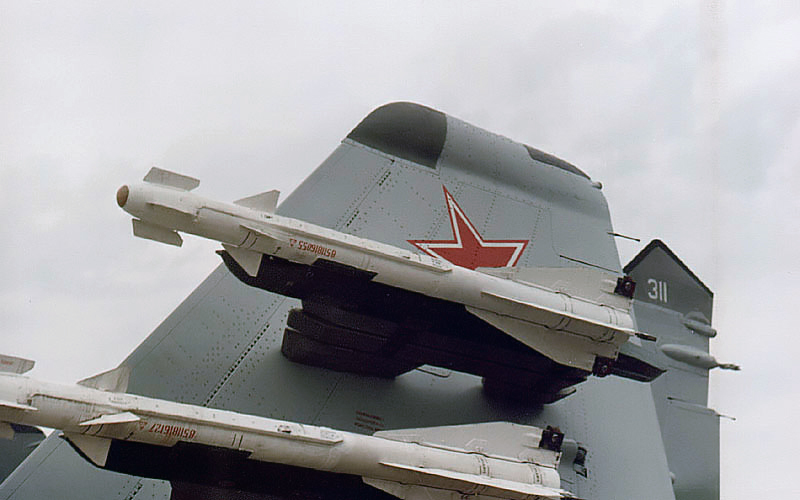
Russia is also starting to arm Shahed/Geran-2 drones with Soviet infrared-guided air-to-air missiles, R-60, to deal with Ukrainian helicopters that shoot loitering munitions. The adaptation makes a few Shaheds aerial interceptors, and Ukrainian pilots have to consider risks of engagement. Although the missile has a low-altitude range of approximately 1.5 km, its proximity-fused continuous-rod warhead could be deadly. At least one such modified drone has already been shot down by Ukraine under interception by an interceptor UAV.
8. Frontline Pressures at Pokrovsk and Kostyantynivka
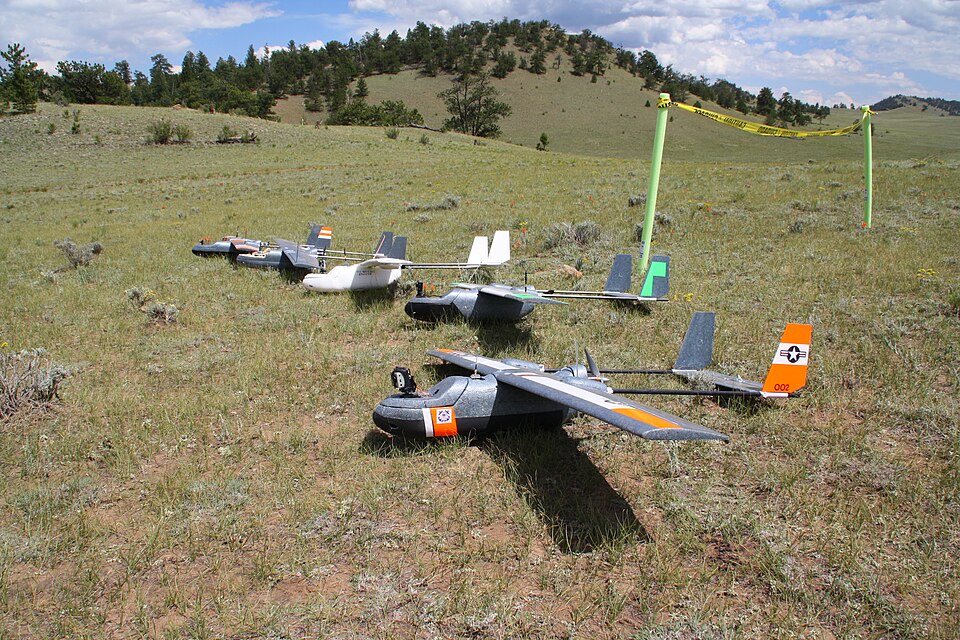
Russian combat units moved south of the T-0504 highway along the Kostyantynivka and in sections of Pokrovsk, however, Ukrainian strikes have recovered territory east of Rodynske. Saturation of Russian drones, as many as 350 FPV strikes in a day on key roads, has driven Ukrainian operators 10km away on the front, hampering interdiction of the battlefield. Suspilne documents have altered drones serving as mothships, which transport smaller FPVs to broaden the reach of strikes to 2530 km.
9. More Rigorous Russian Energies Observed by Hulyaipole Sector
Russian forces of the 127 th and 38 th Motorized Rifle Brigade have advanced 4-8 km toward Hulyaipole threatening the T-0401 highway. Infiltration missions captured on geolocated footage bring flags to Andriivka without any change of control lines. The Ukrainian representatives threaten that Russian troops are advancing to disconnect the GLOCs of the town and that infiltration teams have gotten into the town to within 5 km of the front line.
The December 23 evaluation highlights a war of survival by adapting to pressure. The dependence of massed drone and missile attacks and technological improvements in fiber-optic repeaters and Shahed missile armed are indications of Russia attempting to counteract stalling mechanized maneuver. Counter actions, such as intercepts of F-16s and long-range missiles on Russian industry, are still undermining the operational benefits of Moscow in Ukraine. With the approaching winter, the strategic creativity and strategic stamina will determine whether either faction will be able to overcome the existing stalemate in terms of positions.”


