“Space is not a serene frontier but a crowded, fragile, and increasingly volatile domain. And with the Sun now approaching a period of peak turbulence, the margin for error in orbit has shrunk to an alarmingly thin line. A single geomagnetic storm could trigger cascading failures that wipe out global communications and navigation-no less than our ability to reach space.
Recent studies have unveiled a new, rather ominous metric, the “”CRASH Clock,”” which estimates how long catastrophe might take to occur if satellites lost the ability to avoid collisions. While in 2018, operators might have had months to respond, today they would have less than three days. It is this kind of vulnerability that has stopped being optional knowledge either for professionals or enthusiasts of space.
From the physics of solar storms to the fragility of megaconstellations, and to the sobering historic precedent that shows just how destructive space weather can be, here are nine points that outline the most salient and interesting aspects of this threat:
1. CRASH Clock: From Months to Mere Days
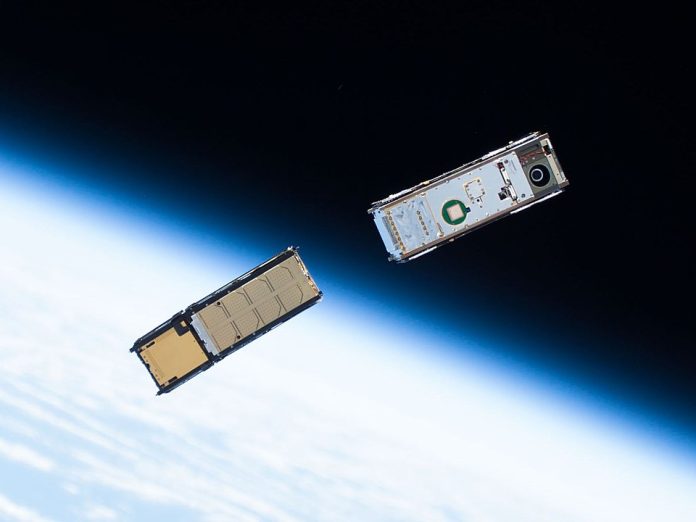
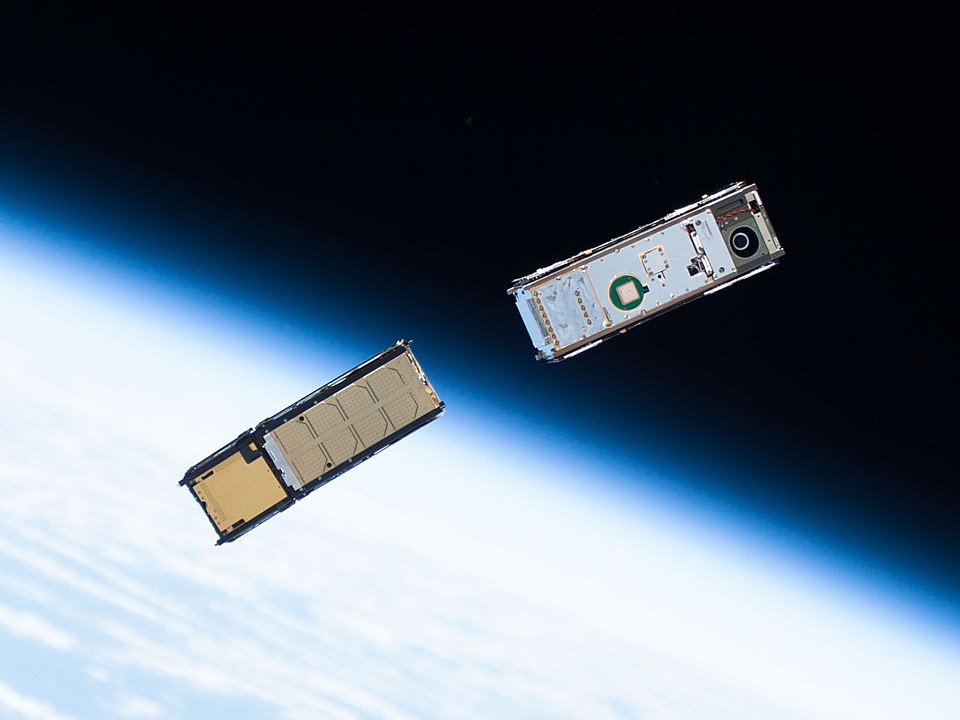
The CRASH Clock quantifies the time to a catastrophic collision in low-Earth orbit should avoidance maneuvers cease. Whereas in 2018 operators had 121 days, by mid-2025 that window had shrunk to just 2.8 days. The rapid proliferation of satellites has been the driver in this dramatic shift-more than 14,000 crowd LEO, including the thousands in mega-constellations like Starlink Of course, solar storms make this danger even worse in that they disable navigation and communications needed for satellites to maneuver. When satellites cannot maneuver, collisions start generating debris clouds in quick succession, creating a chain reaction that has been called Kessler Syndrome. Already today, a 24-hour loss of control carries a 30 percent chance of a major, debris-generating event-a sign of how much orbital safety has become dependent upon faultless operations.
2. Megaconstellations and Collision Risk
Mega-constellations have turned LEO into a dense traffic zone: Starlink alone operates about 9,000 satellites each conducting avoidance manoeuvres-some 41 a year-to avoid close approaches. And rightly so: without such manoeuvres the short timescale of the CRASH Clock becomes a reality. Close conjunctions-constant 1 km proximity events-occur every 22 seconds across all mega-constellations; it is every 11 minutes for Starlink. This can be a precarious choreography to begin with, but solar storms which may affect several thousand satellites at the same time make the required co-ordinated avoidance manoeuvres much more complicated and hazardous.
3. Solar Storm Mechanics & Atmospheric Drag
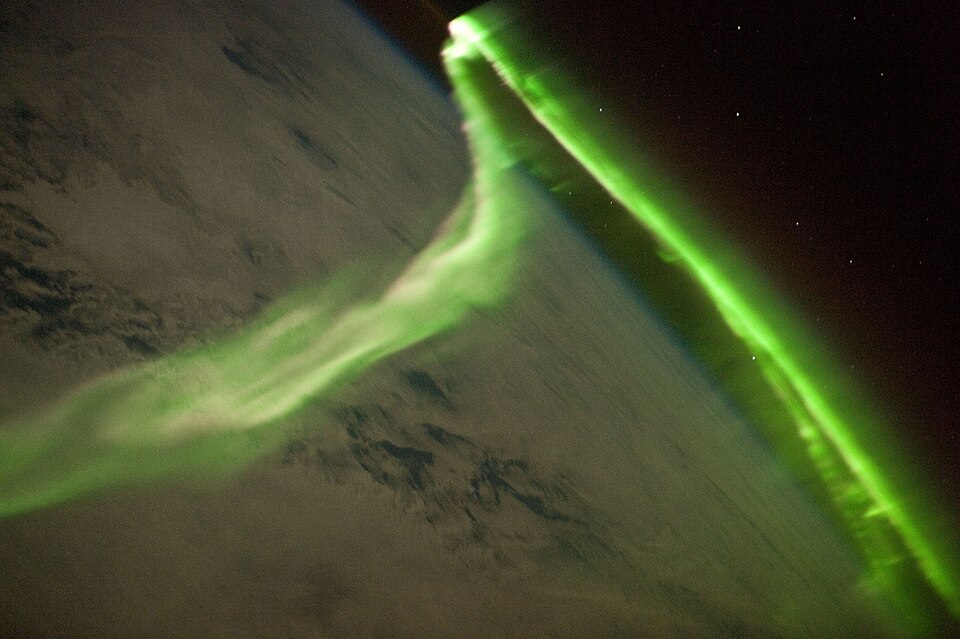
CME-driven solar storms heat and expand the thermosphere, thereby raising atmospheric density at orbital altitudes temporarily. The increased atmospheric density causes increased satellite drag that slows satellites and perturbs their orbits in a manner that increases the risk of collision. This also happened last May during something called the Gannon Storm of 2024, when nearly half of all LEO satellites had to fire thrusters to counter drag. Such density fluctuations may be magnified in the future as rising levels of CO₂ amplify these density variations. Where a storm today might double thermospheric density, in coming decades it could triple it from a lower baseline, creating more volatile orbital conditions.
4. Historical Precedent – The Carrington Event
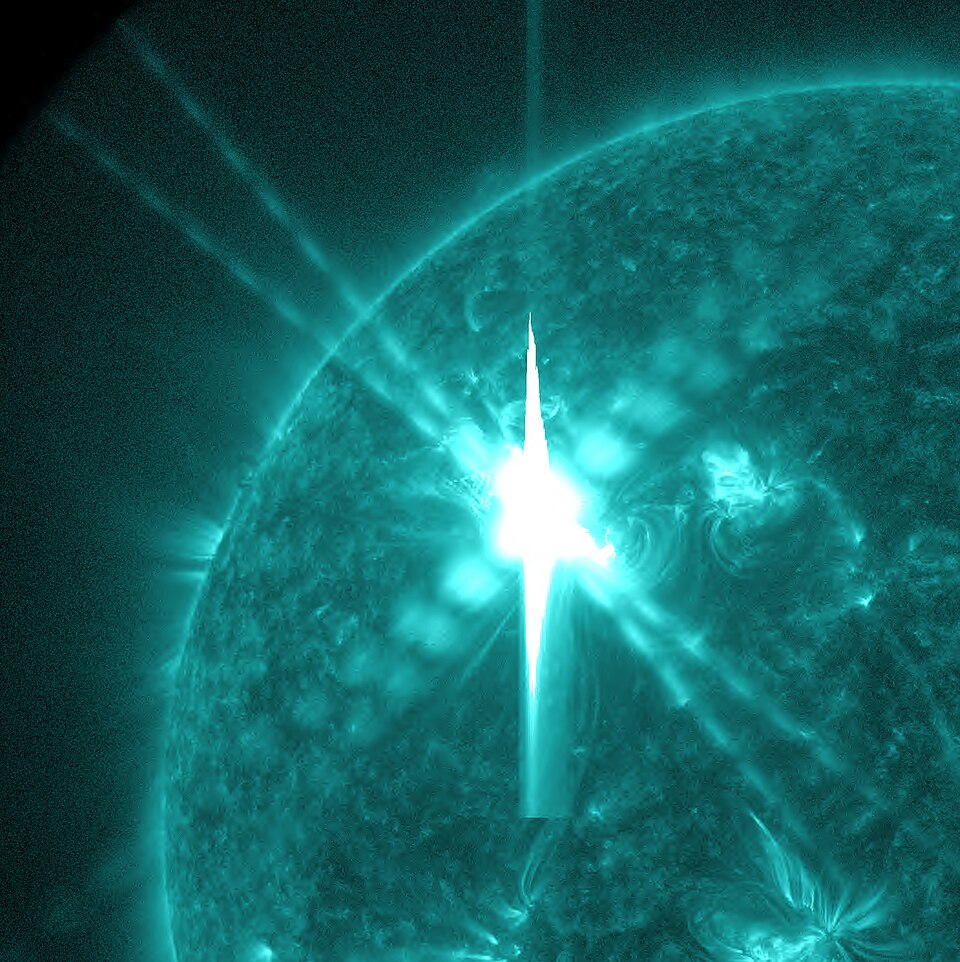
The Carrington Event of 1859 still remains the strongest solar storm on record. During that event, auroras could be seen as far south as the Caribbean, and telegraph systems crashed catastrophically. Experts maintained that a modern-day storm of such size would trigger continent-spanning blackouts, destroy satellites, and knock out GPS and internet infrastructure for weeks or longer. Other, even larger events are preserved in the ice cores-too, including the A.D. 774 Miyake Event that was orders of magnitude larger than Carrington. Taken altogether, these historical benchmarks illustrate that extreme solar storms are not a hypothesis but a certainty over long enough time periods.
5. Space-Weather Effects on Satellite Systems
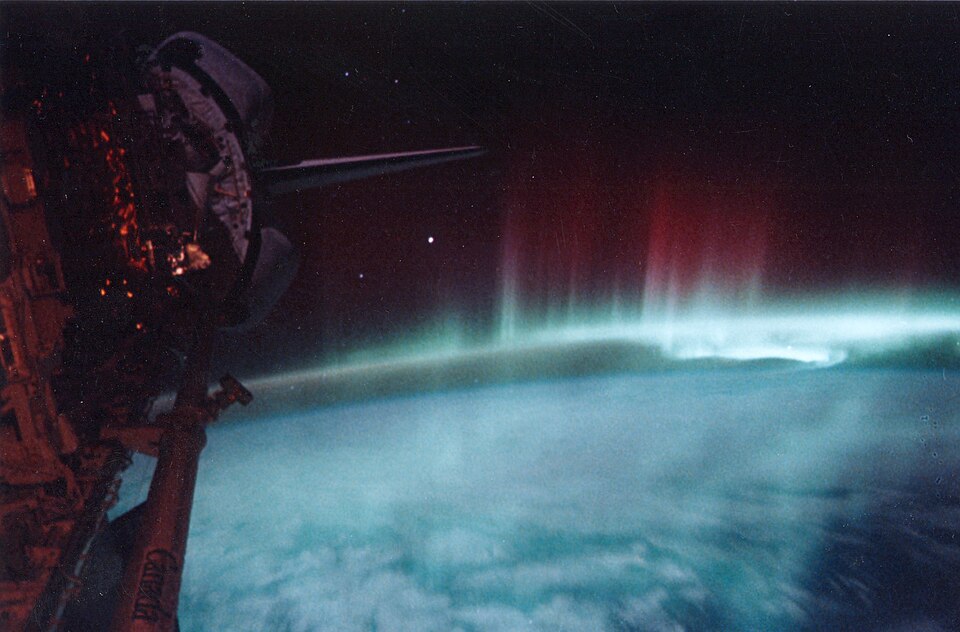
But besides degrading solar arrays, solar energetic particles can blind star trackers and confuse magnetic orientation systems. During heavy flares, navigation signals disappear sometimes for minutes or hours at a time, leaving aircraft, ships, and ground transport without GPS. In addition, radiation can degrade electronics; charged particles can initiate discharges between components in a satellite. A single strong storm might do the equivalent of a year’s worth of wear and tear in days and shorten operational lifespans, causing increased rates of failure throughout fleets of satellites.
6. Kessler Syndrome: The Long-Term Cascade
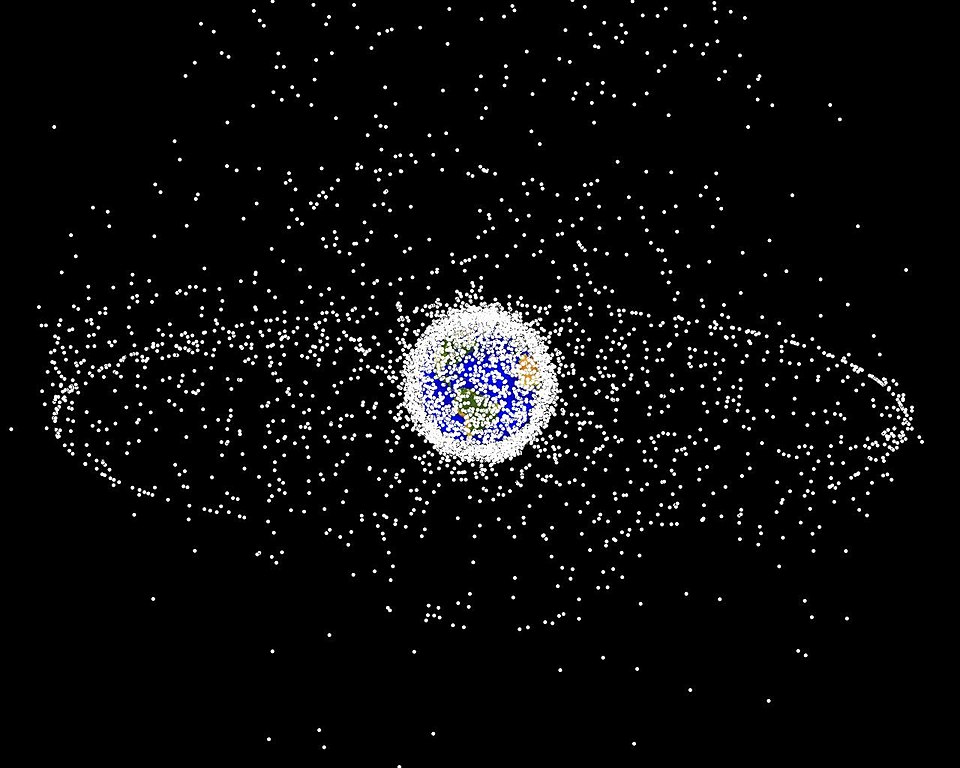
First put forward by NASA’s Donald Kessler in 1978, Kessler Syndrome suggests a self-sustaining cascade of debris that could render certain altitudes of orbit unusable for decades or centuries. Fully developed, onset is slow, but already individual collisions illustrate the potential. Consider, for example, the Iridium-Cosmos smashup of 2009. Yet, for fragments, higher altitudes-800900 km-are even more dangerous, as the material can remain there for centuries. Should a serious collision suddenly create millions of fragments in such a region, then risks for operational satellites and future launches will increase markedly.
7. Starlink’s Storm Response and Performance Issues
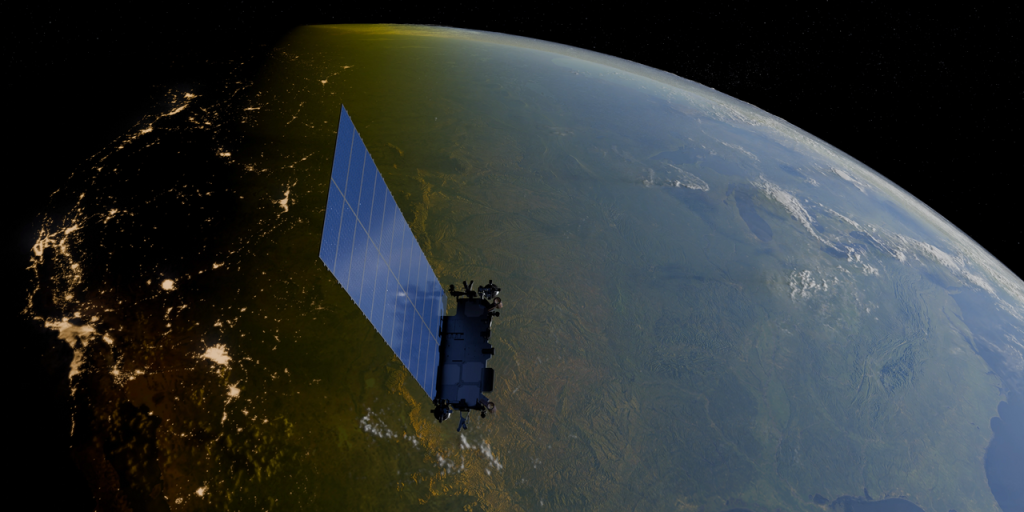
On Starlink, the autonomous management system responds to the drag caused by solar storms. Satellites are positioned higher than their nominal altitude for several tens of days. This will prevent immediate losses, but simultaneously it causes orbital adjustments on other neighbor satellites, and links and routing paths will be disrupted. Indeed, studies of four major CMEs in 2024 suggested that full stabilization may take as long as 3-4 days with sustained increases in network latency. That would raise intriguing questions of whether the current autonomous control algorithms are optimized for extreme space weather scenarios.
8. Economic Stakes and Insurance Concerns
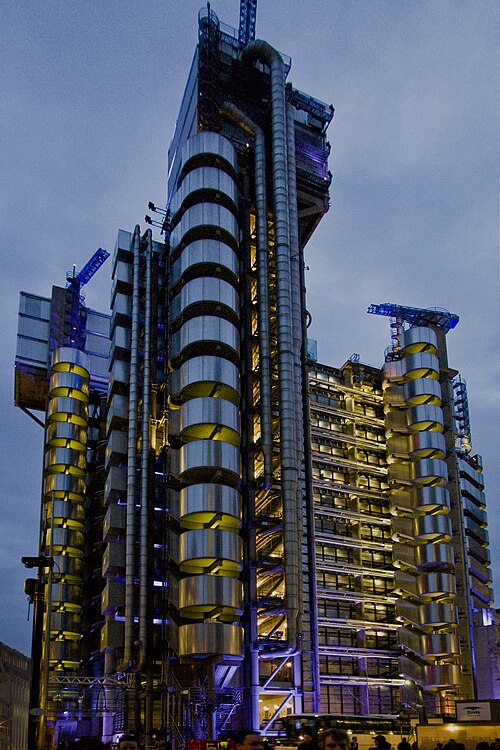
The financial consequences of a serious solar storm could be staggering: Estimates have placed potential damage in the tens of billions of euros, while Lloyd’s of London projects that, in the worst possible scenario, global losses could reach $9.1 trillion over five years. Satellite insurers are cautious. Design defects, inadequate shielding, and reduced redundancy mean greater vulnerability to space weather. Growing claims could mean higher premiums, or less cover, which would dampen commercial LEO development if harder-to-find financing becomes available.
9. Mitigation Strategies & Space Sustainability
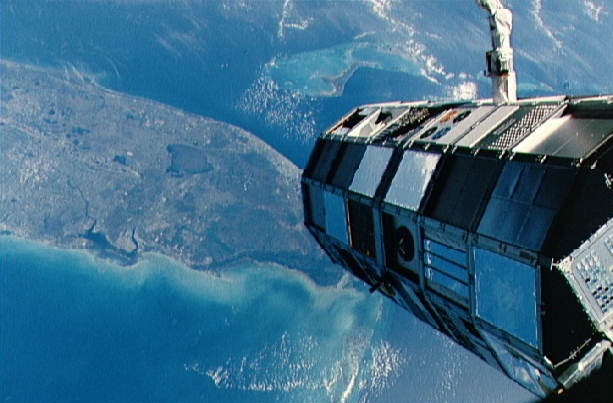
Protection will have to be achieved along several avenues: better shielding, radiation-hardened components, greater redundancy, and enhanced forecasting. A number of missions-operational or in development-in-orbit servicing, debris removal-will contribute to keeping the orbital environment sustainable. Among them is ESA’s ClearSpace-1. Operators can also mitigate risk through quick de-orbiting of non-functional satellites and sparse constellations.
“We need to have reactive removal services available”, says ESA’s Tiago Soares as projected debris growth spirals out of control. The rare combination of solar maximum conditions with dense satellite constellations and fragile orbital infrastructure has narrowed down the already thin safety margin. The 2.8-day warning that the CRASH Clock gives is more than a statistic-it is a measure of how fast global systems could cascade in the event of a serious solar storm. This is the challenge now facing space professionals, scientists, and policy makers: build resilience, or risk not just losing satellites, but humanity’s access to space for generations.”


