
It might be the only machine that can make a jackhammer sound like a lullaby. Gas-powered leaf blowers, with their low-frequency roar and toxic exhaust, are now facing bans and restrictions in more than 200 U.S. cities, counties, and several states. What began as a push to reclaim peace and quiet has morphed into a nationwide movement rooted in public health, climate science and engineering advances in electric lawn equipment.
1. The Expanding Map of Restrictions
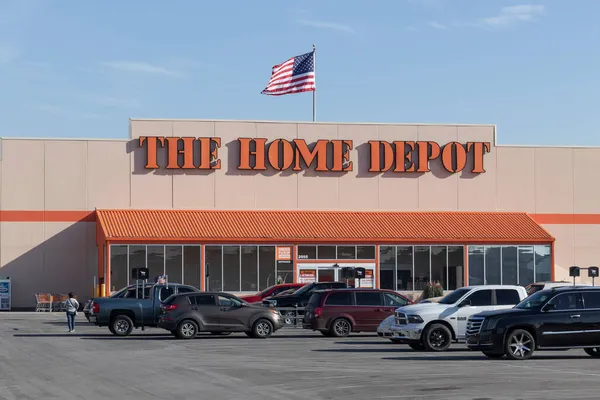
The list grows longer each season, from Arlington County, Virginia’s proposed year-round ban to California’s statewide prohibition on the sale of new gas-powered blowers starting in 2024. The Leaf Blower Regulation Amendment Act of 2018 in Washington, D.C. has fines of up to $500 per offense, while Montgomery County, Maryland, moved from sales restrictions to a full-use ban by July 2024. Several retail giants like Home Depot and Lowe’s have already taken steps to reduce their gas-powered inventory, which is a good indicator that the market is aligning itself with trends in policy.

2. Engineering the Noise Problem
A pilot study of commercially available blowers found that noise levels at the operator’s ear reach well over 100 decibels, akin to a jet taking off, and that noise remains above the World Health Organization recommended 55 dB outdoor daytime limit to 800 feet away. The sound profile is dominated by low-frequency components, which travel farther and penetrate walls. In this study, LEQ values came in 11–12 dB higher than A-weighted readings, underscoring the fact that standard dB(A) metrics underrepresent health impacts from these machines.

3. Pollution by the Numbers
The California Air Resources Board estimates that one hour of blower operation releases as much smog-forming pollution as driving a car for 1,100 miles. In 2020, gas-powered lawn equipment in New York alone emitted nearly 1.4 million tons of climate pollution equivalent to more than 300,000 cars annually. The exhaust mix includes carbon monoxide, benzene, formaldehyde, nitrogen oxides, and fine particulate matter linked to asthma, heart disease, and cancer.

4. Health Impacts on Workers and Communities
Landscapers may run blowers for eight or more hours a day, exposing themselves to noise that can cause permanent hearing damage and inhaling pollutants responsible for cardiovascular and respiratory disease. Children are the most vulnerable, taking in more air per pound of body weight while their organ systems are still in development and most susceptible to environmental toxins. Low-frequency noise has been linked to high blood pressure, sleep disturbance, and even developmental effects at the womb stage.

5. Advances in Electric Equipment
The technology for the batteries has come a long way: manufacturers report up to a 75% increase in shipments of electric-powered lawn tools over five years. Newer lithium-ion systems boast increased energy density, quicker charging times, and less weight than their predecessors to reduce operator fatigue. While commercial landscapers face challenges electric blowers can cost $700 and require thousands in batteries rebate programs are helping offset those costs. Cities like Dallas, Austin, and Louisville offer vouchers while states including Colorado and Massachusetts provide incentives to accelerate adoption.
6. Comparative Emissions Advantage
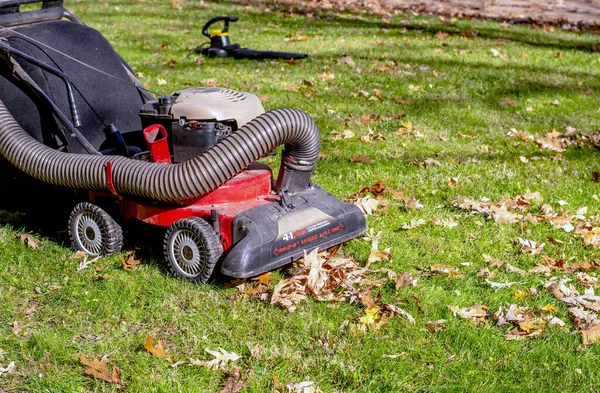
Electric blowers, meanwhile, produce zero on-site emissions and avoid the fuel spills-estimated at 17 million gallons annually-common with gas refueling. Over a typical 10-year lifespan, lower fuel and maintenance costs can make electric models cheaper to own. The absence of combustion also eliminates the unburned aerosolized fuel that two-stroke engines release, reducing both greenhouse gases and hazardous air pollutants.

7. Political and Industry Pushback
Not all states welcome restrictions. Texas passed SB 1017, which bars local bans based on fuel source, and Florida has tried similar legislation. Industry groups are quick to express how bans can negatively impact small businesses in landscaping, especially in communities highly dependent on low-wage workers. The American Green Zone Alliance speaks to the need for transition phases and appropriate incentives in order to avoid economic hardship while meeting environmental objectives.
8. Rethinking Lawn Care Aesthetics
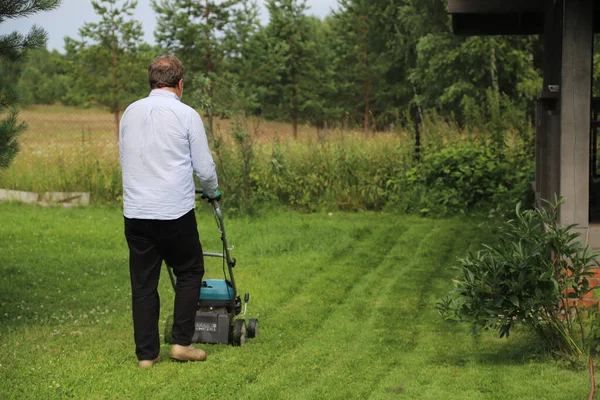
Experts say changing customer expectations can help ease the transition. Leaving some leaf litter supports pollinators, improves soil quality, and reduces cleanup. Mulching practices-chopping the leaves with mowers into nutrient-rich pieces-can be conducted using electric mowers, meaning blowers are not needed at all. Landscaping with native plants and decreasing areas of turf further reduce maintenance needs and pollution.
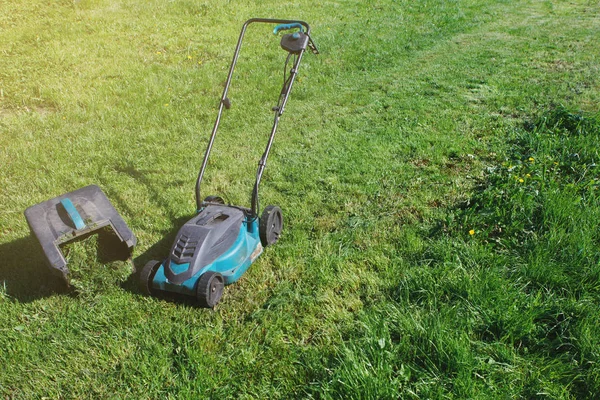
As municipalities weigh bans, restrictions, or incentives, the engineering case for electric lawn equipment grows stronger. Advances in battery performance, emissions-free operation, and noise reduction are lining up with public health priorities, offering a pathway to quieter neighborhoods, cleaner air, and reduced climate footprint. The question is no longer whether communities will act, but how quickly they can engineer the transition.


