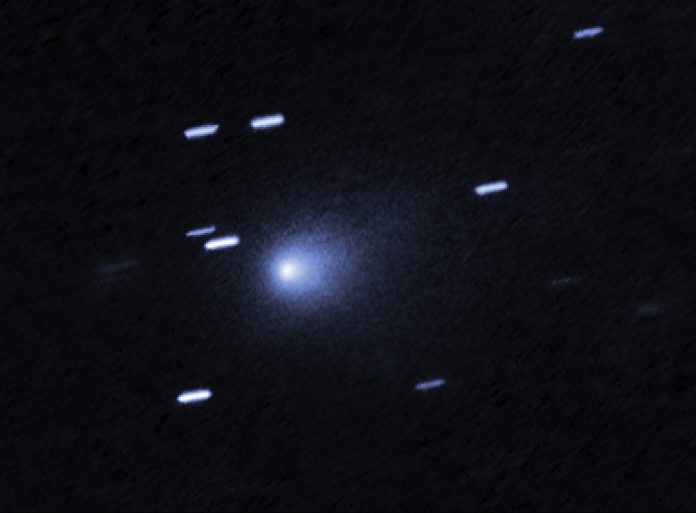
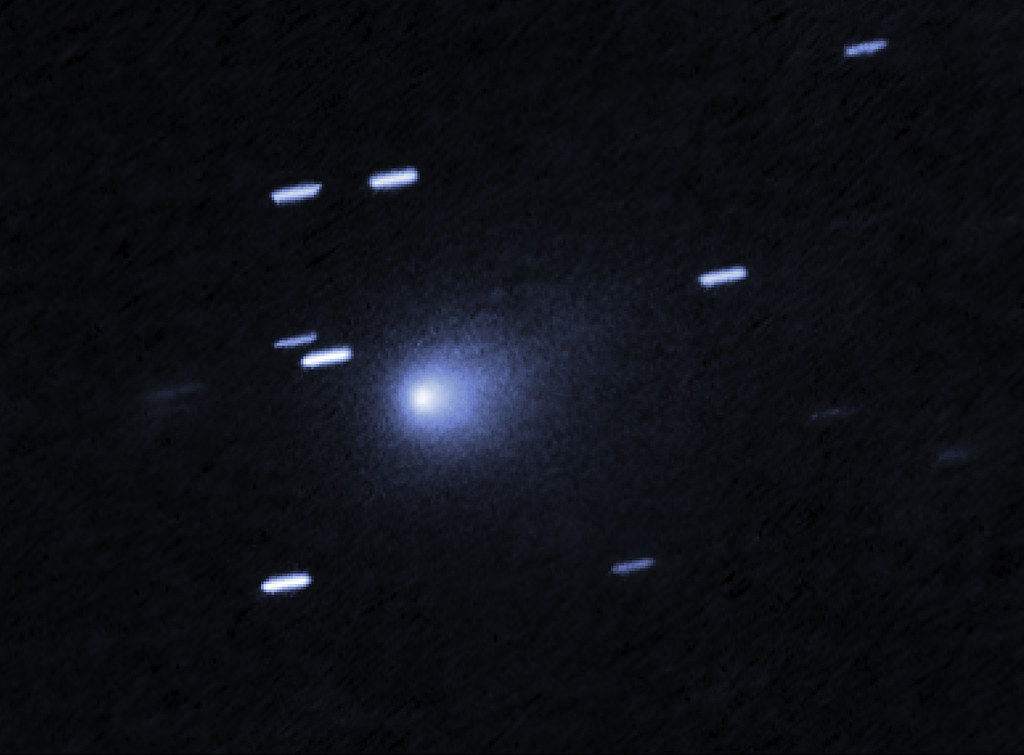
“It looks like a comet. It acts like a comet. But it also does things no comet should do.” So said NASA scientist Tom Statler, capturing the strange duality of 3I/ATLAS-the third confirmed interstellar visitor to our solar system. Since its discovery on July 1, 2025, this high-speed object has sparked something of a scientific tug-of-war between conventional cometary explanations and more exotic hypotheses, including the possibility of alien technology.
While planetary scientists by and large regarded 3I/ATLAS as a rare but natural comet, Harvard astrophysicist Avi Loeb contended that such anomalies call for considering its technological origin seriously. From abnormal chemical signatures to improbable orbital alignments, the object’s behavior has rekindled high-profile debates reminiscent of the controversies accompanying 1I/ ‘Oumuamua in 2017.
Here are nine of the most intriguing clues and theories, based on observation but open to speculation, which could rewrite how humanity interprets this cosmic messenger.

1. Unlikely Orbital Alignment
The trajectory of 3I/ATLAS is aligned within only five degrees from the ecliptic plane-the flat disk in which the planets orbit around the Sun. Loeb estimated that the probability for such alignment could be 0.2% and might be intentional. He speculated that such a trajectory might be intended for reconnaissance regarding planetary systems, especially given its path near Jupiter’s Hill Radius, beyond which minimal fuel is required to stay in position.
NASA’s Jet Propulsion Laboratory data put the closest approach of the comet to Jupiter in March 2026 at approximately 53.45 million kilometers. Loeb called for countersurveillance by spacecraft, such as Juno, to look for possible secondary objects in orbit. Critics argue that post-hoc probability calculations can be misleading, but the accuracy in the alignment remains a surprisingly distinctive feature.

2. The Sunward Anti-Tail
Hubble Space Telescope images taken on July 21, 2025, showed a collimated jet pointing toward the Sun an “anti-tail” extending more than 600,000 miles. Cometary tails normally point away from the Sun, driven by solar wind pressure. Thus, this geometry is quite unusual.
Loeb said it could be a shield-like structure deflecting solar particles. Planetary scientists explain that sunward jets have been observed before, though rarely at this scale, and can result from dust ejection geometry. The persistence and length of 3I/ATLAS’s anti-tail keep it on the anomaly list.
3. Polar Axis Alignment
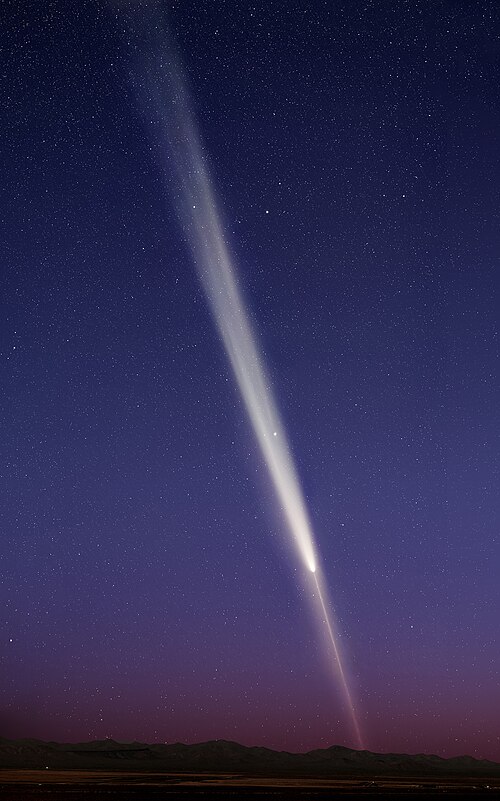
The anti-tail’s orientation is within eight degrees of the poles defined by the comet’s rotation axis-a configuration Loeb says can be produced by chance with only a 0.5% probability. This alignment could conceivably optimize solar shielding or energy collection.
Other natural explanations include coincidental matching of outgassing jets with rotational geometry. Whether it is engineered or accidental, the precision of the alignment adds to the comet’s curious profile.
4. The WOW! Signal Connection
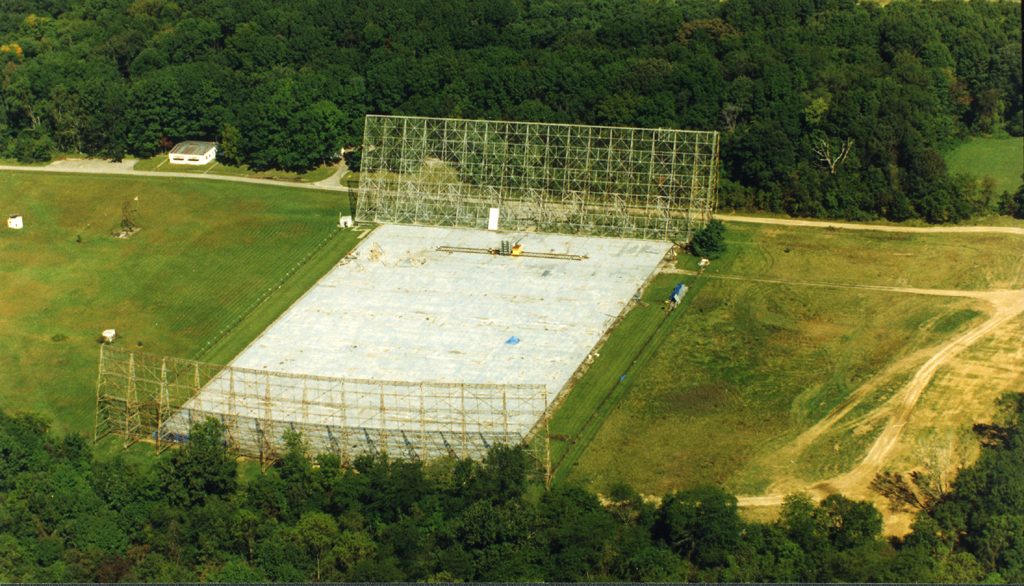
In August 1977, the Big Ear radio telescope picked up the famous “WOW!” signal at 1420 MHz, the frequency of hydrogen. Loeb’s analysis places the origin of 3I/ATLAS within nine degrees of that signal’s source region, with a calculated coincidence probability of 0.6%.
The slight blue shift of the signal was consistent with the comet’s inbound motion toward the Sun. Although most SETI researchers believe the WOW! signal was a terrestrial or instrumental artifact, the spatial and velocity correlations have revived speculation.

5. Nickel Without Iron
Spectroscopy taken with the European Very Large Telescope’s UVES instrument showed a gas plume rich in nickel but deficient in iron-a ratio far higher than that detected in thousands of comets. Industrially produced nickel alloys share this characteristic, Loeb says, leading him to suggest a technological source.
Researchers point out that there can be wide compositional variation in comets; further, some models of cometary chemistry permit outgassing rich in nickel at great heliocentric distances. However, the persistence of this high nickel-to-iron ratio over several observations makes this one of the most discussed anomalies.
6. Large and Quick
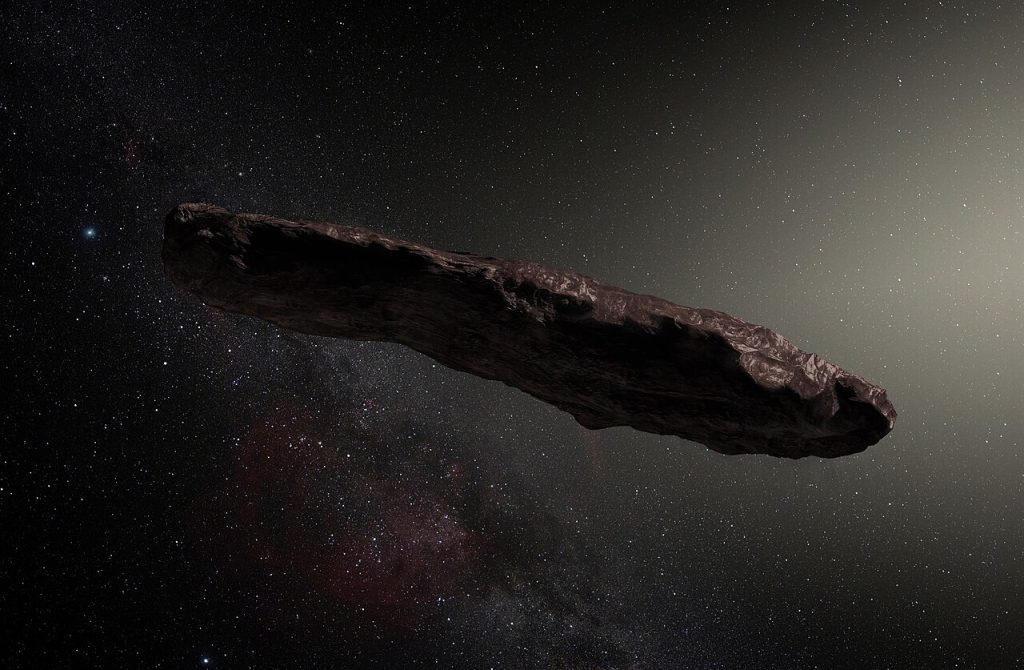
Hubble observations estimate that 3I/ATLAS’s nucleus is as large as 5.6 kilometers in diameter, its mass around 33 billion tons far larger than predecessors 1I/’Oumuamua and 2I/Borisov. Its inbound speed at perihelion reached 153,000 mph.
Loeb argues that such a large interstellar object arriving once a decade cannot happen without targeting. The planetary scientists counter that size diversity among interstellar objects should be expected, especially given the limited sample of three confirmed cases.
7. Rapid Brightening and Blue Hue
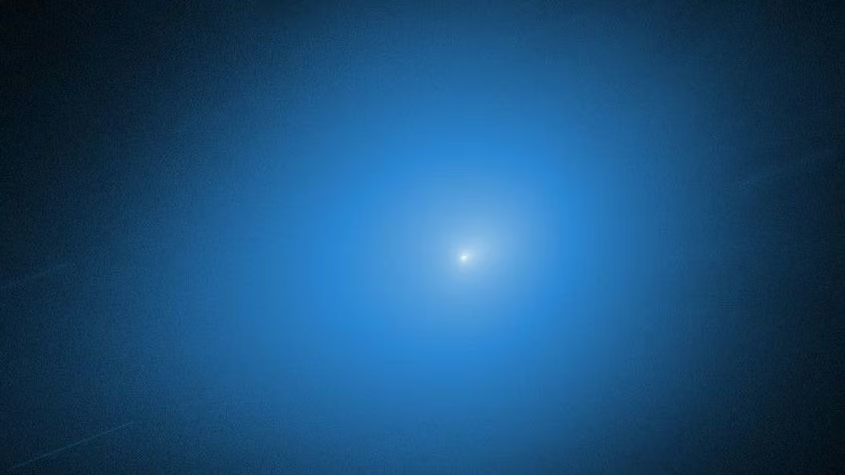
Near perihelion, 3I/ATLAS brightened more quickly than any known comet and was bluer than the Sun. Loeb suggested ionized carbon monoxide or even a hot propulsion system.
Cometary scientists attribute the color to gas composition in the coma, noting that many comets scatter blue light. The speed of brightening may be due to the comet’s unusually fast approach to the sun, but it remains one of the most extreme outliers for the behaviors observed.

8. Surviving a Solar Storm
As it approached the Sun, 3I/ATLAS withstood an extreme solar storm without breaking apart-a performance so far unmatched by any of the known comets. This resilience has led some people, including physicist Michio Kaku, to muse about engineered robustness.
From a natural perspective, the comet’s large mass and structural integrity may simply have exceeded the destructive threshold of the storm. Nevertheless, to have survived under such intense conditions adds to its mystique.
9. The Juno Intercept Opportunity
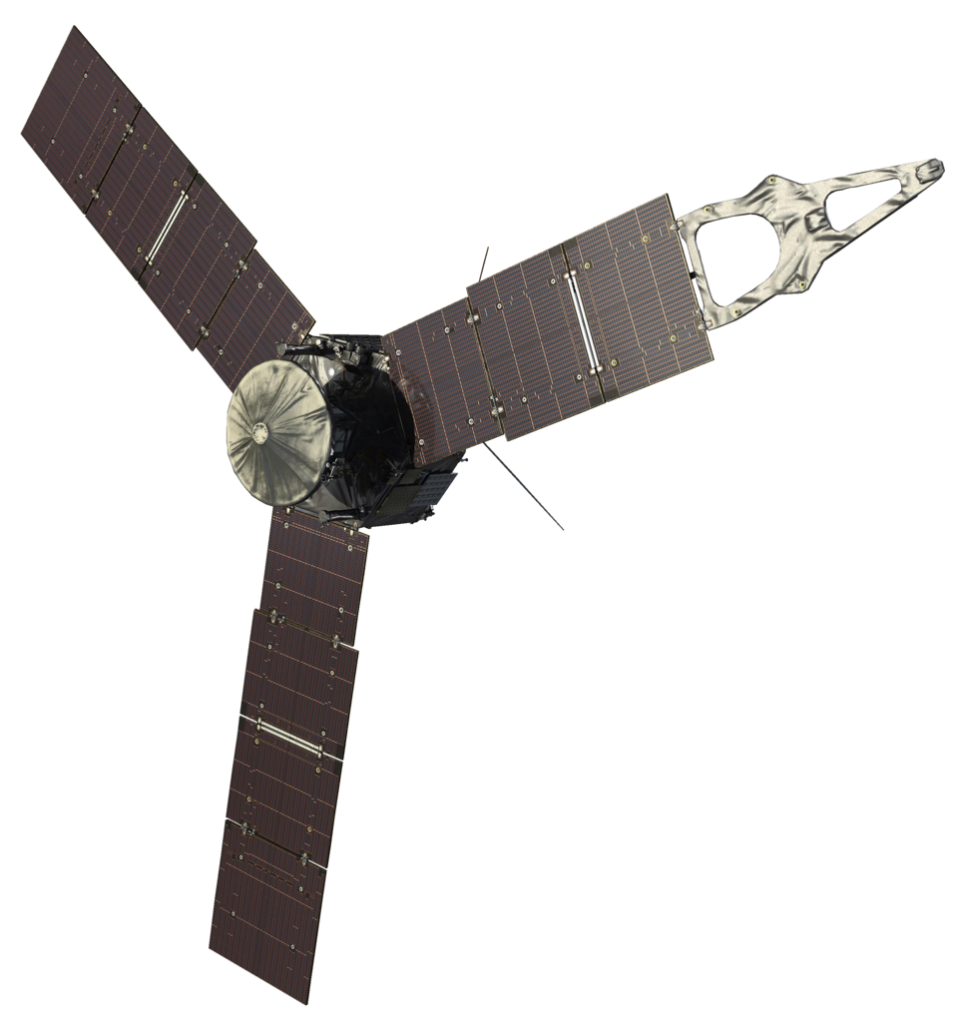
One study by Loeb and co-authors details how it could be possible to maneuver NASA’s Juno spacecraft to come within 27 million km of 3I/ATLAS during its flyby of Jupiter in March 2026, provided the mission has sufficient fuel reserve. The impulse required would be as low as 0.23 km/s using a Jupiter Oberth maneuver. A close pass would let Juno’s suite of instruments-from spectrometers to particle detectors-probe the comet’s composition and activity far better than Earth-based telescopes. Whether or not the anomalies point to alien technology, such an intercept could yield unprecedented data on an interstellar visitor.
Whether 3I/ ATLAS is a very quirky comet or an interstellar probe, its passage constitutes a rare opportunity to test our theories of interstellar phenomena. The improbable alignments, strange chemistry, and resilience against solar attack now ensure it will remain a focus, both for scientific investigation and speculative imagination. As the Rubin Observatory will begin to identify many such objects over the course of the coming decade, lessons learned from 3I/ATLAS might shape how humanity greets the next messenger from the stars.


