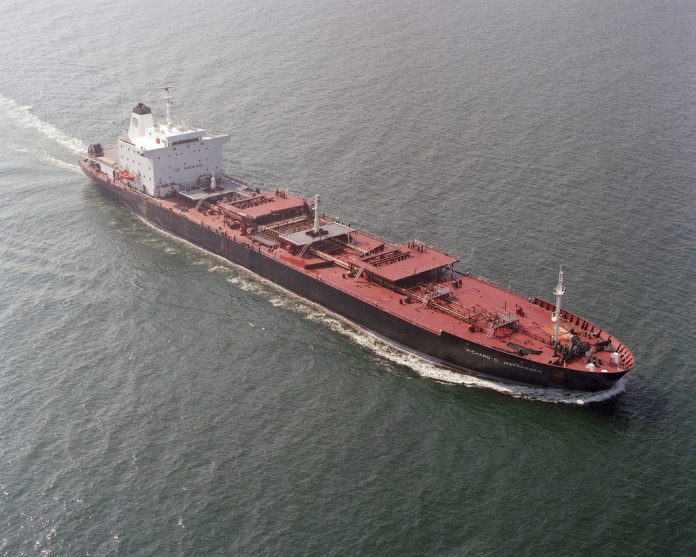
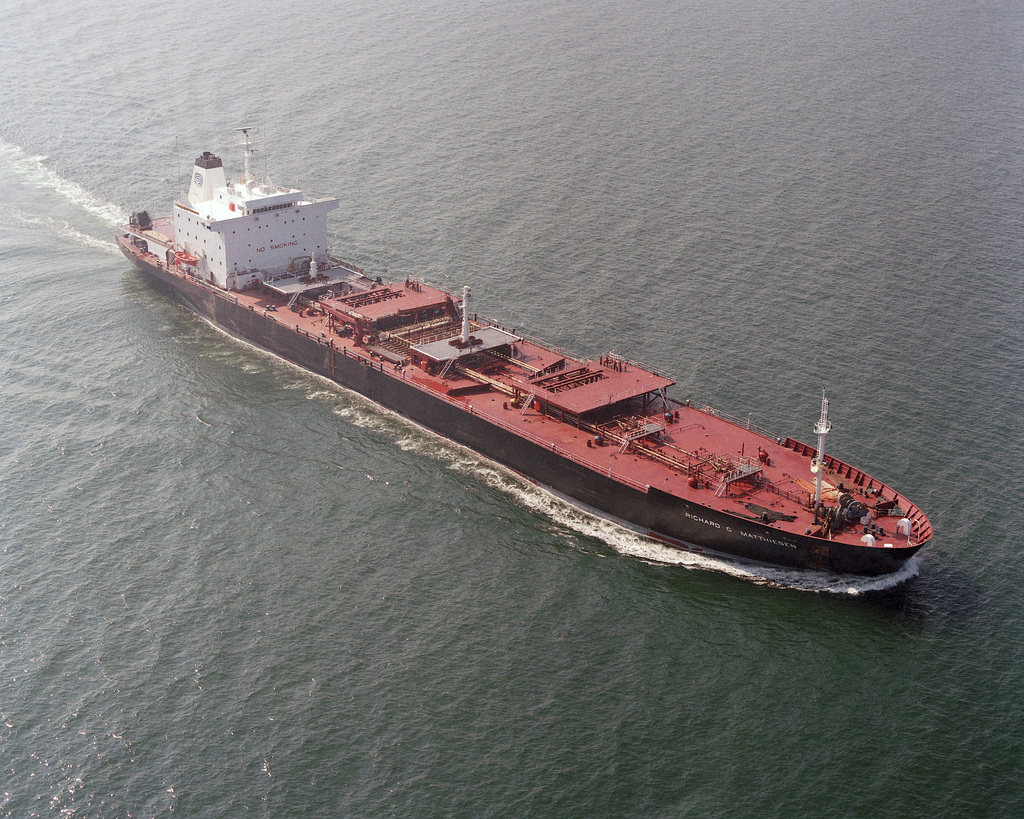
The United States has ramped up its maritime sanctions enforcement to levels not seen in years with the seizure of a mammoth Venezuelan oil tanker during a daring raid. Helicopter-borne armed teams were part of the operation that targeted squarely the so‑called “shadow fleet”-a secret fleet of ships transporting banned oil for the regimes in Caracas, Tehran, and Moscow. The seizure of the Skipper is more than a single interdiction; instead, it represents a movement away from financial measures toward physical interdictions on the high seas.
The repercussions of this move have trickled down through geopolitical, economic, and maritime security spheres. It speaks to the mechanics of illicit oil transport, the vulnerabilities of sanctioned states, and the evolving tactics of enforcement authorities. To the defense analyst, energy trader, and maritime professional, the case of the Skipper provides a revealing snapshot of how sanctions enforcement is adapting to an era of complex, opaque shipping networks.
1. The Skipper’s Capture and Tactical Execution
On December 10, US forces boarded and seized the Skipper, a very large crude carrier loaded with Venezuelan oil and allegedly bound for Cuba. Attorney General Pam Bondi confirmed that the FBI, Homeland Security Investigations, and the Coast Guard executed a judge‑approved seizure warrant. Video released by the Department of Homeland Security showed armed personnel fast‑roping from helicopters onto the deck before securing the bridge. The warrant cited the vessel’s history of transporting sanctioned Iranian oil and its use of a false Guyanese flag. According to MarineTraffic and TankerTrackers.com, the Skipper had spoofed its position to appear off Guyana while actually loading crude at Venezuela’s Jose terminal. The U.S. Treasury lists its owner, Triton Navigation Corp., as part of a network critical to Iran’s Hezbollah oil smuggling operations.
2. Shadow Fleet Networks and Their Scale
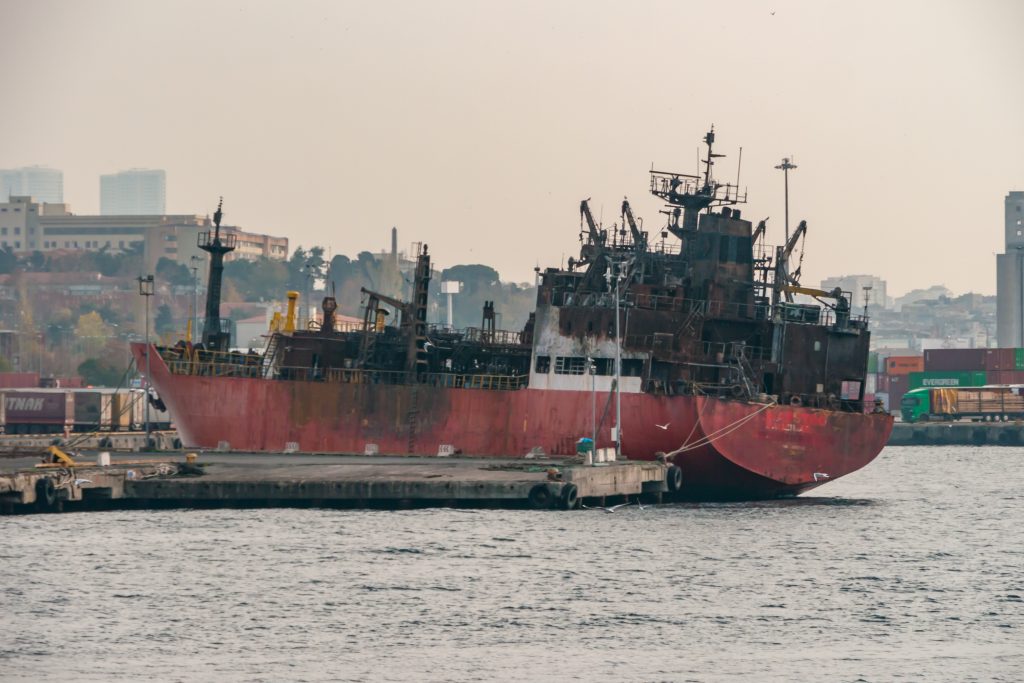
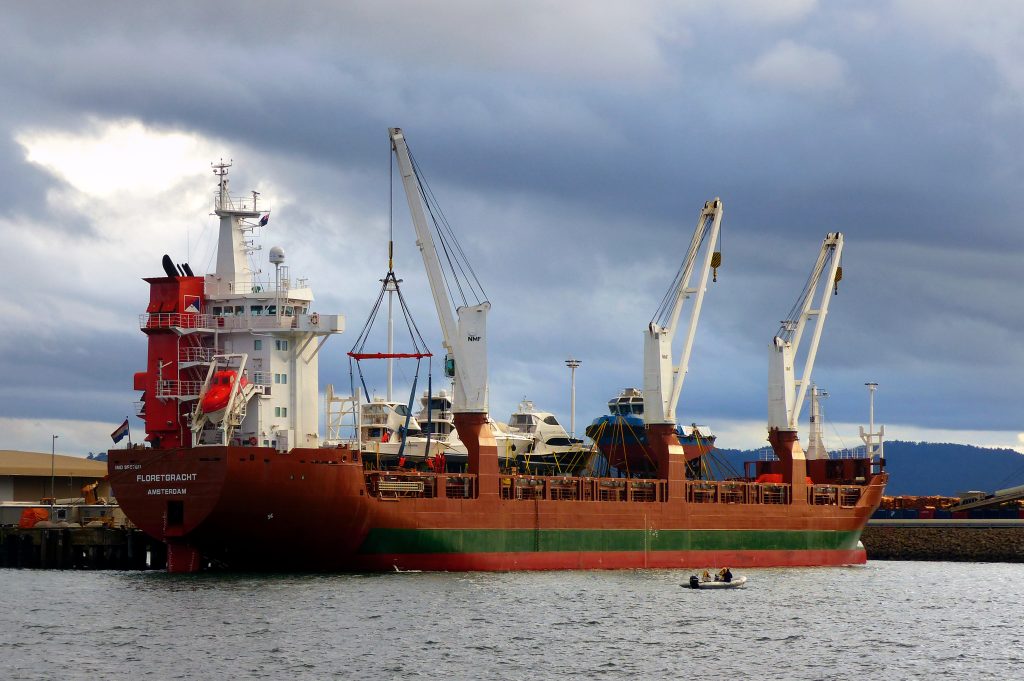
The Skipper is part of a vast “phantom” or shadow fleet, comprised of aging tankers with ownership structures that are not transparent, many registered in flag states with limited oversight. Estimates by analysts indicate that some 3,300 such vessels operate worldwide and move about 6% to 7% of global crude flows. Tactics such as disabling AIS transponders, ship-to-ship transfers conducted in remote waters, and the usage of falsified registration documents have been used. The U.S. has sanctioned more than 170 vessels for illicit oil transport; various governments and organizations have designated more than 1,000. Sanctions on Russia, Iran, and Venezuela have fueled the growth of this fleet, which has become a parallel shipping economy that often operates in a blind spot for regulations.
3. False Flags and Regulatory Loopholes
This has given rise to a preferred method of evasion: false flagging. In the first three quarters of 2025, 113 Russian shadow vessels flew unauthorized flags, carrying €4.7 billion worth of oil. The most common was Malawi’s, despite the country having no maritime registry. Multiple states whose flags were fraudulently used have alerted the International Maritime Organization. Flying under a false flag invalidates the vessel’s insurance and classification, posing an increasing environmental and security risk. According to CREA, the number of false-flagged ships has increased sixfold since late 2024, putting fresh impetus on the need for harmonized flag state regulations and stricter oversight of registries.
4. Strategic Significance for Venezuela
The Skipper’s loss is both symbolic and material for Caracas. Less than 1 million barrels a day of Venezuela exports, and less than 20% of this moves on shadow tankers, yet the seizure warns that Washington is ready to physically stop cargoes. As analysts said, 30 of the 80 tankers waiting in turn to load Venezuelan crude are under sanctions, representing a substantial enforcement target set. The president, Nicolás Maduro, decried the seizure as “criminal naval piracy” and promised not to be turned into an “oil colony.” But a scenario of repeated seizures has the potential to raise freight costs, force deeper discounts on buyers like China, and stress the country’s already fragile export apparatus.

5. Implications for Global Oil Markets
Market reaction to the Skipper’s seizure was muted: U.S. crude prices rose about 1% to just under $59 a barrel. Observers like David Goldwyn say the direct supply impact is modest, given Venezuela’s small share of global output. Jorge León of Rystad Energy, by contrast, warns such interdictions inject risk into key sea lanes-creating a “geopolitical floor” in prices. Beyond Venezuela, similar tactics could be applied to Iranian and Russian shipments, potentially tightening certain regional markets and altering tanker availability for the sanctioned exporters.
6. Enforcement Technology and Tracking
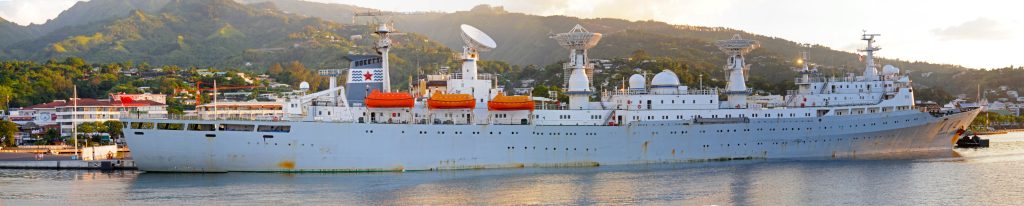
The skipper’s interception showcased how satellite imagery was integrated with AIS anomaly detection and human intelligence. Despite spoofing its location, enforcement agencies still pinpointed its true position at the Jose terminal. This mirrors the MARINE methodology used to identify illicit ship‑to‑ship transfers in hubs like the Laconian Gulf and Hurd’s Bank. Capabilities like these show that even the most sophisticated deception can be exposed, raising the operational risk for operators and clients of shadow fleets.
7. Military Dimension and Regional Posture
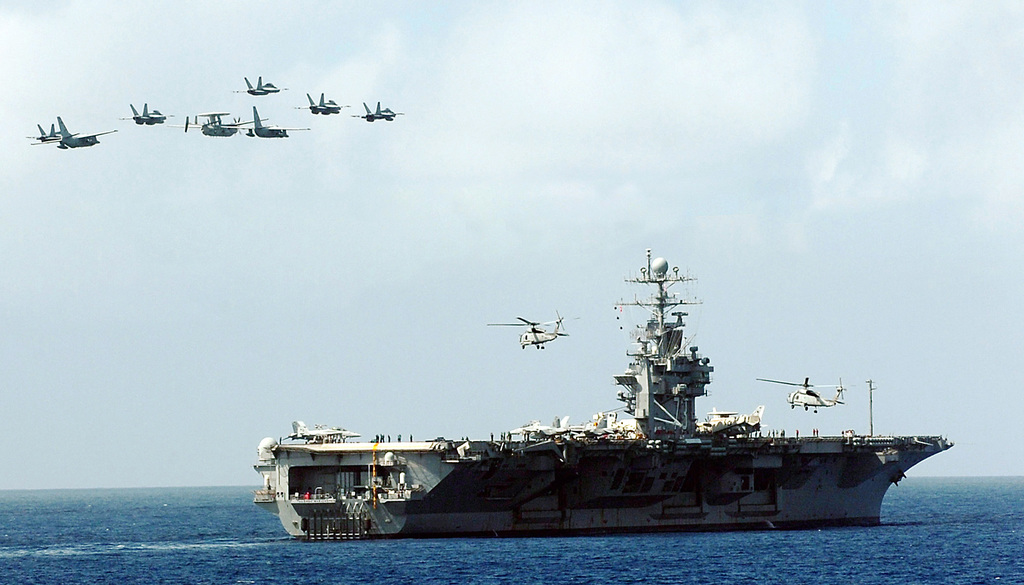
The seizure comes amid a wider US military build‑up in the Caribbean, where President Trump is openly discussing a “total and complete blockade” of oil tankers under US sanctions. American warships have already conducted lethal strikes on suspected drug‑running vessels linked to the Venezuelan military. This kinetic enforcement posture blurs the line separating sanctions policing from power projection, showing adversaries that maritime interdiction now unquestionably features in Washington’s toolkit.
8. Ripple Effects on Iran, Russia and China
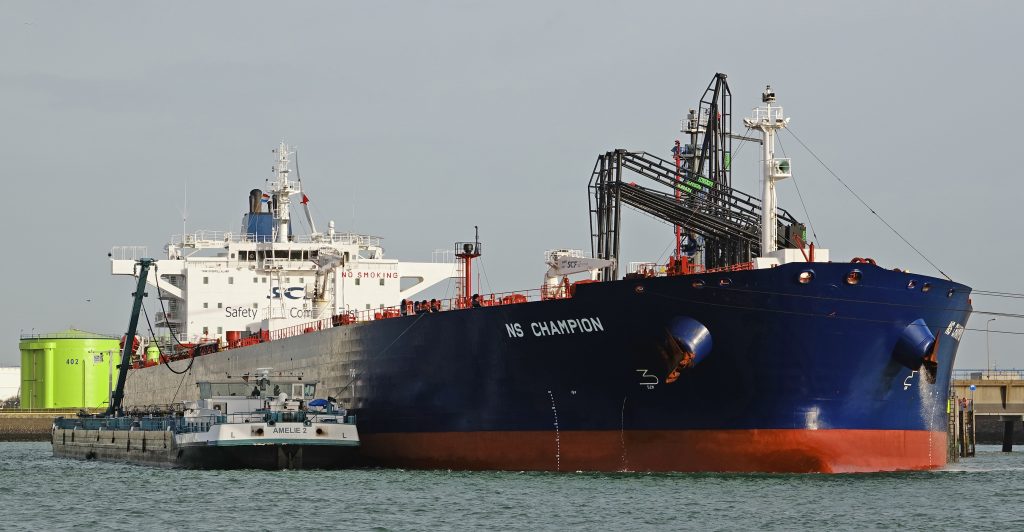
Shadow tankers are integral for Iran’s crude exports to China, while Russia’s supplies to Asia are also heavily dependent on them. Diverting vessels from Venezuela could help free capacity for Tehran, while Russia’s dependence has slackened slightly with the discount on Urals prices falling below the G7 limit. Yet, a prolonged seizures spree could embolden other sanctioning authorities to act in chokepoints like the Danish Straits, through which nearly half of sea-borne Russian crude passes. Given that it sources more than a quarter of its imports from sanctioned suppliers, China must weigh the growing risk of tanker interdictions against its strategic stockpiling and efforts to diversify suppliers.
9. Escalation Risks and Future Outlook
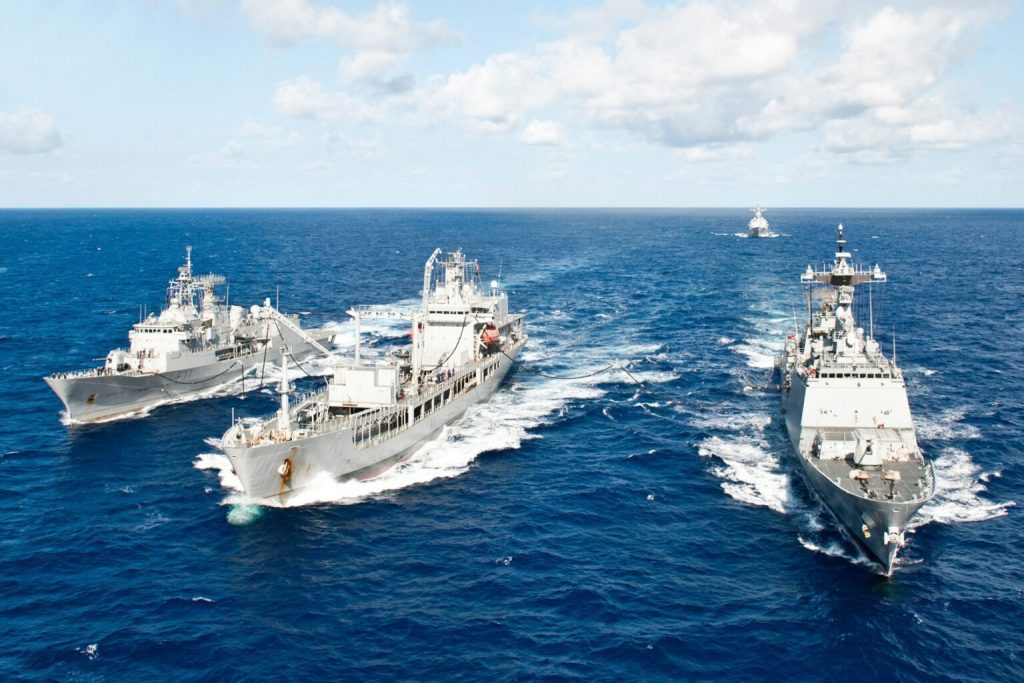
The Skipper operation coincides with Ukraine’s increased attacks on Russian shadow tankers in the Black Sea and the Mediterranean to cut Moscow’s revenues from the war. Together, U.S. seizures and Ukrainian strikes increase the hazard profile for illicit oil movements. Analysts also warn that as these sanctions are enforced more and more, targeted states may respond asymmetrically at sea, raising the potential for incidents involving neutral shipping. The maritime domain is becoming a more contested space where sanctions enforcement, military strategy, and global trade intersect. The seizure by the Skipper marks a decisive turn in sanctions enforcement, from financial isolation to physical interdiction. For professionals in the maritime trade, it drives home the need for enhanced due diligence; for defense analysts, it shows the blend of economic policy and naval power; and for the policymakers, it’s a question of managing escalation in the contested waters. As the shadow fleets adapt, so will the methods deployed to counter them, meaning this will be a dynamic front in global geopolitics for quite some time.


