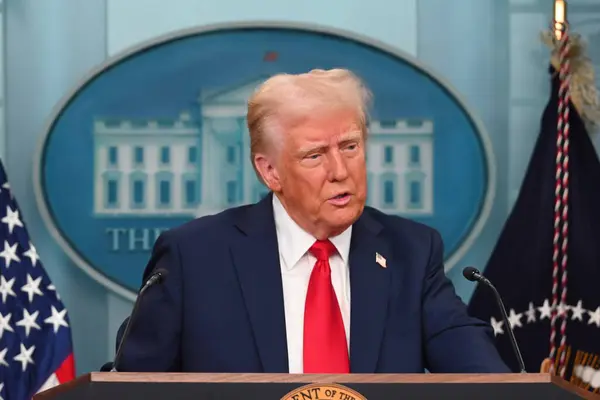
“Armed attacks on nuclear facilities must never occur,” said IAEA Director General Rafael Grossi in June of last year. However, the actions of the United States and Israel directly went against his statement, as they launched the strongest attacks on Iran’s nuclear program in the last several decades. Today, several months after the attacks, President Donald Trump continues to raise the bar on his previous threats and said, +We will knock the hell out of Iran should they ever decide to rebuild the Iranian nuclear program. Successful Chairmen and leaders have momentum, Mr. Netanyahu. They make things happen, and they make things happen while momentum is on their side.
For defense experts and observers of Iran, the June crisis and its aftermath signify much more than just another escalation between the US and Iran. The largest conventional bomb deployed by the US, the loss of Iran’s missile shield momentum, and coupled tensions mean that there is much to be derived from these events regarding future warfare and the current state of security affairs. Here are ten takeaways.
1. Trump’s Renewed Threats and Strategic Messaging
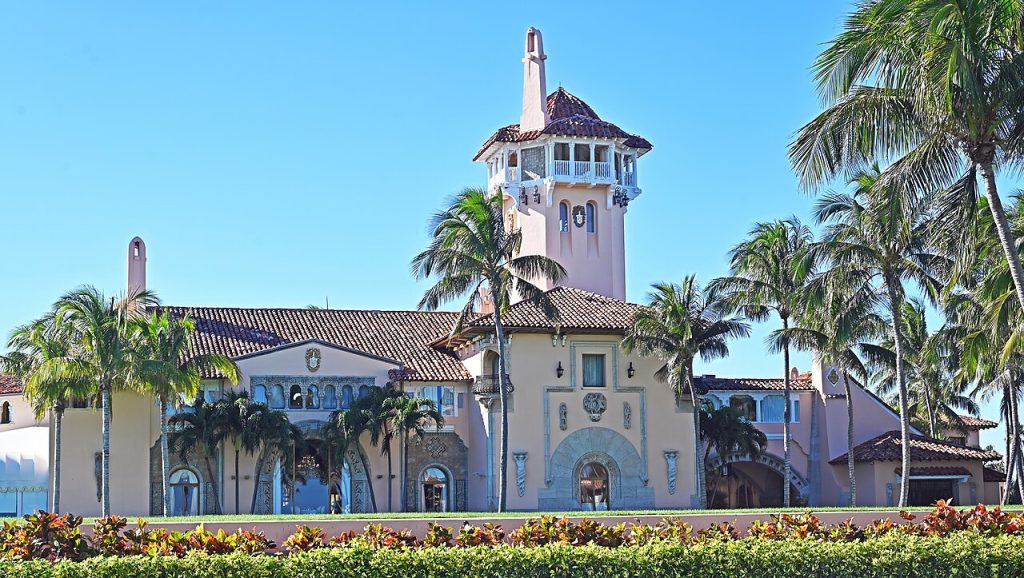
Trump’s comments at Trump’s Palm Beach resort, Mar-a-Lago, were a clear warning: if Iran begins to rebuild its nuclear program, there will be a strong response from the United States. The United States’ position was connected to its willingness to support a possible strike by Israel on nuclear and missile infrastructure sites in Iran. The fact that the comments came after military exercises by Iran, which included missile testing, was evidence of a commitment to show strength to Iran and to encourage it to avoid testing United States’ resolve. The presence of Netanyahu in Trump’s Palm Beach resort further underlined Iran’s position as a common threat to Israel and the United States.
2. Operation Midnight Hammer and the Combat Debut of the GBU-57
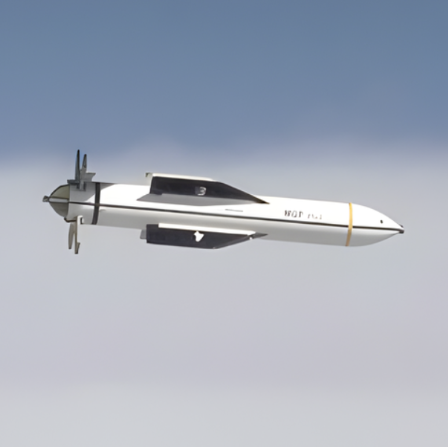
These were the first combat deployments of the 30,000-pound GBU-57 Massive Ordnance Penetrator bombs, which were released from B-2 Spirit stealth bombers targeting Fordow’s ventilation shafts and Natanz’s underground buildings. Washington-reported effects were “extremely severe” as an explosion and pressure wave swept the tunnels. Debris patterns and destroyed entry points were observed from satellite photos, but it is not certain that Fordow’s inner centrifuge buildings were destroyed.

3. Conflicting Estimates of Nuclear Program Damage
Though Trump and Israeli leaders asserted that these attacks would put Iran back “many years,” a “few months” delay was indicated by analyses in the Defense Intelligence Agency of the United States. However, Iran industrial capacity could possibly regain this process soon, according to Grossi, with Iran enriched uranium locations still unknown. Such discrepancies would create dilemmas in future negotiating processes.
4. Israeli Air Superiority and Iran’s Air Defense Collapse
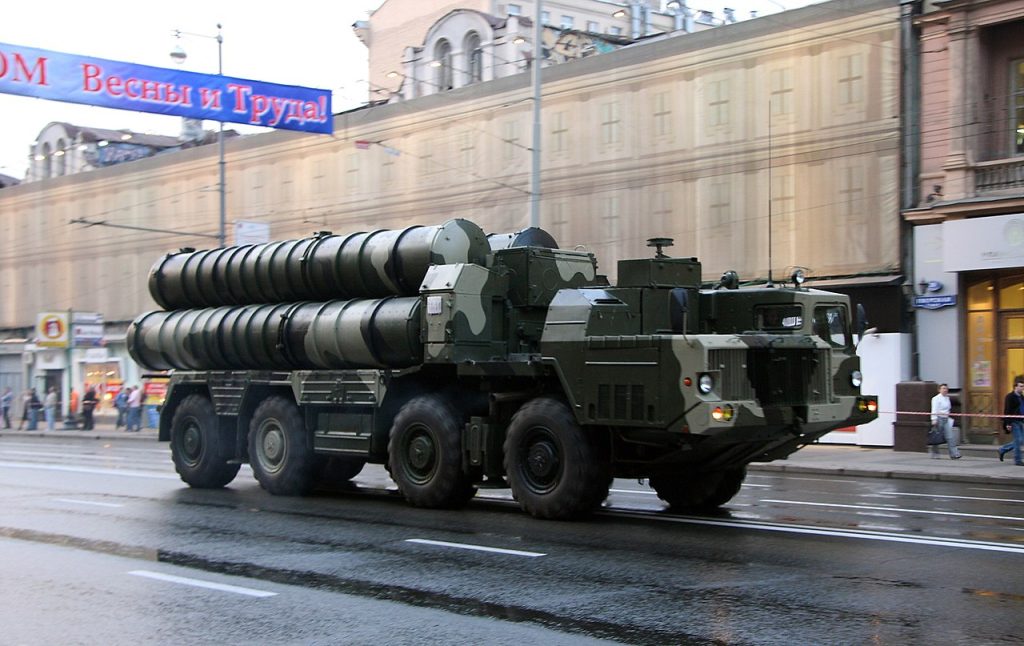
Israel was able to achieve complete air dominance in mere days through the weakening of S-300 battery sites and early warning radar from previous attacks. Analysts have pointed out that Iran’s air defense system was proved to be fragile and not well-integrated, particularly when it came to stealth aircraft. The end result was that Iranian Sams were not much of a presence in the battle. Iran’s missile launchers were thus left exposed.
5. Missile War and Interceptor Burn Rate
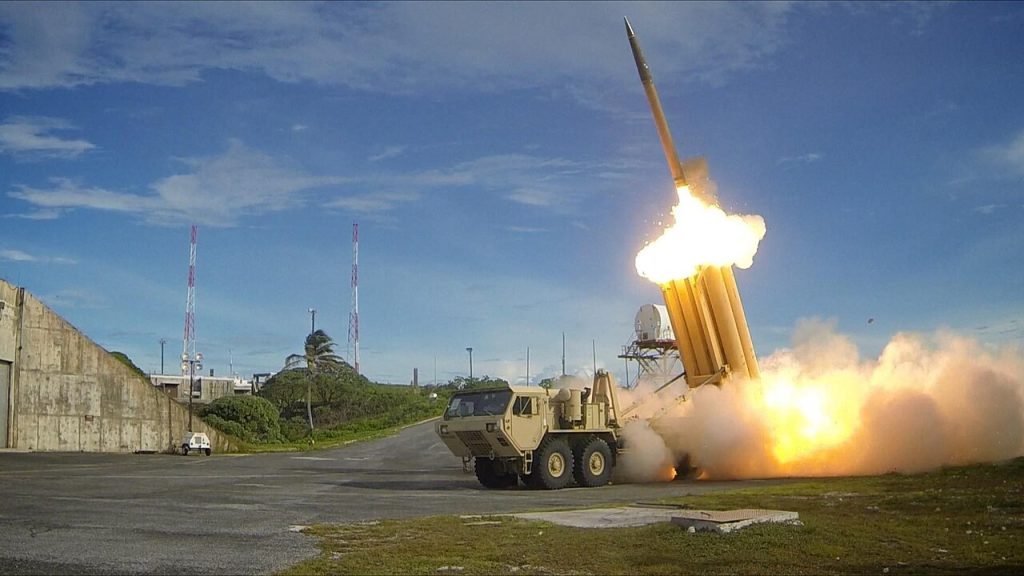
Iran’s retaliatory attacks consisting of some 500 missiles were decimated by the Israelis using the Arrow system as well as the US’s THAAD and SM-3 missiles. While there were confirmed engagements numbering at least 34 Ariiv-3 and 39 THAAD missiles, estimates put the actual number of expended THAAD missiles over 150 with around 80 SM-3 missiles. This depleted the US stockpile of these missiles by a quarter with multiple years of production.
6. Iran’s Ballistic Missile Program: Mixed Signals
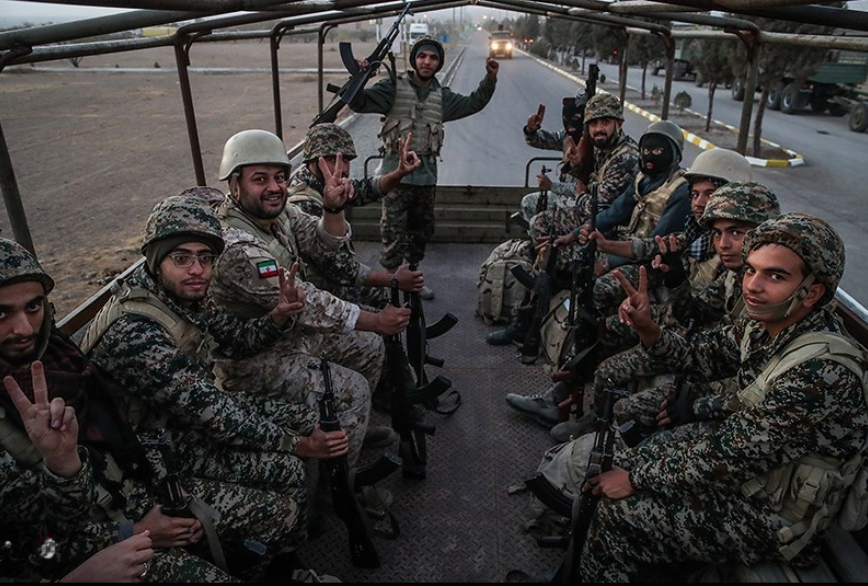
There were reports in December of extensive missile tests by IRGC-affiliated sources, only to be rejected as false by Iranian state television. These reports are believed to be either technical tests in the field or possibly an experiment at decentralization within Iran’s missile program. Iranian leaders claim lines are still active and that the program is purely defensive in nature.
7. Economic Strain and Domestic Unrest in Iran
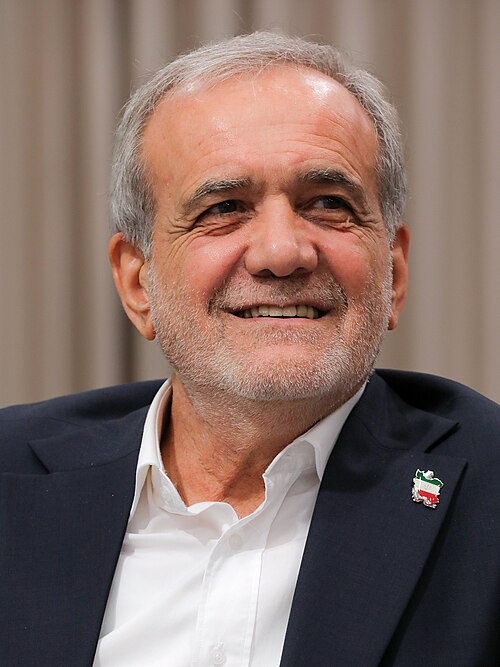
Rapid rial devaluations fuel unrest as merchants close malls in Tehran. President Masoud Pezeshkian’s election mandate is the weakest in the Islamic Republic’s history amid Iranian fears of price inflation and sanctions. Such turbulent politics may deprive Tehran of the ability to afford military renovations when hardliners urge strategic defiance in the face of mounting adversity.
8. Oil Geopolitics and the Strait of Hormuz Factor
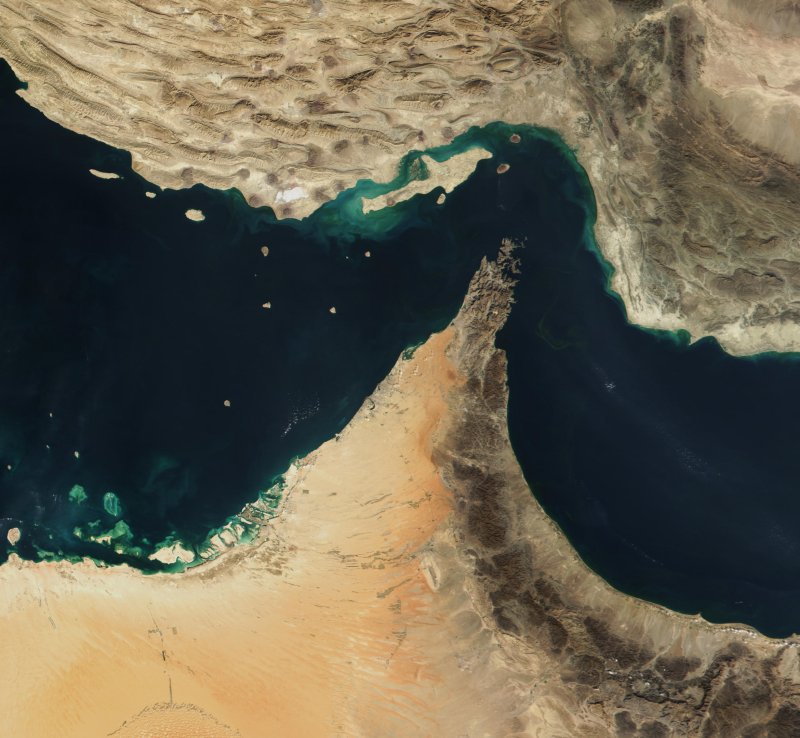
Its current Iranian production levels stand at approximately 4 million barrels of oil per day, a volume it is least likely to reduce. Iranian oil exports stand at a minimum of 1-2 million barrels per day. Iranian oil is blocked in the Strait of Hormuz in threats almost as old as this conflict. The Iranian economy would be severely damaged by a shut-down of its oil income through the Strait of Hormuz.
9. Lessons from Regional Missile Defense
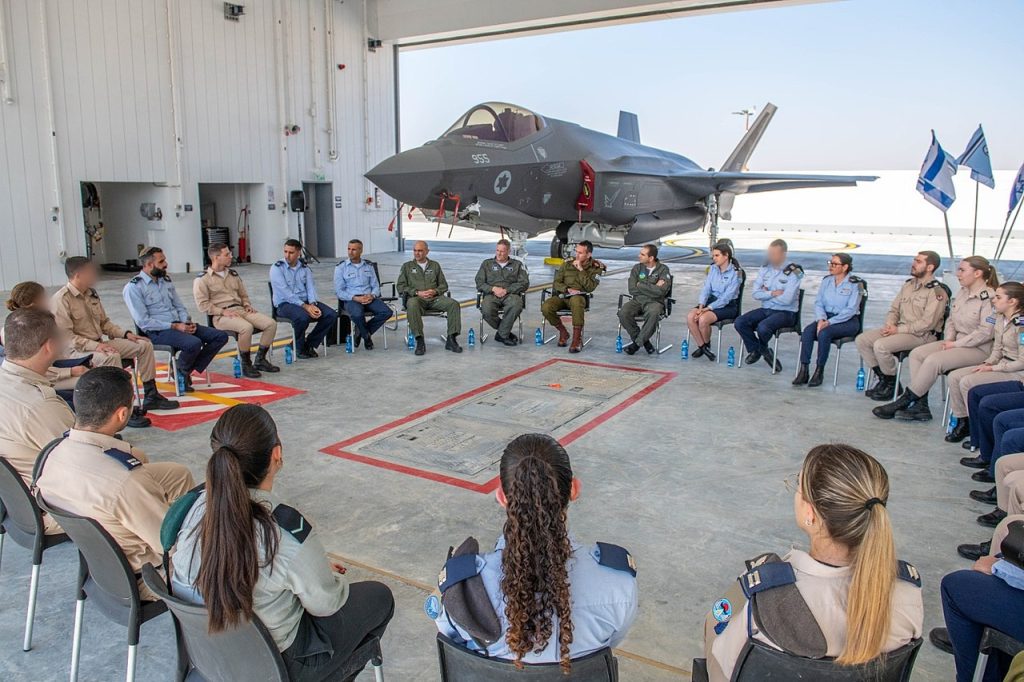
The war revealed the weaknesses of sophisticated missile defenses against massive salvo attacks. The Israelis’ success came in part through pre-emptive strikes against launchers, which would be difficult to emulate against China or North Korea. “Passive” defenses such as air shelters,dispersion, and rapid runway repair were an inexpensive solution to the problem of the 32 MRBM missiles against Nevatim Airbase.
10. Negotiation Prospects and Strategic Calculus
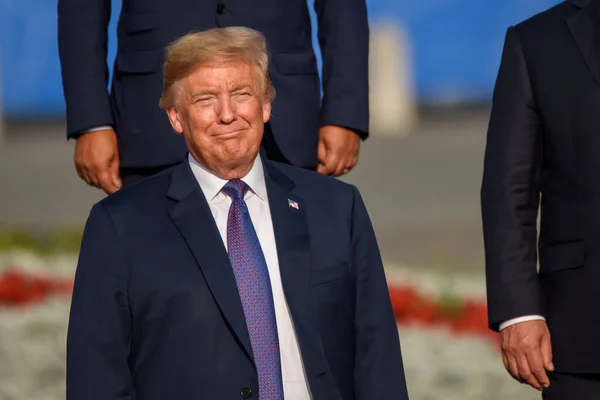
The post-conflict diplomatic process has been brought to a standstill. Iran’s leaders blame America for “wronging diplomacy in the middle of negotiations,” while Trump wavers between being open to an agreement and not needing one. The cloud hanging over any negotiations includes the strike-before-talk precedent, Iran’s demand to respect enrichment rights, and uncertainties over Iran’s missiles.
“The June 2025 conflict was more than a temporary escalation; it was a thorough examination of military technology, strategic policies, and determination,” and Trump’s latest threats imply that “Washington is willing to take the same action if necessary,” with “Israel upgrading its preeminent skies,” according to Michael Pizzi of OZY.


