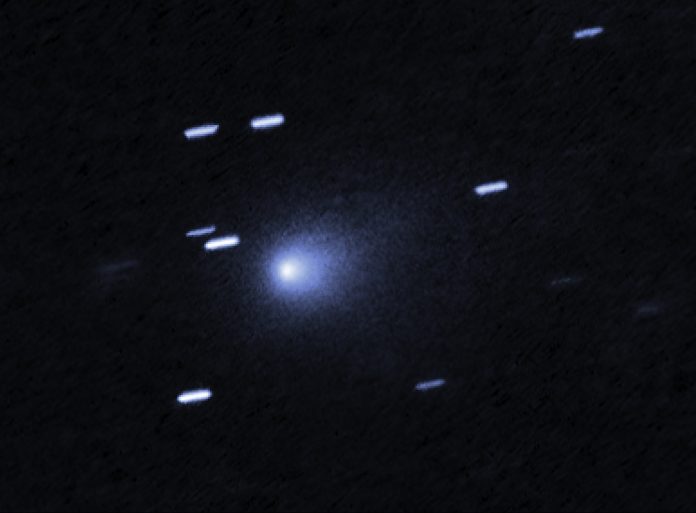

What happens when a comet fails to behave like a comet? A spectacular demonstration of this phenomenon came with interstellar object 3I/ATLAS in 2025. It presented observers with a phenomenon that challenged expectations based on known cometary phenomena. Its passage through our inner solar system turned out not only to be an astronomical phenomenon but rather a physics problem.
As the third confirmed interstellar object ever detected, 3I/ATLAS was a mix of what made ʻOumuamua so unusual in its origin characteristics and what made 2I/Borisov visible in its activity, along with a dash of its own complexity. Clockwork wobbling in its jets, as well as its dust tails pointing towards the Sun, have led scientists to reevaluate what may be happening with these objects in terms of evolution, rotation, and ejections. The next nine findings represent what makes this anomaly so intriguing.

1. Discovery at Unprecedented Speed
3I/ATLAS was first discovered on July 1, 2025, by NASA’s Asteroid Terrrestrial-impact Last Alert System when it was moving at an extremely fast speed of 58 km/s relative to the Sun, which made it the fastest of three known interstellar objects. Its highly eccentric orbit (e ≈ 6.13) and perihelion at 1.357 AU in October 2025 further strengthened the belief that it is not an object of our solar system because it is an interstellar object that will travel in the interstellar space.

2. The Rare Sun-Facing Anti-Tail
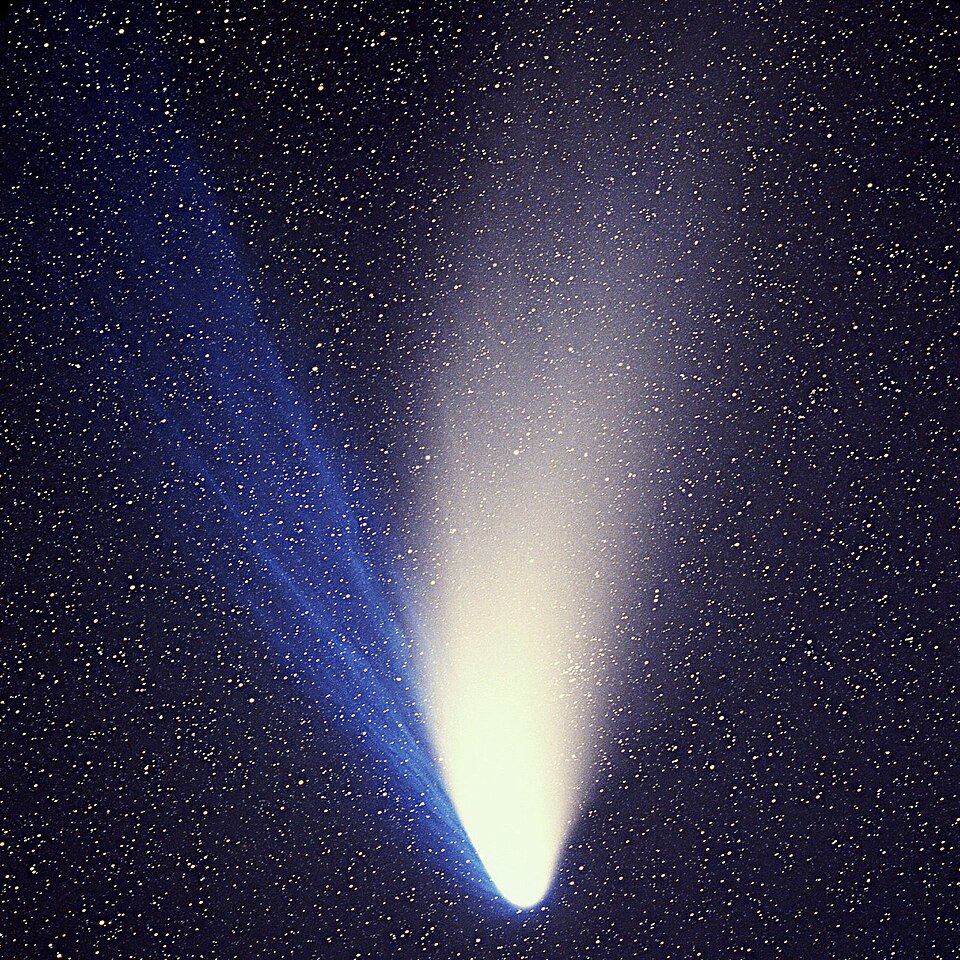
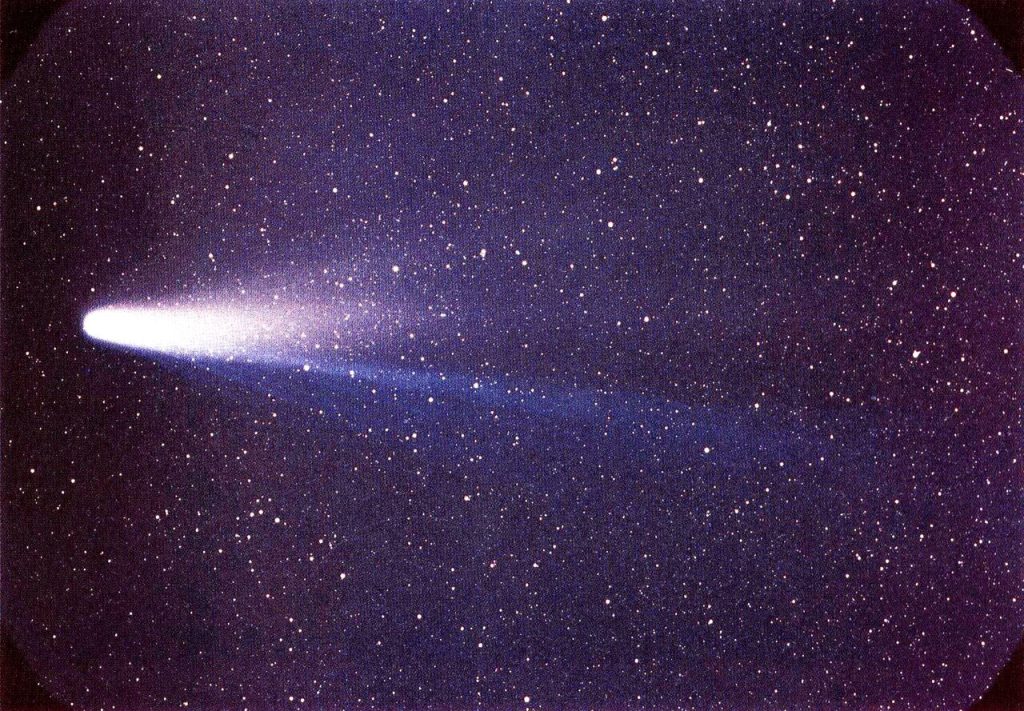
Comets tend to show tails that extend away from the Sun due to radiation pressure. For 3I/ATLAS, an anti-tail developed with grains moving towards the Sun due to large grains with dimensions measured in hundreds of microns at speeds as low as one meter per second. Such grains are too heavy to be affected by radiation pressure in an antisolar direction; hence, a sunward dust fan formed which lasted for weeks before settling to an ordinary antisolar tail as it approached perihelion.
3. Wobbling Jets in the Anti-Tail
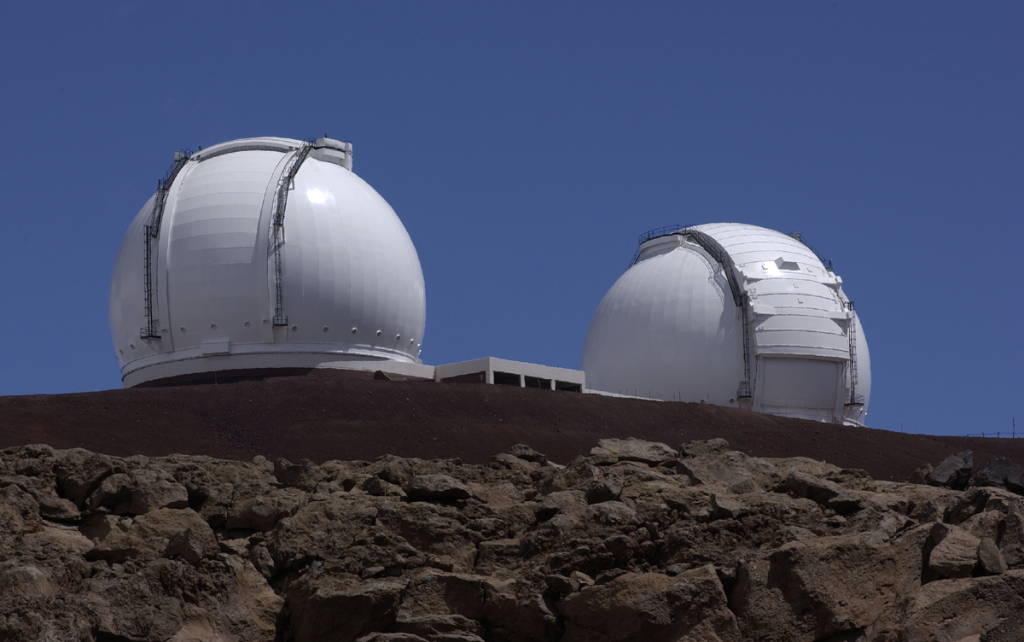
A period of observation with the Two-meter Twin Telescope in Tenerife between August 3 and August 29, 2025, revealed jet structures with a one-million-kilometer size contained within the antitail of the comet. The jet patterns themselves didn’t spread in a random fashion; instead, they pulsed with a period of 7.74 hours, indicating a nucleus rotation period of 15.48 hours. It is the first precession observation of its kind in an interstellar comet and indicates the presence of a stable and high-latitude active region of the comet releasing material in a predictable manner.
4. Laplacian Filtering: Uncovering Hidden Structure
To separate the faint jets from the brighter coma, they used image filtering of Laplacian images. The effect of this technique was to emphasize curvature and reduce or minimize the radial brightness gradient of the coma, bringing forth anisotropic details such as jets. The images showed a jet pointed northwest with its position angle changing by about 12°, making it possible for scientists to model the position of the spin axis accurately at PA = 280.7°.
5. Composition Points to CO₂ Dominance
Volatile and gas phase analysis revealed the presence of a highly volatile budget dominated by CO2, and a CO2 to H2O ratio many orders of magnitude larger than comets found in the solar system. This is optimal for the efficient transport of dust and the observed stable coma shape. Large, dense dust grains, deduced from the presence of a strong negative polarization branch, explained the small effect of solar radiation pressure and the sharp transition from the sunward fan to the antisolar tail.
6. Rotation Period Discrepancies
The derived rotation period from the jet of 15.48 ± 0.70 hours was marginally shorter than the values derived from the photometric method of 16.79 ± 0.23 hours and 16.16 ± 0.01 hours. This discrepancy could be due to differences in technique or variations in rotation periods due to outgassing torques. The consistency of the viewing geometry in the observation series enhanced the reliability of the morphological technique and the use of jets as accurate indicators of rotation.
7. Gravitational Encounter with Mars & Jupiter
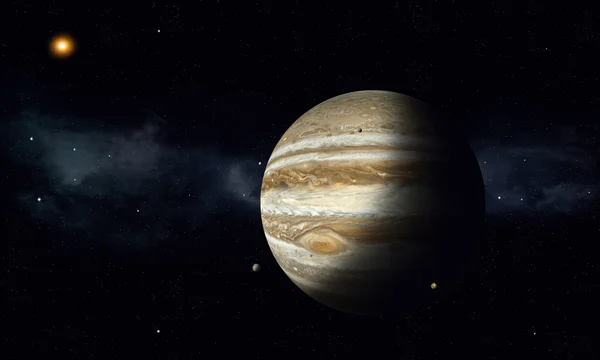
The results of the dynamic simulation indicated that 3I/ATLAS came within 0.194 AU of Mars on October 3, 2025, and has an approach to Jupiter of 0.357 AU on March 16, 2026. Mars’ effect was small, but with Jupiter approaching the boundary of the Hill sphere, the comet’s path will be strongly affected. The favorable observation time for the Juno spacecraft occurs between March 9-22, 2026, with elongations of 28-100° from the Sun.

8. Non-Gravitational Forces Altering the Orbit
Outgassing from localized jets exerts recoil accelerations that can subtly shift orbital parameters. For 3I/ATLAS, modeled non-gravitational accelerations of (1.5 ± 0.2) × 10⁻⁶ and (2.74 ± 0.95) × 10⁻⁶ AU/day² could measurably change its future trajectory. Simulations revealed that accelerations of 10⁻⁵ to 10⁻⁶ AU/day² produce significant orbital evolution, underscoring the need for continued monitoring to refine planetary-defense models.
9. Origins Lost in Galactic Complexity
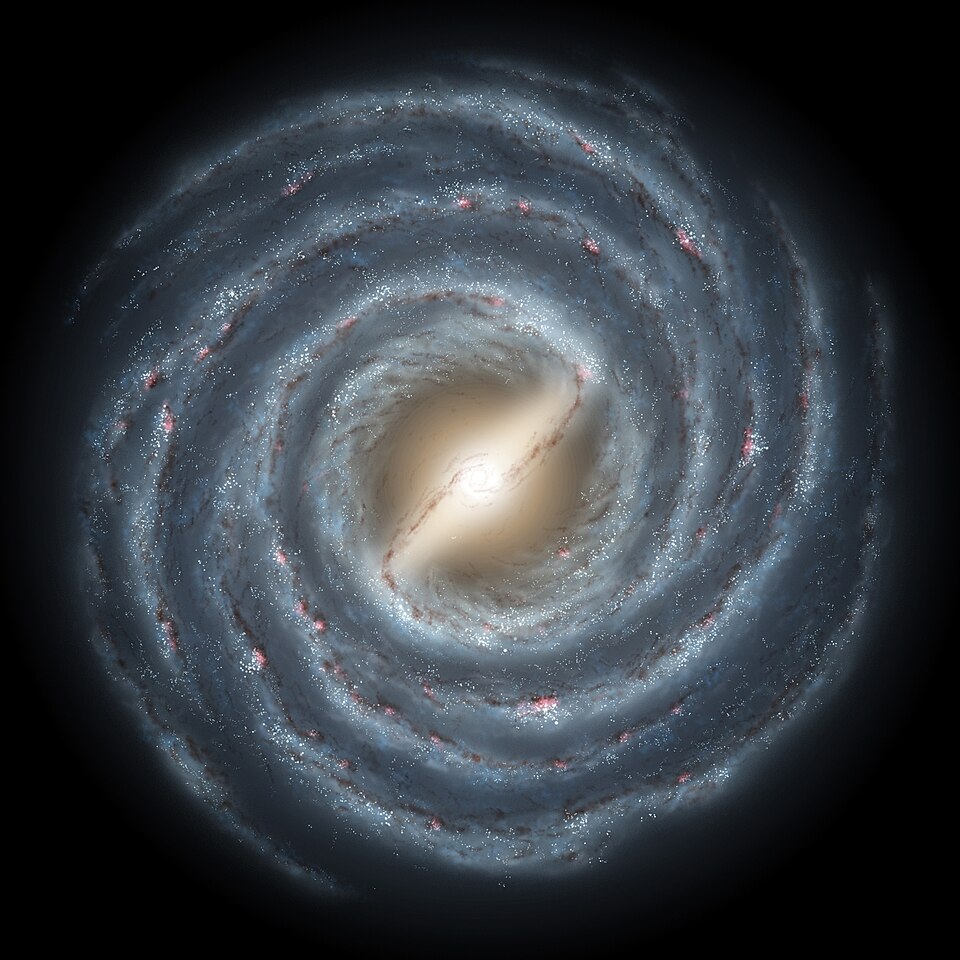
Due to the irregular gravitational potential of the galaxy because of spiral arms, molecular clouds, and star clusters, Tracing the origins of 3I/ATLAS proves difficult. When backward-integrated using timescales of 100 years, it travels inward from the region of the Sagittarius constellation, leaving for the region of Gemini; however, after about one or two orbits of the galaxy, with a timescale of approximately one million years, it becomes impractical to trace. This further supports the scarcity of tracing such pristine interstellar objects. 3I/ATLAS has provided a treasure chest of data that is at once both familiar and unprecedented.
Its wobbly jets, sunward-pointing dust fountain, and cache of CO₂ point to a comet whose scientific frontiers are being pushed in ways that seemed impossible, yet its rapid passage and gravitational interactions will serve as compelling examples in the study of orbital dynamics. As it moves deeper into interstellar space, the discoveries being made will help shape our understanding of future objects that visit us with little warning, but whose impact on our knowledge of planetary diversity is profound.


