In the battle-scarred front lines of the war in Ukraine, perhaps the most dangerous trip may be the one that saves a fallen comrade, but to send a real-life rescue team member would mean certain doom, thanks to the availability of drones and set artillery. The solution that is being bred in the trenches is no multimillion-dollar miracle machine but rather a low-cost-yet-lethal drone. The Unmanned Ground Vehicle, or UGV, is transforming the manner by which rescue is undertaken during a firefight, and this has had its impact across several corners of the world.
Historically, in the Western military tradition, used to having the advantage in the skies and what has been referred to as the golden hour for treatment, they now find themselves in a position where helicopters may be grounded, medics caught in crossfire. The blueprint for success in close combat, it is apparent, has come from the Ukraine, where low-cost, low-tech solutions in large numbers have been implemented. In assembling production statistics and information from the front, there are nine critical lessons for military leaders.
1. Cheap and Numerous vs. Expensive and Few
One such person who noticed this was Jeffrey Wells, a former Navy veteran who is presently assisting a non-profit organization in Ukraine, who realized that simple evacuation robots worked when no more complex ones would. It is always a greater advantage to have a fleet of ten machines at $1,000 apiece than a single machine at $100,000. His philosophy supports a military force which would not be shy to send one machine to do its job. The Ukrainian commanders echo the same sentiments when they say that even if we’re talking about systems that cost less than $10,000, we can see that three or four of these are being destroyed in one week. It is not about building a perfect machine but about churning out substitutes within a short period.
2. Filling the Void Created by Lost Air Superiority
“The golden hour” is not as it was in other wars due to the loss of what has happened in Ukraine. Colonel Kostiantyn Humeniuk, the Chief Surgeon of the Medical Forces of the Armed Forces of Ukraine, said it was “practically impossible” to transport injured soldiers by armored car and helicopter while being attacked by drones. Having air superiority can make Western medevacs no use in conflicts in either Iraq or Afghanistan. UGVs play this role by transporting the wounded between one to three kilometer ranges away from the front lines, most probably at night to avoid publication. Helicopters do not operate in the same environmental conditions that allow the survival of UGVs, thus the latter is an important equipment to be used in mass fighting.
3. Production Scale as a Strategic Weapon
Plans on the deployment of ground robots include the deployment of 15,000 robots by the end of 2025 to aim to rise to 30,000 robots. These robots will not be that expensive, ranging from less than $10,000 to $50,000 in the case of sophisticated ones. They can be manufactured locally to avoid delays. “This index will mean more than substitution of losses, and will instead mean the saturation of the front lines with equipment that is capable of performing the tasks of logistics, demining, and evacuation.” Mass production, on the other hand, will improve the Ukrainian defense technologies industry as it will provide a good base for innovation during wartime.

4. Connectivity is the Achilles’ Heel
The front lines have already reported that analog-controlled robots are quite vulnerable to jamming, commented Rafeal Acevedo, director of Homeland Defense and Strategy at the U.S. Army Space and Missile Defense Command and Defense Information Systems Agency (SMDC/DSA). Advances in digital communications links, Starlink, LTE networks, or mesh networks make them less vulnerable to jamming and A loss of signal during evacuation may put both the robot and the victim at risk of being caught exposed in an open area. The need for communication relay redundancy is considered within an even larger context, which is that electronic warfare is just as threatening during evacuation as enemy fire.
5. Integrating Robots into Doctrine
Despite the rising use of UGVs, they represent only a small faction within the entire Ukraine drone arsenal. The NATO military services might learn a similar lesson. US Army Col. Johnny Paul has indicated that developing ‘medical only UGVs would be a mistake; they should have multi-mission uses.’ The Doctrine must evolve to include robots within a combined-arms team. That means it is necessary that robots assist infantry troops, sapper squads, and artillery troops as opposed to operating in an isolated manner.
6. Homegrown Innovation Drives Armed Forces’ Power
The The initiative of the volunteers, such as the Victory Robots Initiative of Dignitas Ukraine, is hastening the use of such drones. They include activities such as fund-raising, as well as the training of military personnel. The CEO of the initiative, Lyuba Shipovich, is quoted in the article as saying, “We are building a tech-driven advantage to save lives.” By working together, these civilian-military partnerships break down bureaucratic barriers and bring about innovation to suit a particular need. The takeaway from this innovation process for policymakers is evident. An open innovation environment can be far more effective than a centralized acquisition of innovation.
7. Roles Beyond Evacuation
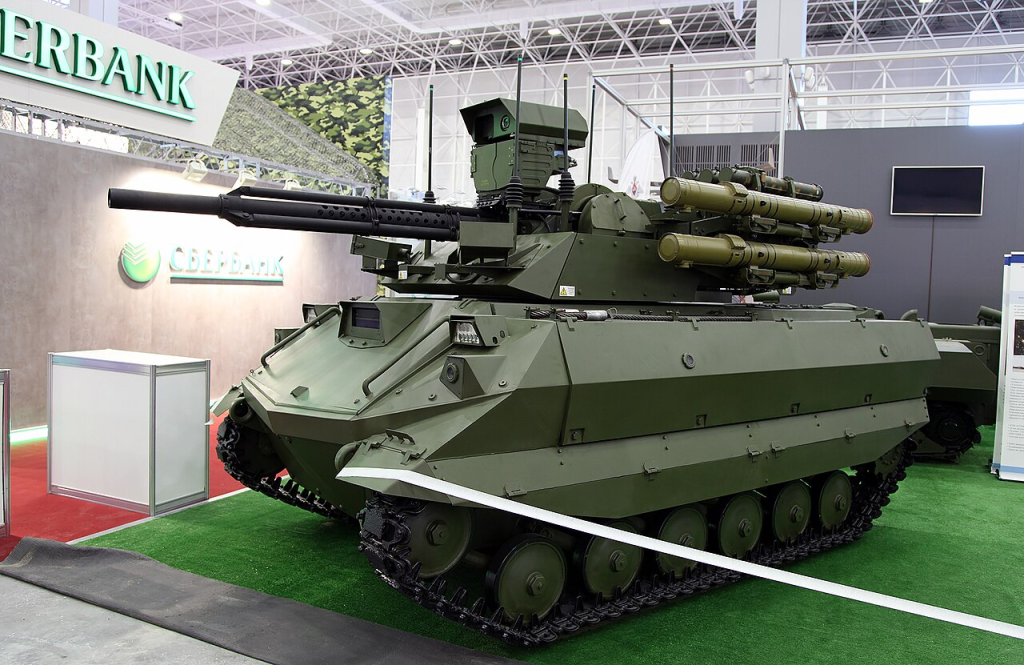
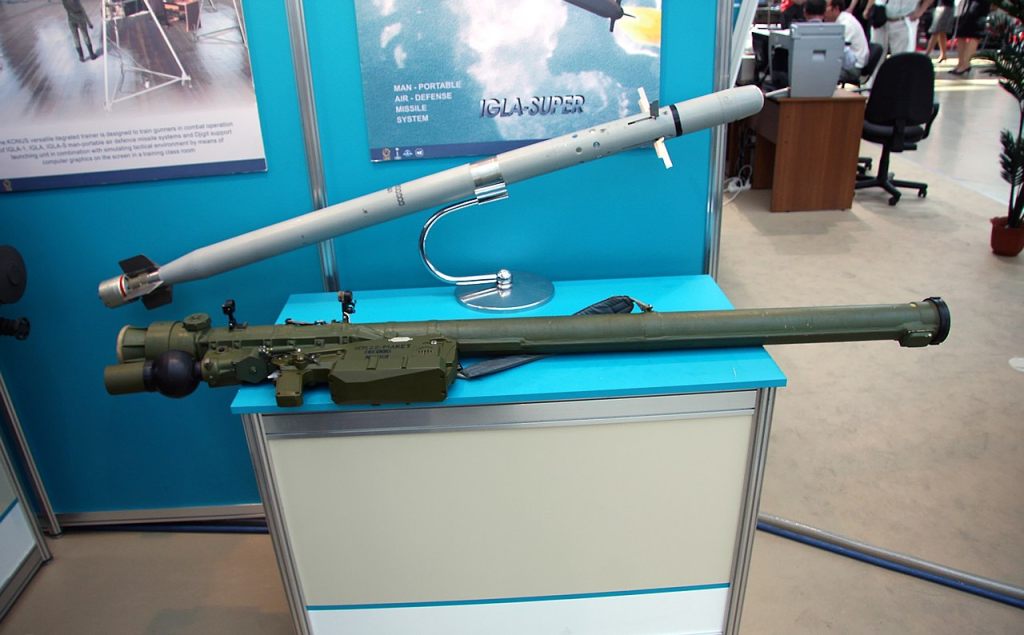
The UGVs in Ukraine are not limited to evacuating casualties. They are also employed for logistics, communication relay, one way strike sorties, and even air defense systems such as Igla 9K38 MANPADS. This is an important domain that increases their value in battle, making them worthwhile to invest in. The versatility of them being used for multiple tasks is important since, even if not used for evacuation, they can also be utilized for other tasks.
8. Overcoming Cultural and Institutional Resistance
Cultural resistance still exists in the US. The US Army Medical Department prohibited the use of unmanned CASEVAC on the basis of safety and continuity of care. But one fails to see the basis of generalized prohibition, as ground commanders know scenarios in which the only game in town was the robot, according to a NATO investigation. If their use in evacuation needs change, these useful tools for evacuation may never be utilized. Brigadier General Killea, speaking of Dual-Use Casualty Evacuation, called it a no-brainer.
9. Improvement Even in Combat
Improvement has no end in battlefield applications. Oleksandr, commander of a platoon in Ukraine, described disassemble factory-built robots, intending to improve them by installing digital control and metal inserts. Speed, mobility across difficult terrain, resistance to FPV drones ongoing improvement. The ability to rapidly adapt machines in keeping with mission needs is an important one. It provides assurance that the speed of technological change shall not trail the battle the soldiers are fighting.
The evacuation robots from Ukraine cost very little. But they are much more than a hack for war. They are a crash course in how to live and thrive inside a high-tech kill-box. Military strategists need a serious wake-up call here. The side winning the future war won’t necessarily be the side sporting better machinery. It would more likely be the side able to mass sufficient numbers of machinery, and hold on to them on the battlefield through sacrifice.


