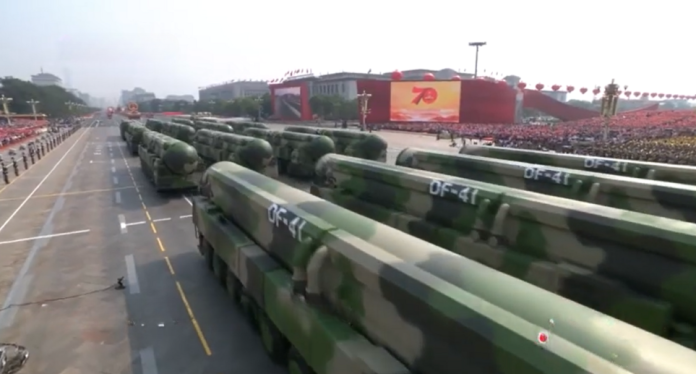
China’s nuclear weapons program, long characterized by a slow pace and low threat, is far from that. Over the past five years, they have engaged in one of the most comprehensive growths of nuclear warhead capabilities in history, upgrading their facilities and evolving their strike plans, along with the addition of space weapons that, for the first time, may actually change their strategic posture. This is happening alongside their current military modernization and assertive strategy.
These are not necessarily developments isolated to missile sites deep in the desert. Satellite photos, military intelligence, and technological expert assessment form the basis of a complex network of facilities being reorganized to ensure faster striking power, more varied weapons delivery options, and perhaps even more varied warheads. For those following military policy and technological trends, familiarity with these developments can be useful in evaluating the balance of power.
1. Plutonium Pit Production Expansion – Pingtong
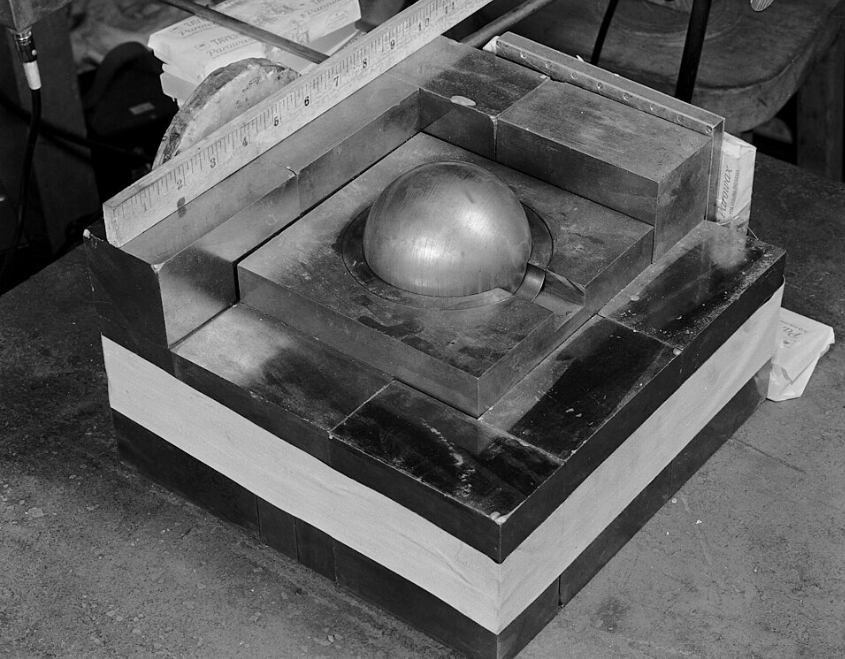
The large facility near Pingtong in Sichuan province is presently China’s publicly recognized facility connected to plutonium pit Assembly and is comparable to the U.S. facility at Pantex, though more oriented towards pit Assembly and development facilities, indicating their intention to construct new weapons and upgrade existing stockpiles. There have been drastic fluctuations in this important facility in the past two years in terms of increased security fencing, escalating the size of this facility by more than two times, renovation of large structures, and initiation of ground breaks in more than ten facilities.

2. The rapid growth of high-explosive component production in Zitong
Secondly, in Zitong County, Sichuan province, the suspected main production facility for high explosives used to make nuclear pits has significantly increased since 2019. Satellite photos also highlight the addition of new defense walls, areas cleared to construct buildings, and specialized testing rooms like the 2,000-foot shock tube. A new 430,000 sq.-ft building could be used as an assembly and handling facility for warhead parts, symbolizing the end product supply chain used to make nuclear warheads.

3. Lop Nur Test Site Modernization
The Lop Nur Nuclear Test Site in China’s Xinjiang Region has seen considerable upgrades from 2020 through 2024. These upgrades include digging horizontal tunnels, what is believed to be the construction of underground facilities, and new power lines being built. It has been possible for researchers to isolate a region-an “Eastern Probable Test Area”-with drilling platforms and roads indicating preparations for underground nuclear testing. This would indicate China’s defiance of its CTBT accession requirements and preparedness for new warhead design validation.
4. Potential Use of Civilian Reactors for Weapons-Grade Plutonium
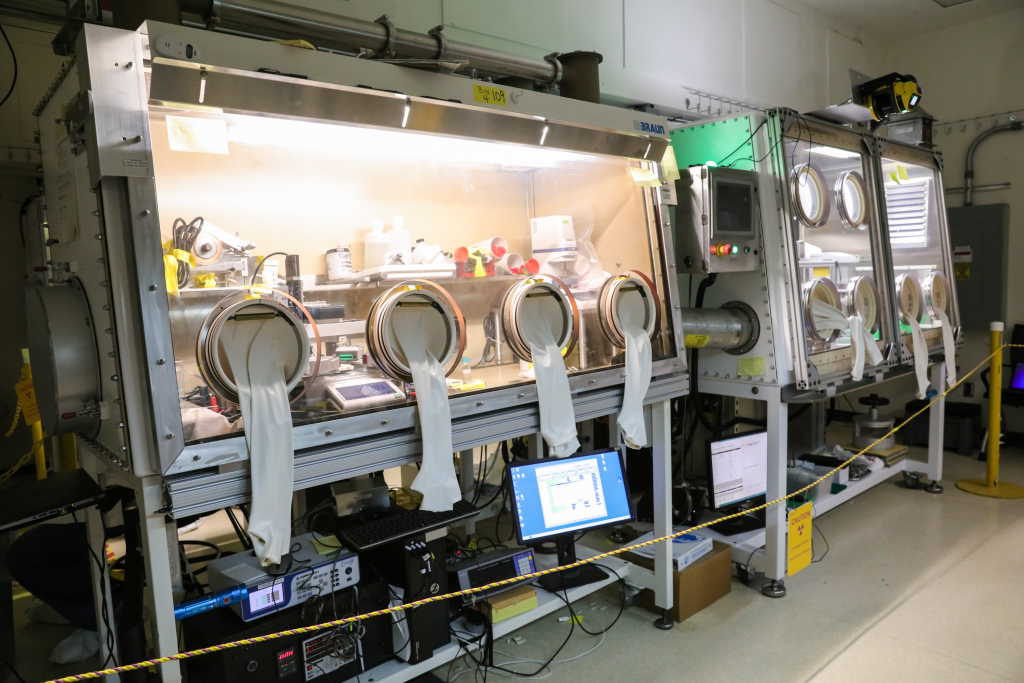
A few research papers have been published on this topic, and these studies have revealed that the fast breeders, such as the CFR-600, that China is building have the potential to annually produce as much as 130 to 165 kg of super-grade plutonium per year, which can be used to make dozens of nuclear bombs. These activities, although for civilian uses, have been designed in such a way that the plan includes the use of uranium blankets that could be perfectly suited for breeding plutonium.
5. Shift Towards Launch-On-Warning Posture
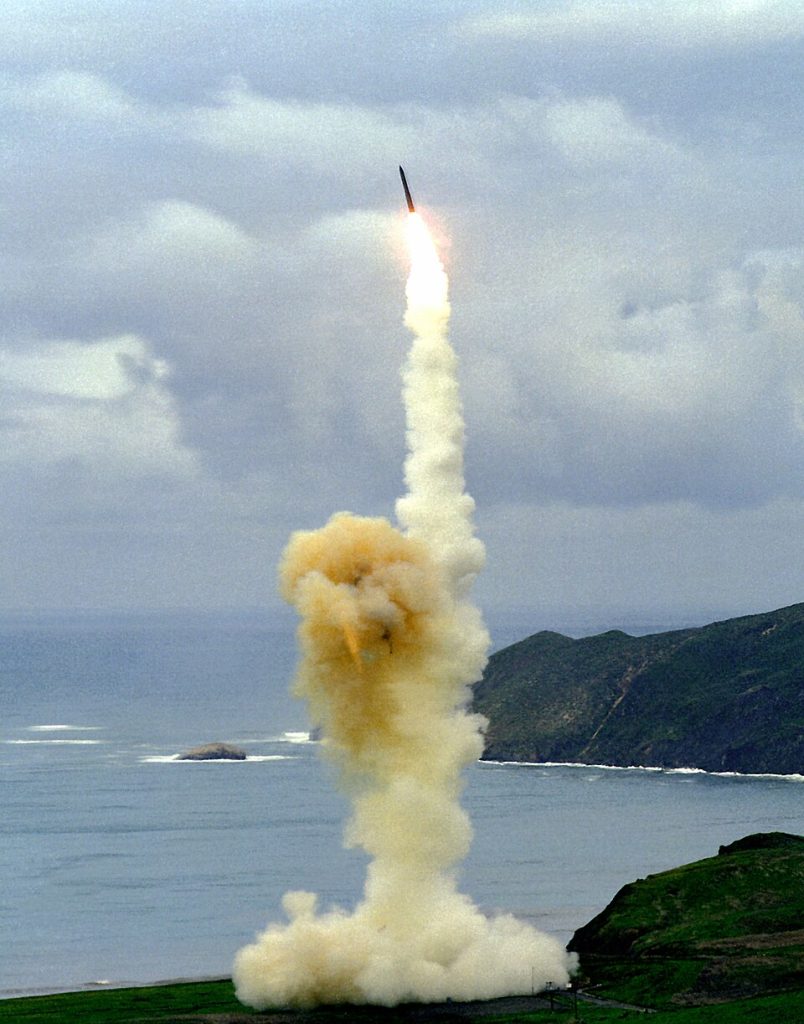
PLA Rocket Force literature, as well as Pentagon documents, shows the PLA Rocket Force to be in the process of a shift from its traditional strategy of delayed retaliation to a warning-launch strategy. This would also involve preparing a greater number of warheads to be mated to missiles in peacetime, the deployment of solid-propellant ICBMs in silos, as well as enhanced warning system capabilities for a secure multi-launch strategy. This would make the PLA Rocket Force more resilient but prone to the possibility of accidental missile launches – precisely the danger revealed by the false alerts of the U.S. and the Soviet Union.

6. Space-Based Early Warning & Targeting Integration
These include an orbiting satellite network of early warning systems like Tongxin Jishu Shiyan and GPS-like guidance systems, such as the BeiDou-3, which is crucial to the nuclear as well as the non-nuclear missiles of the PLA. The geostationary satellite systems of SAR and optical imaging provide the PLA military forces with permanent surveillance, while the orbiting LEO satellite systems, consisting of Guowang, form an uninterruptible command and control system.
7. Missile Defense Strategy Development
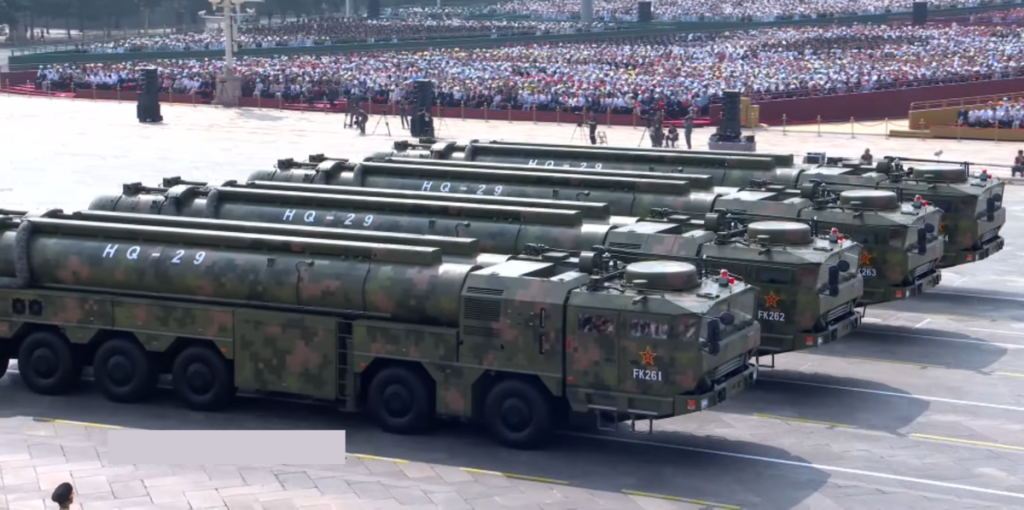
The establishment of the HQ-29 mid-course missile interceptor marks China’s first operational capability to counter long-range ballistic weapons. Coupled with early warning satellites and phased arrays, it has the potential to call into question US confidence in guaranteed retaliation. “It may trigger a wave of counter-measures such as hypersonic glide vehicles and MIRVs, which in effect ensures it is locked in an arms race cycle.”
8. Missile Production Infrastructure Development
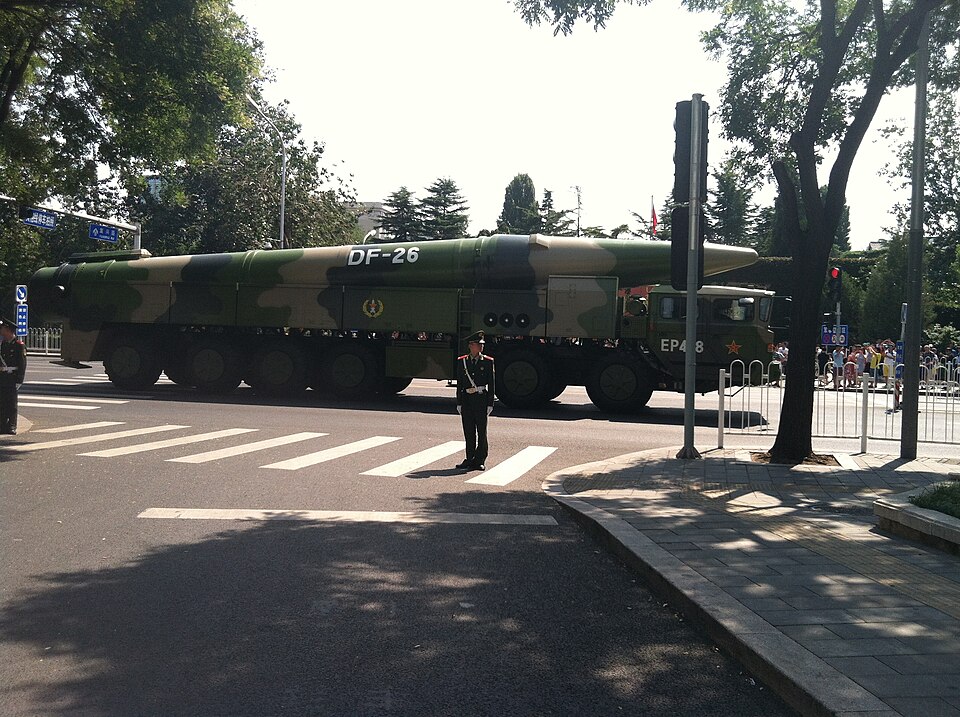
With 136 missile-related infrastructure systems analyzed, more than 60% of them have been expanded since 2020, featuring over 21 million square feet of floor space. The infrastructure includes factories, research institutes, and Rocket Force bases. The expansion aims to support both nuclear and conventional missile stockpiles. “Guam killer” DF-26 and DF-17 hypersonic missiles play a crucial role in regional access/area denial capabilities.
9. Conventional-Nuclear Force Entanglement Risks
The bases of the PLA Rocket Forces often house a mix of conventional and nuclear brigades. There is sharing of logistical support. It is likely that there are also joint missile strikes. In a conflict scenario, attacks could have the unintended consequence of reducing nuclear capabilities because of ‘use it or lose it’ dynamics. The trend could make the PLA less capable of managing escalation because of economies of scale that are not deliberate strategies of the Chinese state.
10. Strategic Forces Management
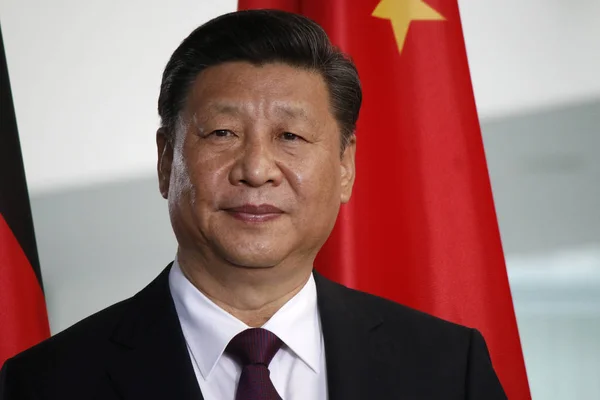
Following Xi Jinping’s leadership, removals of top officers, particularly in Rocket Forces, have occurred to enhance loyalty and modernize strategic rocket forces. Strategic nuclear forces are viewed as essential to securing national security in war and peace. It is this political-strategic vision meeting technological ambitions that is slowly transforming China’s strategic nuclear force management. The rising complexity ofChina’s overall nuclear force build-up includes a multifunctional integration of physical expansion of its nuclear base, technology infusion, worldview formations in nuclear doctrines, and political will.
It is a challenge to defense strategy analysts and policymakers to attempt to define which of these new developments fall within efforts at securing a safe deterrence capability and which of these developments demonstrate a possible willingness to compete aggressively in an overall arms race.


