“Fatigue makes cowards of us all,” warns the military saying and in Russia’s war against Ukraine, tiredness is wearing not only away at the troops’ endurance, but also at the mechanisms of Russia’s war. Nearly four years into the invasion, Russia’s military finds itself beset with more and more cases of desertion, mind-boggling levels of casualties, and a tempo of operations that reduces soldiers and equipment to dust.
It is the projection of strength, the display of patriotic rhetoric and the commitment to victory, juxtaposed with the reality of exhaustion, the reality of wavering loyalties. Then, of course, the scale of the desertions, the killing of high officials, the evidence of the fragility of the system is now such that none of it reveals more than the exhaustion of the conduct of the war, the society suffering the burden of cost.
The following are ten of the most significant signals that the Russian war machine is failing from the front lines of the Russian conflict.
1. Desertions on a Massive Scale
“Estimating from the leaked slides from the Russian Defense Ministry,” writes Frontelligence Insight, “approximately 50,554 abandoned or went AWOL from February 2022 and December 2024.” But Newsweek reported that “some sources say that as many as 18,000 abandoned their units in the first half of 2024 alone.” This number of over 50,000 so-called “deserters,” which represents about 10% of the Russian force deployed, with fully 16,000 prosecuted, was rounded out by the report given by the United Nations Special Rapporteur Mariana Katzarova: “The facts prove that desertion is one of the main avenues for those who wish to avoid participation in war.”
2. Abandonment of Whole Units Out of Their Posts
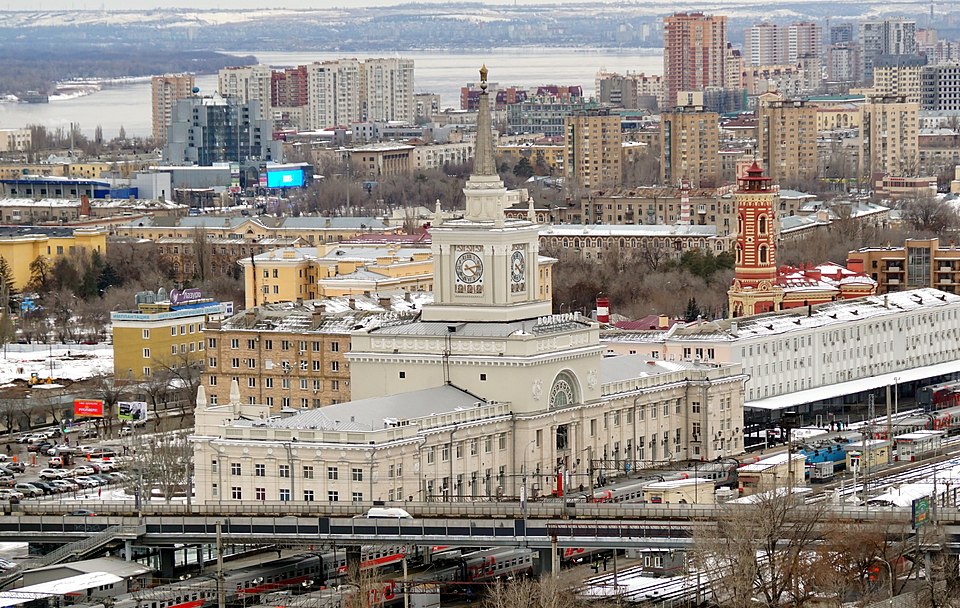
Apart from cases of defection by individuals, there have been cases of mass flights. In the latter part of 2024, an entire regiment and over 1,000 military personnel from the 20th Guards Motor Rifle Division defected from their positions in the region of Volgograd. These are cases that reveal the loss of unit cohesion among troops where common disillusionment takes precedence over military discipline. They are sometimes hushed up by the higher command to prevent alarm bells ringing at higher levels of command but the tactics being employed are evident enough once an advance is halted and the flank is left exposed.
3. Record Casualty Rates
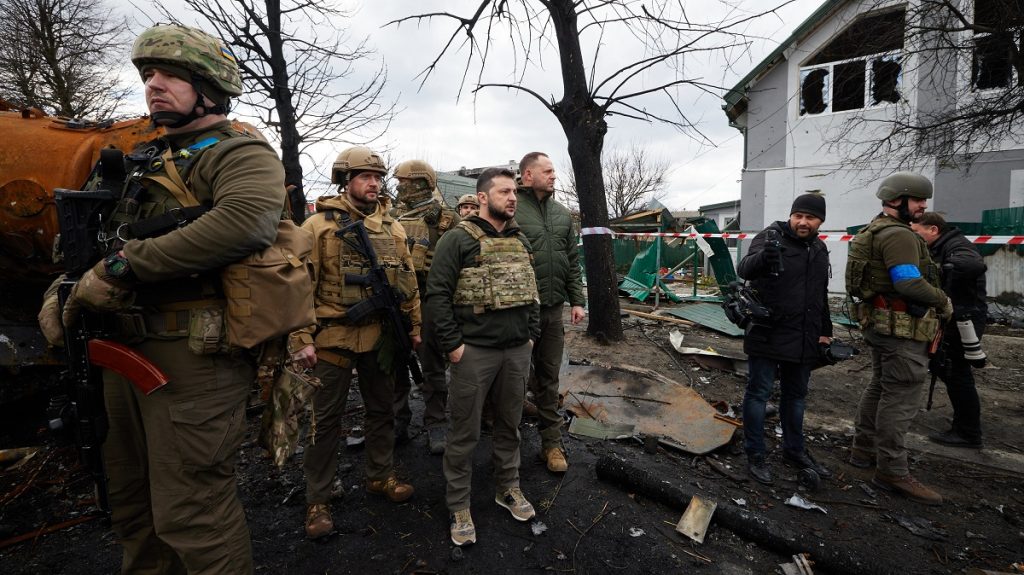
As per the Ukraine General Staff, Russia’s losses stood at 782,510 by late December 2024. On this basis, the Institute for the Study of War assessed Russia’s seizure of approximately 4,168 square kilometers and over 420,000 casualties in 2024, which translates to 102 casualties per square kilometer of seized territory in 2024. The daily casualty rate continued to break all records with over 1,500 personnel lost every day in November and December of 2024. These numbers are further exacerbated by the Russian administration’s difficulty in countering the casualty numbers with volunteer forces barely sustaining the numbers of dead combatants.
4. Death of Senior Officers
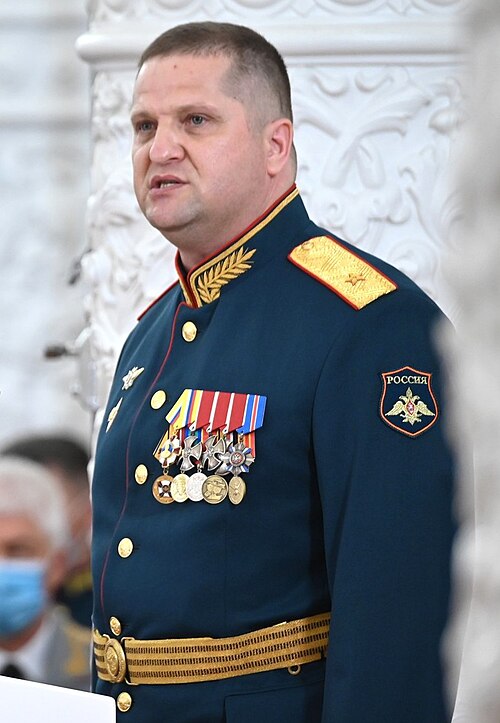
The loss of 6,168 confirmed lives by December 2025 emphasized the susceptibility of the Russian command structure. Twelve generals have died, including Lieutenant General Oleg Tsokov, succumbing to his death in July 2023, and another, the death of Major General Pavel Klimenko, happening in November 2024. Though the percentage of loss in the officers has come down from 10 percent to 2-3 percent as the fighting has progressed, the loss on the part of Russia has its own set of implications.
5. Wagner Mutiny’s Lasting Impact
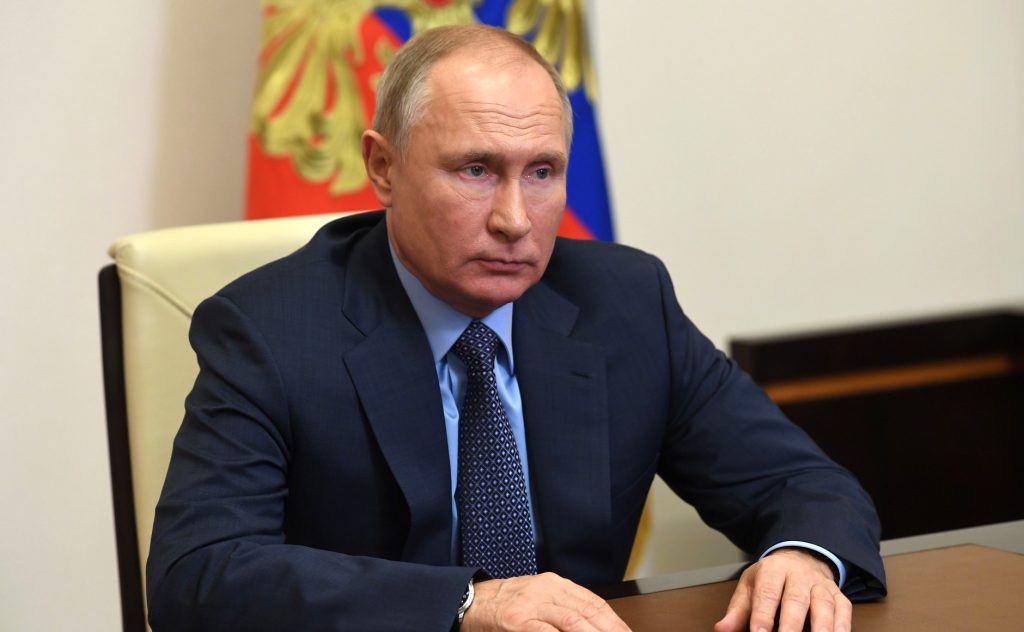
This rebellion, staged in June 2023, deprived Russia of its most elite units, exposing the significant weaknesses in the military command line. According to a description given by John Herbst, of the Atlantic Council, to CNN, “Putin has been diminished for all time by this affair.” The unchallenged takeover of Rostov-on-Don demonstrated the fragility of Russia’s internal situation and included a reshuffle, weakening its position on the frontline in Ukraine to shore up their internal status.
6. Extended Logistics and Completion
Down-scaled and partially outsourced since 2009, the Russian logistics system has been incapable of sustaining a radius operation. “Beyond 150 kilometers from distribution hubs,” this source continued, “supply capacity plunges precipitously.” The Ukrainian attacks on railroads and storage depots have further heightened this burden, and thus there are times when a logistics gap has been created in this way.Russia’s failure to seize control of Airport Antonov in 2022 meant a planned hub wasn’t accessible; therefore, there was a halt in convoys in that area.
7. Winter Troop Surge Risks
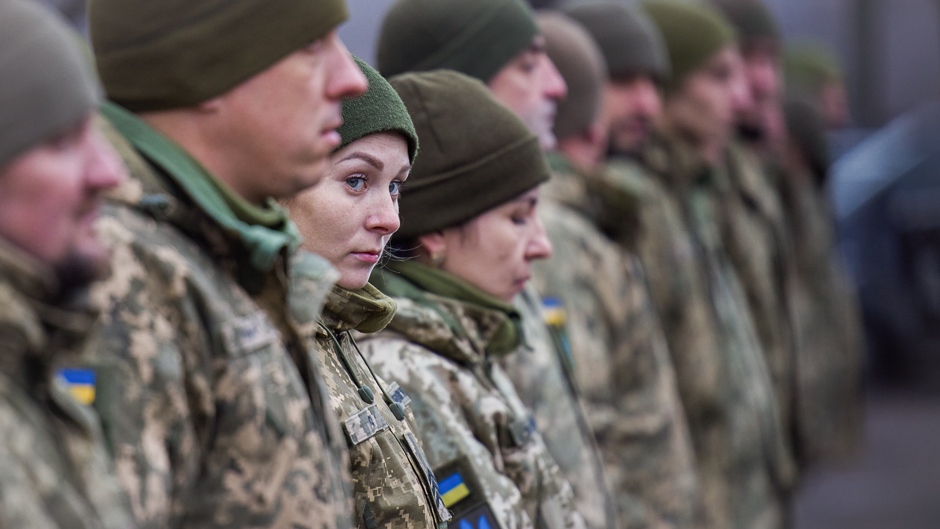
By mobilizing to no less than 710,000 troops, the singular focus of the Russian winter 2024-25 troop surge in Ukraine is to breech Ukrainian defenses in the cities of Pokrovsk and Chasiv Yar. Of course, maintaining this level of troops in the midst of winter in Eastern Europe is a ding in fuel, maintainability, and logistics. Thus far, the pinpointed drone attacks by Ukraine against Russian resupply aims and fuel targets has turned this troop surge adverse to the Russians in terms of attrition.
8. Civilian Vehicles on the Front Line
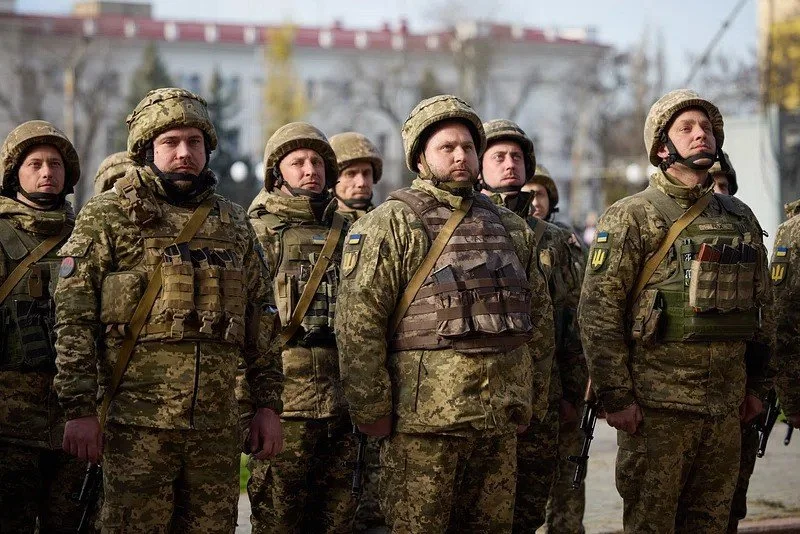
Case in point is the use of civilian vehicles in Kurakhove, seemingly with the roof and doors taken off, serving as transport for the infantry and logistics. With the context in mind, there can be no mistaking the significance of the makeshift solution in lieu of the lack of military transport, as well as the danger of being intercepted by the Ukrainian military.
9. Expanded management programs for veterans
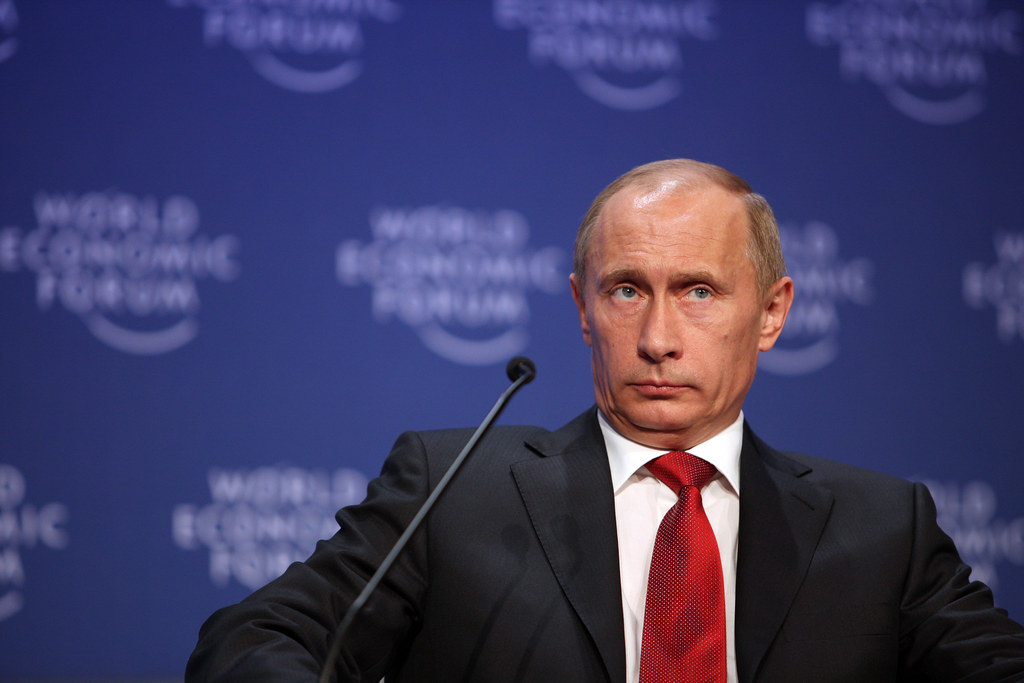
Putin simply decrees that the year 2025 shall be the “Year of the Defender of the Fatherland,” in what constitutes an overall strategy to manage this growing, dissatisfied, or perhaps disgruntled, sector. These programs, the “Defense of the Fatherland State Fund” and the “Time of Heroes,” place the veteran in government and business roles, and the subsidy payments are obviously designed to buy loyalty. However, all these policies also place Russia firmly committed to significant financial outlays at the same time as war expenditures are increasing.
10. Repression and Human Rights Collapse
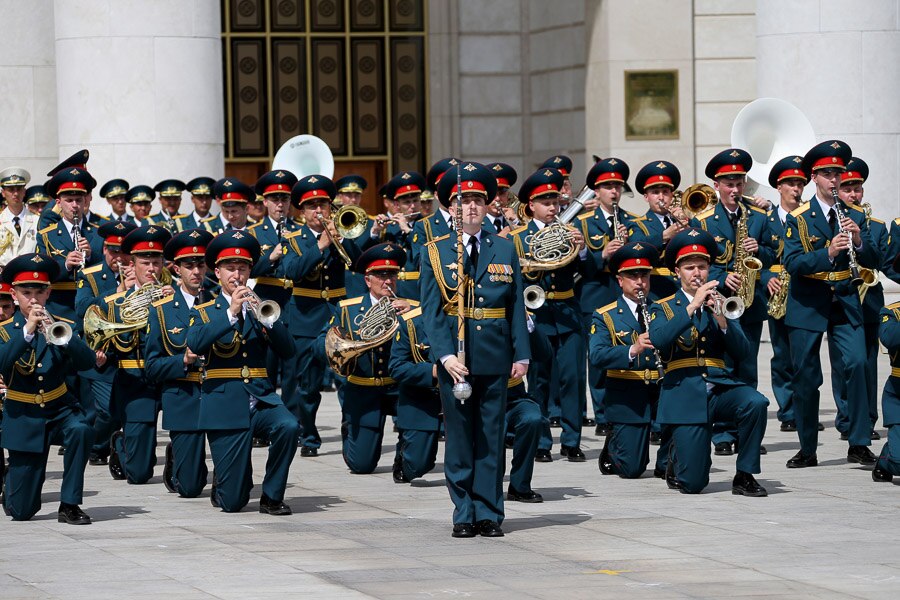
The UN report also described the “alarming escalation in repression” in Russia, where the numbers of people and organizations declared “foreign agents” topped 1,040, and “bans” climbed to 245 as “undesirable” organizations. Between 2024 and mid-2025, at least “912 people were faced with politically motivated prosecution, with many persecuted for speaking out against the war.” “Torture,” the report continued, “is systematic and widespread, with increasing use of coerced psychiatry as punishment.” Such policies might suppress the dissident voices effectively, perhaps, while at the same time foster deeper divisions in society that ultimately hinder this war.
Taken altogether, these are symptoms, in the military and at home, of the Russian military machine stretched, quite literally, to the breaking point. Desertions, attrition, war logistics failure, and government repression are not problems to be isolated, as the Russian war plan might have hoped, because instead, they are all symptoms that this war plan simply outlived. There is, therefore, a lesson, this time to those in the commentary world, most specifically defense experts and decision-makers, and perhaps also military strategists, because the lesson, as far as each is concerned, ought to be that the Russian war machine’s endurance is beginning to wear down, and the pace at which this deterioration gathers momentum might be the only indicator as to how much this Russian war shall continue.


